
June Russell-Chamberlin

June Russell-Chamberlin is an Oregon-based travel writer and photographer with an unquenchable curiosity and a love of adventure. A journalist for more than 25 years, you’ll find her traveling off-the-beaten-path in the Pacific Northwest and around the world. She writes about sailing, hiking, history, culture, food, wine, and whatever captures her interest. She is a member of the International Food, Wine, and Travel Writers Association. Follow her on Facebook and Instagram: [at] junerussellchamberlin.
Articles by June Russell-Chamberlin

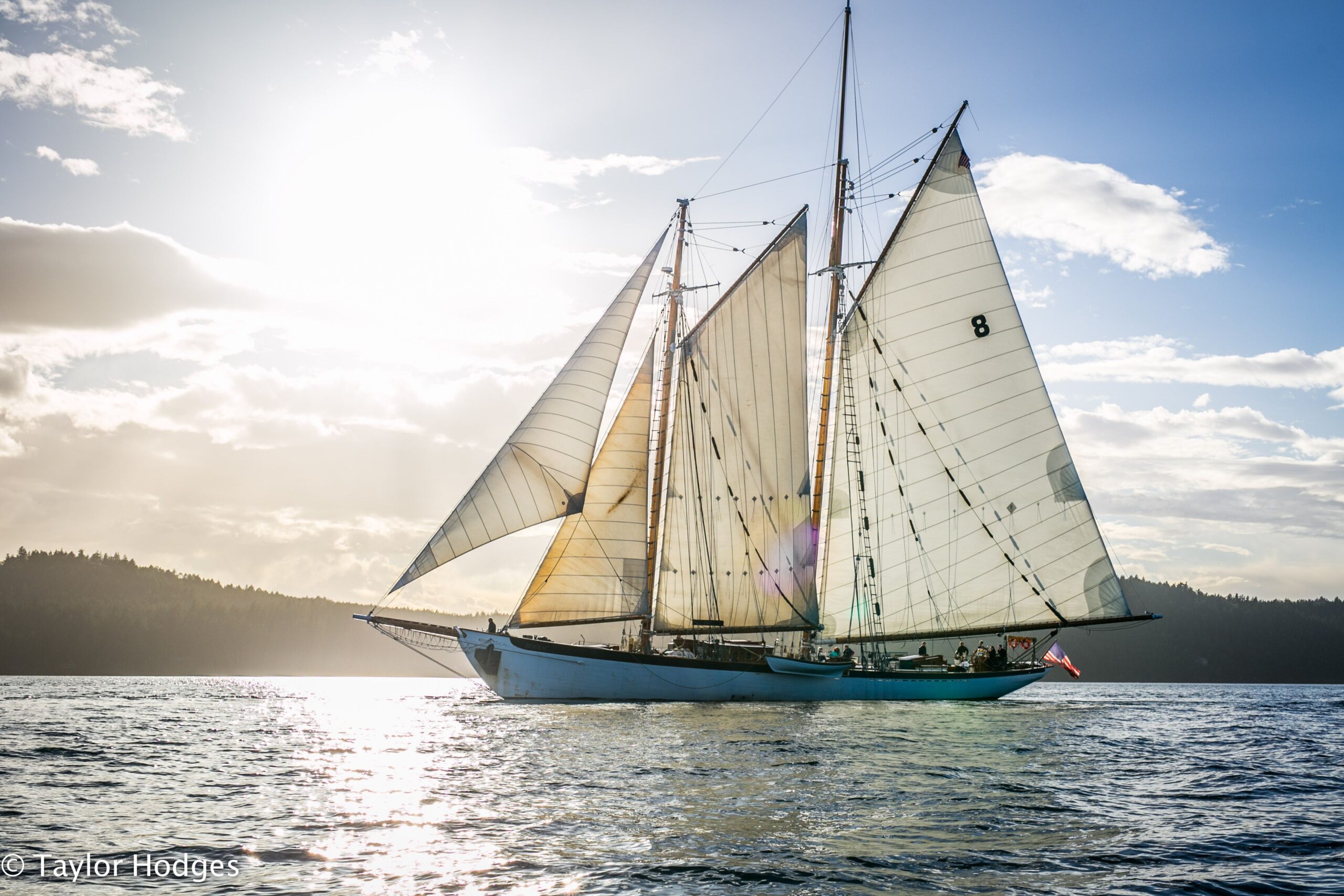
Saying the mainsail on the 100-year-old schooner Zodiac is big is like saying Babe Ruth knew how to play ball. A massive understatement, at 4,000 square feet, the Zodiac's mainsail is not just the largest working sail on the West Coast — it's larger than the average American house.
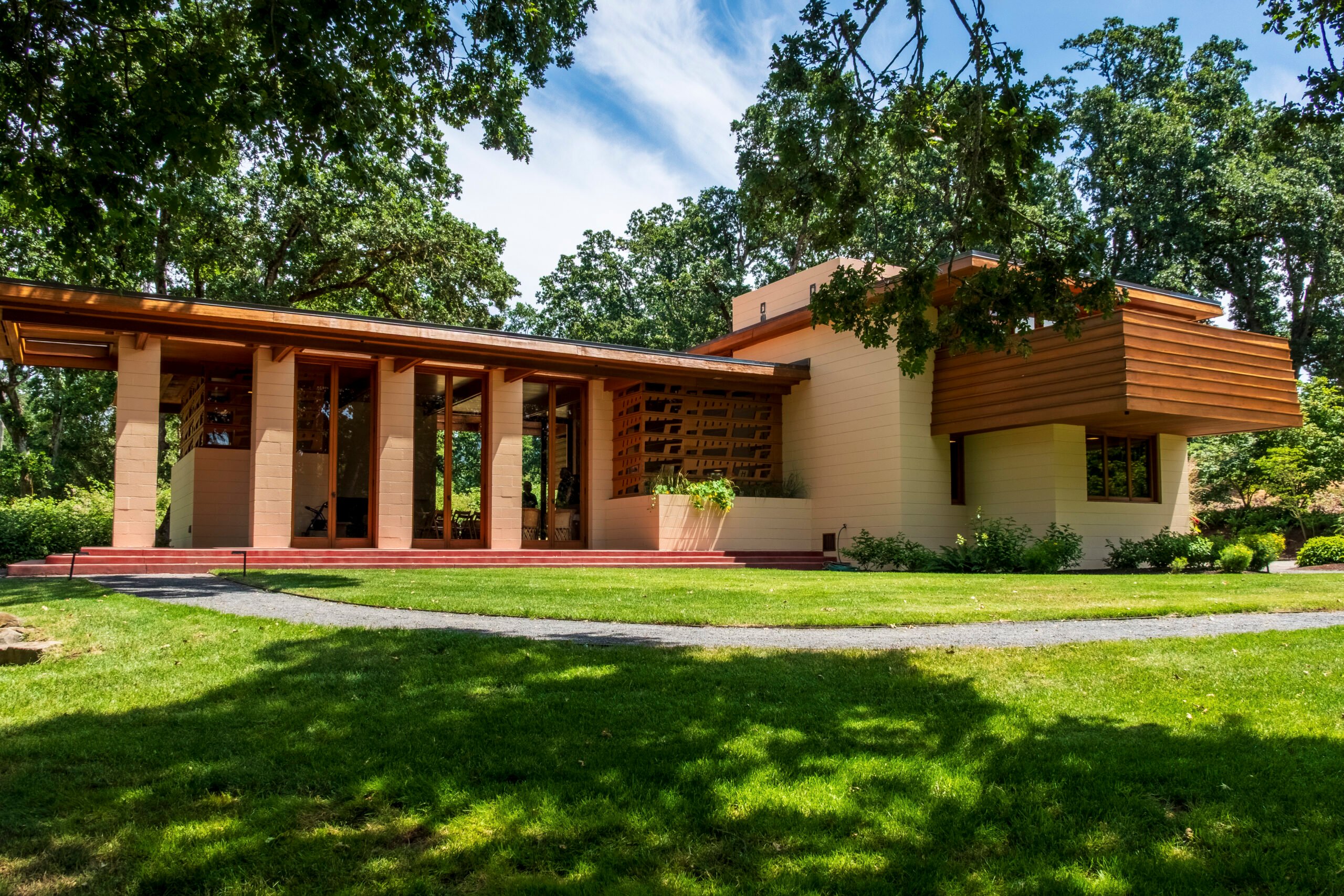
Like all fretwork by Frank Lloyd Wright, the stylized cedar cutouts over the upper windows of the Gordon House are unique. Some people think the pattern looks like upside-down saw blades in a nod to Oregon's lumber industry. Others believe it resembles fallen trees or branches, tour guide and assistant manager Mairee MacInnes remarked.
I adore car museums for the same reason I admire artifacts in archaeology museums. They teach us about history, style, and ways of life shaped by the parade of automobiles on display. They're an ode to America's love affair with automobiles, and few do it better than LeMay — America's Car Museum in Tacoma, Washington.

Vintage cars fill the gymnasium. They straddle bleacher seats and occupy the showers. They fill room after room of the main building. There are cars in the woods, cars under tents, and cars in garages undergoing restoration. More cars pack a vast storage building literally to the rafters. If you think car museums are all alike, then you haven't seen the LeMay Collections at Marymount.
The next time you watch the extravaganza that is the modern Olympic Games, consider this: It all started with a simple footrace. To history lovers like me, the Sanctuary of Olympia — the religious site used for the ancient competitions — is almost as legendary as the games. The archaeological site of ancient Olympia is rich with history and littered with intriguing ruins, making it an irresistible stop on my road trip around the Peloponnese Peninsula. To add to the fun, ancient Olympia's history reads like a Hollywood script — full of drama, parties, and even one of the Seven Wonders of the Ancient World. Even in its ruined state, the site inspires awe.