
Asia

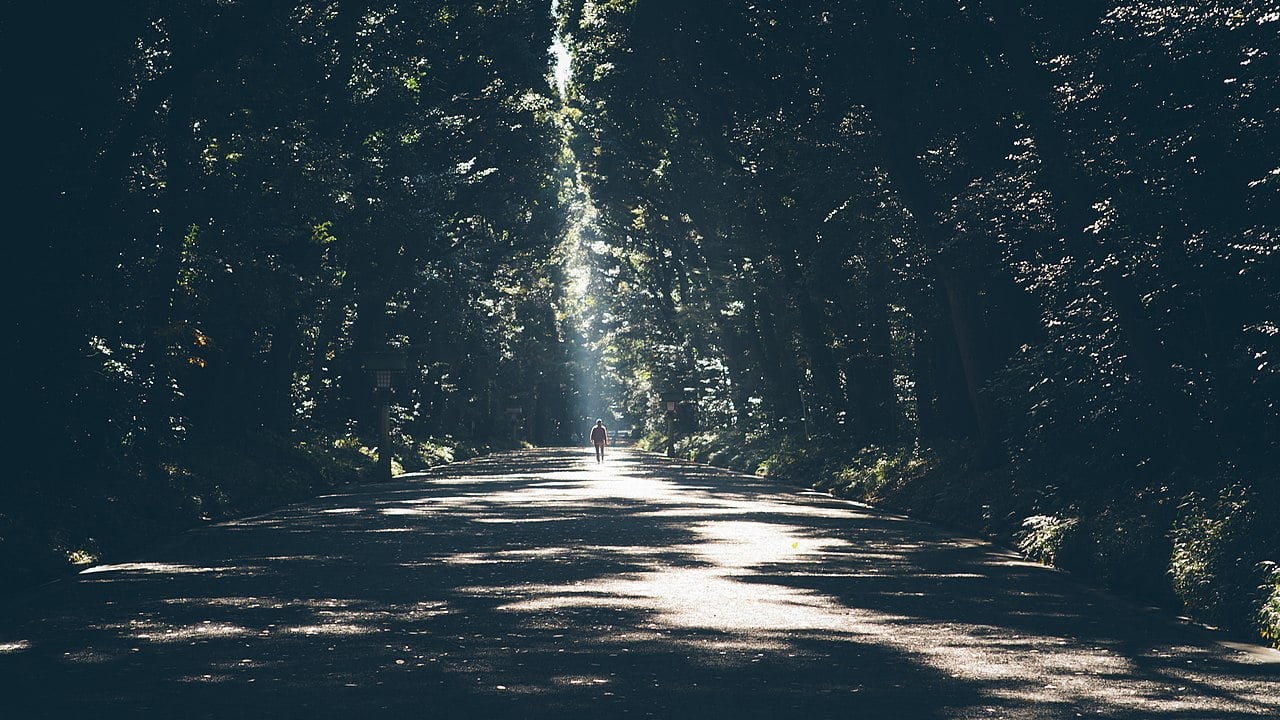
Torii Gate, Japan. Asia. Photo by Tianshu Liu
“Travel is more than the seeing of sights; it is a change that goes on, deep and permanent, in the ideas of living.”
–Miriam Beard
Explore beautiful Asia, the Earth’s largest continent. Covering more than 30 % of the planet’s land surface, Asia is the most populous region. It has a unique blend of many first civilizations. Asia’s history is vast and the continent is abundant with diverse ethnic groups, cultural heritage, traditions and religious beliefs; all worth learning more about.
The countries within beautiful Asia include: Afghanistan, Armenia, Azerbaijan, Bangladesh, Bhutan, Brunei Darussalam, Cambodia, China, Georgia, Hong Kong, India, Indonesia, Japan, Kazakhstan, Korea, North, Korea, South, Kyrgyzstan, Laos, Macao, Malaysia, Maldives, Mongolia, Myanmar (formerly Burma), Nepal, Pakistan, Philippines, Singapore, Sri Lanka, Taiwan, Tajikistan, Thailand, Timor Leste (West), Turkmenistan, Uzbekistan and Vietnam

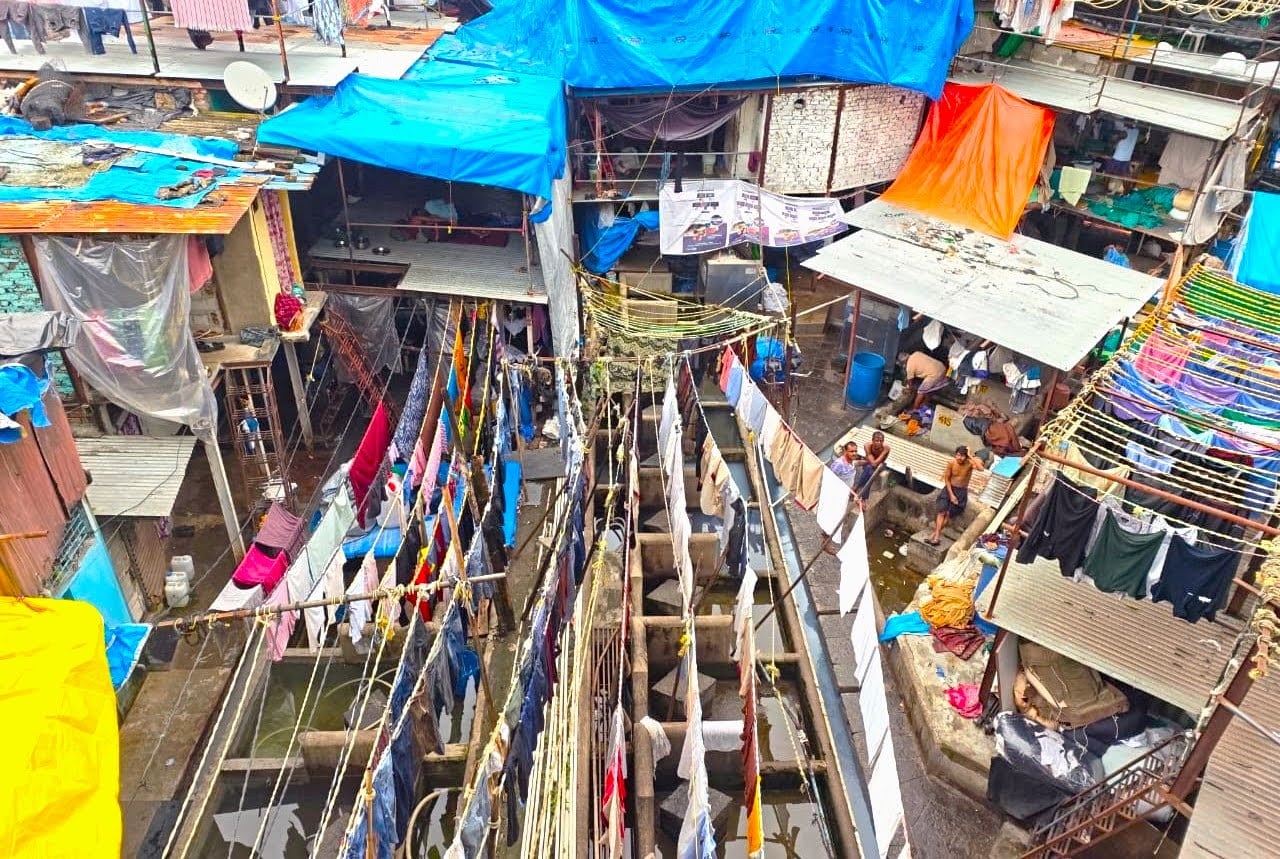
Mahalaxmi Station in Mumbai has always been a hubbub of horns, the metallic screech of trains on the rails, and the buzz of commuters and announcements crackling over the speakers. But outside the station, one sound cuts through the noise, and it doesn’t belong to the railway station.

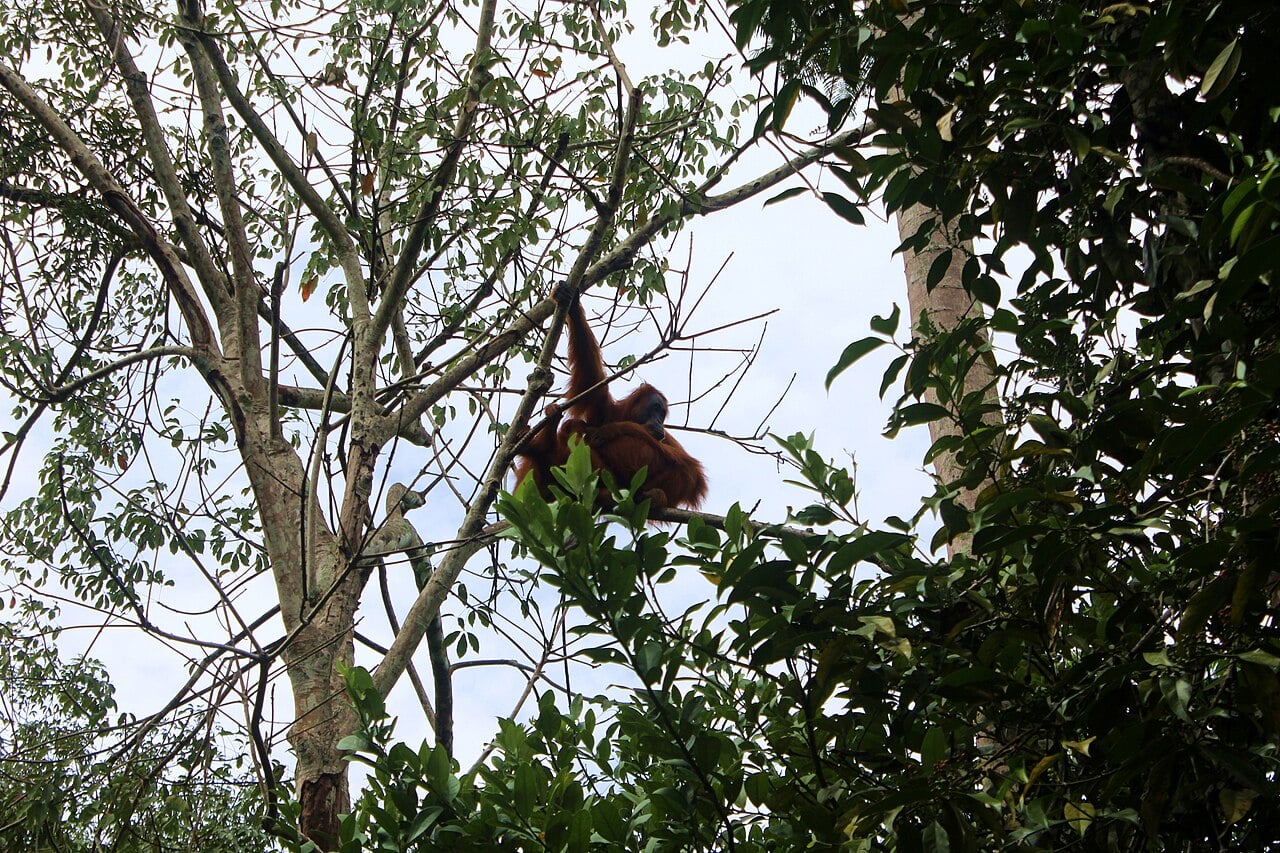
Orangutan trekking supports livelihoods in Bukit Lawang, but feeding, crowding and close-contact photographs can harm the animals travelers come to see. This updated guide explains how to choose an ethical trek, follow wildlife-viewing rules and protect critically endangered Sumatran orangutans.

Japan’s samurai castles reveal far more than military history. Their original keeps, reconstructions and ongoing restorations tell a larger story about power, architecture and preservation.

Gamcheon Culture Village grew from a Korean War refugee settlement into one of Busan’s most recognisable attractions. Its transformation through art created economic opportunities while raising important questions about tourism, privacy and community life.
Tokyo’s Yoyogi Village closed permanently in 2020, but outdated travel stories still recommend it. Its temporary buildings, landscaped courtyard and commercial spaces also raise larger questions about urban sustainability, green marketing and responsible land use.

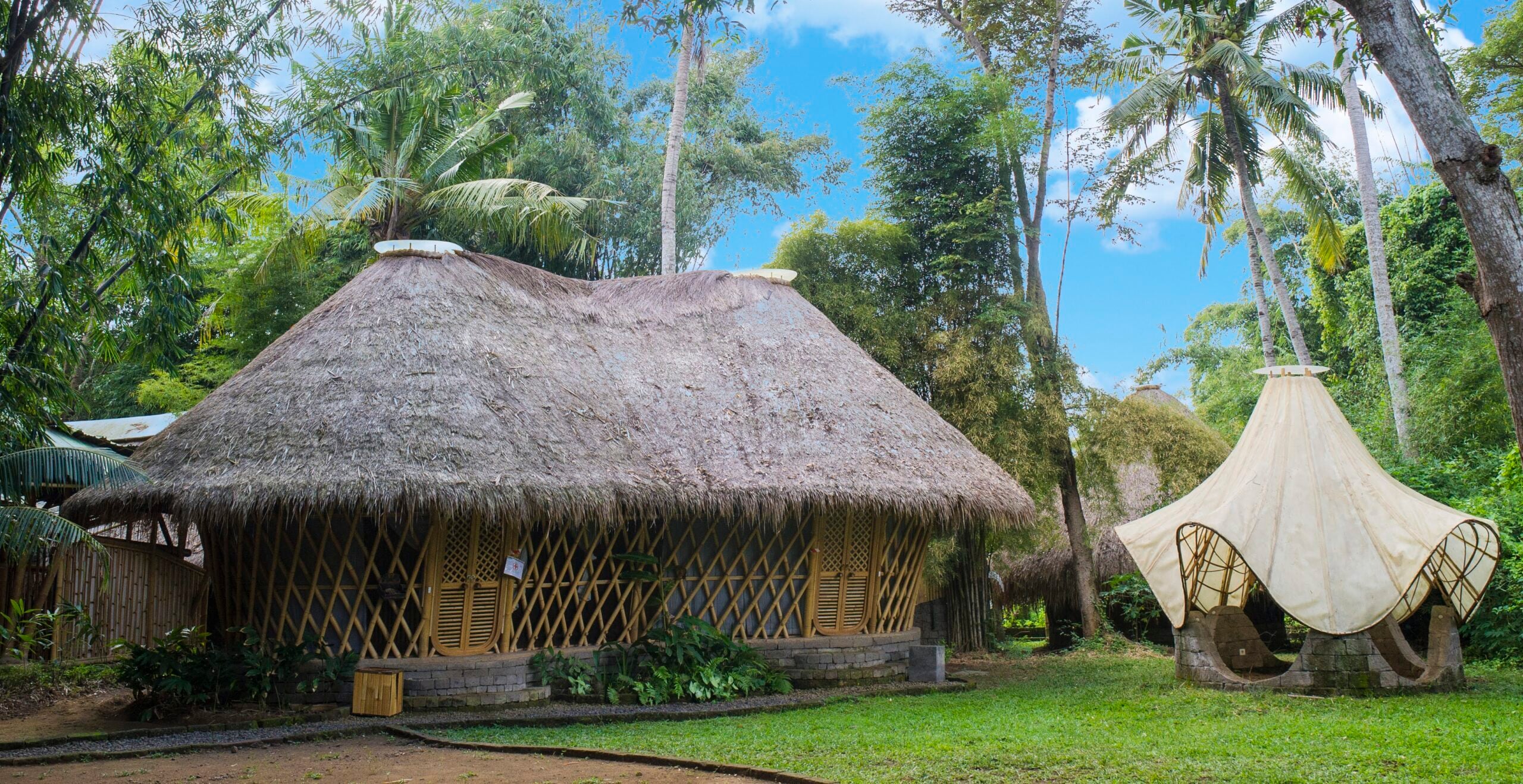
In Abiansemal, a rural district north of Denpasar and west of Ubud in Bali, the Ayung River cuts through rocky gorges, winding past rice fields and jungle. Down by the river, a spread of bamboo pavilions rises in a hug of palm trees and thick bushes, their wide thatched roofs fanning out like giant conical hats. From above, the complex gives off the vibe of an eco-retreat in the middle of the jungle. But beneath the thatched roofs are open-air classrooms, designed to nurture young minds through an unconventional curriculum that could reimagine education as we know it.

When people think of Southeast Asia, Thailand and Vietnam often come to mind first. But squeezed between them is Laos, a country covered in dense jungles and lush mountains perfectly suited for growing coffee, a relatively new crop that has grown recently in importance to the nation’s economy.

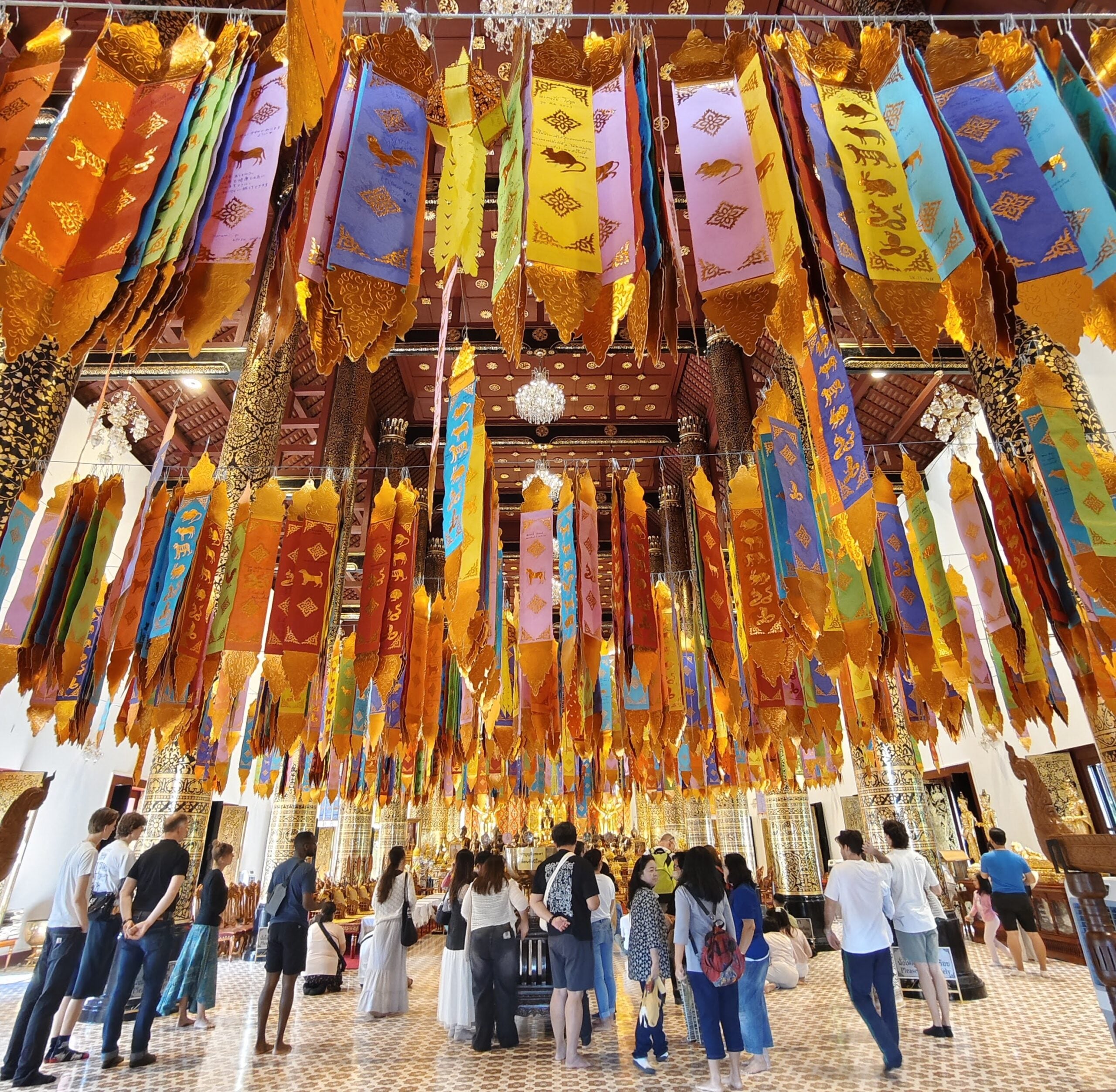
The red on the thermometer crept past 30°C. In Chiang Mai, temperatures remain volatile, chilly in the morning and sweltering by afternoon. I was in an air-conditioned restaurant and had a bowl of khao soi before me, its turmeric-gold broth steaming a rich coconut bisque. The chanting of monks from the nearby temples, fading in and out in an ethereal cadence, was backdropped by the tinkle of the wind chimes.

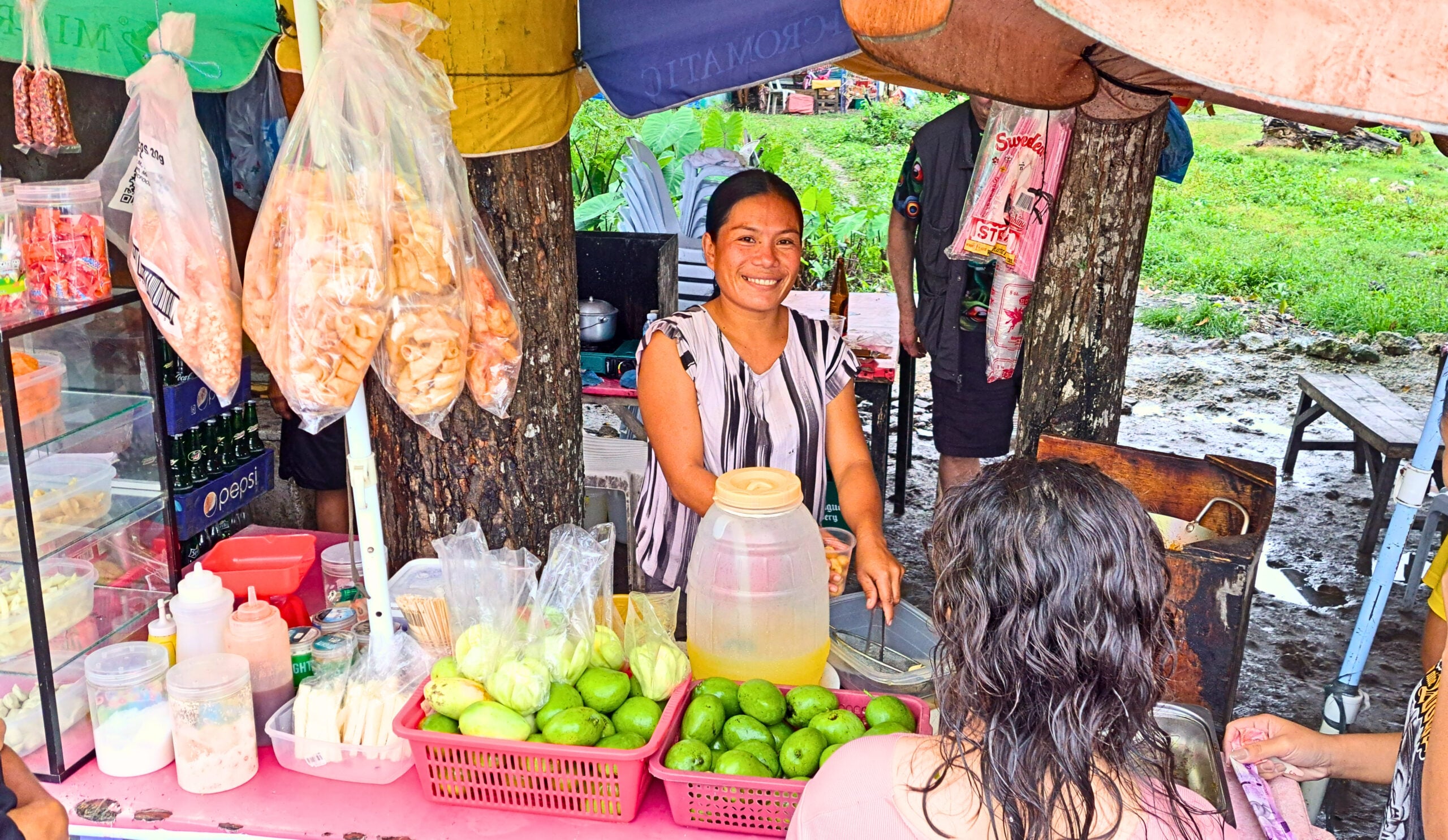
America has a heartland. So does the Philippines. It has 7,600 islands organized into three major island groups, with the midlands comprising the welcoming Visayas region. My ninth trip there delivered an adventurous medley of down-to-earth pensions, a luxe island resort, and a perfect lifestyle mix of everything in between. I explored six different islands where one tune always sings true: this getaway means hospitality on steroids.

A lifeline uniting six countries, the Mekong River flows from the Himalayas through Southeast Asia. Beginning in Tibet, it traverses China, Myanmar, Thailand, Laos, Cambodia, and Vietnam en route to the broad South China Sea. For thousands of years, the fabled thoroughfare has provided a connection for merchants and traders from China to Southeast Asia.
Dharavi, in central Mumbai, is considered one of the largest slums in Asia, but deep within this neighborhood, below the shanty grey roofs, loosely comprised of scavenged, upcycled metal, lives a resourceful and innovative community that plays an imperative role in Mumbai’s city-wide waste management.

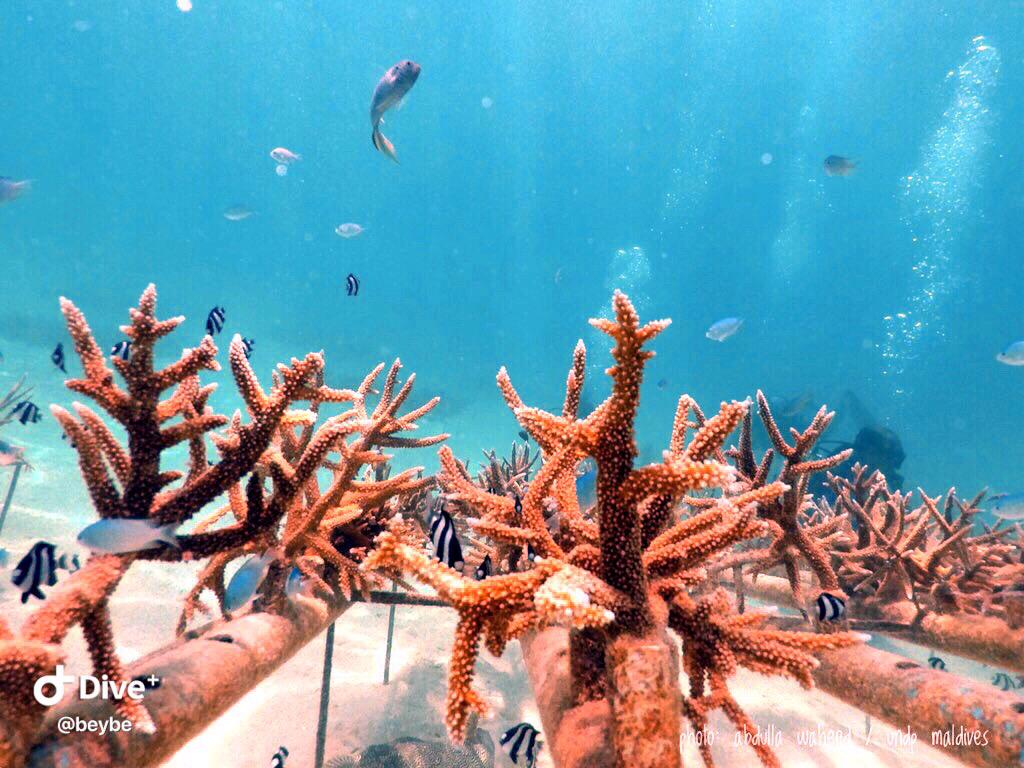
The Maldives islands are home to more than a thousand coral reefs, vibrant ecosystems that provide a home for marine life.