
Volunteer Travel

Volunteer travelers helping out in rice field.
“He who does not travel does not know the value of men.”
– Moorish proverb
(photo credit: Piers Brown)

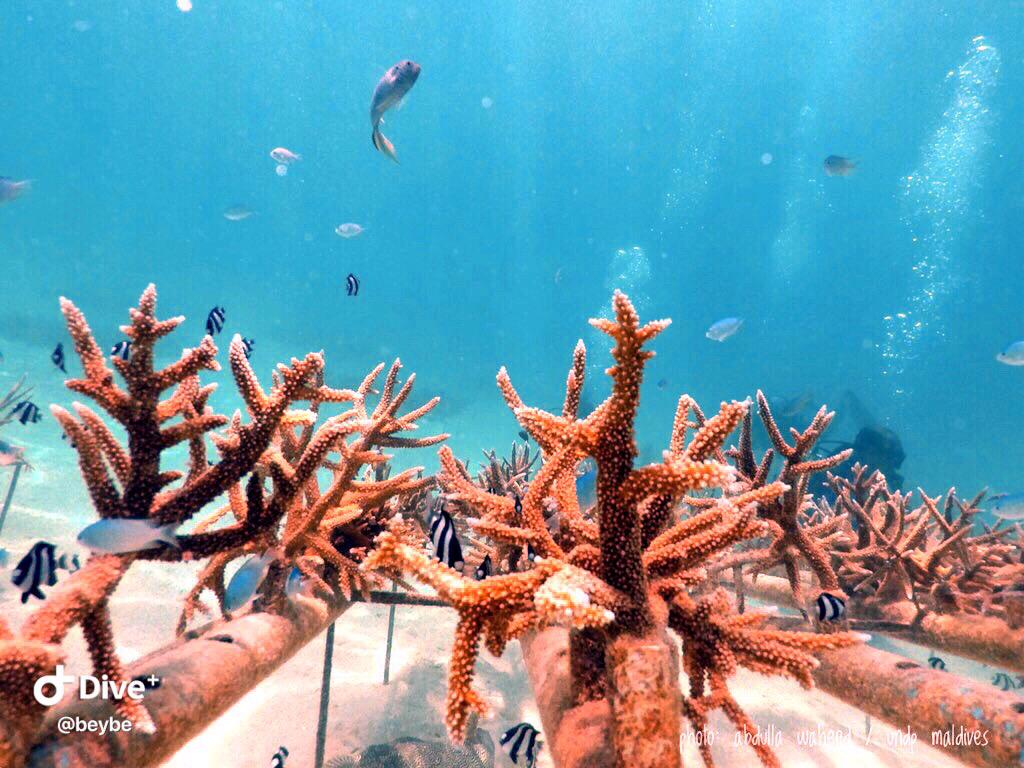
The Maldives islands are home to more than a thousand coral reefs, vibrant ecosystems that provide a home for marine life.

Explore the hidden risks of voluntourism and the complex history shaping conservation in the Galápagos Islands. Intercultural educator Lena Papadopoulos and researcher Dr. Elizabeth Hennessy reveal why responsible travel requires deeper awareness, community-led action, and a clear understanding of the islands’ past.

A new kind of volunteer tourism has entered the travel industry with an innovative approach; Volungearing, conceived by TribesForGOOD, taps an individual’s skills to pair him or her successfully in the social impact sector.

Listen now to Part 3 of our conversation with Eric Braeden and join us as we explore Egypt, voluntourism, and the power of cultural connection.

“Watch us come back with a dog,” I joked to my partner as we packed our things for four months on Mexico’s Pacific coast. As it turned out, it was less of a joke than I thought. When you think of Mexico, street dogs probably aren’t the first thing that comes to mind. But outside of the resorts and villas that most tourists associate with Mexico, things are different. The country has the largest number of Mexican street dogs in Latin America. The National Institute of Statistics and Geography estimates that about 70 percent of the 18 million dogs in Mexico live on the street, born as strays or simply abandoned. It’s a statistic that becomes overwhelmingly evident as you walk around.

Creating 19 prosthetic limbs for 13 children in under a week might seem like a daunting task, but Robert Schulman has never shied away from a challenge. The certified prosthetist and founder of US-based nonprofit Limb Kind Foundation arrived in Davao City, Philippines in September with a team of 11 and a big goal. And he definitely delivered.

Our trip could be labeled volunteering since the primary purpose of the trip was to serve. “Voluntourism” - tourist travel with a volunteering component - has become increasingly popular in recent years as a way to make travel more meaningful and give back to the places visited.
The photograph that appeared on the front page of newspapers throughout the world following the 2004 Indian Ocean tsunami was heartbreaking: it sent me to Sri Lanka.

Tanzania is not just a friendly and affordable country in which to volunteer but also the kind of place that lets the imagination run wild. For instance, it is here in Tanzania that you can climb the tallest mountain in Africa or perhaps take a wildlife safari in the most famous national park in the world.

Kenya is a no-nonsense nation when it comes to conservation in recent times and in particular, with elephant conservation. Impressively, this concentrated effort has been consistent since the late 1980’s when the President at that time, Daniel Arap Moi, proceeded to burn more than twelve tons of ivory to show that Kenya was fully committed to bringing an end to the elephant poaching epidemic.

For many people, including myself, while travelling the world is a passion, it is important to simultaneously make a positive change in communities and the environment in which we are exploring. This is known as social impact travel.

Voluntourism can be a benefit to communities, but if done improperly, it can actually be more harmful than helpful. And unfortunately, it can be hard for an outsider to know the difference. So what can socially-conscious travelers do to make sure their efforts make a positive, rather than a negative, impact?