
New York

View of Manhattan and One World Tower in New York. Photo by Jonathan Roger
“Quite simply, I was in love with New York. I do not mean ‘love’ in any colloquial way, I mean that I was in love with the city, the way you love the first person who ever touches you and you never love anyone quite that way again.”
— Joan Didion
New York is a state where every region tells its own story. Sure, Manhattan’s bright lights and towering skyscrapers are iconic, but there’s so much more to discover beyond the city.
Imagine strolling through Brooklyn’s artsy streets, tasting artisanal pastries, or escaping to the Hudson Valley with its scenic hikes and charming boutiques. Up in the Adirondacks, hike, kayak, or simply soak in the natural beauty.
Wine lovers will adore the Finger Lakes, with picturesque vineyards and serene lakeside views. Don’t miss Niagara Falls—the sheer power and beauty are awe-inspiring.
Long Island offers beautiful beaches and quaint villages, while the Catskills blend outdoor adventure with artsy retreats. From Albany’s historic streets to the scenic Erie Canalway, New York is full of surprises.
Dive into our travel stories and let the diverse wonders of the Empire State inspire your next journey.

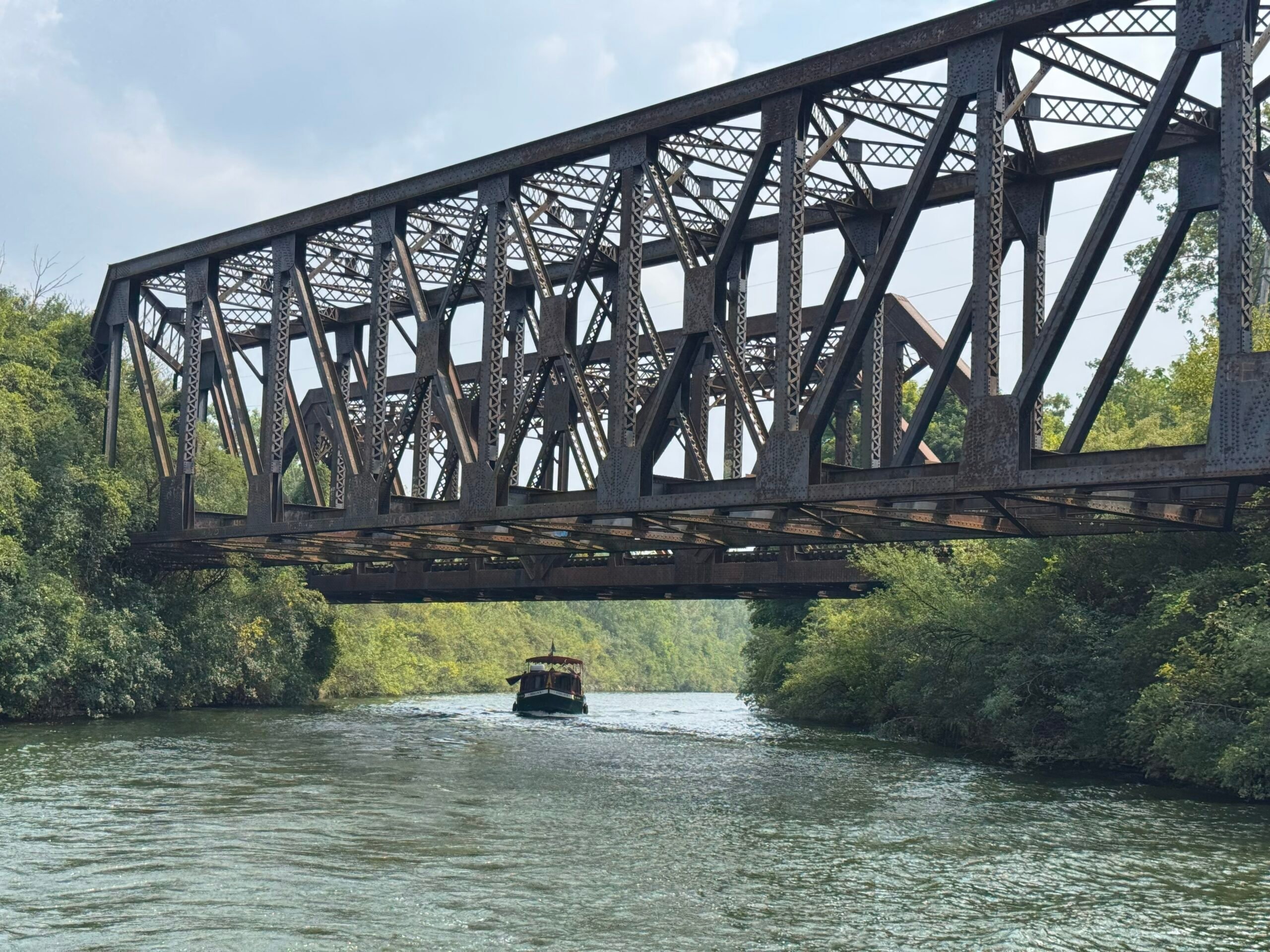
When my friend, Erik, first floated the idea of a self-piloted voyage along the Erie Canal, I did the math. From my apartment in Rochester, New York, I can drive west to the town of Spencerport in 21 minutes, 17 should the traffic lights cooperate. If heading east, I can make it to Pittsford in ten, though I usually stop at Wegmans en route, which tacks on another 30. The village of Fairport, meanwhile, requires 25 minutes behind the wheel—practically a road trip by Western New York standards.

I love under-the-radar destinations. Schenectady, a sweet balance of history and modern multicultural flair, is a prime example of why. Upstate New York’s original “Electric City” sits only 15 miles from Albany, the state’s capital, but a world away. Settled by the Dutch in 1661, it played a crucial role in the development of early American industry and innovation, primarily in electronics and locomotion. Thomas Edison founded General Electric at Mohawk River-hugging Schenectady. It’s also where I found a surprising urban-pastoral balance of early-U.S. architecture, inviting parks, scenic bike paths, welcoming restaurants, and engaging locals.

I'll always have a soft spot for slightly tacky Lake George Village because my dad took the family there every July 4th for fireworks. He'd yell, over and over, "Thank you, Thomas Jefferson! Thank you, Benjamin Franklin!" However, far greener and atmospheric, Lake Placid feels genuine and provides a real sense of community.

Explore Dorothy Parker’s New York with author Kevin C. Fitzpatrick. Visit her haunts, uncover her legacy, and plan your own literary walking tour.

Somewhat of an enigma, George Eastman moved the photography world ahead with amazing inventions. He was a philanthropist, second only to Rockefeller and Carnegie. Yet, the artifacts in his museum include the mounted head of an elephant he traveled to Africa to kill. Even his death by suicide seems odd—although his death certificate adds additional information. He left a note saying, “To my friends, my work is done—Why wait?”

A New York state of mind can mean many things. In the case of Rochester, think of a vastly underrated city with vintage hospitality, fantastic under-the-radar attractions, and an annual world-class fringe festival. Let’s get right to a few of my favorite moments in “ROC.”
Known as a concrete jungle, most visitors to New York City don’t arrive expecting to see an abundance of green space. Well, we have a surprise for you. New York City boasts over 20,000 acres of green space including parks, urban forests, playgrounds, and gardens. These green spaces provide millions of people with meaningful connections to nature.

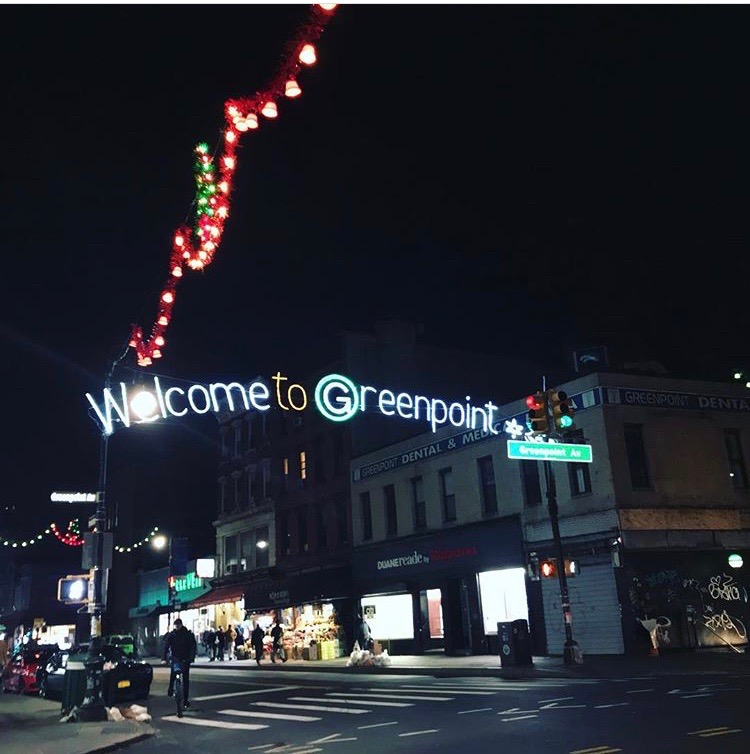
Over 100 years old, Greenpoint, nicknamed “Little Poland” is home to the second largest Polish population in the country but its industrialized history was built by working-class immigrants and refugees of assorted nationalities.
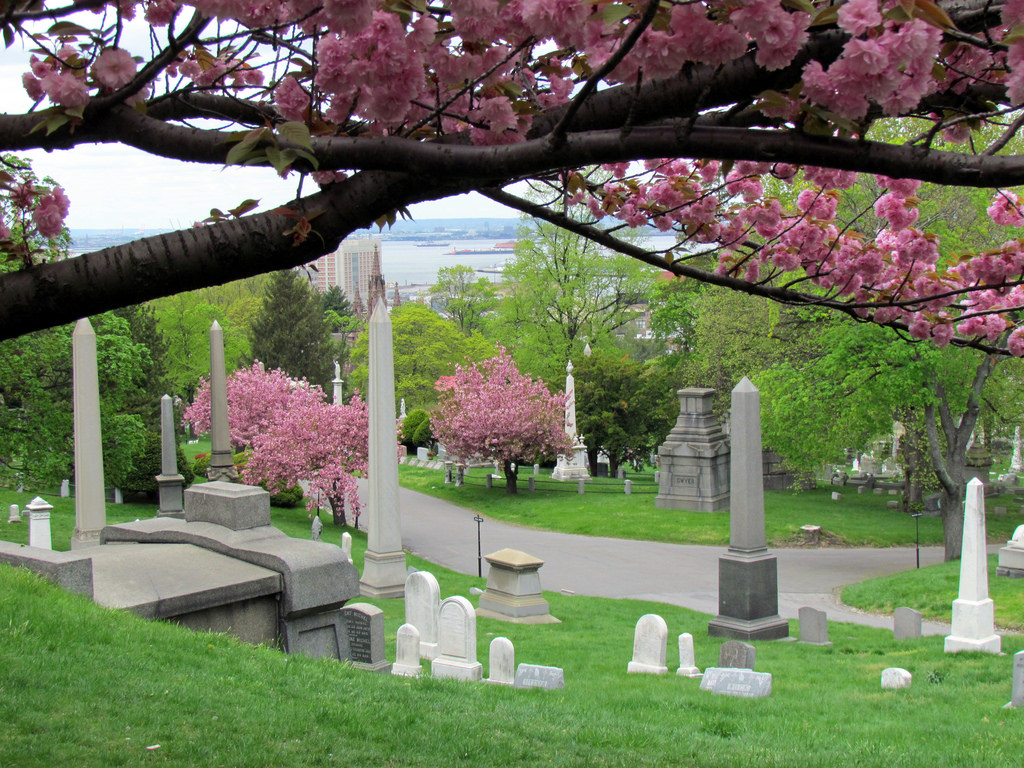
In a city as teeming with life as New York, it should come as no surprise that there is a similarly populous world six feet under the five boroughs. With so many tourist attractions, New York City’s cemeteries are rarely on most visitors’ top ten lists, but the sheer size of many NYC graveyards, not to mention their famous residents and historic structures, make them some of the city’s most lovely green spaces, despite their morbidity.

Back in 1890, when much of New York's northernmost borough, the Bronx, remained undeveloped, a French immigrant was charged with laying out the then rural area's street grid.
Having lived in New York City for the past 13 years, I’ve fallen in love with my new city. The bright lights of Broadway, innumerable restaurants, museums of every variety, my favorite Irish pub, and the gym where I work off my indulgences are all just a subway ride away.

The Enchanted Mountains of Cattaraugus County, New York are the homeland of The Seneca Nation, one of six Native American tribes that formed a confederacy in the region. The largest of the six tribes, The Seneca, who lived in the Western part of the Confederacy, called themselves the Onöndowa’ga,’ or “Keepers of the Western Door,” because they controlled the land foreigners had to cross to gain access to the Confederacy.