
Europe

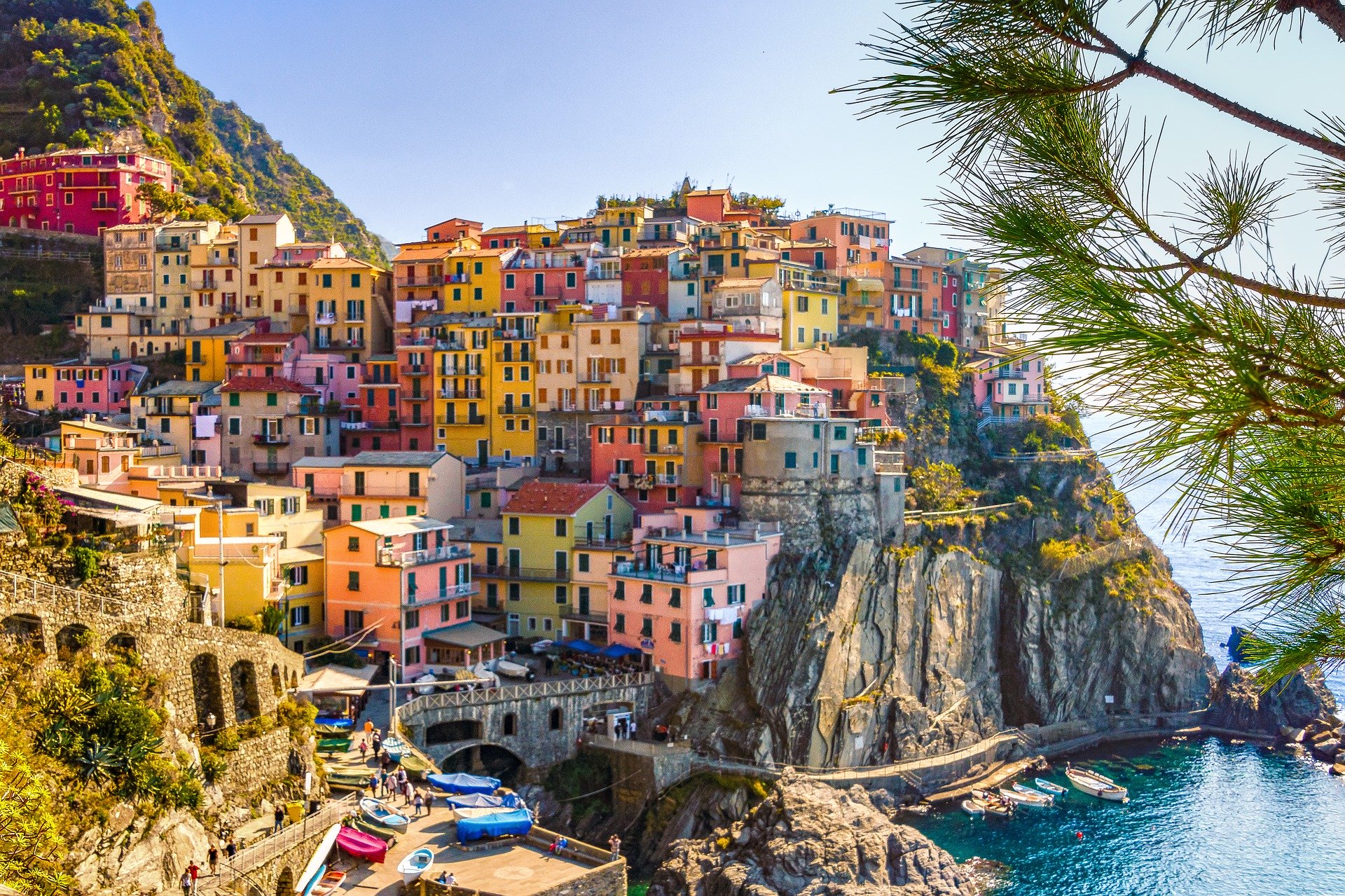
Rome's Trevi Fountain is a tourist favorite in Italy. Europe travel.
“He who is outside his door already has the hardest part of his journey behind him.”
— Dutch proverb
Travel Europe and fall in love with its beautiful landscapes and rich cultural heritage. From Europe‘s largest country (Russia) to its small one (Vatican City) and the additional 49 countries in between, the continent of Europe is a vast landmass in the northwestern part of Eurasia. The most visited European country is France followed by Spain, Italy, United Kingdom and Germany but each of the 51 independent states hold a rich history, unique cultures and traditions, delicious food, beautiful landscapes and other gems that make each country worth visiting.
Europe‘s border is delineated by the Ural Mountains in Russia, the Caspian Sea and Caucasus Mountains and the following countries (listed in alphabetical order) comprise the continent: Albania, Andorra, Armenia, Austria, Azerbaijan, Belarus, Belgium, Bosnia and Herzegovina, Bulgaria, Croatia, Cyprus, Czech Republic, Denmark, Estonia, Finland, France, Georgia, Germany, Greece, Hungary, Iceland, Ireland, Italy, Kazakhstan, Kosovo, Latvia, Liechtenstein, Lithuania, Luxembourg, Macedonia, Malta, Moldova, Monaco, Montenegro, Netherlands, Norway, Poland, Portugal, Romania, Russia, San Marino, Serbia, Slovakia, Slovenia, Spain, Sweden, Switzerland, Turkey, Ukraine, United Kingdom (UK) and Vatican City (Holy See).
Travel Europe – explore it’s lands from north to south and east to west and take delight in its different food flavors and learn more about it’s rich history & culture.

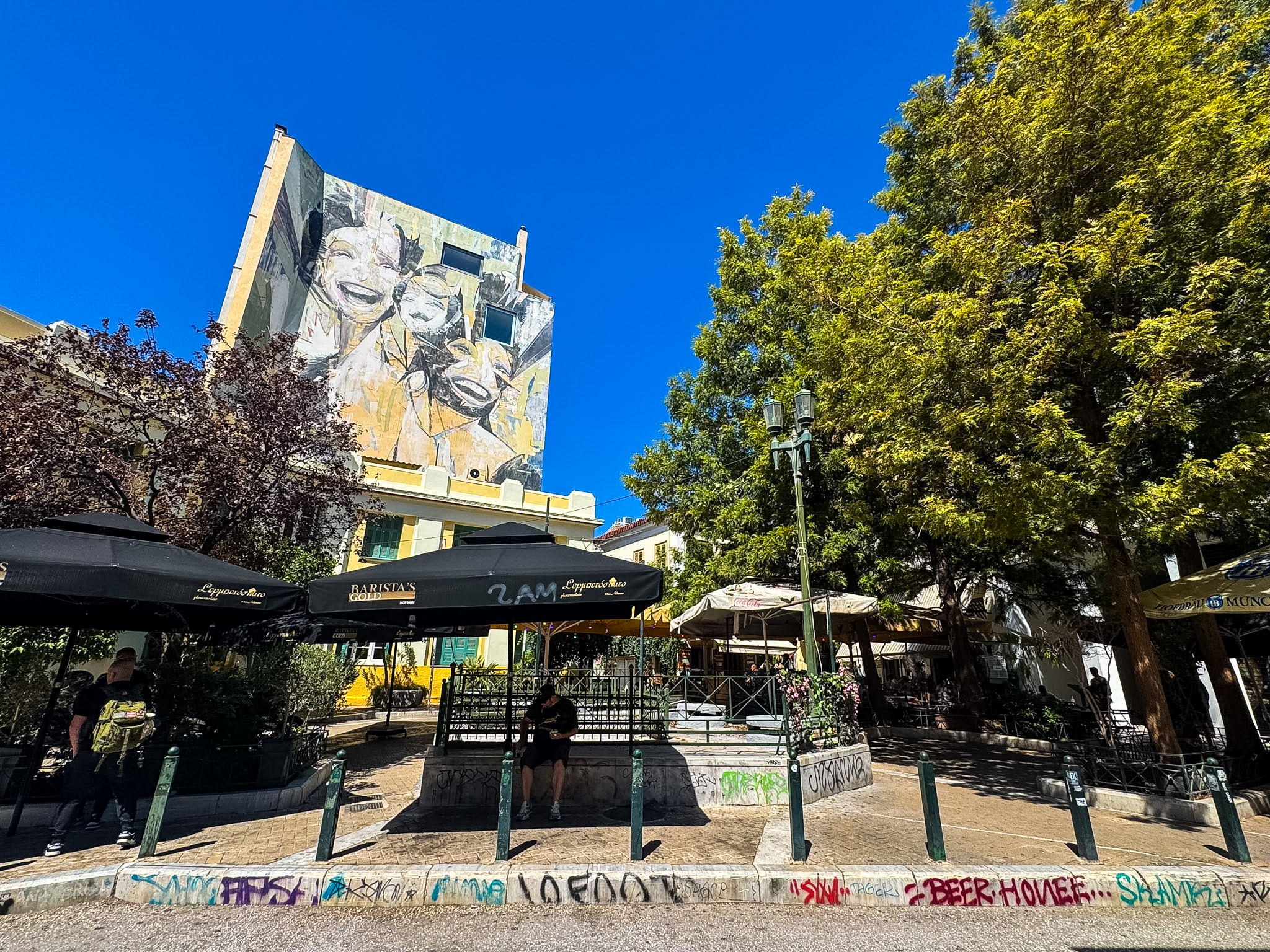
If you visit Athens, you’ll more than likely stroll through Psirri, one of the oldest districts of this City of Antiquities. The once-edgy neighborhood took its name from the Psirri family, who purchased many plots of land after moving there during the Turkish occupation from Psara, a small island in the northern Aegean Sea.

World Footprints heads to WTM London 2026 as accredited media, connecting with tourism boards, DMOs, agencies and travel brands interested in U.S. exposure, destination storytelling and media partnerships.

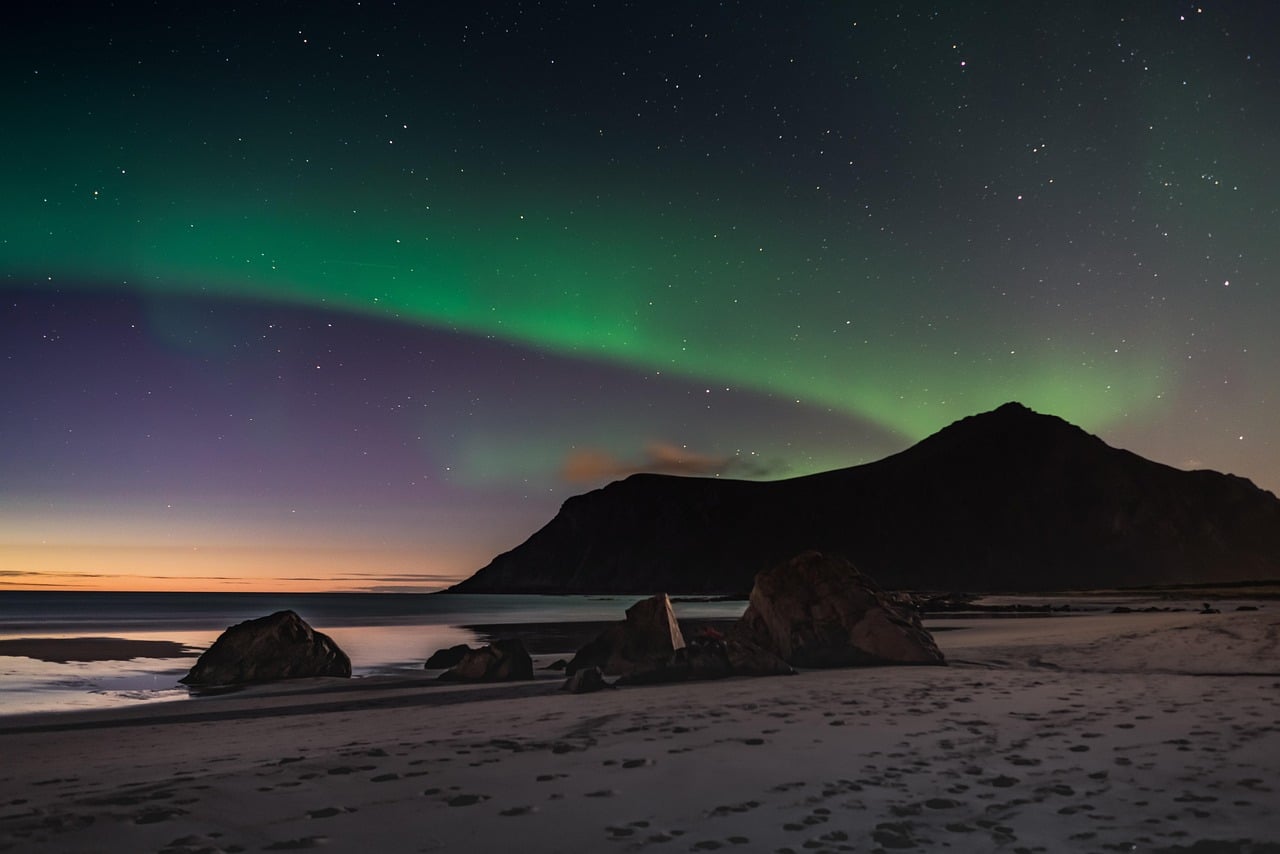
Seeing the Northern Lights in Tromsø is about far more than getting the perfect photograph. Discover the science, Sámi culture and personal experiences that make an aurora chase unforgettable.

Walk in the footsteps of Elizabeth I at the Tower of London, Westminster Abbey, Hatfield’s Old Palace, Kenilworth Castle and Bath Abbey.

Designated a World Heritage Site by UNESCO, the old Wieliczka Salt Mine is the most popular tourist attractions in Poland and offers a unique experience into the underworld civilization and local culture.

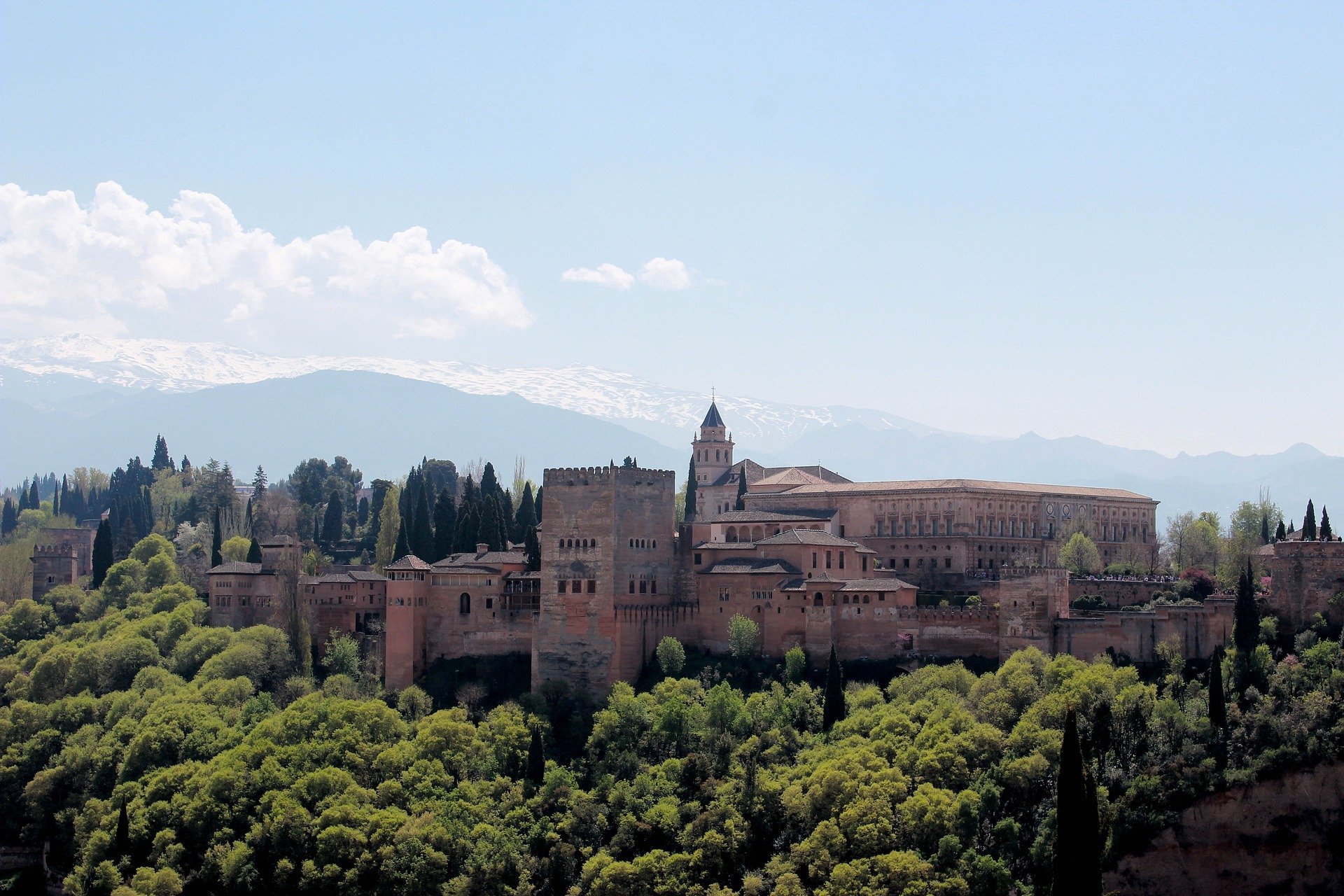
The Alhambra in Granada preserves the artistic legacy of the Nasrid dynasty alongside Christian-era additions that reveal centuries of political and cultural change.

Look beyond Warsaw and Krakow to discover five Polish cities shaped by medieval trade, industrial reinvention, border history and the origins of the nation.
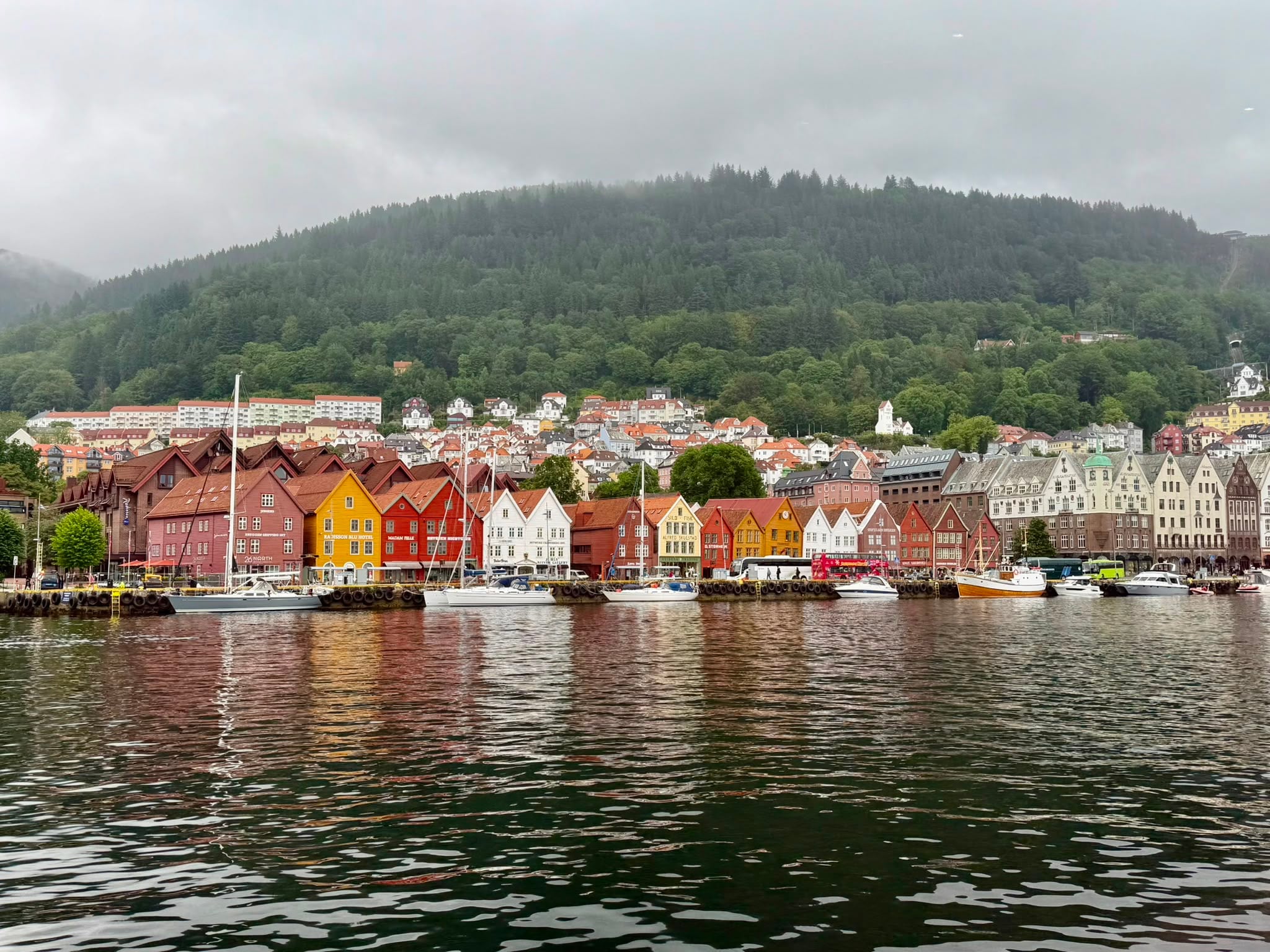
With visitor numbers continuing to rise, Bergen, Norway, continues efforts to spread tourism across seasons and neighborhoods while protecting its heritage, environment, and residents’ quality of life.

In this NATJA award-winning World Footprints episode, Rick Steves joins us for a thoughtful conversation about Europe, the pandemic, social responsibility, and why travel remains one of the most powerful ways to better understand the world.

With little care as to where on the island I would go, I found a perfect apartment located in a place called Porto Torres.
Strolling through the southern Spanish city of Sevilla on a sunny early spring day, the sweet smells of orange blossoms surround you as they waft through the air. These fragrant fruit trees flourish in the cobble-stoned streets and bring color to the beautiful Royal Alcázar of Seville.
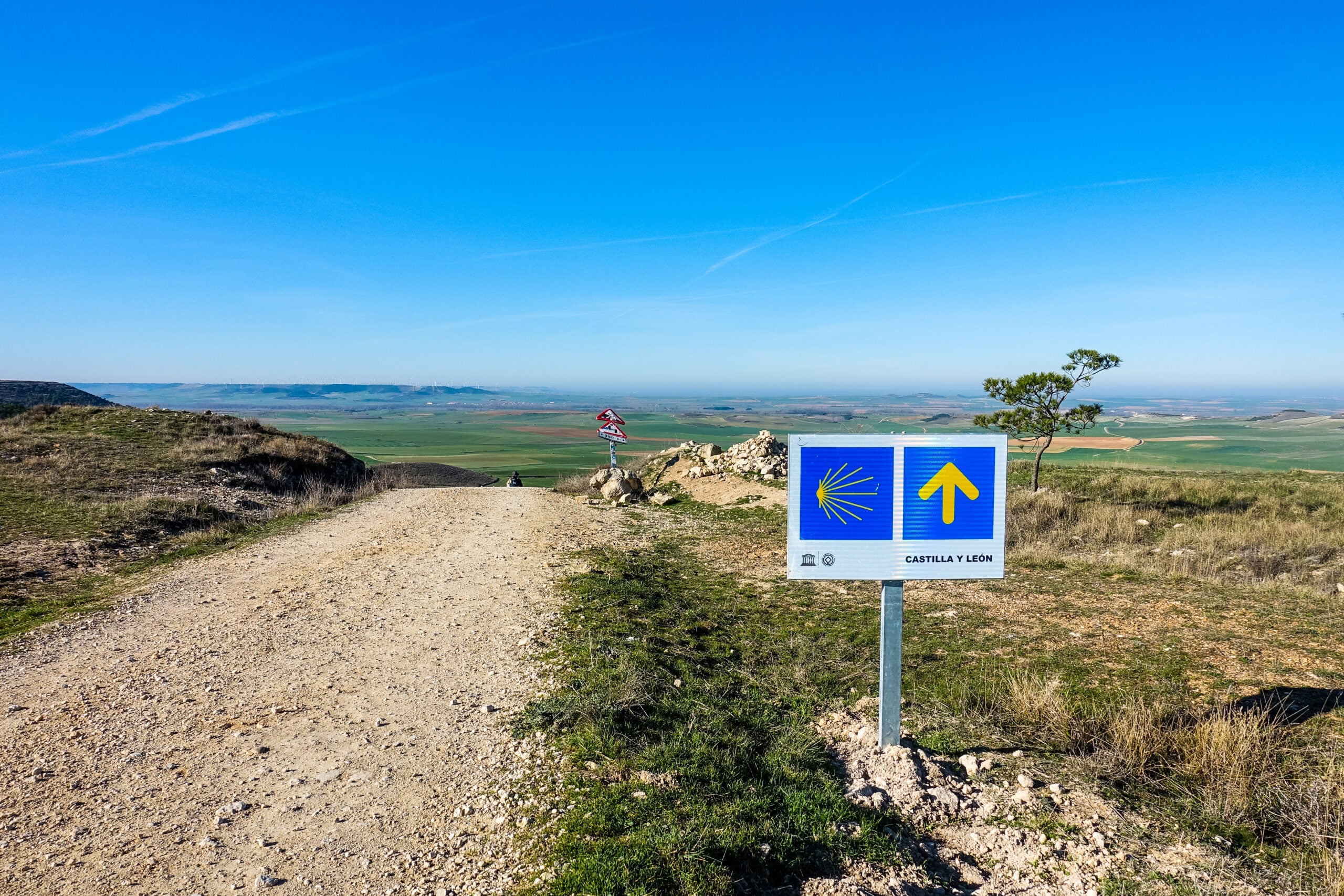
One of the most famous paths in the world, arguably its most renowned spiritual route, the Camino draws pilgrims from around the globe. More than two of every three trekkers who undertake the journey follow St. James’ Way, also known as Camino Frances (“The French Way”). It extends more than 800 kilometers across northern Spain from Saint-Jean-Pied-de-Port, France, in the foothills of the Pyrenees.