
Central and South America

Bogota, Colombia street photo by Tonya Fitzpatrick
“Travel, for me, is a little bit like being in love, because suddenly all your senses are at the setting marked “on.” Suddenly you’re alert to the secret patterns of the world.”
– Pico Yver
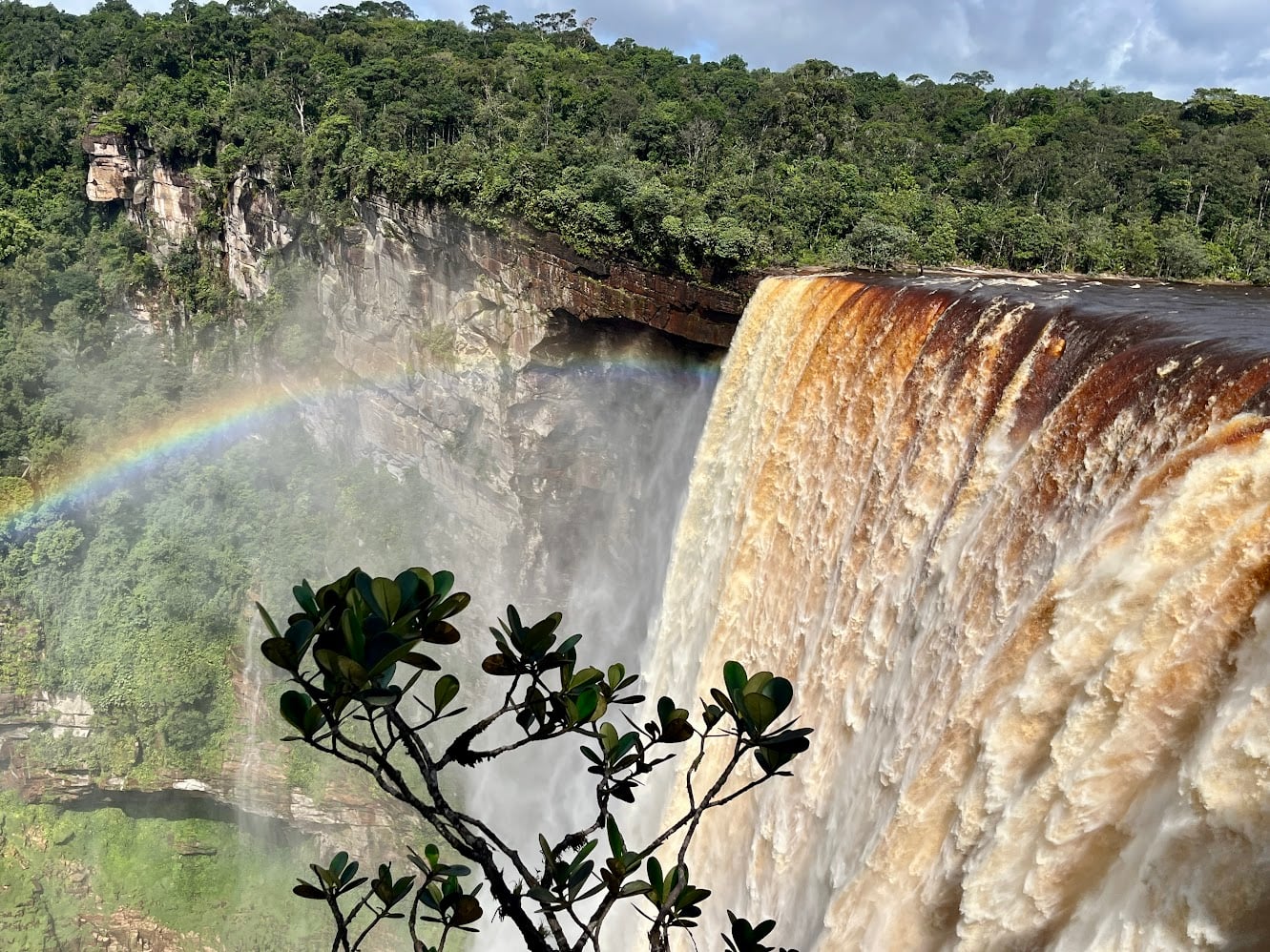
Explore what awaits you in Central and South America. Central America has a rich cultural heritage that is defined by the seven countries that sit within its borders: Belize, Costa Rica, El Salvador, Guatemala, Honduras, Nicaragua and Panama. The swamp land that divides the Pan-American Highway between Panama and Colombia identifies the border for South America—a country with a rich biodiversity and natural heritage that includes Venezuela’s Angel Falls, the world’s highest waterfall; the largest river, the Amazon River; the largest rainforest, the Amazon Rainforest; the longest mountain range, the Andes; the highest single drop waterfall on Guyana, the Kaieteur Falls; and the driest non-polar place on earth, the Atacama Desert.
The Central and South America region is home to the most dynamic cities in the world like Rio de Janeiro, Sao Paulo, Santiago, Buenos Aires, and Caracas. The South America region offers so much to explore like the glacier laden mountains, the greatest rivers in the world, jungles, beaches, and an unimaginable amount of wildlife. In the Central America also, the travelers can make a huge list of things to see and do – villages, inland lakes, volcanoes, ocean side beaches, mountains, coffee plantations, and all kinds of wildlife. A whole new adventure awaits you in the Central and South America region.

Imagine spending days, even weeks, in the vast plains with only your horse and your loyal dog for company. Herding cattle during the day, sipping mate next to the campfire at night. The need for human interaction will be met at the nearest pulpería, although near and far are relative terms in the Argentinean Pampas. Deliver the cattle to the port first or take it to a distant pasture and only then you can relax and stock up on staples.

After spending a week traversing the jungle and savannah in one of the most biodiverse countries on earth, I felt that nothing in Guyana could surpass what I had already experienced: encountering anteaters in the wild, swimming with capybaras, spotting rare birds in the rainforest, and searching for jaguars at night.

Staying in one of Rio’s favelas requires more thought than booking a room with a view. Learn how community-led tourism works, what current safety advisories say and which questions travelers should ask before visiting.

Explore the hidden risks of voluntourism and the complex history shaping conservation in the Galápagos Islands. Intercultural educator Lena Papadopoulos and researcher Dr. Elizabeth Hennessy reveal why responsible travel requires deeper awareness, community-led action, and a clear understanding of the islands’ past.

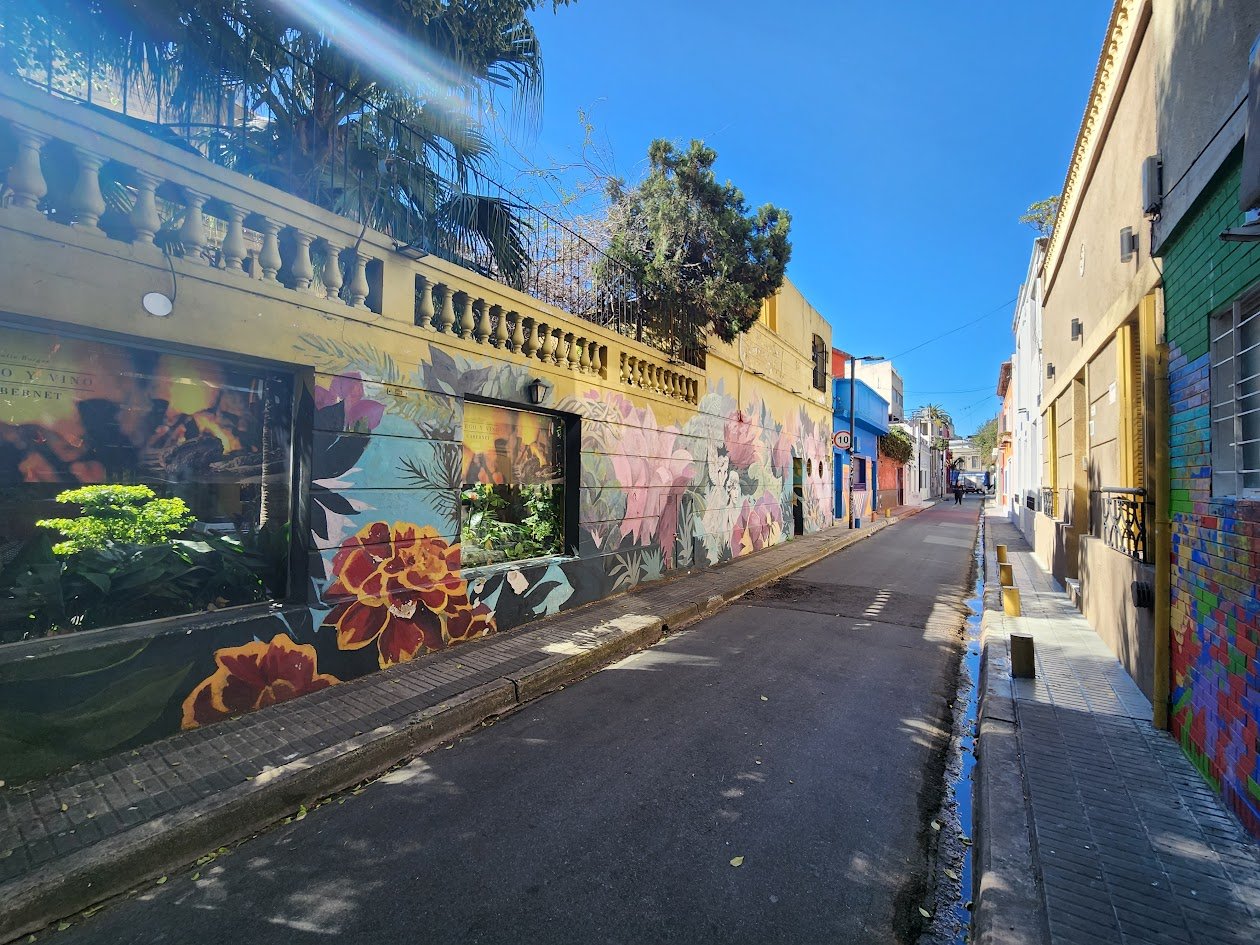
Acclaimed Argentine author and poet Jorge Luis Borges once wrote, “Hard to believe Buenos Aires had any beginning. I feel it to be as eternal as air and water.” Buenos Aires has a rich history and architectural heritage for a relatively young capital with an ancient soul. And the best way to discover the soul of the city is to take long, leisurely walks.

The regions of Biobío and Araucanía, which lie somewhere in the middle of the 2,653 miles that stretch from Chile’s top to bottom, are nevertheless known as “the south.”

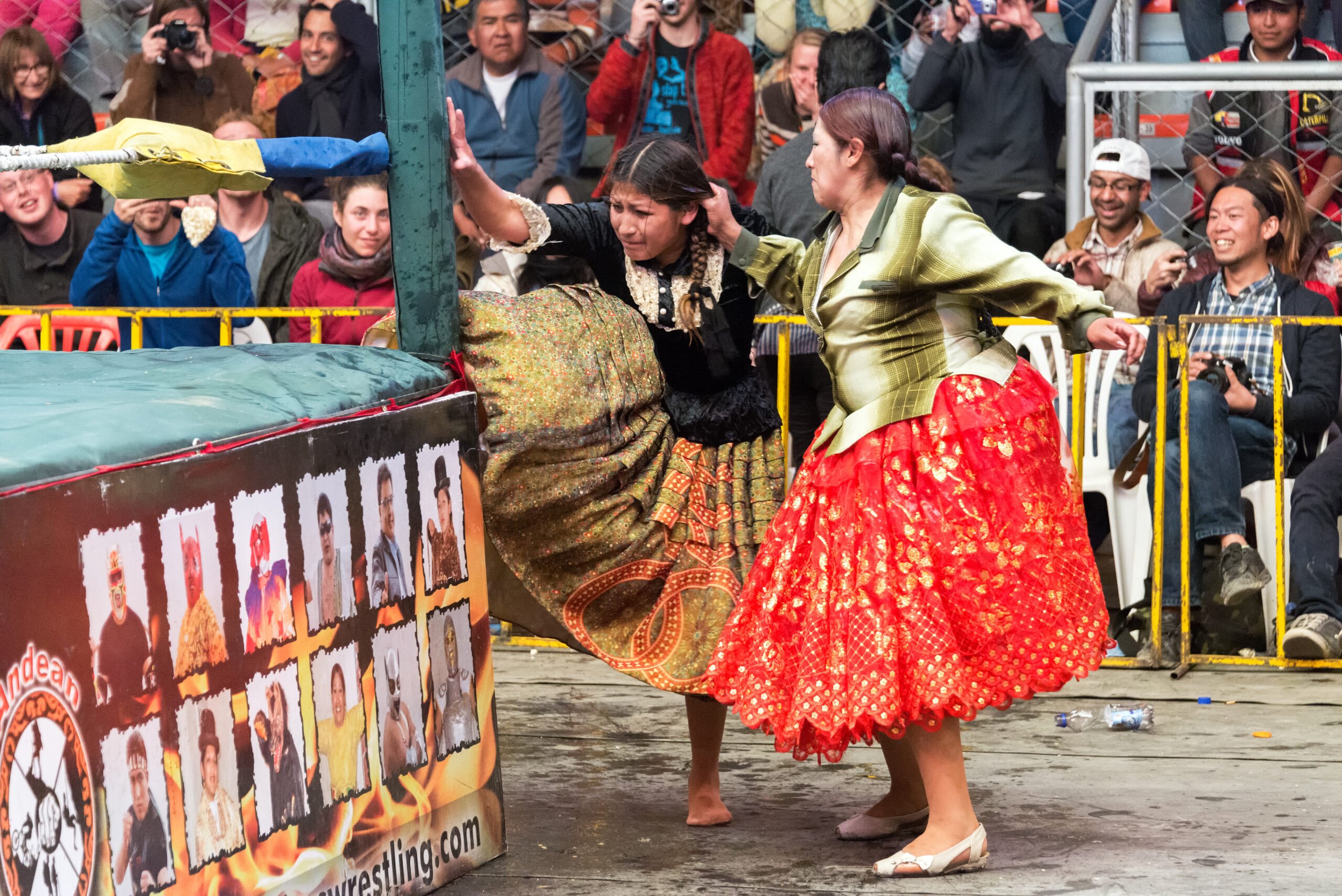
Just 40 years ago, the Indigenous Aymara women of Bolivia held a specific place in society. Often barred from certain restaurants, cafes, even many forms of public transportation, they mostly worked for the middle and higher class as domestic workers. This meant that had little chance at continuing education or any real form of integration into Bolivian life.
Our winter welcome to Bolivia wasn't exactly warm. For Americans, the visa requirements are extensive. In addition to paying $160 each in unblemished, unfolded US currency, we were required to provide passport-style photos, evidence of yellow fever vaccinations, financial documents proving access to $10,000, confirmed reservations for our entire stay, and tickets out of the country.

I entered Peru via Bolivia – on a boat from Lake Titicaca and then a bus across the border. Peru marked my 40th country visited. At an altitude of 4,000+ meters, I was riding high and proud of traveling through 40 countries as a solo female traveler. I felt like an old pro, until the altitude really did get to me.
It is a bright spring day in the bustling metropolis of Buenos Aires. The usual mix of cars, buses, taxis, and delivery vans comprise the heavy traffic. Just people going about their business along Avenida Bullrich. On one side of the road, elegant apartment buildings crowd behind the elevated train tracks. On the other side, behind the railings, a different story emerges. Here, soaring minarets dominate the skyline, and open space and silence abound.
Hear “Valparaíso” and you’ll think of street art, seafaring, and sore legs – those 45 hills aren’t to be trifled with. Beyond the city of Valparaíso, the natural beauty of Chile’s Fifth region has inspired such creatives as Violeta Parra and Pablo Neruda while captivating explorers.
Two hundred years of Argentinean creativity and talent cannot be easily summed up. However, visitors to Buenos Aires, a major Latin American cultural hub, can appreciate and learn about Argentinean art at some of the city’s art museums.