
United States

Flags of the United States line both side of a road.
“The diversity of America is a strength of the country, and I don’t think that we use that. We don’t talk about our strengths. I mean, having so many diverse people in this country from all aspects of all over the world, and we don’t use that. I think we should talk about who we are – that melting pot that we’ve become.”
–Steve Stoute
The lyrics in the anthem America the Beautiful expresses it best–the United States of America really is beautiful.
O beautiful for spacious skies…For amber waves of grain…For purple mountain majesties…Above the fruited plain!…America! America!…God shed His grace on thee…And crown thy good with brotherhood…From sea to shining sea!
The United States really is a beautiful and wonderfully diverse country. When you travel to each of the 50 States and even within each State you will feel as if you’re traveling to another country.
The United States is a country built by immigrants and each corner of this country is influenced by a variety of cultural diasporas including former enslaved people from Africa and the West Indies. Even traces of Native American culture can be found despite earlier efforts to erase them from the narratives of American history.
The United States has not always been the land of the free but it has always been the home of the brave.
As Paul Tsongas said, “America is hope. It is compassion. It is excellence. It is valor.”

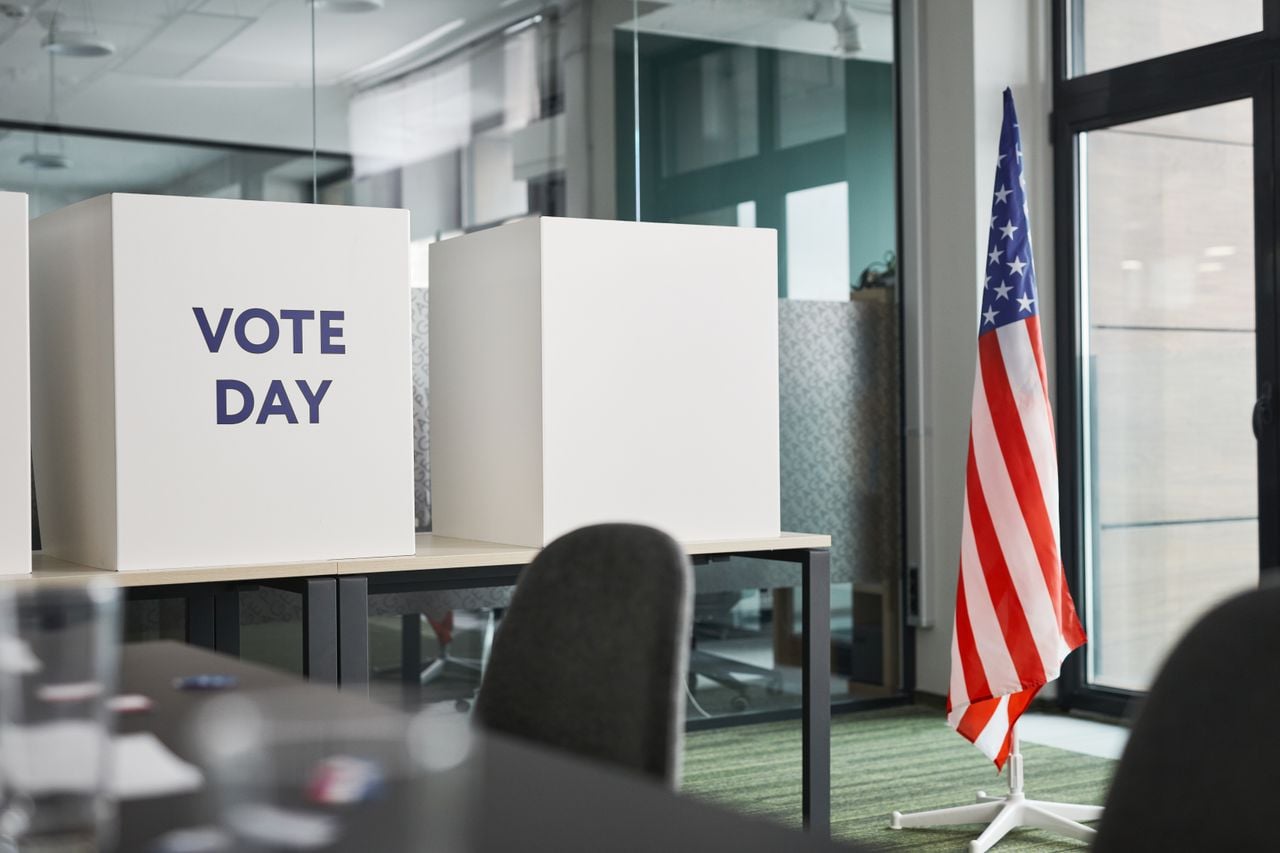
Author Elizabeth Rusch joins World Footprints to examine the flaws in American democracy, voting rights and election reform. Discover what other democracies can teach the United States and how home exchange travel offers fresh perspectives on culture, community and political life.

Heading home for Thanksgiving? From TSA rules and flight delays to travel apps and airline refund rights, here's what you need to know before leaving.

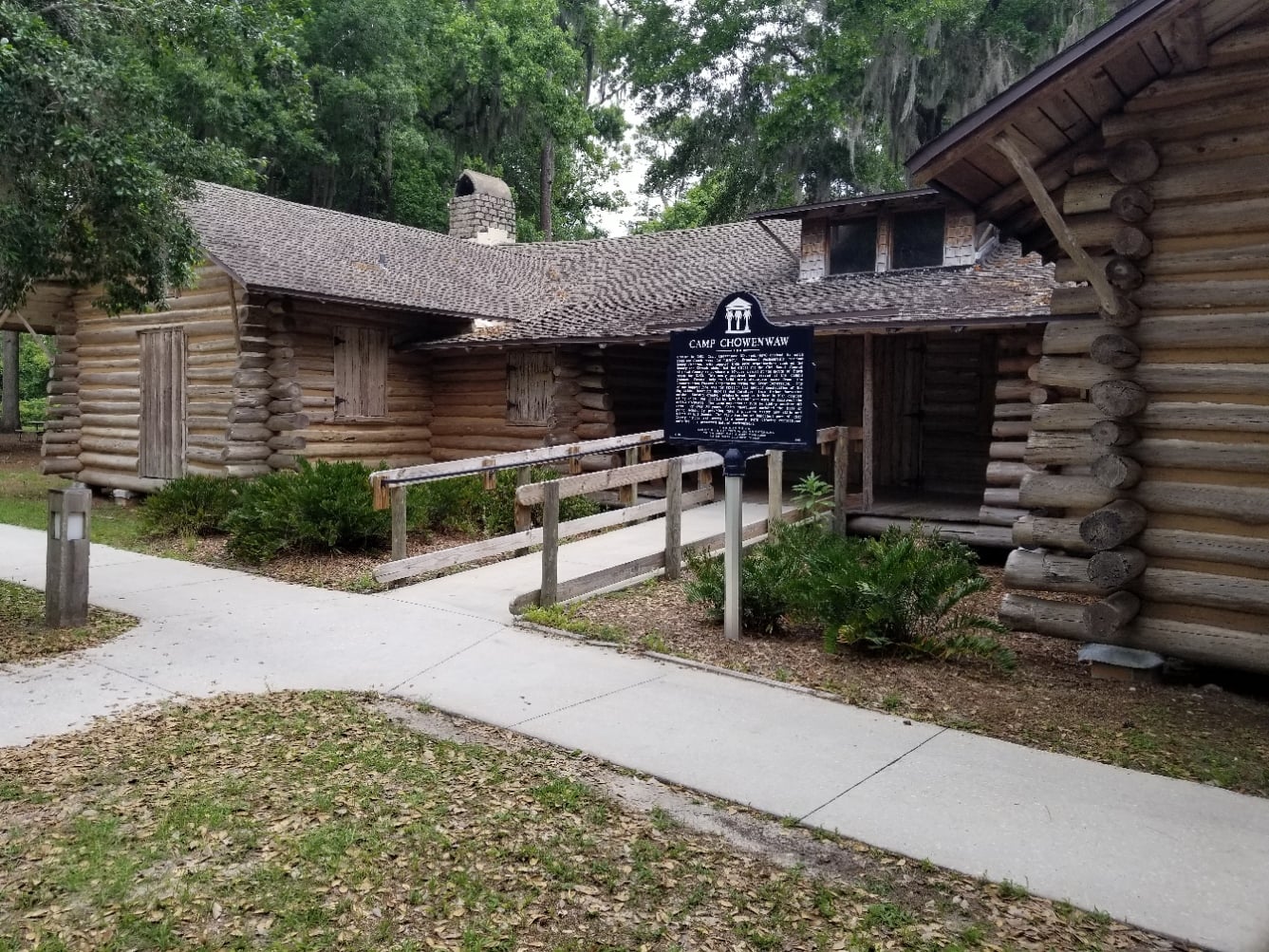
Ever wish you could return to your teen years when you discovered nature at a scout camp? Well, you can at Camp Chowenwaw County Park in Green Cove Springs, Florida. Camp Chowenwaw County Park was Florida’s first Girl Scout Camp.

Exploring Washington, D.C., without a rental car reveals how walking can turn famous landmarks, neighborhood meals and unexpected discoveries into a richer city experience.

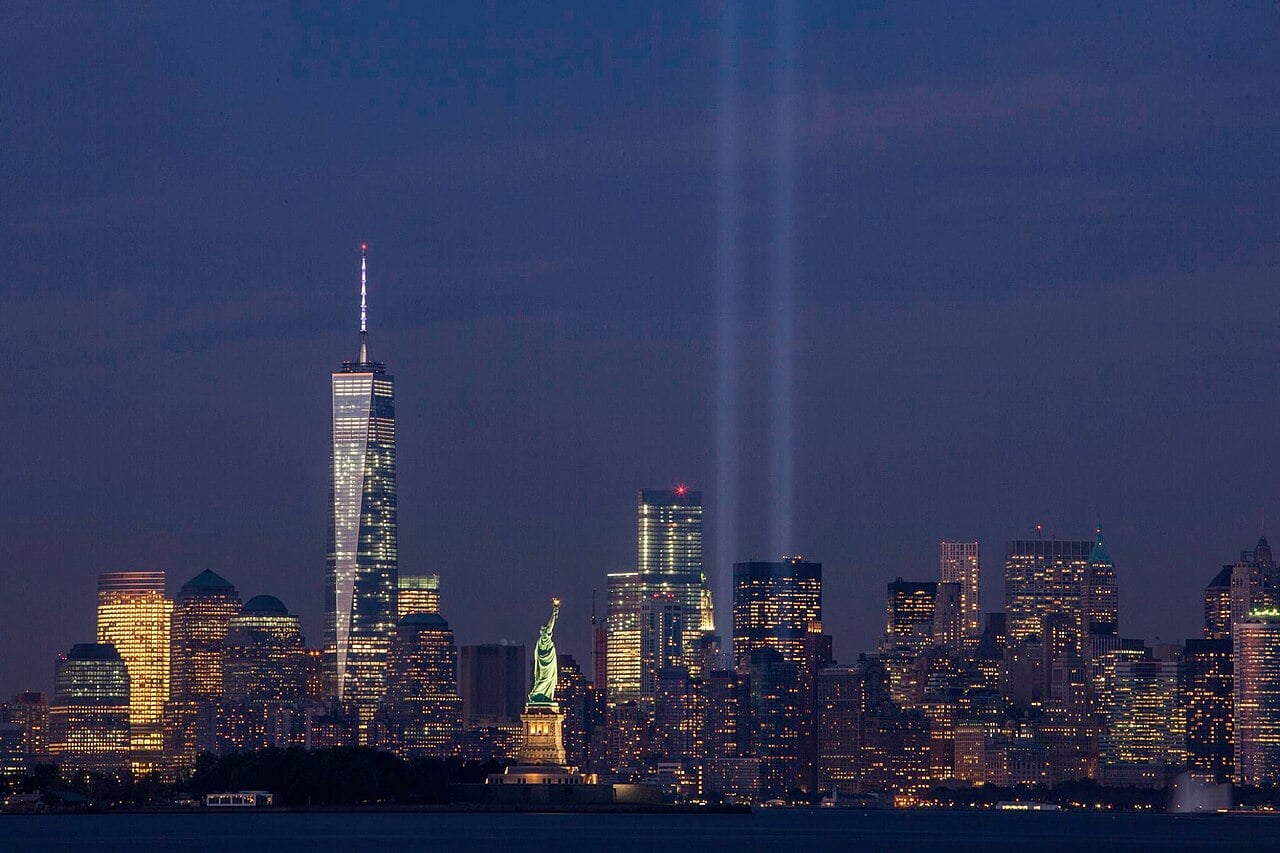
More than two decades after September 11, the memorials in New York, Pennsylvania and Virginia preserve the individual stories, sacrifice and courage behind a day that changed America and the world.
Survivors of the World Trade Center and Pentagon, military responders, journalists and others recall where they were, what they experienced and how September 11, 2001 changed their lives.

Martin Shore and Ian Neville explore the music, history and living cultural legacy behind Take Me to the River: New Orleans—and the Grammy-winning recording that followed their World Footprints conversation.

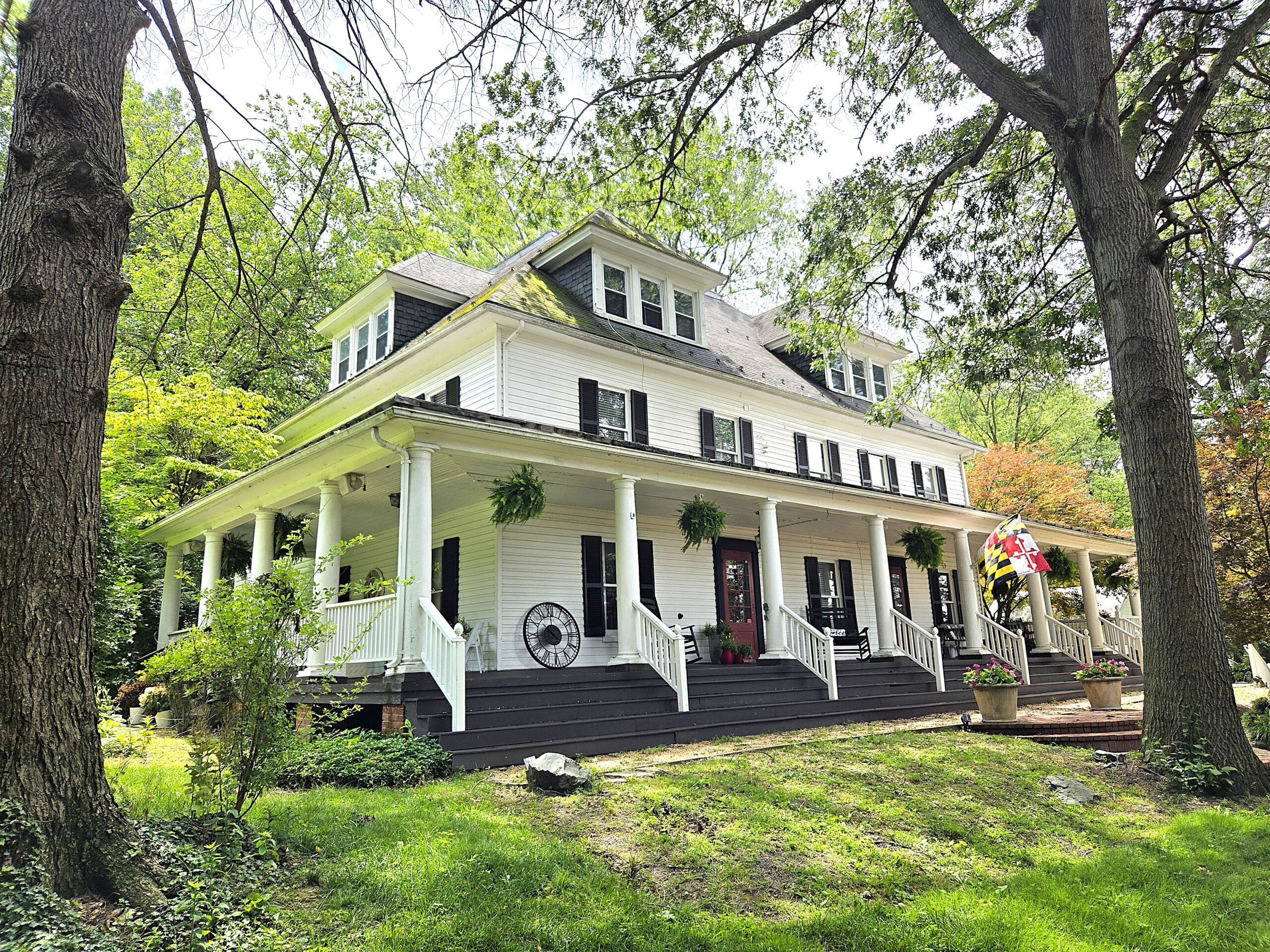
New Windsor, Maryland, may not be a trendy tourist destination. But that’s the entire point for travelers like me who seek solace and quiet connection.

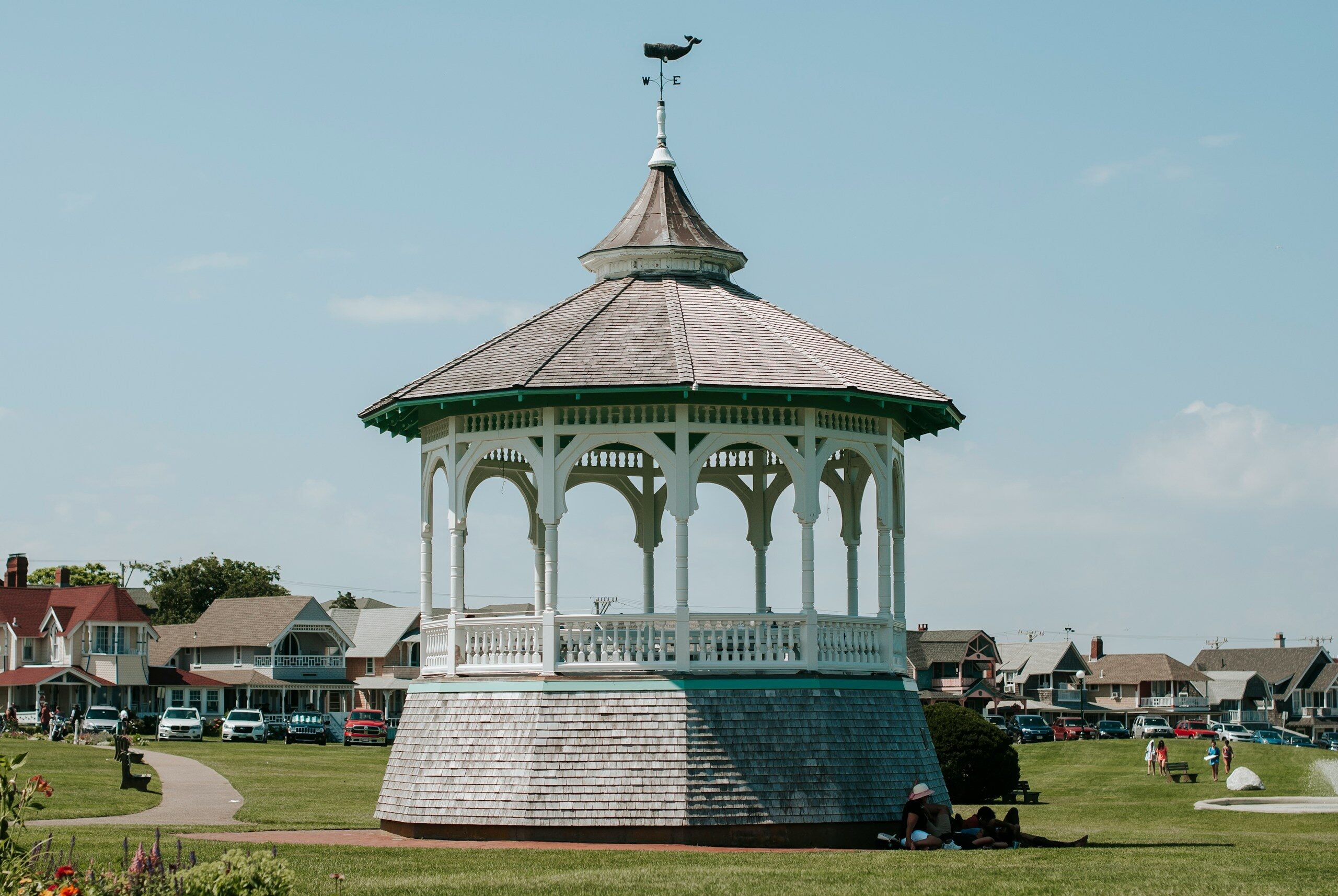
The 24th annual Martha’s Vineyard African American Film Festival returns to Oak Bluffs August 7–15, 2026, with an exclusive look at Children of Blood and Bone, major documentaries, independent films, cultural conversations and additional surprises still to be announced.

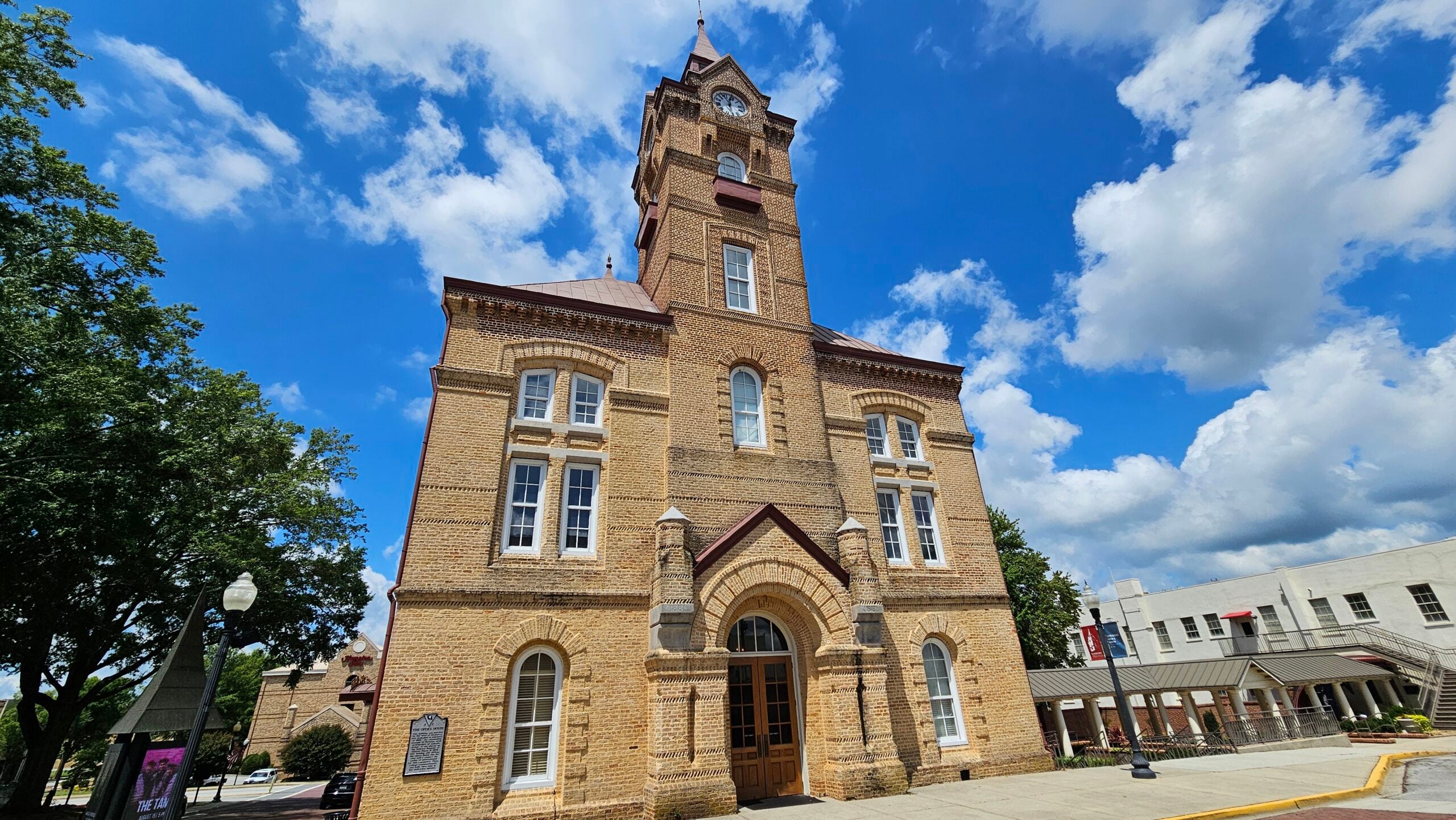
If walls could talk, some very famous voices would be echoing throughout the Newberry Opera House, where legendary entertainers like Tex Ritter, Loretta Lynn, Willie Nelson, Wynonna Judd, and Jefferson Airplane performed.

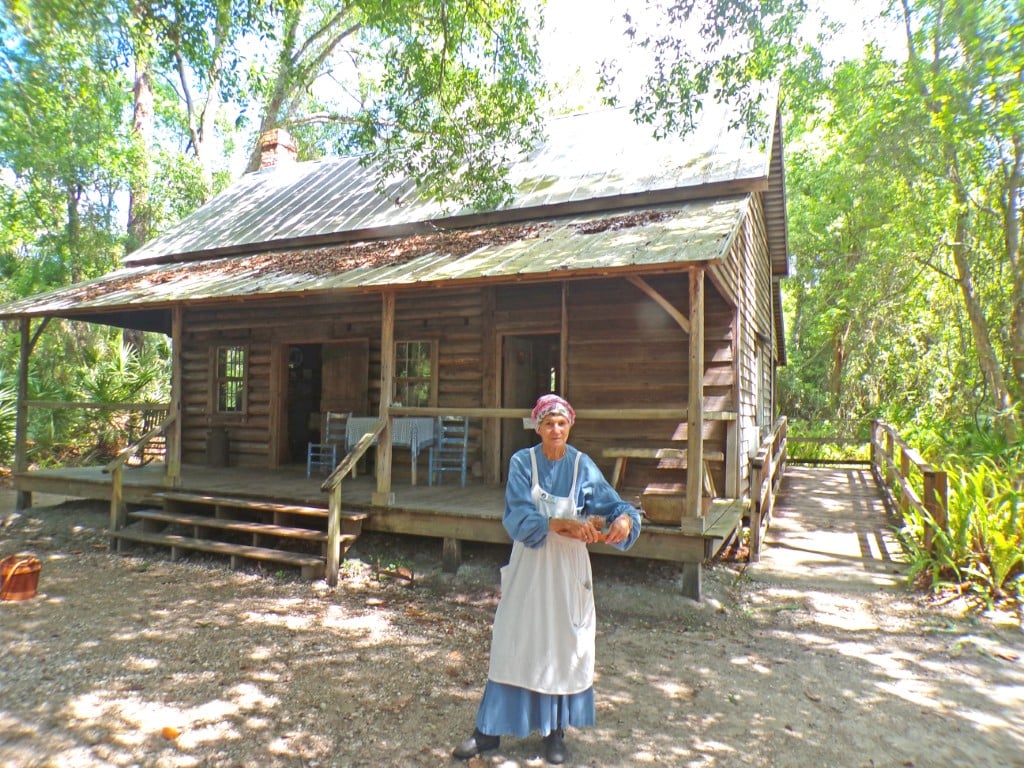
Barberville Pioneer Settlement feels like stepping straight into Florida’s frontier days. On my most recent visit, Associate Director Gudrun Benson walked me through the village’s history.

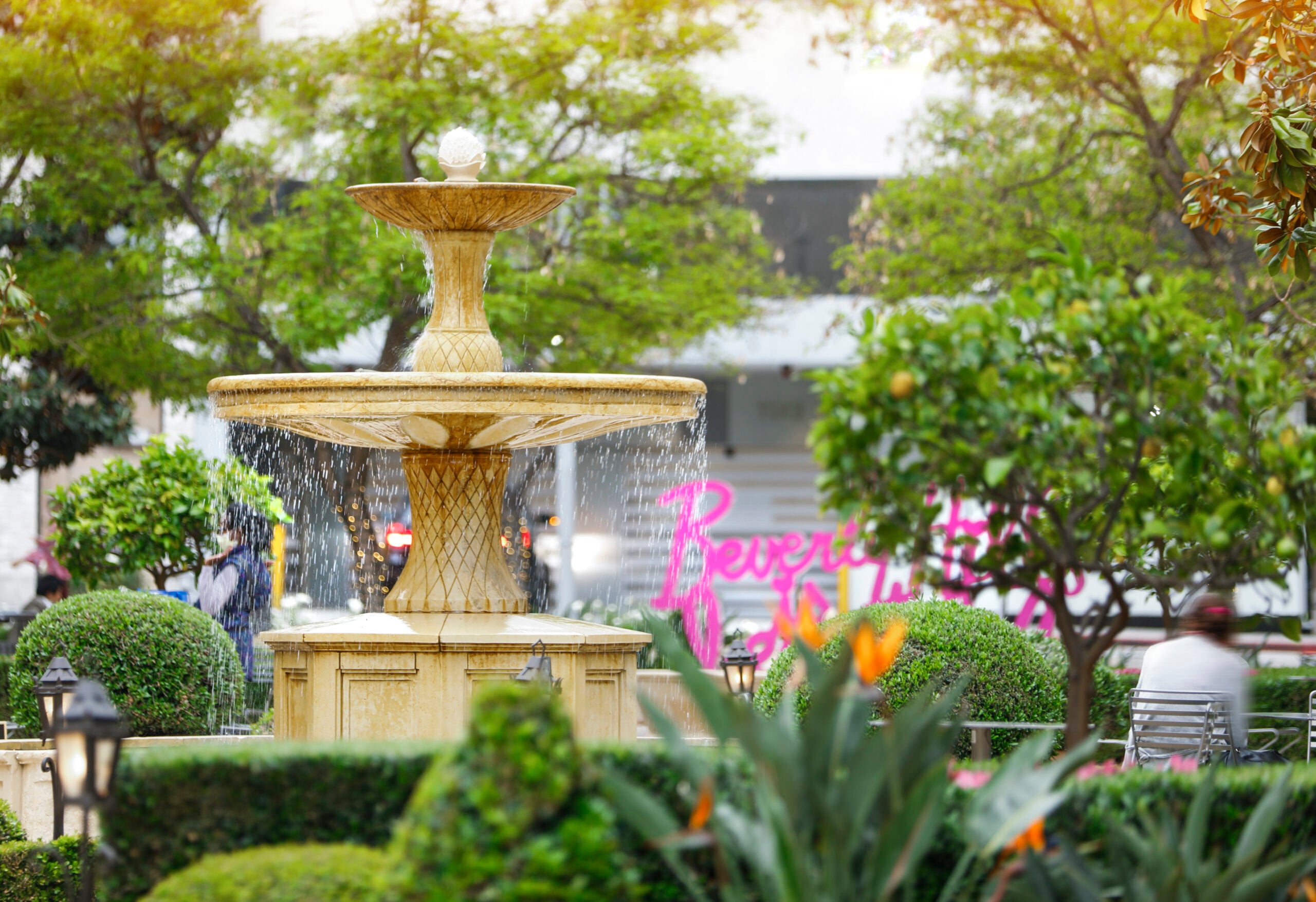
Beverly Hills needs no introduction. The small but swanky city in the greater Los Angeles area boasts one of the country’s most recognizable zip codes, with equally identifiable landmarks in Rodeo Drive and the Hollywood Sign — often visible from the 90210’s sleekest, chicest rooftop bars.