

Historic Places that Shaped the Life of Patrick Henry
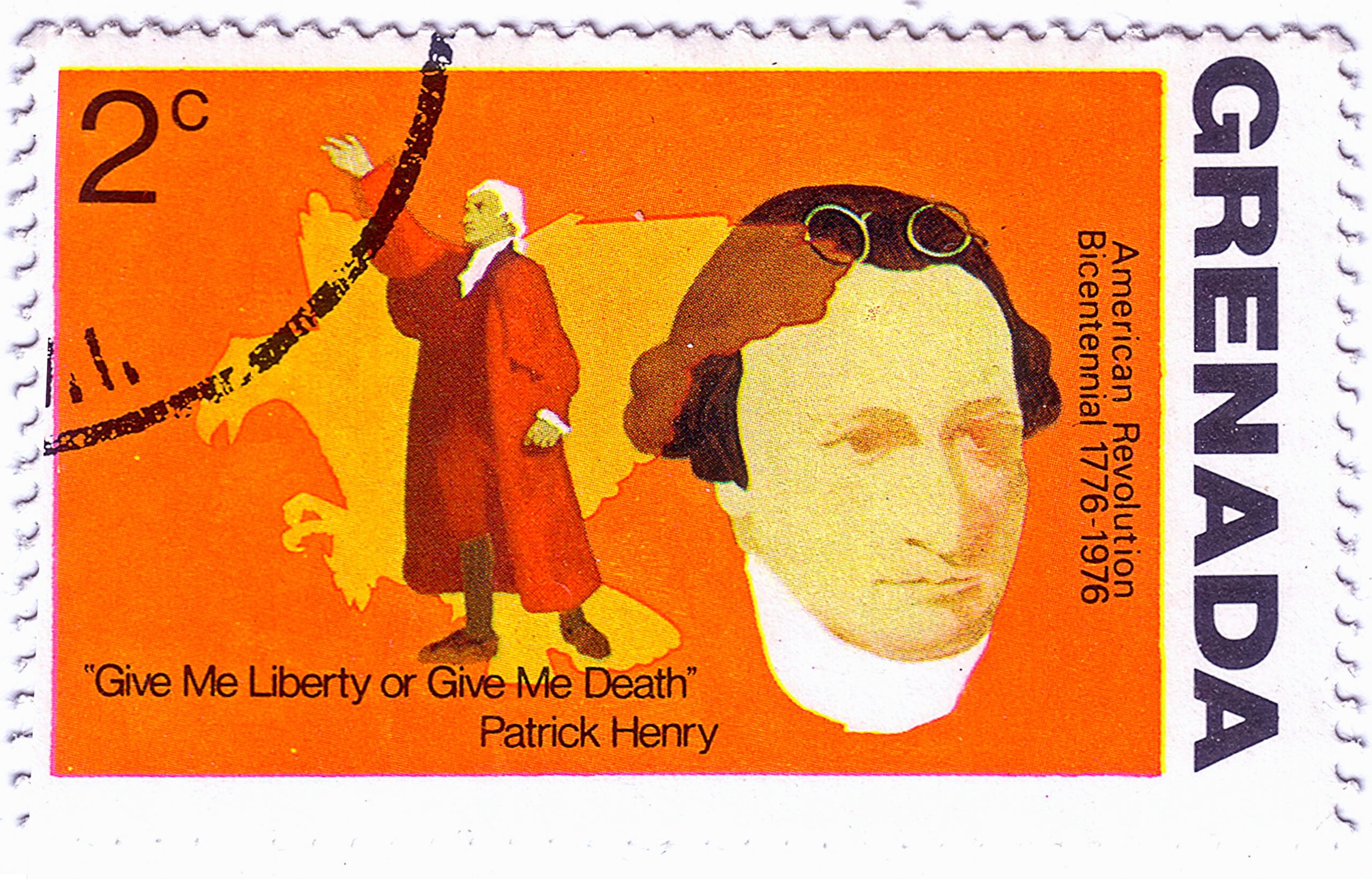
Photo: Shutterstock
Posted April 25, 2026
Patrick Henry delivered his iconic “Give me liberty or give me death” speech at the Second Virginia Revolutionary Convention at St. John’s Church in Richmond on March 23, 1775, igniting a spark that fueled the American Revolution. While living in Scotchtown, his only surviving original residence, Henry composed this famous address. The home offers insight into both the historical figure and Patrick Henry’s daily life, while a tour of the St. John’s Church in Richmond takes you back to the day the famed speech was delivered.
Where it Started
As a young man, Patrick Henry, with his wife, Sarah Shelton, and their children, lived at Hanover Tavern, an inn owned by his father-in-law and frequented by influential men visiting the Hanover courthouse across the road. Patrick worked at the inn as a bartender, fiddle player, and host. He became a lawyer in 1760, at age 24, and practiced law at the Hanover Courthouse.
A visit to the tavern offers a deeper look into the life of an American hero often overshadowed by other Revolutionary figures. Much of the original structure was rebuilt in the late 18th century, but some of the original buildings remain.
The tavern’s two floors display colonial artifacts, freshly dipped candles drying on racks, and a table set with period jugs and food. A desk displayed a quill similar to what Patrick used for his bar studies.
The “Lady in Black” mannequin on the second floor reminds visitors of the tavern’s haunted history. Downstairs, Barksdale Theatre is recognized as the oldest continuously operating dinner theater in the country.
Hanover Courthouse and Old Stone Jail
Hanover Courthouse Photo: Kathleen Walls
Across the street stands the old jail dating to 1835. Inside, the small cell made of iron bars would have curbed any outlaw’s habits. In the next room, a museum exhibits excavated artifacts, including arrowheads from native tribes who once roamed this land.
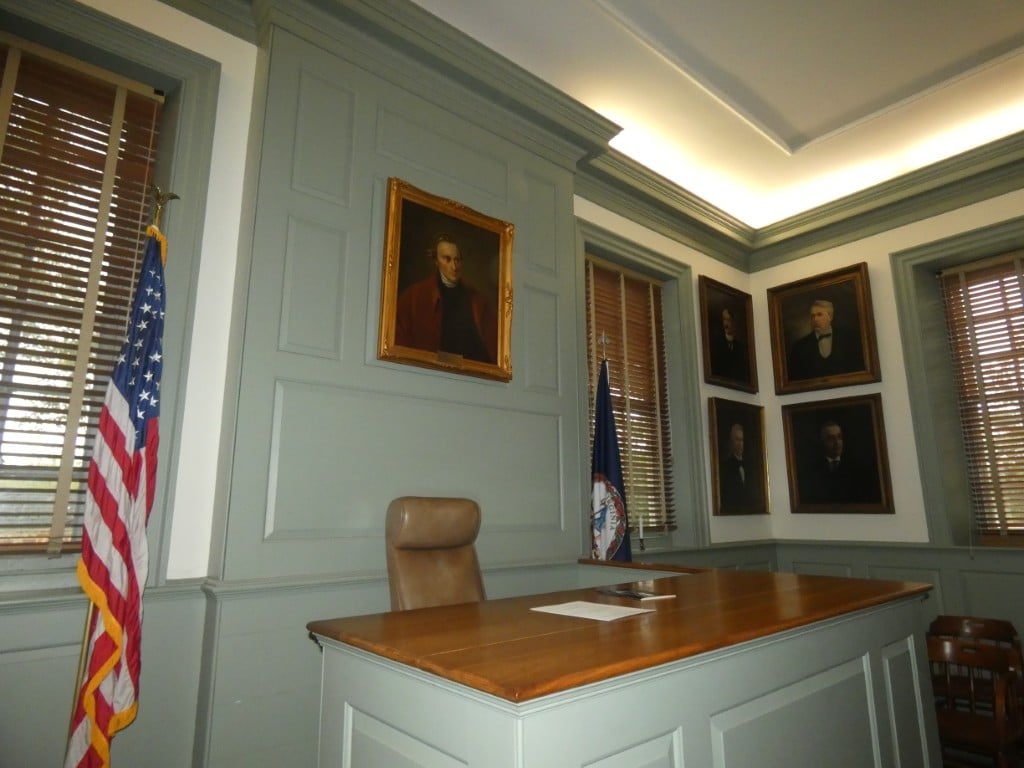
Nearby, Hanover Courthouse, dating back to about 1740, is one of the oldest in Virginia. The simply furnished courthouse displays several famous portraits on its walls, including one of Patrick Henry.
Scotchtown: Patrick Henry’s Home
Scotchtwon Photo: Kathleen Walls
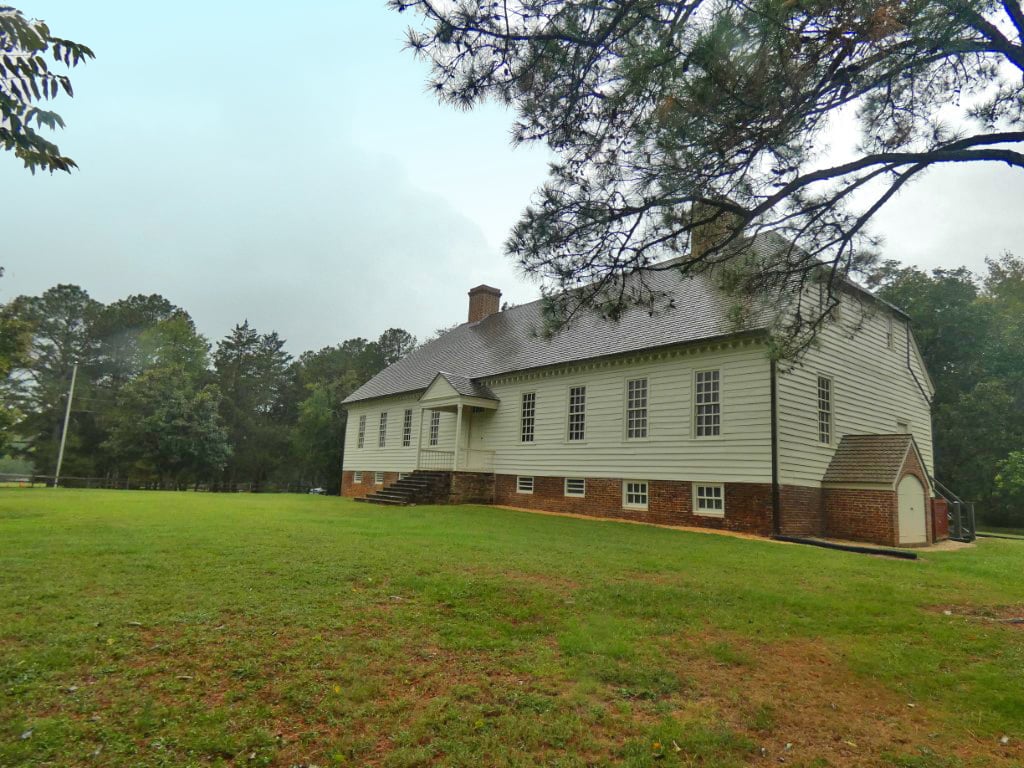
Scotchtown is a one-story, 18th-century plantation house with eight rooms and a large attic. Outbuildings are reconstructed as they were when Henry, his first wife, and their six children lived there. It’s the largest home Patrick Henry lived in.
For a man of Patrick Henry’s status, the house is simple. There’s a formal parlor, a masculine entertaining space, a family dining room, a family bedroom where the children would have slept, and the master bedroom shared with his wife, Sarah.
Even in the formal rooms, there are no sofas, just chairs and small tables. Many rooms have fireplaces, and the guns are right there in the formal parlor.
The main hall, where guests would have entered, has a painted oil cloth, a sort of precursor to linoleum. It’s not original, but there would have been something just like this in this space.
The property includes historically researched gardens that grow the plants and foods of the period. Reconstructions of the kitchen and icehouse stand outside the main home.
Research is ongoing on the 20 to 30 enslaved people who lived in Scotchtown from 1771 to 1778, whose stories play an important role in Scotchtown’s history.
St. John’s Church
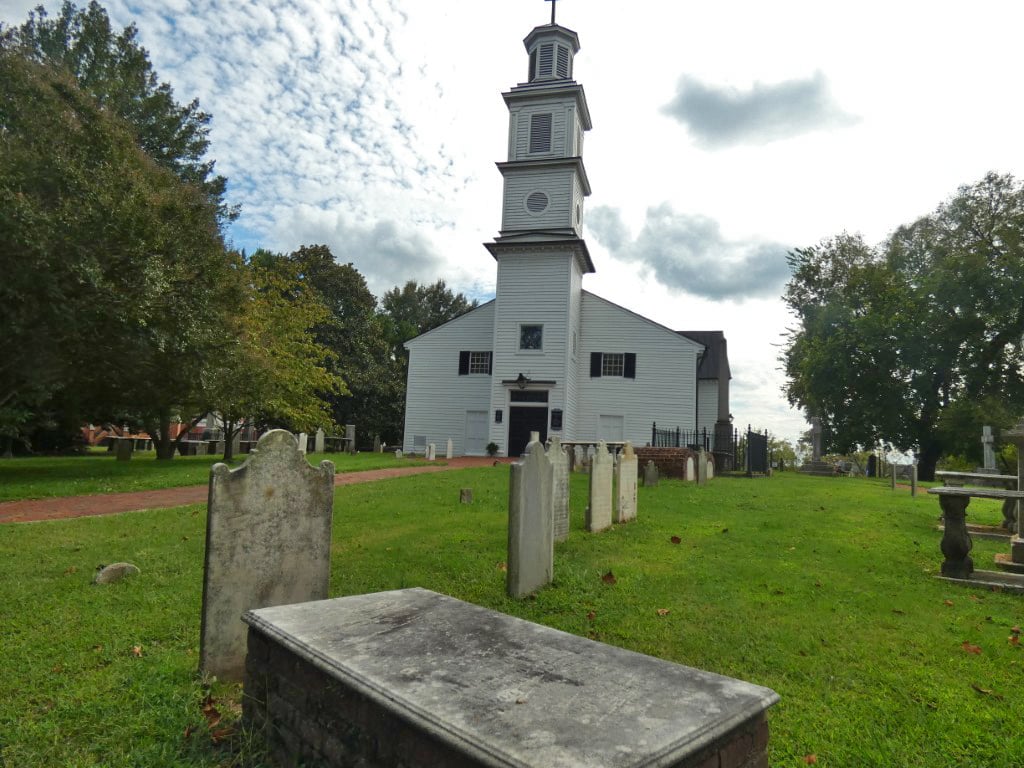
Patrick Henry gave his famous speech at St. John’s Church. It’s the city’s oldest church, having opened on June 10th, 1741, and sits on the highest point in Richmond, Virginia. The graveyard serves as the final resting place for several famous people in history, including George Wythe, a Virginia signer of the “Declaration of Independence,” among others. The first recorded burial was in 1746, although it’s believed there were others before then. The oldest marker is from 1751.
Our tour guide, Andrew, led us through St. John’s Church and explained why Patrick Henry favored separating from England. He also shared much of the history leading up to the iconic speech and repeated it, much as Patrick Henry would have, to the other members. It’s easy to see how his speech swayed many of the men who were against separation. It was the spark that ignited the flame of revolution.
St. John’s Church Photo: Kathleen Walls
Travel Tips
St. John’s Church still serves an active congregation, so if open, the church and graveyard are free, but I recommend taking the “Liberty or Death” tour or reenactment. There’s street parking around the church and accessible parking on 24th Street near the drop-off zone and elevator.
The Virginia Museum of History and Culture also features exhibits about Patrick Henry, including a video of his famous speech.
Click Here for Discounted Accommodations in Richmond, Virginia
Join the community!

Join our community to receive special updates (we keep your private info locked.)