
Asia

Torii Gate, Japan. Asia. Photo by Tianshu Liu
“Travel is more than the seeing of sights; it is a change that goes on, deep and permanent, in the ideas of living.”
–Miriam Beard
Explore beautiful Asia, the Earth’s largest continent. Covering more than 30 % of the planet’s land surface, Asia is the most populous region. It has a unique blend of many first civilizations. Asia’s history is vast and the continent is abundant with diverse ethnic groups, cultural heritage, traditions and religious beliefs; all worth learning more about.
The countries within beautiful Asia include: Afghanistan, Armenia, Azerbaijan, Bangladesh, Bhutan, Brunei Darussalam, Cambodia, China, Georgia, Hong Kong, India, Indonesia, Japan, Kazakhstan, Korea, North, Korea, South, Kyrgyzstan, Laos, Macao, Malaysia, Maldives, Mongolia, Myanmar (formerly Burma), Nepal, Pakistan, Philippines, Singapore, Sri Lanka, Taiwan, Tajikistan, Thailand, Timor Leste (West), Turkmenistan, Uzbekistan and Vietnam

Over four years in the early 1970s, Cambodia, a Southeast Asian country now frequented by backpacking tourists, faced one of the worst human atrocities imaginable-- a state-sponsored genocide wiping out one-third of the nation’s population.

Although dwarfed by Manila’s staggering 28 million people, Cebu City, the second largest urban center, and its one million proud citizens, have something to say about what’s cool in the Philippines.
For Muslims around the world, and Sumatra in particular, Ramadan is a special time. It’s a holy month of fasting, introspection, and praying.

The Esplanade in Penang, Malaysia, is a historic seafront promenade that defines the character of the city's colonial past. A long granite seawall spans from the whitewashed Neo-Classical City Hall from one end to the cannon-bastioned Fort Cornwallis at the other.

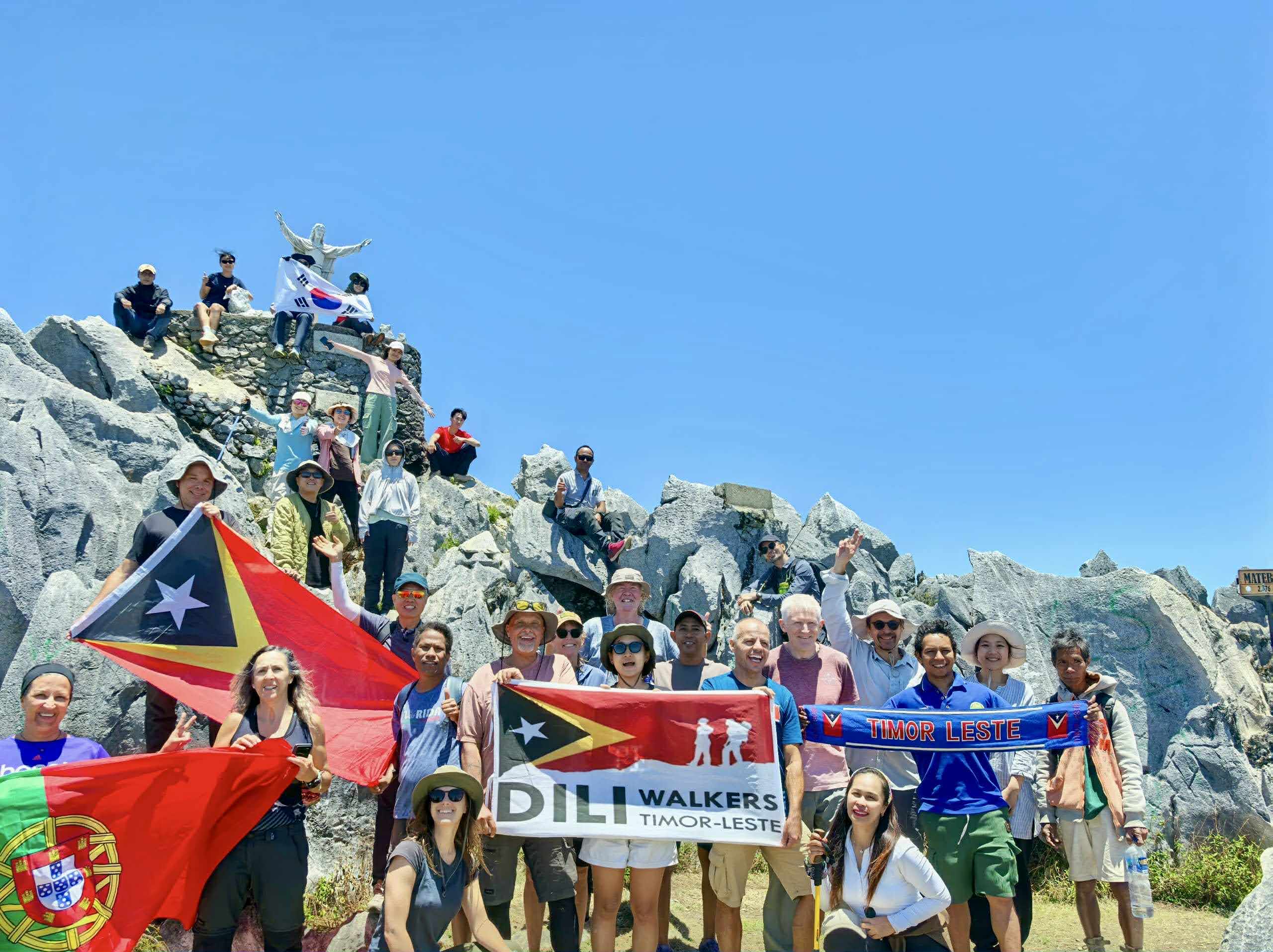
It is 5:30 in the morning. Shawn leaves his home on a bike, pedaling toward a horizon painted in dusky orange, just minutes before sunrise. The only sound that awakens the silence comes from the soft clinking of the bike chain. He steers the handlebars toward a trailhead where his group of fellow walkers awaits. Every Saturday, the group meets to explore Dili, the capital of Timor-Leste, on foot. A group made up of foreigners and locals, they share one thing in common: the love of being outdoors and building community. They call themselves “Dili Saturday Walkers.”

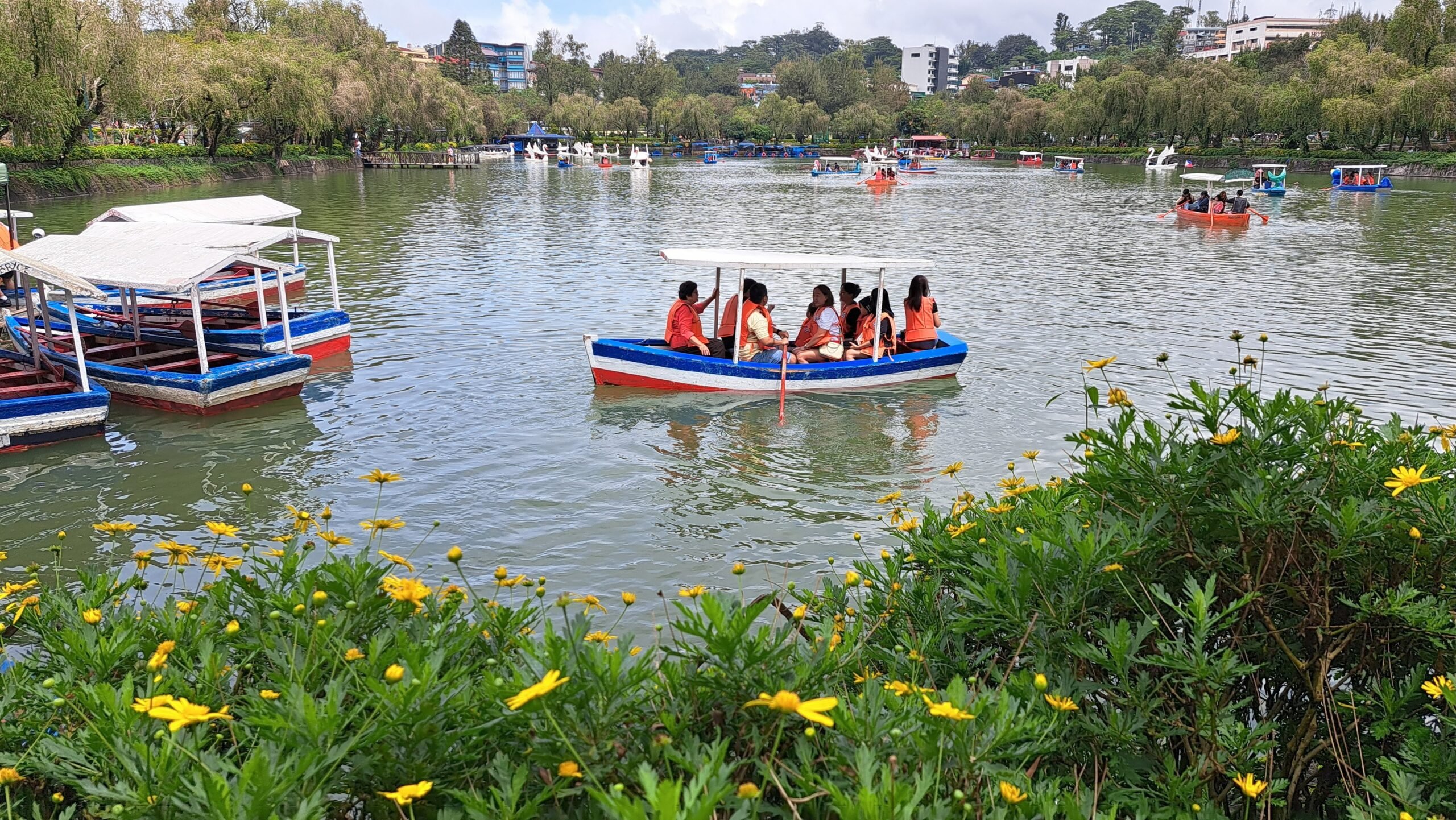
Baguio is a mountain town located on the pine-dotted plateau of the Cordillera Administrative Region in northern Luzon, Philippines. I took a weekend jaunt to Baguio from Manila. After nearly six hours northbound, the bus started ascending through the mountain loops. Outside my bus window, the sun-drenched plains reeled away into ranks of tapering pines, and the sweltering heat dissipated into cooler mountain air.

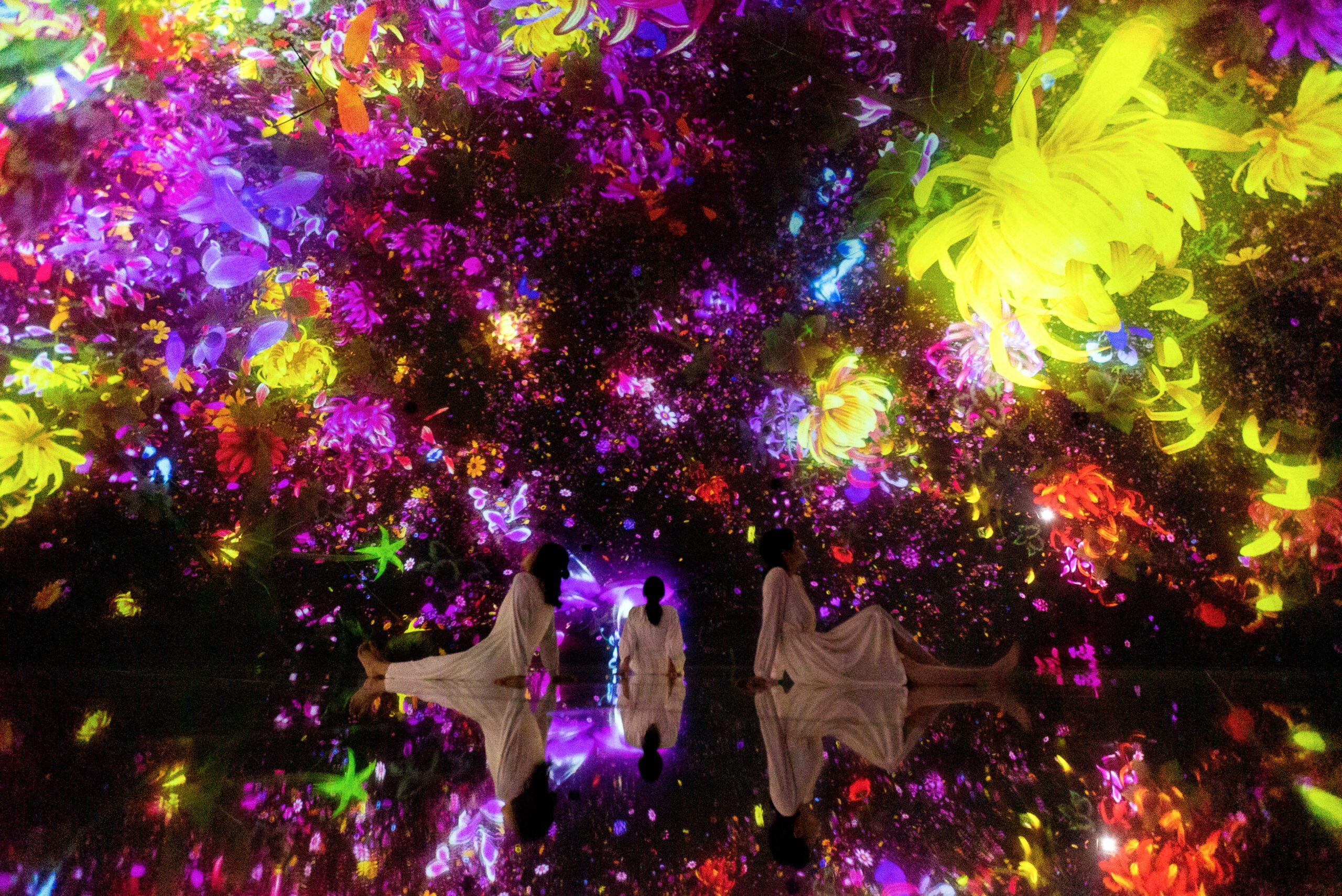
In the past few years, the term "immersive art experience" has been applied a bit too liberally, to abandoned convention centers and malls with famous artists' work projected onto blank walls. Van Gogh, Picasso, and Monet all got this special treatment, where visitors could walk amongst the moving images, popularized after appearing in a 2020 Netflix series. You couldn’t open Instagram without seeing people you knew posing in front of one of the works around the United States. But art isn’t just meant to be seen. It is also meant to be experienced, felt, and participated in. One gallery in particular has inspired a wave of others.

Six and a half million acres. That’s the size of Indonesia’s Leuser Ecosystem, one of the most ancient and biodiverse places ever documented and the last place on Earth where Sumatran rhinos, tigers, elephants, orangutans, and sun bears roam freely together.

A new kind of volunteer tourism has entered the travel industry with an innovative approach; Volungearing, conceived by TribesForGOOD, taps an individual’s skills to pair him or her successfully in the social impact sector.
Many years have passed since the infamous war that divided Vietnam, but the scars are still evident: for the variety of food, busy cities, and rolling landscapes are a distinct contrast to dark times in Vietnam such as the Chu Chi tunnels or the War Remnant Museum in Ho Chi Minh City.

The Golden Triangle region of Northern Thailand sits at the intersection of three Southeast Asian countries along the Mekong and Ruak Rivers: Thailand, Laos, and Myanmar. A visit to this area is an incredible way to learn about the culture, history, and traditional arts of the region, which have been created over centuries by talented artisans and craftsmen.

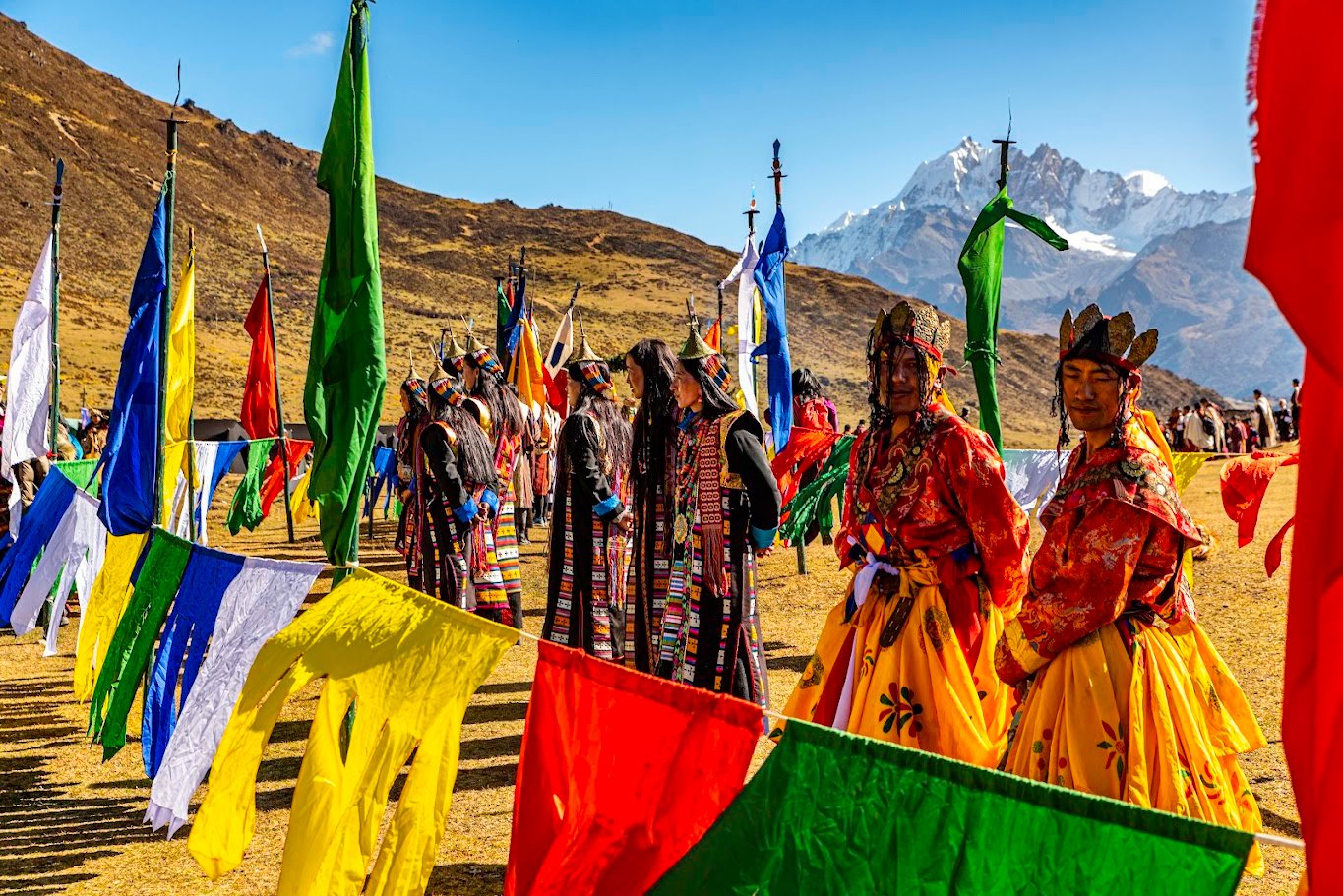
Unlike in most parts of Europe, the alpine frontier in Bhutan begins at around 4,000 meters above sea level. These windswept plateaus, made up of vast rugged terrain, are not only home to the highlanders but also a treasure trove of biodiversity — stunted firs and dwarf rhododendrons, blue sheep, marmots, takins, snow leopards, and, most notably, yaks and the highly sought-after golden fungus (Cordyceps sinensis), which are the pulse and lifeblood of the highland economy.