
admin-tonya

From Salem and New Orleans to London, Dublin and Transylvania, these Halloween travel experiences combine spooky fun, history and culture with practical health and safety considerations.

In southern Chile, tourism and the Mapuche struggle for ancestral land rights intersect. Leijia Hanrahan examines cultural tourism in Araucanía and Biobío, the risks of treating Indigenous identity as an attraction, and how travelers can make more thoughtful choices about where their money goes.

Heading home for Thanksgiving? From TSA rules and flight delays to travel apps and airline refund rights, here's what you need to know before leaving.

World Footprints heads to WTM London 2026 as accredited media, connecting with tourism boards, DMOs, agencies and travel brands interested in U.S. exposure, destination storytelling and media partnerships.

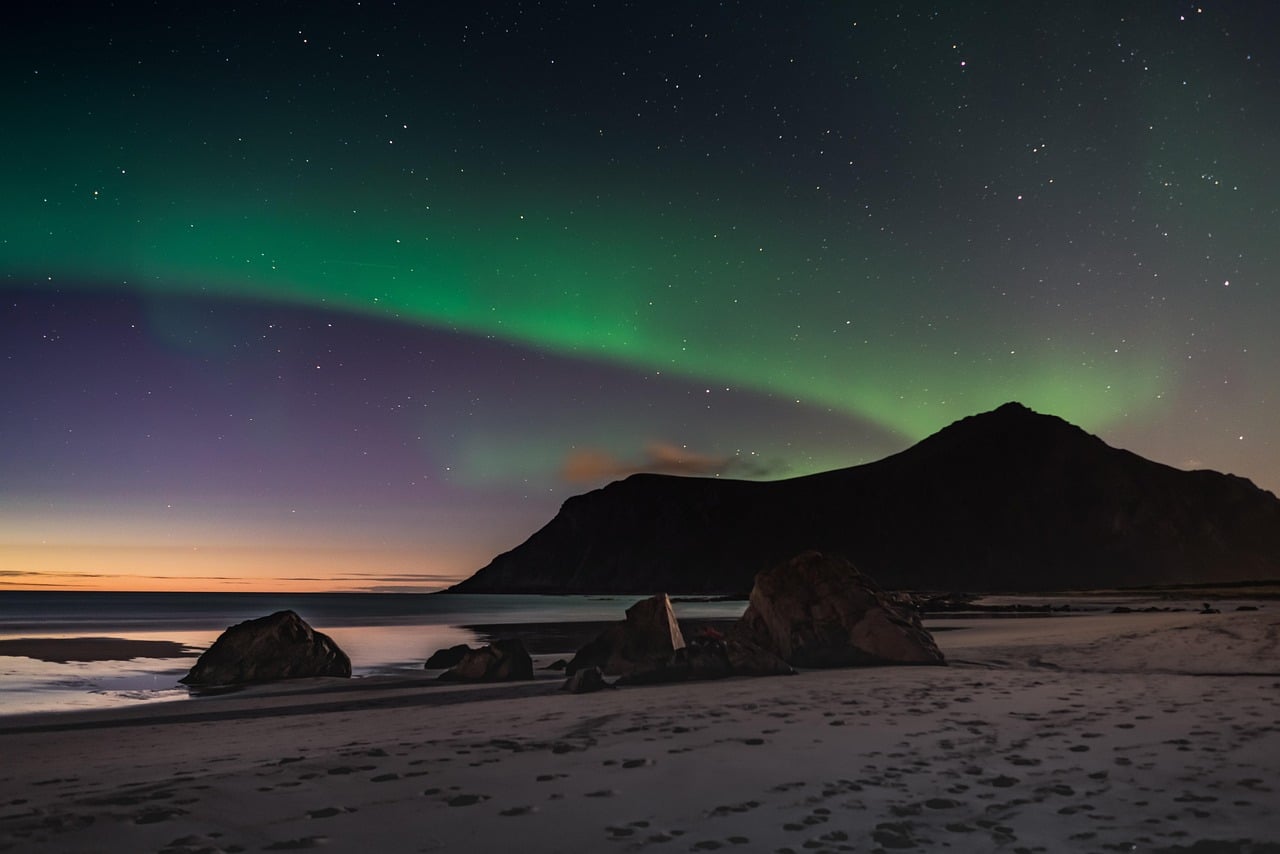
Seeing the Northern Lights in Tromsø is about far more than getting the perfect photograph. Discover the science, Sámi culture and personal experiences that make an aurora chase unforgettable.

Walk in the footsteps of Elizabeth I at the Tower of London, Westminster Abbey, Hatfield’s Old Palace, Kenilworth Castle and Bath Abbey.

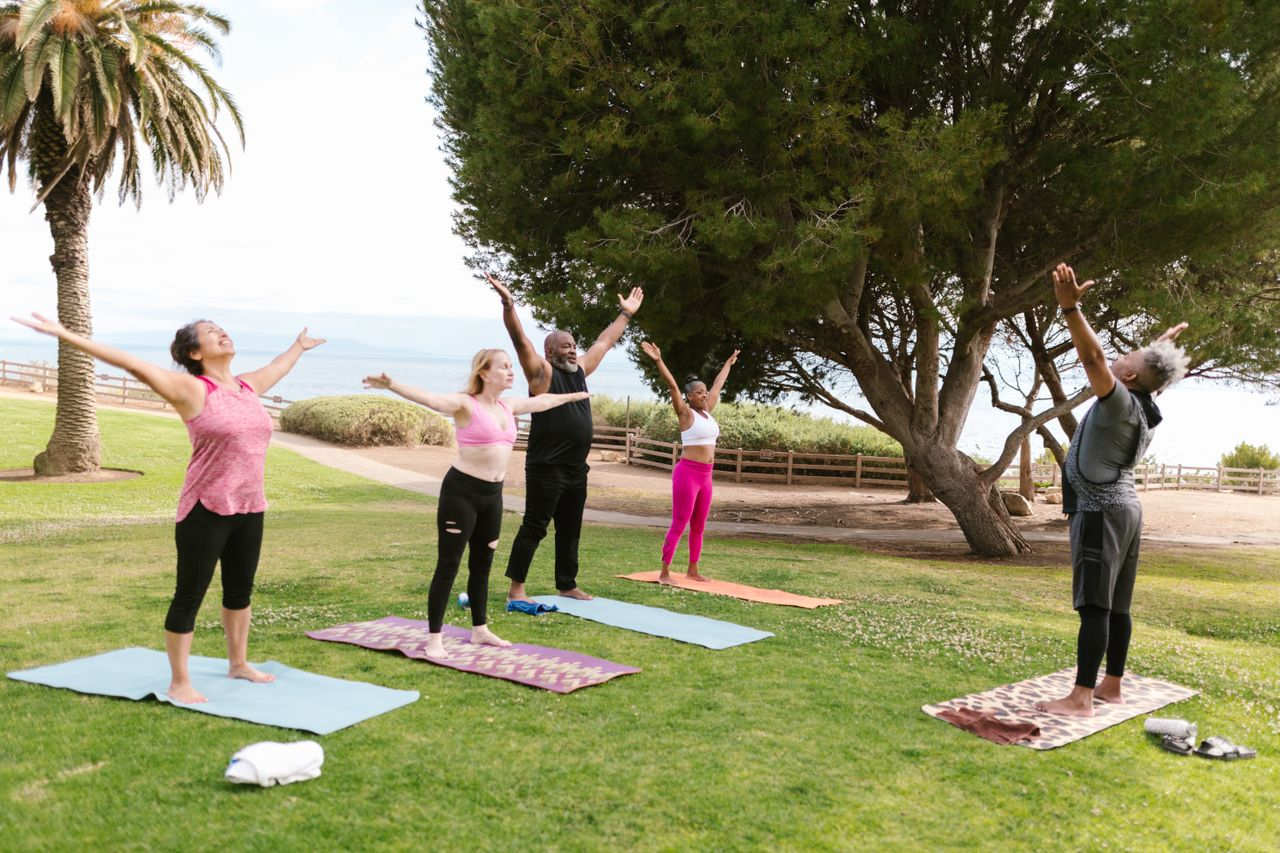
Wellness travel is no longer just about luxury spas and rigid retreats. Explore five destinations where yoga, traditional massage, hammams, hot springs, nature and slower travel offer very different ways to recharge.

How history, religion, urban life and local customs shape pet culture around the world—and what travelers should know before bringing pets abroad.
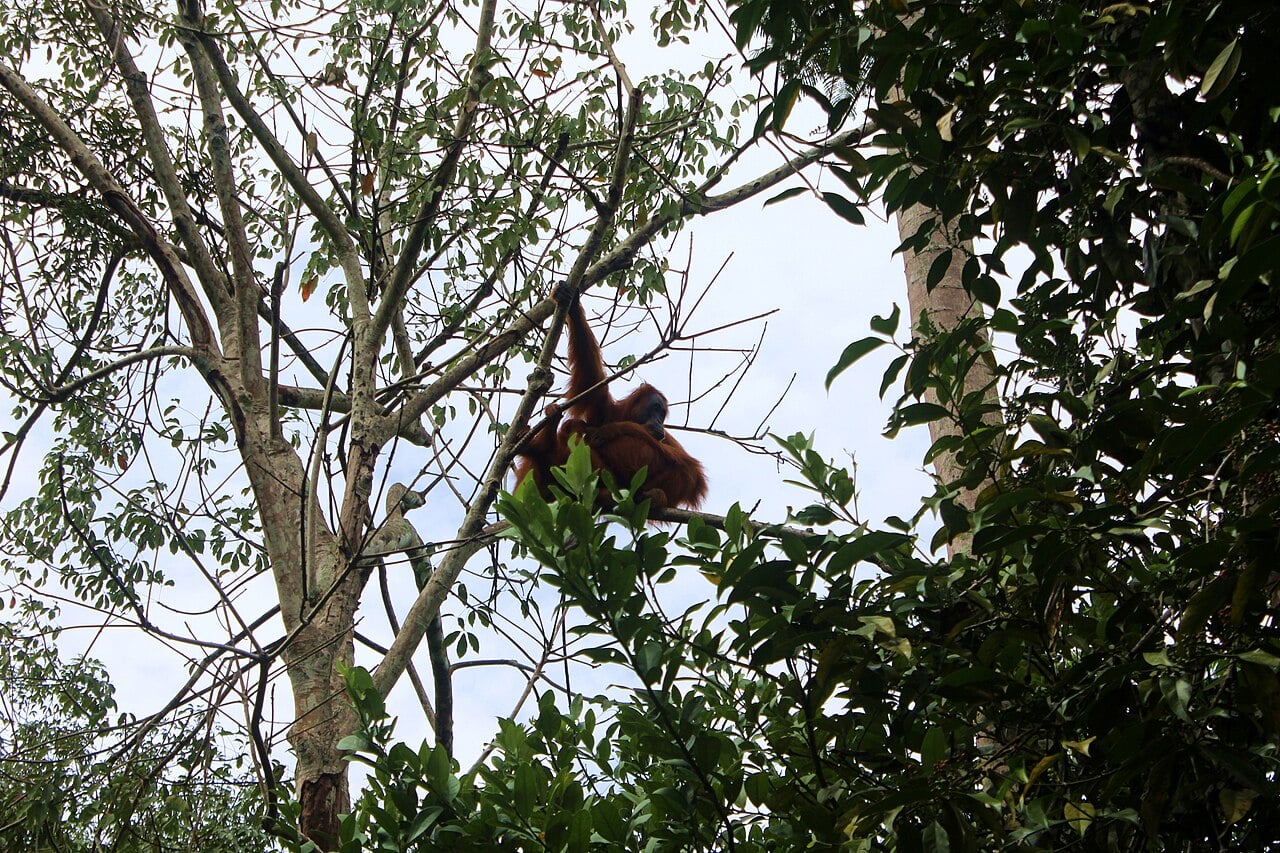
Orangutan trekking supports livelihoods in Bukit Lawang, but feeding, crowding and close-contact photographs can harm the animals travelers come to see. This updated guide explains how to choose an ethical trek, follow wildlife-viewing rules and protect critically endangered Sumatran orangutans.

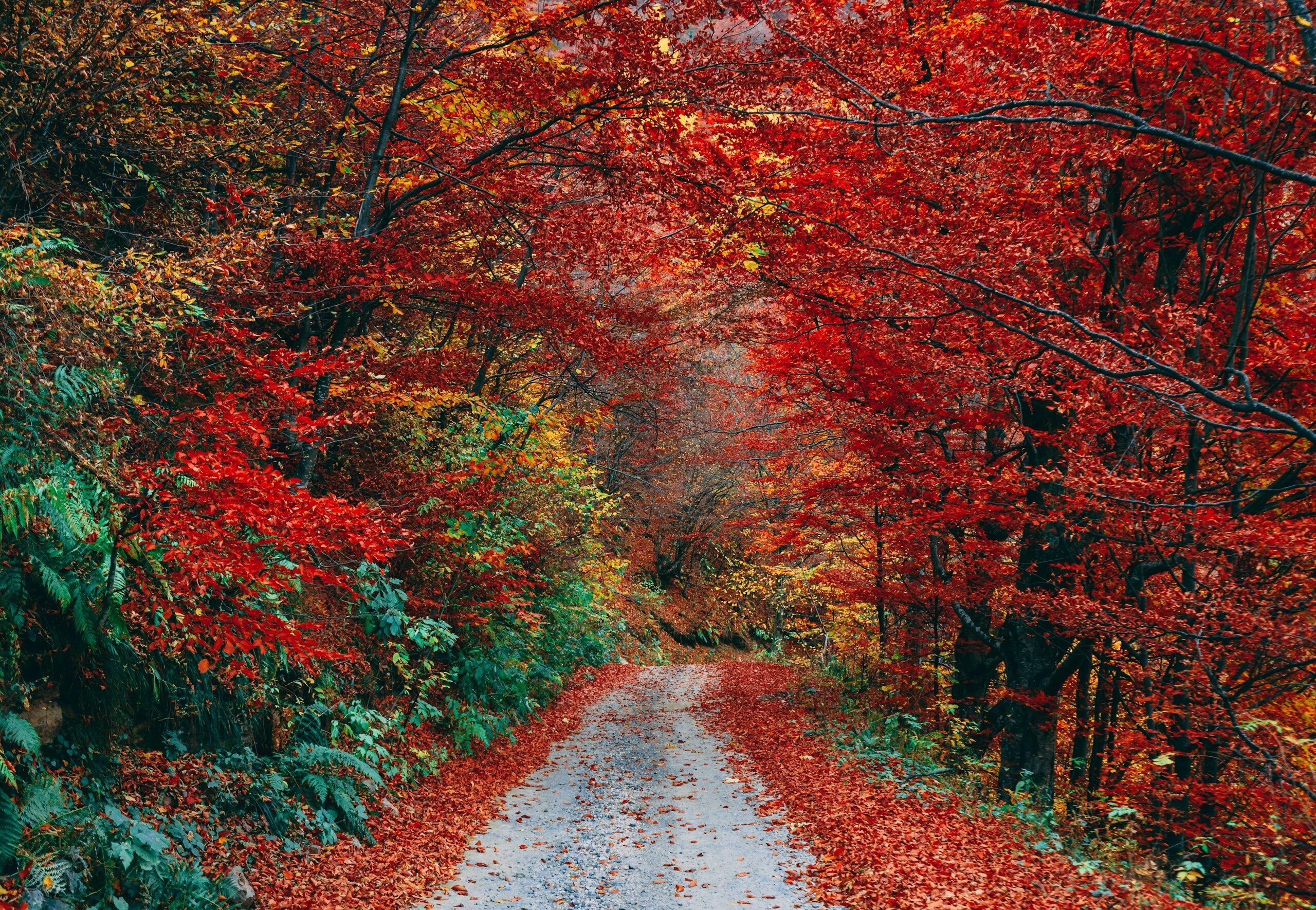
Discover five places for an autumn escape, from the Lake District and Tuscany to Madeira, Copenhagen and Slovenia, where cooler weather, fewer crowds and a slower pace can make it easier to switch off.

More than two decades after September 11, the memorials in New York, Pennsylvania and Virginia preserve the individual stories, sacrifice and courage behind a day that changed America and the world.

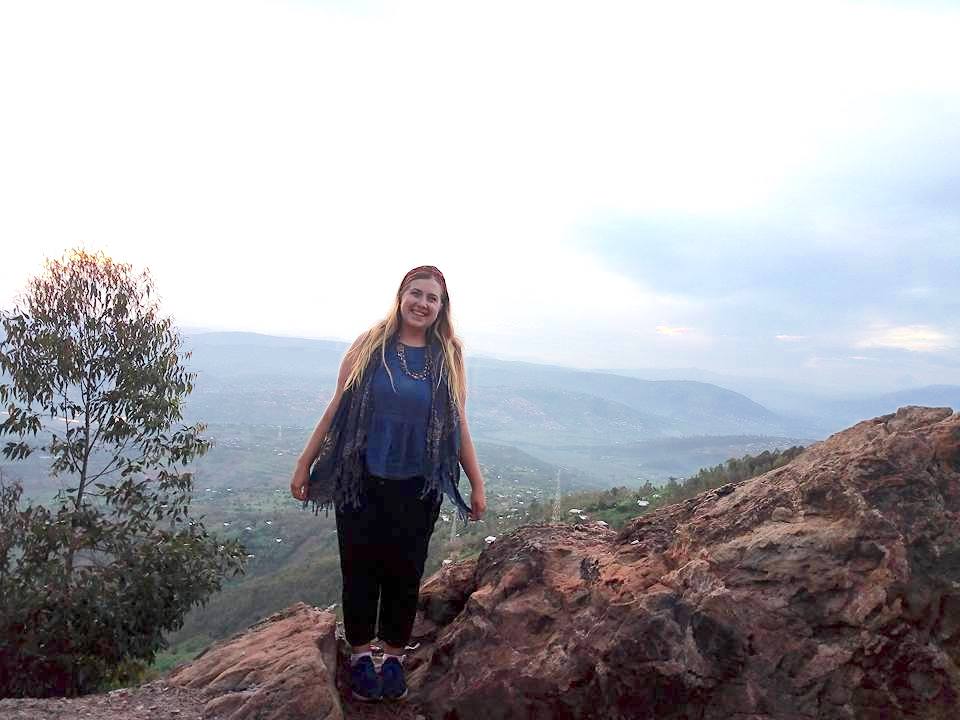
Lydia Klemensowicz’s journey through Rwanda challenged assumptions about women travelling alone in East Africa. Her updated account covers transportation, language, local experiences, Rwanda’s history and the current guidance visitors should review.