
admin-tonya

Designated a World Heritage Site by UNESCO, the old Wieliczka Salt Mine is the most popular tourist attractions in Poland and offers a unique experience into the underworld civilization and local culture.

Responsible travel extends far beyond reusable water bottles. These practical choices can help travelers support communities, respect cultures and reduce the harm tourism can cause.

Beyond its beaches and volcanic scenery, Saint Vincent holds Indigenous rock art, colonial forts, historic churches and powerful sites connected to Garifuna resistance, slavery and the island’s plantation economy.
Gamcheon Culture Village grew from a Korean War refugee settlement into one of Busan’s most recognisable attractions. Its transformation through art created economic opportunities while raising important questions about tourism, privacy and community life.
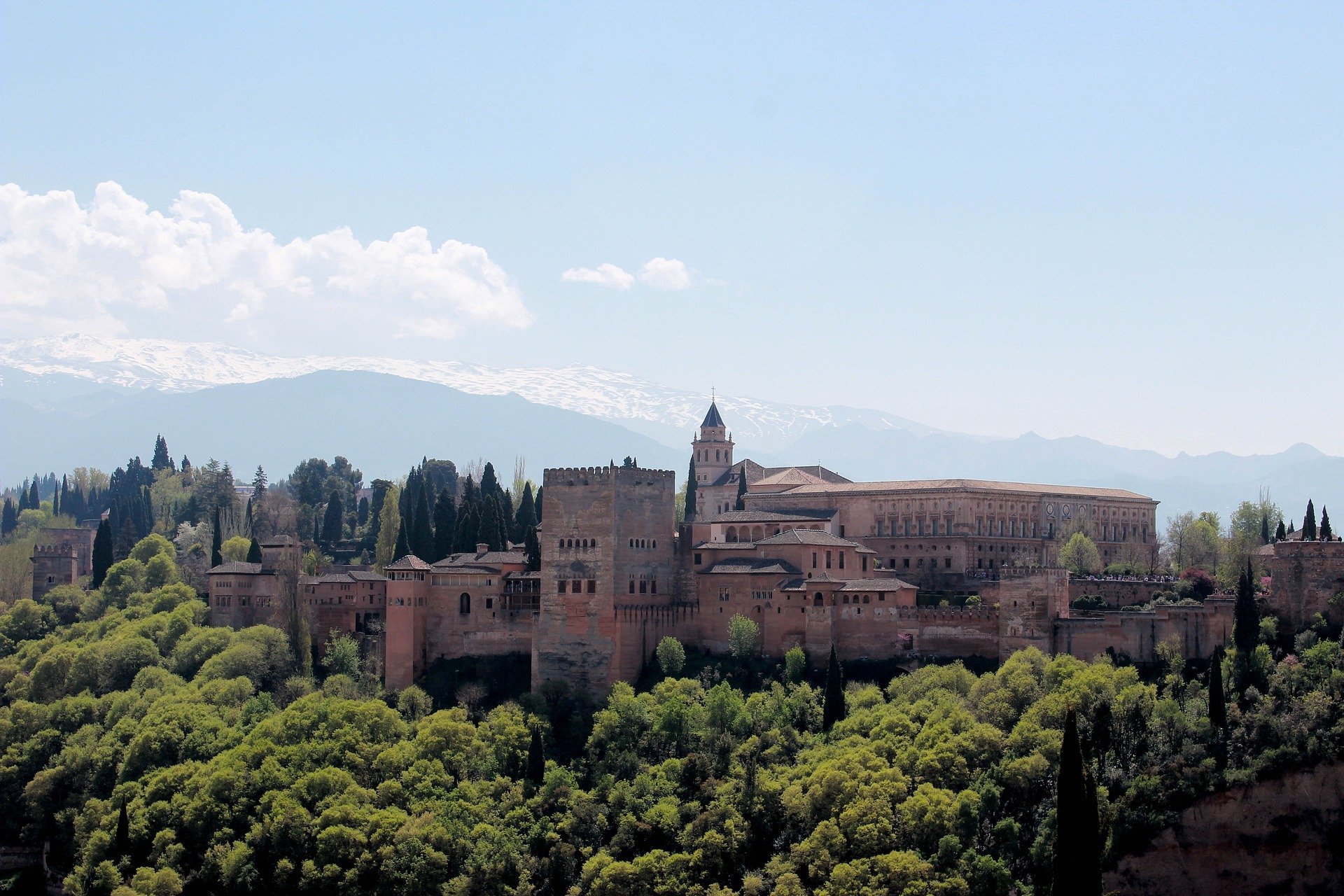
The Alhambra in Granada preserves the artistic legacy of the Nasrid dynasty alongside Christian-era additions that reveal centuries of political and cultural change.

Wildlife attractions may use words such as sanctuary and conservation while continuing to exploit animals. Learn how to recognize harmful encounters and support more ethical wildlife tourism.

Tokyo’s Yoyogi Village closed permanently in 2020, but outdated travel stories still recommend it. Its temporary buildings, landscaped courtyard and commercial spaces also raise larger questions about urban sustainability, green marketing and responsible land use.

Look beyond Warsaw and Krakow to discover five Polish cities shaped by medieval trade, industrial reinvention, border history and the origins of the nation.

From Homer’s Ithaca and Laura Ingalls Wilder’s Midwest to District 12, Cousins Beach and Forks, literary tourism reveals how books, screen adaptations and real communities shape the places travelers choose to visit.

Kenya’s tourism industry is moving beyond environmental promises toward a broader destination stewardship model rooted in community voice, local ownership, cultural integrity, conservation and measurable results.

Agritourism connects travelers with working farms, food traditions and rural communities. Explore responsible farm experiences in Tuscany, New Zealand, Japan, Vermont and Peru.

Our trip to Aruba took us beyond Palm Beach to Natural Pool, Baby Beach, Arikok National Park and the streets of San Nicolas. Along the way, we uncovered an island shaped by Indigenous history, aloe, oil, migration and World War II.