

Solo Female Travel in Rwanda: What I Learned on the Road
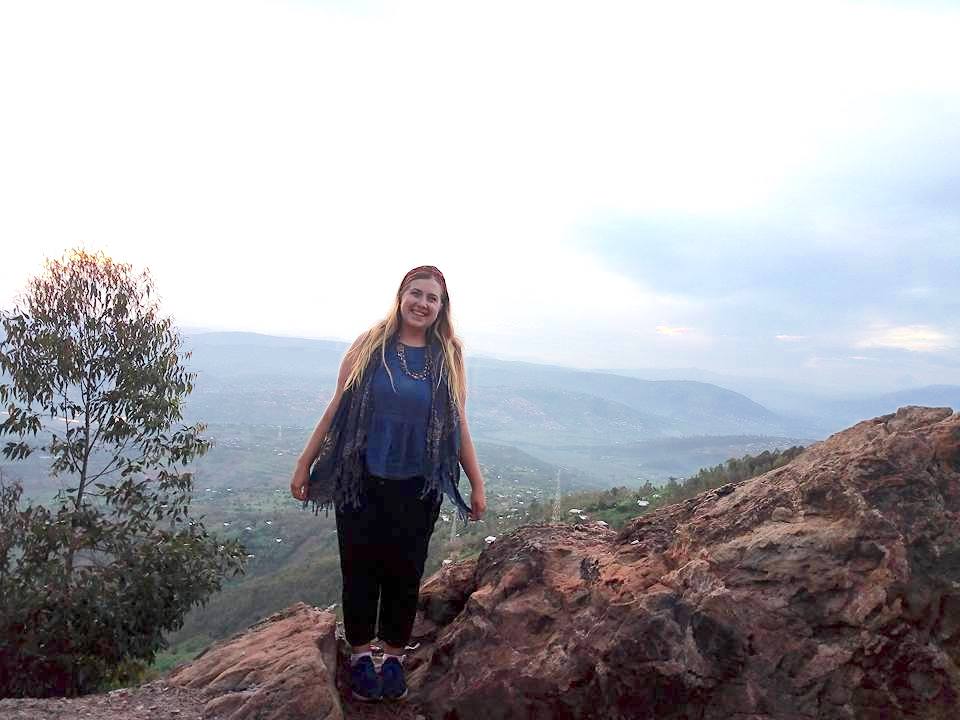
Writer Lydia Klemensowicz overlooks Rwanda’s hilly landscape during her solo journey. Photo courtesy of Lydia Klemensowicz.
Posted September 5, 2026
Editor’s Note: Originally published in December 2019, this article was substantially rewritten and fact-checked in August 2026. The author’s firsthand experiences and perspective have been retained. Travel advisories, health guidance and regional conditions can change quickly, so readers should consult official sources before making reservations.
“You’re going there…alone?”
“Is it safe?”
“Won’t you be scared?”
Women who travel alone hear these questions often, regardless of the destination. Sometimes they come from genuine concern. Other times, they reveal how quickly unfamiliar places become associated with danger.
When I travelled through Rwanda on my own, I felt comfortable asking questions, arranging transportation and moving through the country independently. The experience challenged some of the warnings I had heard before leaving home.
That was my experience at a particular time. It was not proof that Rwanda—or any destination—is completely safe. Conditions change, and a traveler’s personal comfort should never replace current information.
Current travel advisory
As of August 2026, the U.S. State Department lists Rwanda at Level 3: Reconsider Travel because of crime, unrest and health risks. It advises against travel within 10 kilometers of Rwanda’s border with the Democratic Republic of the Congo. Volcanoes National Park is not included in that higher-risk area. Read the complete advisory and the CDC’s current health guidance for Rwanda before booking.
Rwanda Felt Manageable
Rwanda’s compact size made the country feel manageable. Kigali serves as the main arrival point, and major roads connect the capital with other towns and tourism areas.
I found it relatively easy to travel independently. During my visit, I could arrive at a station, buy a ticket and board a bus without planning every step far in advance. According to the official Visit Rwanda transportation guide, shared minibuses are the country’s most common form of public transportation. Kigali buses use the Tap&Go smart-card system.
Still, “I felt safe” is not the same as “Rwanda is safe.” Petty crime such as pickpocketing can occur in urban areas. I kept valuables out of sight, shared my plans with someone I trusted and remained aware of my surroundings—precautions that matter in any destination, but especially when travelling alone.
World Footprints offers additional guidance for women who travel solo.
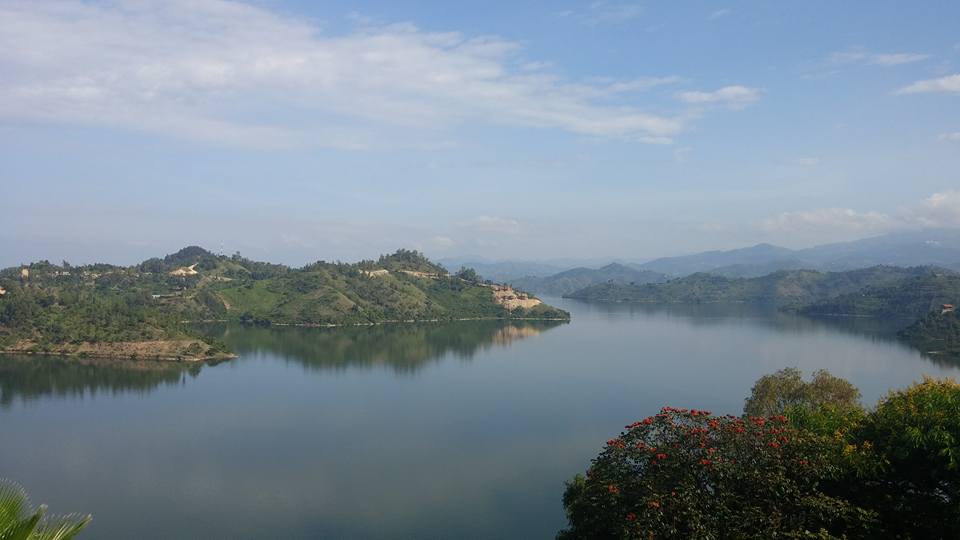
A lake framed by Rwanda’s rolling green hills. Photo courtesy of Lydia Klemensowicz.
Language Made Independent Travel Easier
Kinyarwanda is spoken throughout Rwanda. English, French and Kiswahili are also official languages.
I was able to use English often, particularly in Kigali and when speaking with people who worked with visitors. That removed some of the pressure that can accompany solo travel. English proficiency varies, however, and travelers should not assume everyone will speak it fluently.
Learning a few words of Kinyarwanda is worthwhile. It is a small sign of respect and a reminder that local people should not always have to cross the language barrier for us.
Getting Around Requires Judgment
Moto-taxis are common in Kigali. I used them because they were convenient and moved easily through traffic.
I would not now describe them as worry-free. Rwanda National Police says a motorcycle may carry only one passenger and that both the driver and passenger must wear helmets. Visit Rwanda also warns that some travel insurance policies may not cover motorcycle taxis.
Check the helmet before riding and confirm that your insurance covers motorcycle transportation. A licensed taxi or prearranged driver may be a better choice at night, with luggage or in an unfamiliar area.
Solo Did Not Mean Alone
It is easy to describe an entire country as friendly, but no nation has a single personality. What I can describe are the people I met.
I stayed with a woman in Kigali who was close to my age. Through her, I met neighbors, shared food and danced beneath the stars. Those relationships made the trip feel personal in a way that moving quickly between attractions never could.
Travelling alone did not mean remaining alone. Conversations in cafes and locally led experiences created opportunities to meet people without giving up the independence I wanted from the trip.
Remembering Rwanda’s History
My original article said that the 1994 Genocide against the Tutsi was “very much in the past.” I would not describe it that way today. The genocide remains part of living memory, family histories and Rwanda’s national story.
The Kigali Genocide Memorial is the final resting place for 250,000 victims. Its exhibitions examine Rwanda before the genocide, the events of 1994 and the country’s efforts toward justice, reconciliation and renewal.
This is not simply another stop on a sightseeing schedule. The memorial contains mass graves, and visitors are asked to dress and behave respectfully. Give the experience enough time and emotional space.
Community and Coffee in Kigali
The Nyamirambo Women’s Center remains one of my strongest recommendations. Founded by Rwandan women in 2007, it offers locally guided experiences that introduce visitors to Nyamirambo through its people, food, businesses and daily life.
Kigali’s cafes also gave me places to pause, charge my phone and plan the rest of the day. Question Coffee continues to offer a specialty coffee masterclass and a women-led farm experience connecting Kigali with coffee growers in Kayonza.
For a solo traveler, structured experiences like these offer context and conversation without requiring a companion.

Coffee prepared for a tasting at Question Coffee in Kigali. Photo courtesy of Lydia Klemensowicz.
Lake Kivu and Gorilla Tracking
Some of my strongest memories are of Rwanda’s green hills and lake landscapes. Travelers considering Lake Kivu should now check the exact location of a hotel or activity because the current U.S. restriction applies to areas within 10 kilometers of the DRC border.
Mountain gorilla tracking remains Rwanda’s signature wildlife experience. International visitor permits currently cost US$1,500, and the minimum age is 15. Solo travelers may buy individual permits and join ranger-led groups in Volcanoes National Park.
Permits should be purchased through the Rwanda Development Board’s official booking system or arranged through an authorized operator. The trek can involve steep, muddy terrain, so arrive prepared for a demanding walk rather than a casual wildlife outing.
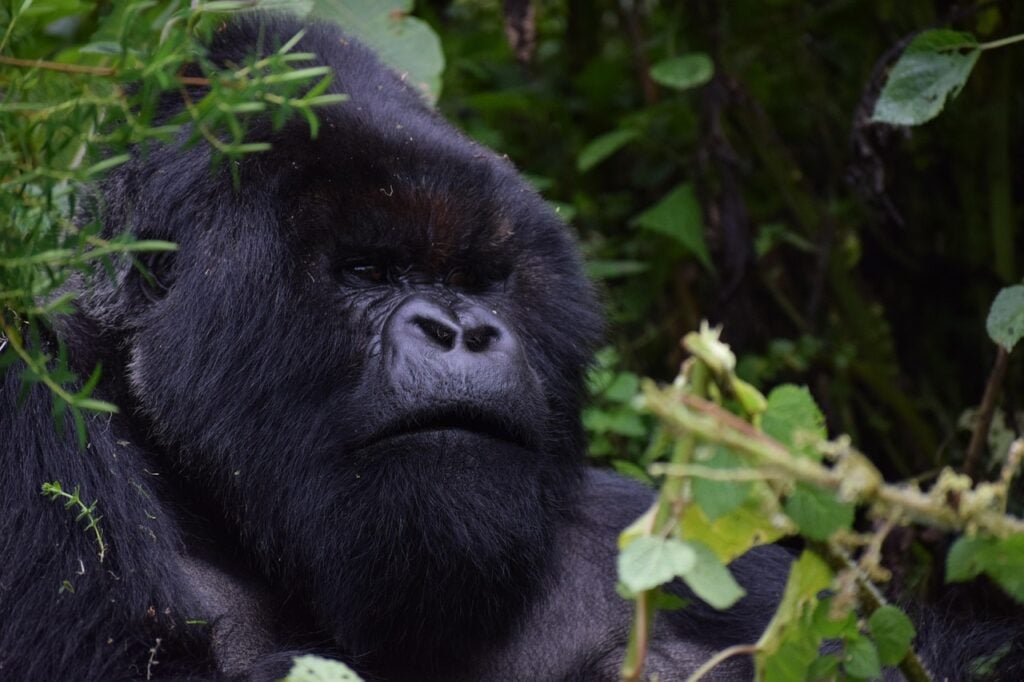
A silverback mountain gorilla in Rwanda. Gorilla tracking requires an official permit and authorized guide. Photo by markjordahl/Pixabay.
What Rwanda Taught Me
My trip challenged the idea that a woman travelling alone in East Africa must automatically feel frightened or isolated. I moved independently, met people easily and found places where I could slow down rather than rush through an itinerary.
My experience should not be used to dismiss current warnings. Current warnings should not erase everything Rwanda offers, either.
Solo travel requires openness and judgment. It means questioning stereotypes while taking genuine risks seriously. That careful middle ground—not false reassurance and not reflexive fear—is what allowed me to experience Rwanda on my own terms.
Explore more firsthand journeys in the World Footprints collection of solo travel stories.
Find Hotels in Rwanda
Use the interactive map below to search and compare hotels and vacation rentals. Check the exact location before booking, particularly when considering western Rwanda or communities near the DRC border.
Join the community!
Join our community to receive special updates (we keep your private info locked.)