

Indigenous Tourism: Native American Heritage and the Cultural Layers of Istanbul
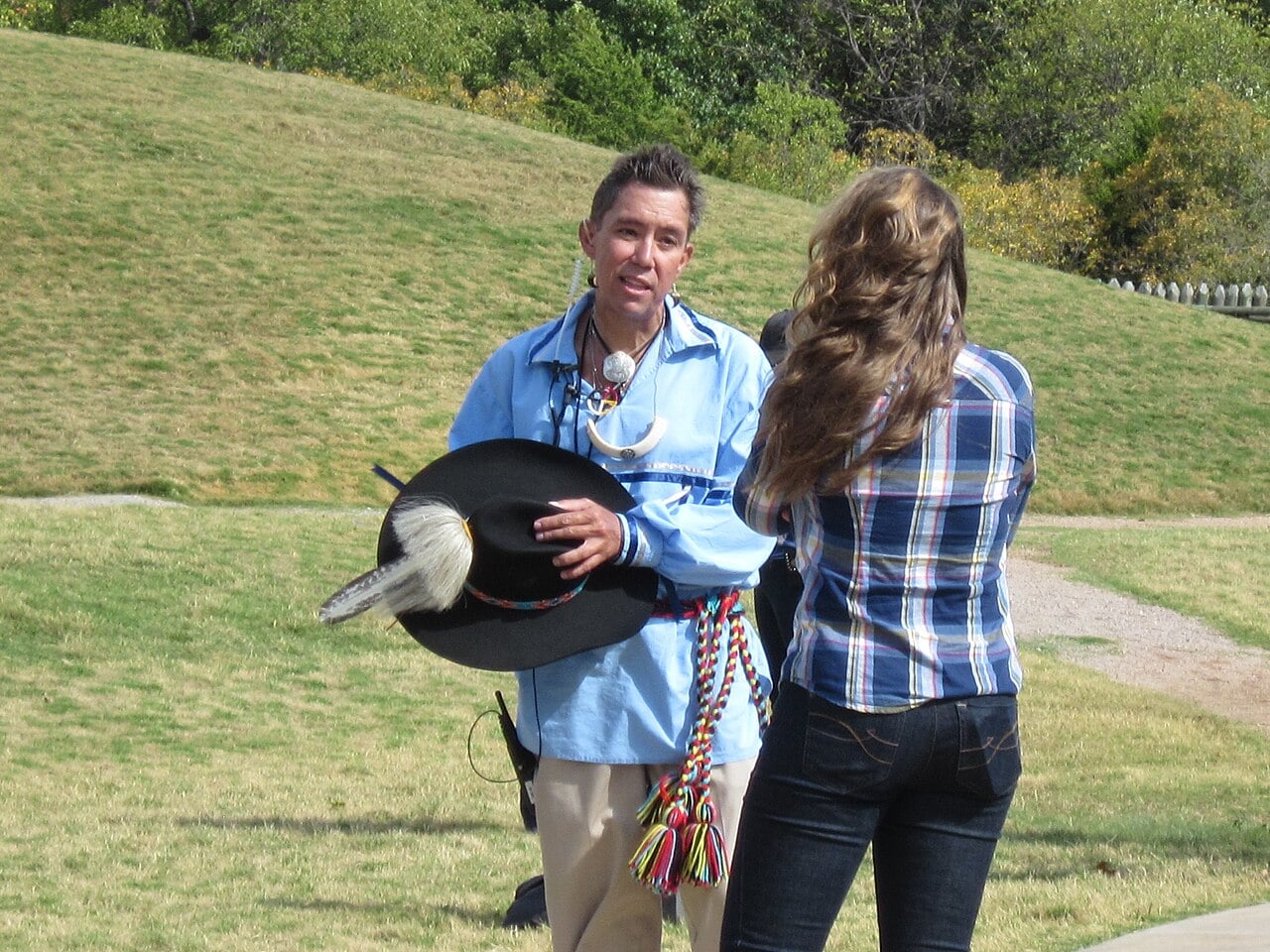
A Chickasaw tribal member engages with a visitor at the Chickasaw Cultural Center in Sulphur, Oklahoma. Indigenous tourism can create opportunities for communities to share their histories and cultural heritage on their own terms. Photo: National Trails Office/National Park Service.
Aired on October 10, 2026
Tourism can open doors to a culture, but it can also reduce centuries of history and living traditions to what visitors expect to see. Who gets to tell those stories, and how much control do local communities have over the experiences being offered?
In this episode of World Footprints, we explore two very different destinations through the lens of cultural heritage: Indigenous tourism in the United States and the many influences that have shaped Istanbul, Turkey.
Indigenous Tourism: Beyond Casinos and Cultural Stereotypes
For many Native American communities, tourism offers opportunities to share their history, traditions and contemporary cultures on their own terms. It can also create jobs, support Native-owned businesses and contribute to the preservation of cultural heritage.
But Indigenous tourism is about more than visiting a reservation, attending a cultural performance or purchasing traditional crafts. At its best, it gives Indigenous communities a meaningful role in deciding what visitors experience, which stories are shared and how tourism benefits the people who call these places home.
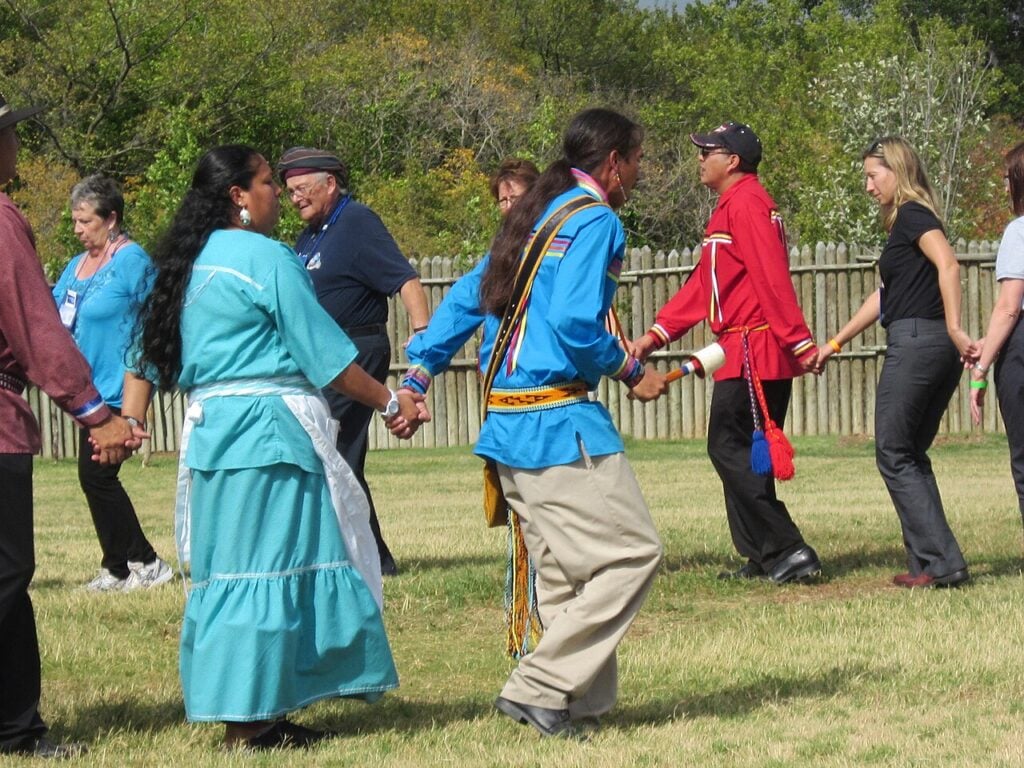
Cultural dance activities at the Chickasaw Cultural Center in Sulphur, Oklahoma, introduce visitors to traditions that remain an important part of Chickasaw cultural life. Photo: National Park Service.
Anna Barrera, a sustainable tourism consultant with experience in Indigenous tourism development, joins World Footprints to discuss opportunities for tribal nations to expand their tourism offerings beyond gaming.
Her conversation introduces a larger question about responsible travel: How can tourism support economic opportunity while respecting the cultural identity and priorities of Indigenous communities?
There is no single Native American experience. Tribal nations have distinct histories, languages, cultural practices and approaches to welcoming visitors. Some offer museums, guided cultural experiences, outdoor adventures and heritage programs. Others maintain traditions and sacred places that are not open to tourists.
Understanding those distinctions is an important part of traveling respectfully.
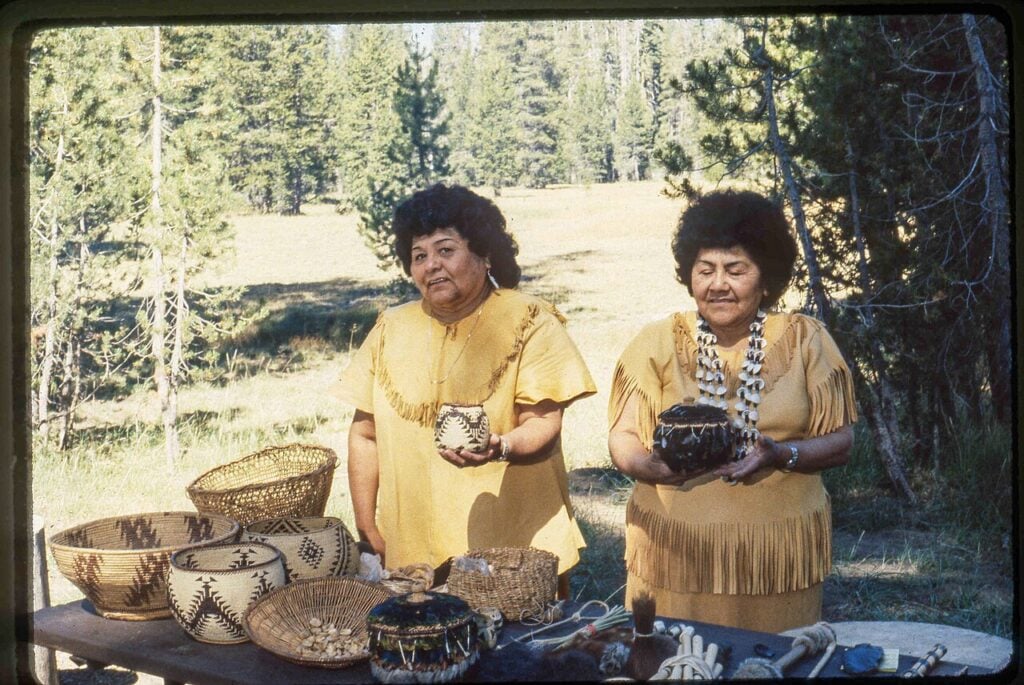
Atsugewi cultural interpreters Lillian Snooks and Laverna Jenkins helped preserve and share traditional basket-making knowledge at Lassen Volcanic National Park in California. Their work illustrates the role of Indigenous educators in interpreting their own cultural heritage. Photo: National Park Service.
Istanbul, Turkey: A City of Cultural Layers
Our journey then takes us to Istanbul, Turkey, a city whose history stretches across empires, religions and continents.
Situated on both sides of the Bosphorus Strait, Istanbul connects Europe and Asia. Once known as Byzantium and later Constantinople, the city served as the capital of the Byzantine and Ottoman empires, leaving an architectural and cultural legacy that remains visible today.
From the grand dome of Hagia Sophia to the mosques, markets and neighborhoods that reflect centuries of trade and migration, Istanbul offers an extraordinary record of cultural exchange.
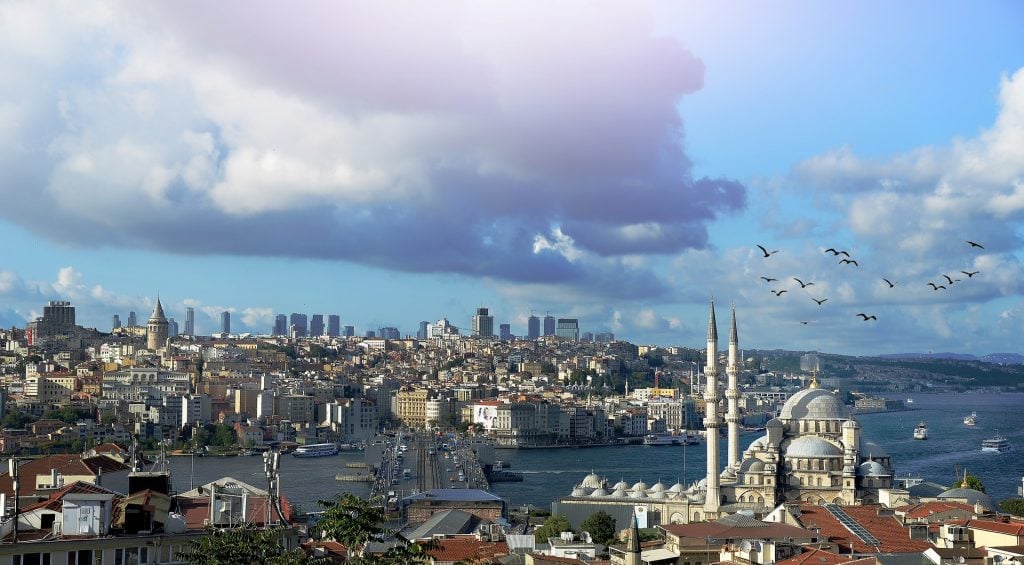
Istanbul’s skyline reflects centuries of cultural exchange at the crossroads of Europe and Asia. Author Bijan Bayne explores the historical influences that have shaped the Turkish city in this World Footprints podcast. Photo: Adem Kömürcü/Pexels.
Author Bijan Bayne joins us to explore the many influences that have shaped the city. He compares Istanbul to baklava, the layered pastry long associated with Turkish cuisine. Much like the dessert, the city’s character has developed through layers of history, each contributing something to the whole.
It is an appealing way to understand a place where Greek, Roman, Byzantine and Ottoman influences remain part of its cultural identity.
Listen to the World Footprints Podcast
From Native American communities developing new tourism opportunities to Istanbul’s centuries of cultural exchange, these conversations remind us that the stories behind a destination are just as important as its landmarks.
Listen as Anna Barrera and Bijan Bayne offer two perspectives on cultural heritage and the relationship between people, place and travel.
Originally aired November 22, 2021. Editorial notes and background resources updated in 2026.
Additional Resources
-
Destination Native America — Explore Native-led travel experiences and cultural destinations in the United States.
-
American Indigenous Tourism Association — Resources supporting Indigenous tourism, cultural heritage and Native-owned enterprises.
-
UNESCO: Historic Areas of Istanbul — Learn more about Istanbul’s historic districts and World Heritage designation.
Continue Exploring on World Footprints
-
A Zapotec-Led Tour Company in Oaxaca Putting Its People First
-
Hoonah, Alaska: The Cruise Port That Still Belongs to the People Who Live There
Book Your Stay Now in Istanbul
Use the interactive map below to search, compare and book hotels & rentals at prices that are sourced from platforms including Booking.com, Hotels.com, Expedia, and more.
Join the community!
Join our community to receive special updates (we keep your private info locked.)
