

Destination Stewardship
A timely, comprehensive analysis that invites tourists and destinations to reevaluate their practices.
—Kirkus Reviews (starred review)
Destination stewardship starts with a simple idea: tourism should do more than bring people to a place. It should help that place remain livable, distinctive and resilient for the people who call it home.
Destinations are living communities. Residents, local businesses, cultural traditions, public spaces, natural systems and history all shape them. Tourism can strengthen a place—or place it under strain.
Stewardship begins with that reality. It looks beyond visitor growth alone to consider whether tourism is contributing to the long-term health, character and resilience of the destination itself.
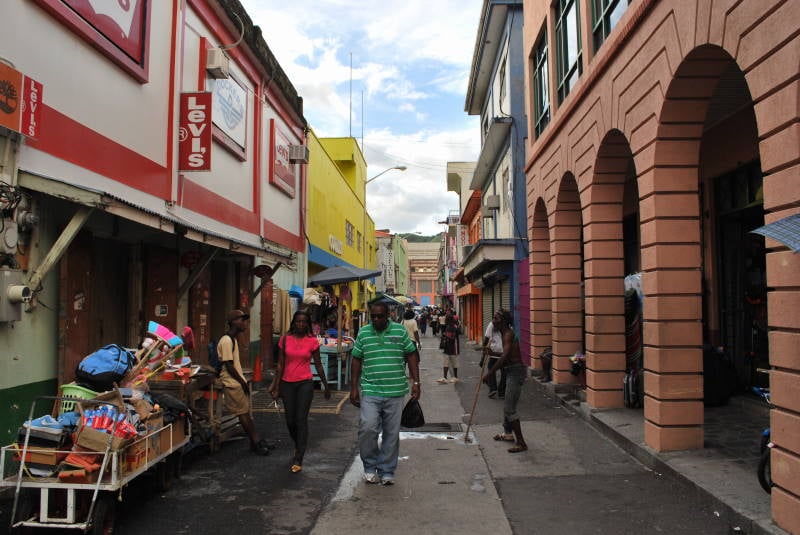
What Is Destination Stewardship?
Over several decades, tourism leaders, communities and researchers have challenged models focused mainly on promotion and visitor growth. Jonathan Tourtellot, founder of the Destination Stewardship Center, helped define and advance the concept of stewardship in modern tourism practice.
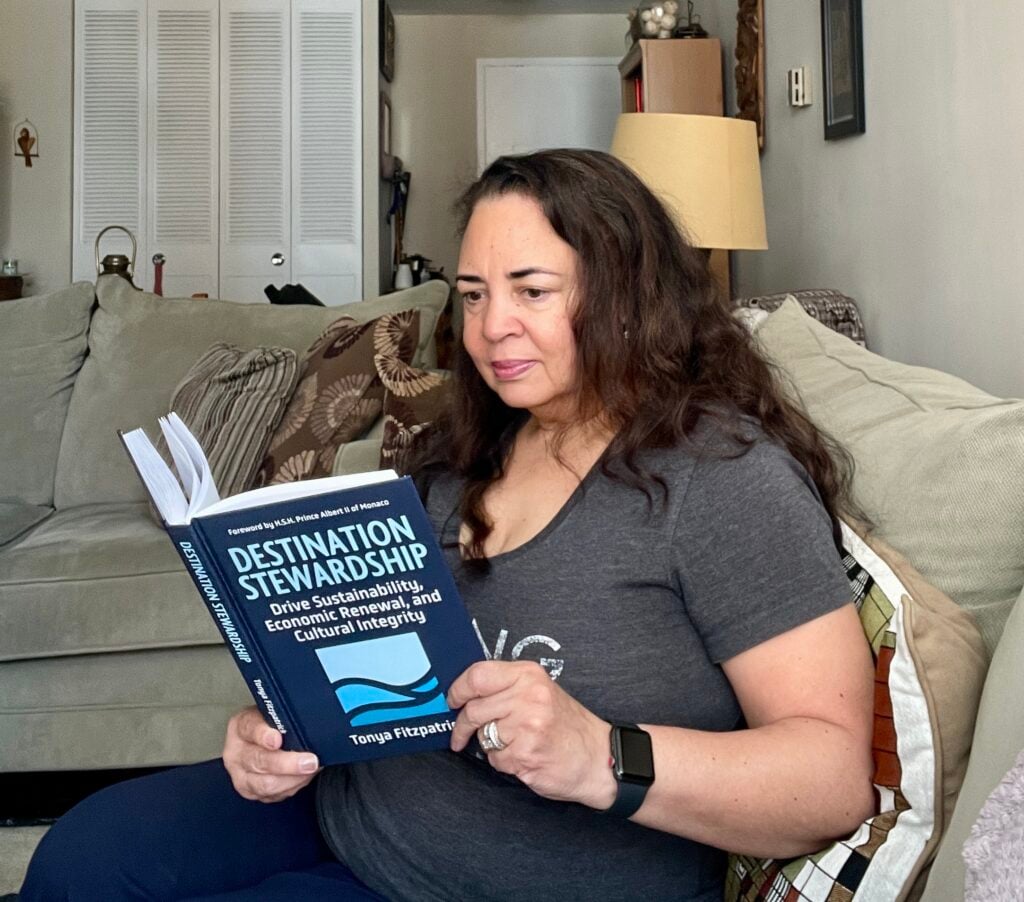
In Destination Stewardship: Drive Sustainability, Economic Renewal, and Cultural Integrity, author Tonya Fitzpatrick builds on that foundation through global case studies, research and conversations with tourism leaders and practitioners. The book examines how destinations can move stewardship from a broad principle into decisions that affect communities and places.
This approach overlaps with destination management and sustainable tourism, but the terms are not interchangeable. The distinctions become clearer when these related but different approaches are viewed side by side.
Destination Marketing
Central question: How do we create demand and connect visitors with the destination?
Destination Management
Central question: How do we coordinate tourism and manage its effects on visitors, businesses and the place?
Sustainable Tourism
Central question: How do we reduce tourism’s negative impacts and increase its positive environmental, social and economic contributions?
Destination Stewardship
Central question: How do we govern tourism so that it supports the long-term health of the place and the people who live there?
These approaches overlap. However, destination stewardship does not replace marketing, management or sustainable tourism. Instead, it places them within a broader responsibility to care for the destination over time.
Why Destination Stewardship Matters Now
Tourism can create jobs, business opportunities, tax revenue and investment. However, more visitors do not automatically create a stronger destination.
Rapid growth can strain housing, infrastructure, natural resources and local culture. At the same time, visitor spending may rise while too little of that value reaches local businesses, workers and communities.
Stewardship looks at both sides of that equation. It considers the value tourism creates alongside the pressures it can place on the people, systems and resources that make a destination viable.
The goal is not simply to attract more visitors. It is to build a visitor economy that contributes to a healthy, resilient place.
The Fitzpatrick Destination Stewardship Framework
Drawing on the research and case studies explored in Destination Stewardship, The Fitzpatrick Destination Stewardship Framework examines five dimensions that help reveal whether stewardship is actually shaping how a destination is managed.
The framework looks beyond broad commitments to sustainability or community engagement. It provides a structured way to examine whether tourism decisions are strengthening the destination and supporting its long-term well-being.
It is not a one-size-fits-all model. Destinations differ in their economies, cultures, environments, institutions and tourism pressures. The framework instead offers a lens for examining the choices, relationships and responsibilities that shape tourism in a particular place.
Destination Stewardship in Practice
Stewardship becomes meaningful when it influences the decisions that shape tourism and the place itself.
In practice, that means looking beyond visitor growth alone and considering tourism in the context of the destination as a whole. The priorities will differ from one place to another because communities face different economic realities, cultural concerns, environmental pressures and stages of tourism development.
There is no single formula for stewardship. What matters is that tourism decisions reflect a deliberate responsibility to the long-term health and resilience of the destination.
Destination Stewardship: The Book
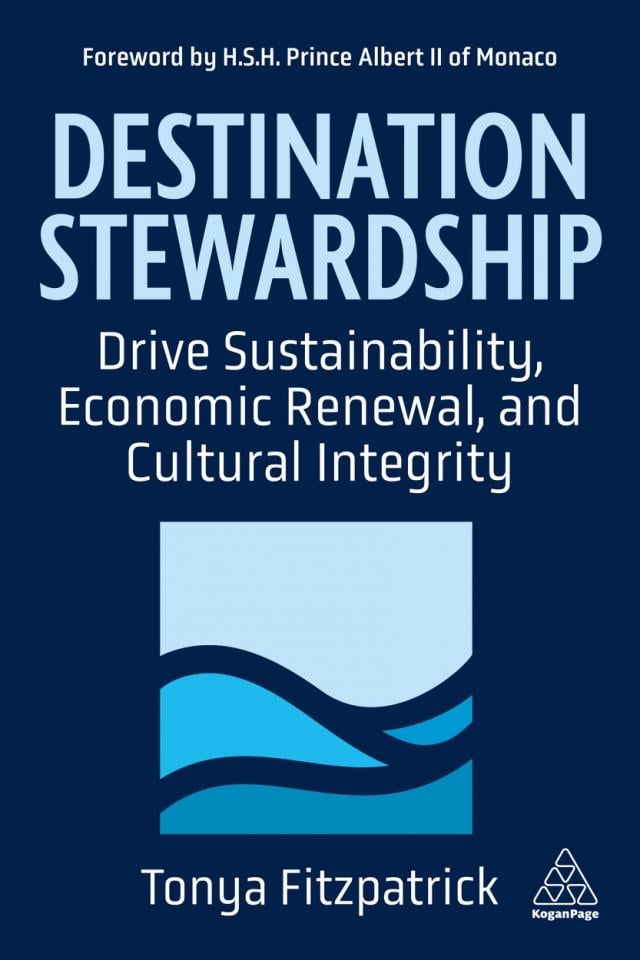
Destination Stewardship: Drive Sustainability, Economic Renewal, and Cultural Integrity explores what it takes for tourism to strengthen the places people visit and the communities that call them home.
Through research, global case studies and conversations with tourism leaders and practitioners, Tonya Fitzpatrick examines the choices destinations face as they balance economic opportunity with community well-being, cultural integrity and the long-term health of place.
The ideas developed through that research also informed The Fitzpatrick Destination Stewardship Framework, a separate tool for examining how stewardship is reflected in destination management.
Published by Kogan Page, the book features a foreword by H.S.H. Prince Albert II of Monaco.
*Kirkus Reviews (starred)
“I believe Ms Fitzpatrick has done a great service by collecting such an impressive amount of information that practitioners can put to use.”
— Jonathan Tourtellot, Destination Stewardship Center
Destination Stewardship Insights
Destination stewardship becomes clearer when we examine what happens in real places. The stories below appear on World Footprints and explore how tourism decisions affect communities, local economies, culture, the environment and quality of life.
In addition, future reporting and case studies will examine these issues through the experiences of destinations and the people who live in them.

About This Stewardship Work
Tonya Fitzpatrick is the author of Destination Stewardship: Drive Sustainability, Economic Renewal, and Cultural Integrity and co-founder of World Footprints.
Her stewardship work draws on journalism, research, global case studies and conversations with tourism leaders and practitioners to examine how tourism decisions shape communities and places—and what it takes for destinations to remain healthy, distinctive and resilient over time.
Through World Footprints, Fitzpatrick continues this work through reporting, case studies, analysis and conversations that connect destination stewardship to the experiences of communities around the world.
Bring Destination Stewardship to Your Audience
Tonya Fitzpatrick speaks with tourism leaders, policymakers, businesses, educators and community stakeholders about the choices shaping the future of destinations.
Drawing on the research and global case studies in Destination Stewardship, she brings these issues to life through conversations about tourism, community well-being and the long-term health of place. Presentations can be tailored to conferences, destination organizations, universities, professional gatherings and community audiences.
Frequently Asked Questions About Destination Stewardship
Destination stewardship is a shared responsibility. Governments, destination organizations, tourism businesses, residents, community organizations, cultural institutions and others may all have a role. The exact mix will vary by destination, but stewardship works best when responsibility for the long-term health of the place is not left to a single organization.
Destination management generally focuses on coordinating tourism and managing its effects on visitors, businesses and the destination. Destination stewardship takes a broader, longer-term view. It considers whether tourism is contributing to the health, character and resilience of the place itself and the people who live there.
No, although the concepts overlap. Sustainable tourism focuses on reducing negative environmental, social and economic impacts while increasing positive ones. Destination stewardship places those concerns within a broader responsibility for how tourism shapes a place over time.
Yes, but there is no single measure of successful stewardship. Destinations need to look beyond visitor numbers and spending alone and consider a range of locally relevant conditions and outcomes. What should be measured will differ depending on the destination, its priorities and the pressures it faces.
Travelers can support stewardship through the choices they make—where they spend money, how they behave and how they use shared spaces and resources.
However, travelers are only one part of the picture. The larger responsibility rests with the institutions, businesses and decision-makers that shape how tourism operates within a destination.
