

Walking the French Way on the Camino de Santiago
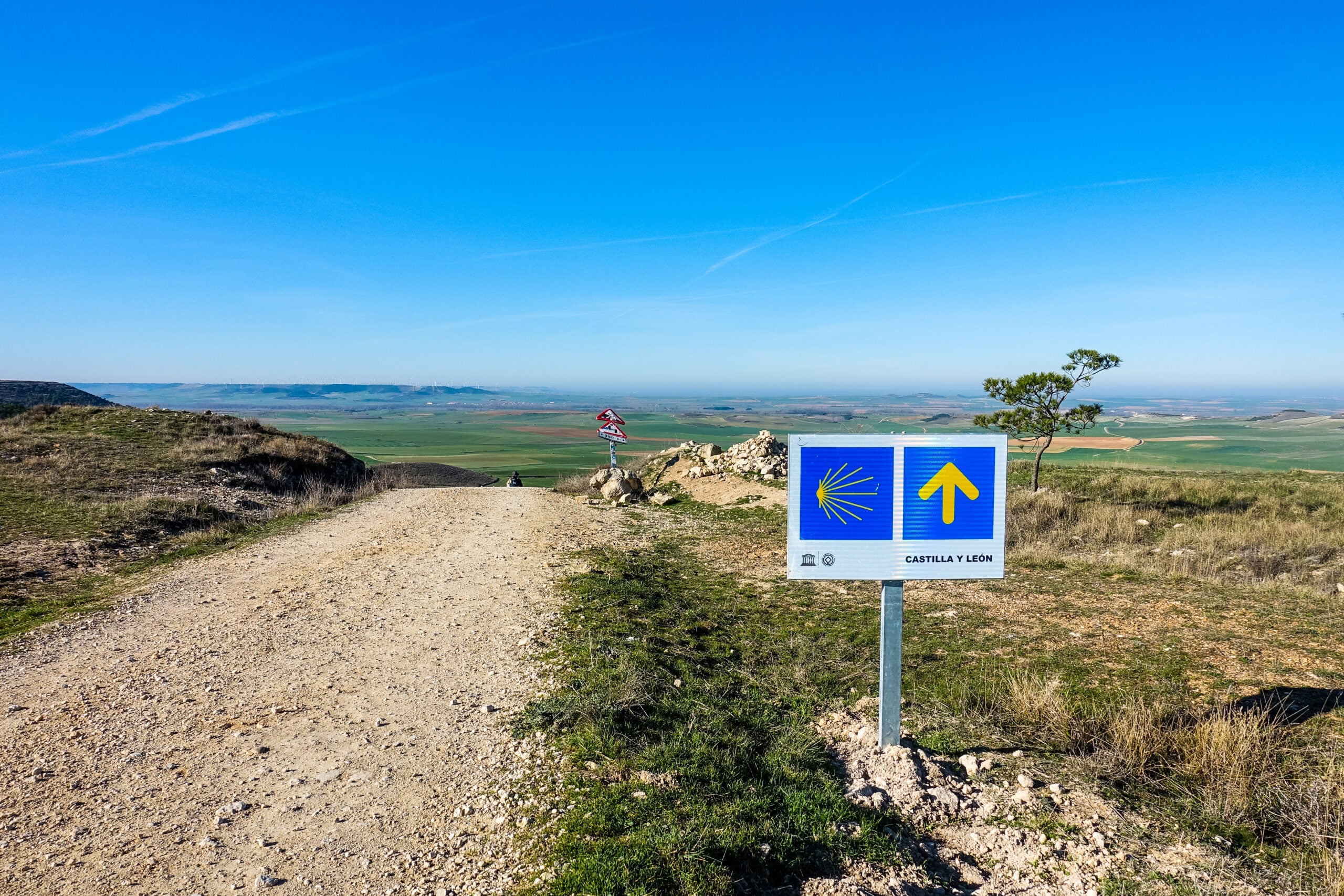
Camino de Santiago Photo: Shutterstock
Posted May 27, 2026
One of the most famous paths in the world, arguably its most renowned spiritual route, the Camino draws pilgrims from around the globe. More than two of every three trekkers who undertake the journey follow St. James’ Way, also known as Camino Frances (“The French Way”). It extends more than 800 kilometers across northern Spain from Saint-Jean-Pied-de-Port, France, in the foothills of the Pyrenees.
Why Do People Walk the Camino de Santiago?
Many modern pilgrims come not only for spiritual discovery, but also for adventure. Some walk in memory of a loved one. Others come seeking peace, healing, or transformation. Many want to slow down, step out of their comfort zone, disconnect, or share a journey with strangers who quickly become lifelong friends.
They also walk through the region’s history and experience local gastronomy as they meet and travel with people from around the world. Each person walks it differently. And that’s part of its beauty.
Where It Begins
There’s a saying that “The Camino begins at your doorstep.” Many pursue the route all the way from France to Spain’s Cathedral of Santiago de Compostela, where legend says the remains of Saint James lie. There are 10 official routes from Paris to Pamplona, from Seville to the sea, but all end in Santiago.
In 2024, nearly half a million pilgrims from 178 countries registered at the Pilgrims’ Office in Santiago. Not surprisingly, the majority were Spanish. The second greatest number of pilgrims were American. Shockingly, perhaps, Koreans ranked third. Ten percent of the South Korean population is Roman Catholic, thus boosting their interest in the Camino. Some pilgrims walk from Germany and Poland. And, one Israeli pilgrim took a whole year to walk from Jerusalem.
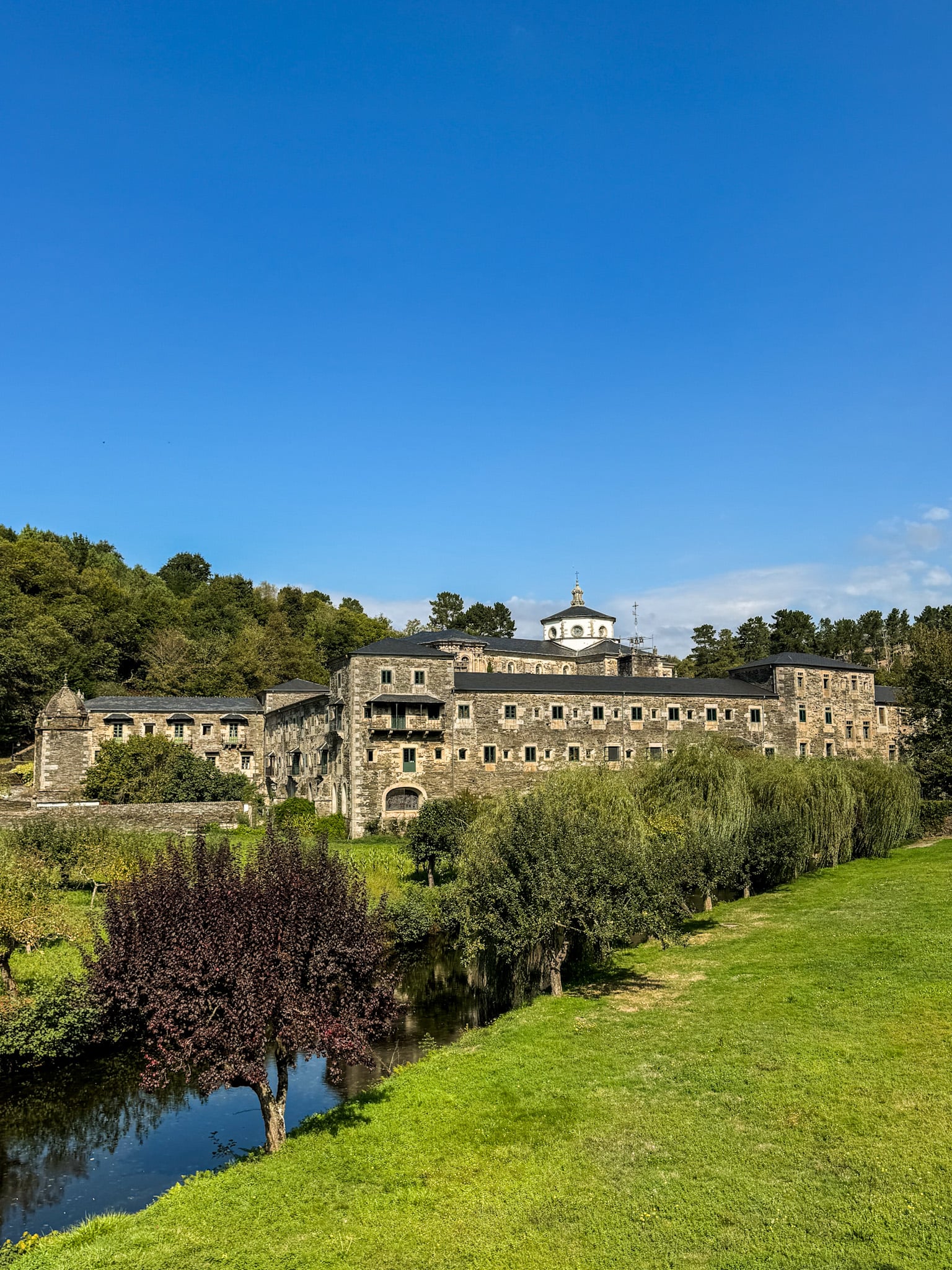
Built in the sixth century, the Monastery of San Xulián de Samos is an active Benedictine monastery in Samos, Galicia, and a stop on the French Way Camino. Photo: Nicholas Kontis
“The Way” is For Everyone
Father-and-son actors Martin Sheen and Emilio Estevez influenced many Americans to make the walk with the release of their 2010 film “The Way,” inspired by a father who made the pilgrimage to honor his son, who had died on the trail.
People from all walks of life share the common experience. They are teachers, students, retirees, and CEOs. They leave politics, job titles, and the distractions of daily life behind. As one pilgrim put it: “On the Camino, we are just people walking.”
An association in Belgium sends young offenders to walk the Camino for six months as an alternative to jail time. The goal? Reform through reflection and responsibility.
Life On the Way
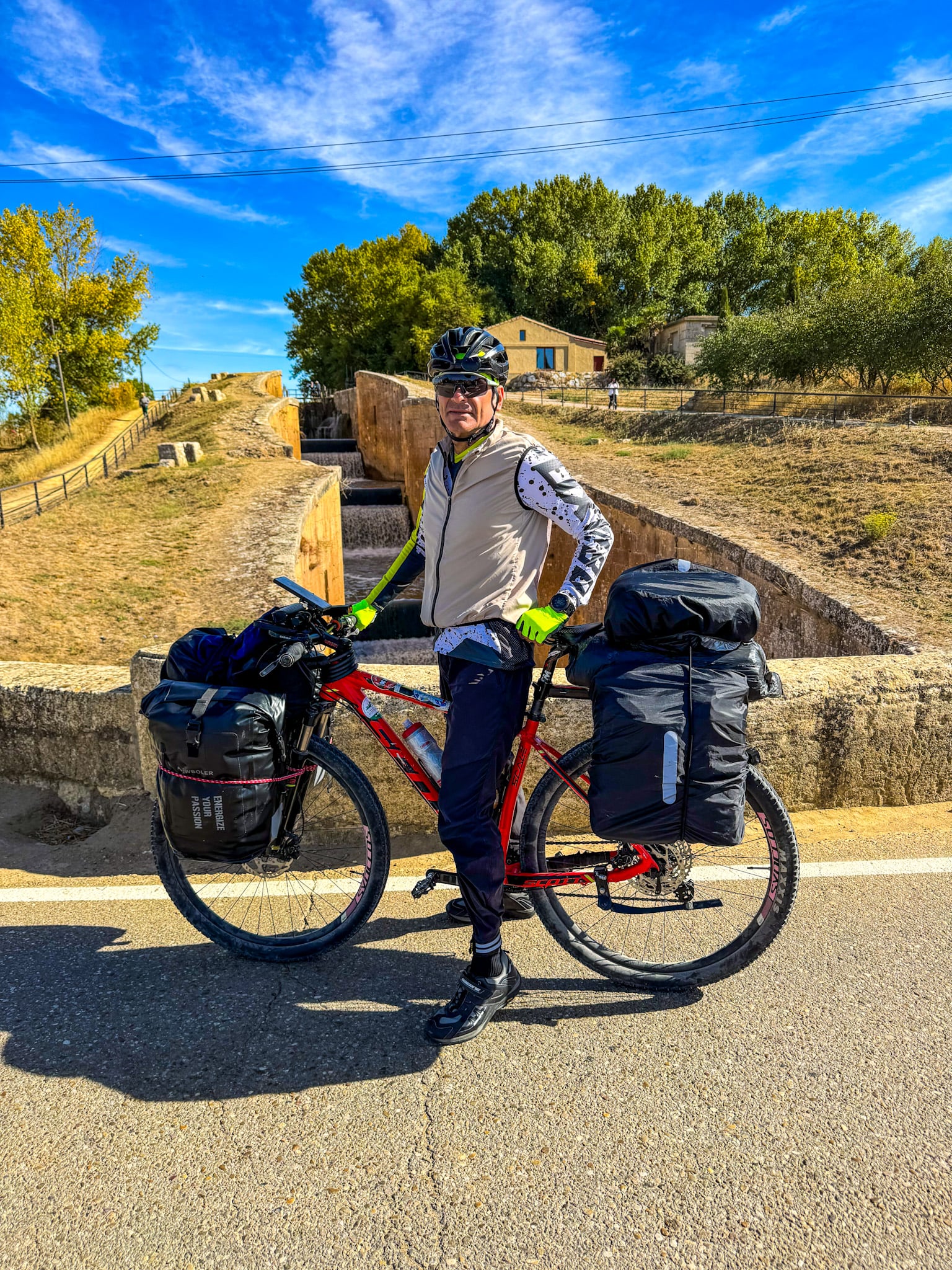
Some complete the Camino by bicycle Photo: Nicholas Kontis
You don’t have to walk the trail. You can bicycle or even ride a horse. Some pilgrims carry everything. Others have their luggage shipped ahead. Fast or slow, solo or in a group, each Camino experience is unlike another. What takes no more than an hour by car, 25 kilometers, about 15 to 17 miles per day, requires five to six hours (or more) of walking.
Many pilgrims come together in albergues (hostels), where 5 to 10 euros gets you a bunk and a shower. Shared meals, group prayers, quiet moments, and spontaneous friendships are part of the Camino magic. You may be nervous on your first night, but you’ll quickly be absorbed into the camaraderie. As you walk the French Way, you’ll reencounter many people you’ve met before. The Camino builds community unlike any other journey.
Choose Your Camino Style
If you embrace your seclusion, book a private room or even a luxury stay. The Quinta San Francisco, a boutique hotel in the picturesque village of Castrojeriz, offers a place for rest and reflection, with spa amenities but “no TVs, just strong showers,” according to Leandro, a scion of the family-run business. “We are different, as there are not many luxury accommodations on the Camino,” he said.
Hostels open at 1 p.m. on a first-come, first-served basis; travelers should plan to depart by 9 a.m. the following day. Luggage transport is widely available (about 5 euros per bag, per stage).
Pilgrims learn to pack light and wash often. They carry a passport (a “credential”) and collect two stamps per day from churches, hostels, cafes or bars. To receive the Compostela certificate, they must walk at least 100 km or bike 200 km.
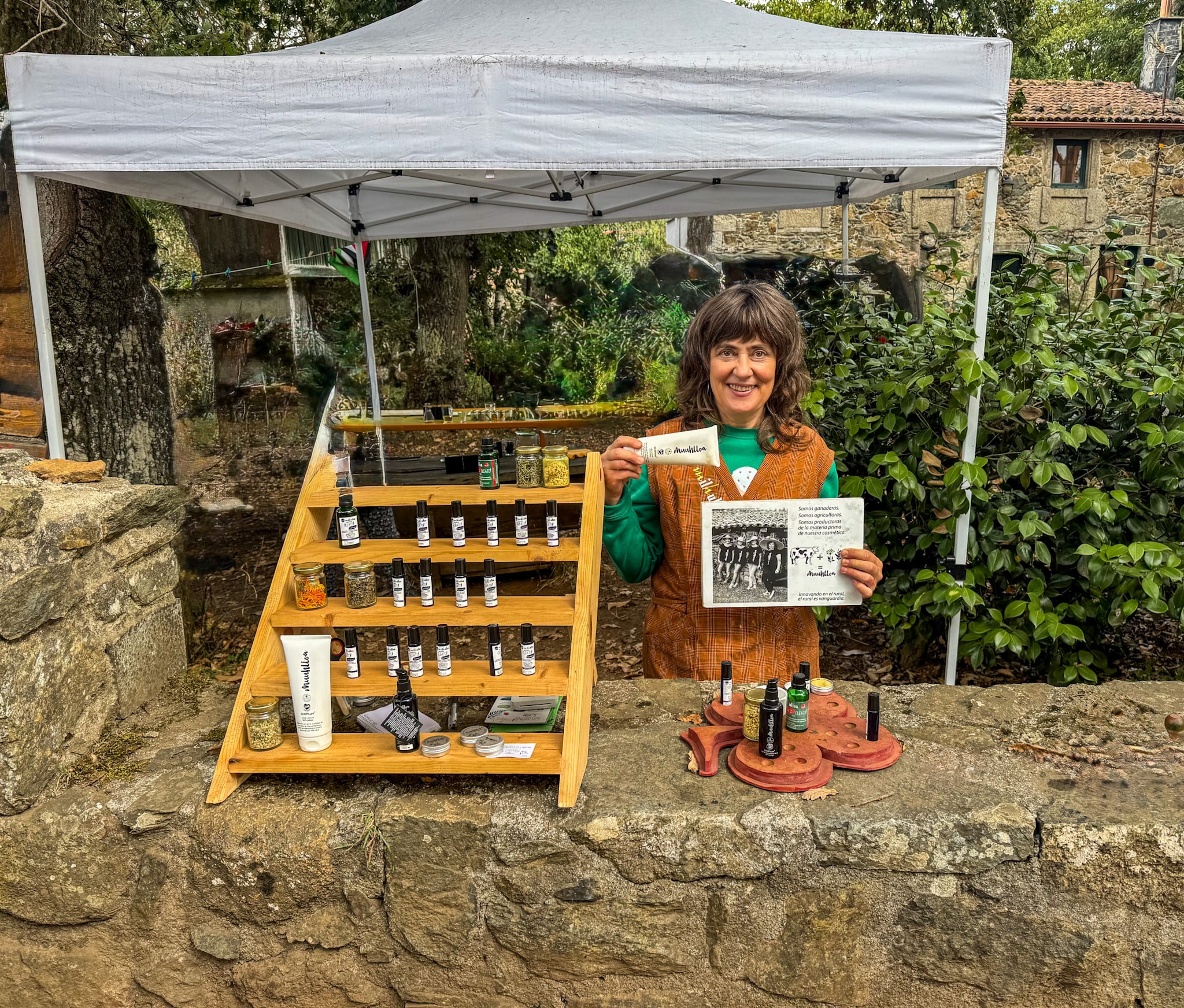
As travelers seek cultural immersion beyond their pilgrimage, tours of sustainable family farms are showcasing produce and other ecological products, soaps and oils. Photo: Nicholas Kontis
Stories of Transformation
The Camino isn’t just a walk; it’s a mirror. Many pilgrims come for one reason but leave with another. Along the Way, they find clarity, new friendships, even love. One couple met and married at a Camino hotel, renting all 20 rooms for their family and fellow pilgrims.
Pilgrims are very outgoing and eager to tell their stories. Dan and Marissa, from Sacramento, California, celebrated their 25th wedding anniversary by hiking together for 38 days to reconnect and reflect. “The journey has far exceeded our expectations,” Dan shared. “We enjoy the interaction with fellow pilgrims. One evening, we sat at a table with a group from 10 different countries, sharing stories, ideas, and reasons for being on the Camino. I’ll never forget that moment.”
Another free-spirited pilgrim whom I met on the trail was Yuki, from Okinawa. The Japanese woman was on her second Camino. Inspired not by religion, she intended to engage in cultural exchange and peaceful walking. She plans to return, maybe even twice a year.
Leaving the World Behind
Robin, 77, from Australia, said she had dreamed of the Camino for 20 years. After a knee replacement, she trained and is now walking for months with strength and purpose. Along the Way, she met Owen, a New Zealander. He came after a personal loss, seeking solitude. “The Camino called me,” he said. “I left the outside world behind. One night, I sat at a table with 30 people from 15 countries. It felt like the United Nations.”
Owen continued: “On the Camino, people talk to each other, whereas on other travels, you may not have this great opportunity. You meet real people on the Camino. You leave the world behind. For a while, this is life at its truest.”
Some people come alone. Others walk with partners or family. Dean and Petra, from Duluth, Minnesota, were doing the whole French Way to celebrate Dean’s 75th birthday in Santiago with other relatives. It was indeed a family pilgrimage of love, reflection, and light packs.
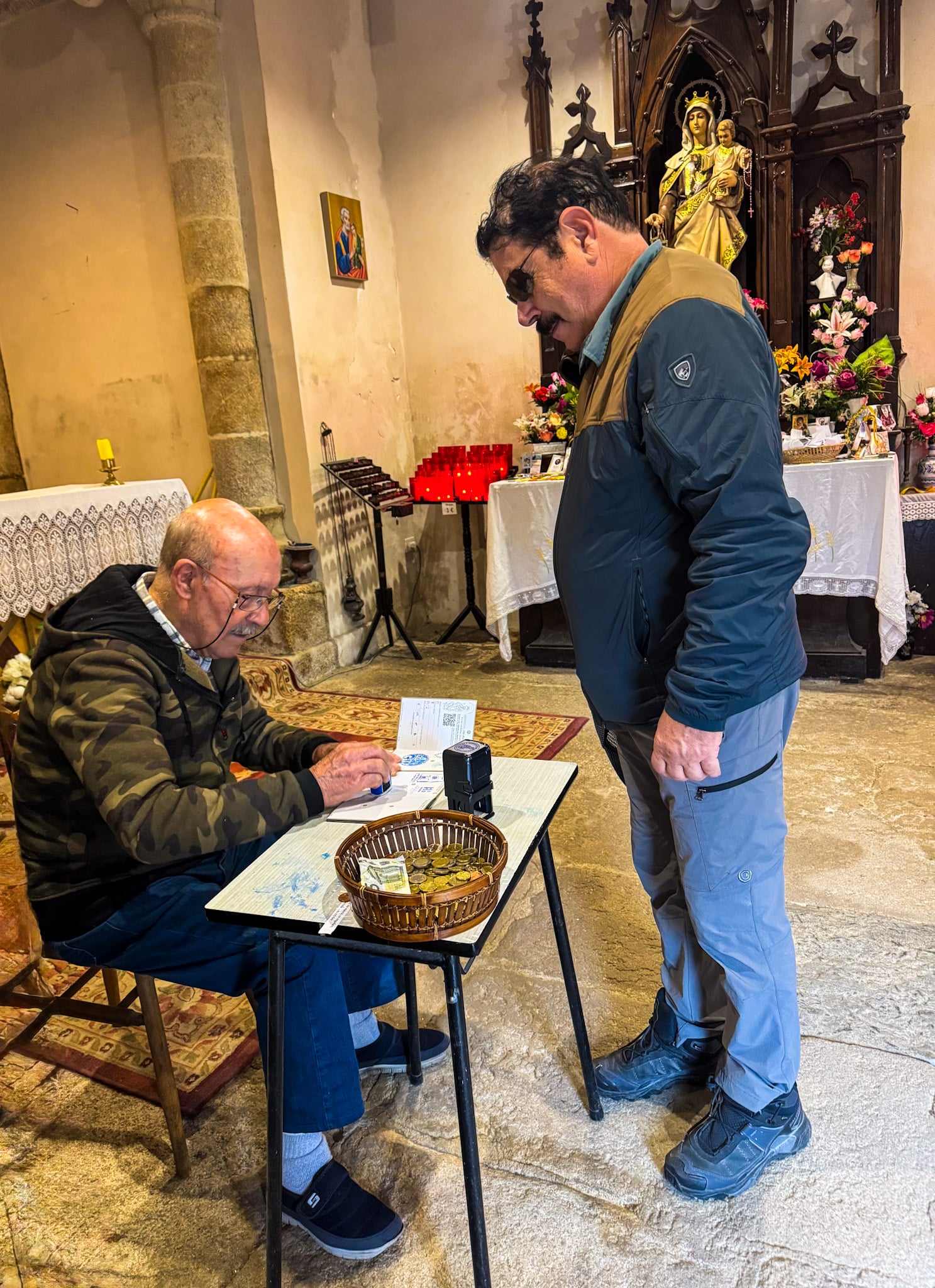
Getting my Camino Pilgrim Passport stamped at a church in Palas de Rei Photo: Nicholas Kontis
Beyond the Walk
Many pilgrims spend their mornings walking, leaving afternoons free for local experiences such as wine tastings, castle or farm visits, cheese-making, or spiritual quiet time.
The Castilla region, famous for its food and wine, boasts over 400 castles, some dating back to the 13th century. In Ponferrada, pilgrims pass the largest Templar castle in Europe, built in the 12th century by the Knights Templar.
Some routes, like the Winter Way or the English Way (from England or Ireland by boat), offer unique, quieter paths. More than 70 percent of pilgrims pass through Burgos, one of the earliest major cities on the French Way.
Things to Note
Training is paramount. Tackling the Pyrenees with 30 km of climbing on day one is no joke.
Budget varies. Young people often spend only 25 to 30 euros a day, while others splurge on 150 euros for private lodging. You can walk for a week, a month, or longer. Experiences vary, but one thing is true for all: The Camino changes them.
Upon arrival in Santiago de Compostela, you’ll display your passport filled with stamps and receive your Compostela certificate. But the valid reward isn’t paper. It’s the people you meet. The stories you share. The blisters, the laughter, the quiet, and the deep connection to something bigger than yourself.
Click here for discounted accommodations in Northern Spain
Join the community!
Join our community to receive special updates (we keep your private info locked.)

