

Literary Tourism: The Real Places Behind Famous Books

Literary tourism can lead travelers to an author’s home, a story setting or the locations used to bring a famous book to the screen.
Posted August 9, 2026
A good book can make a place feel familiar before we ever arrive. We picture the island, prairie, beach, courthouse or family home because a writer has already taken us there. When a film or television series brings that story to the screen, the pull can become even stronger.
That is why literary tourism deserves its own place in the travel conversation. It is not simply another name for set-jetting. Literary tourism begins with a book, an author or a landscape connected to the written story. Set-jetting begins with what viewers see on screen and leads them to filming locations. Sometimes the two routes meet. At other times, they lead to entirely different places.
Why Literary Tourism Is Not Set-Jetting
The difference has become more important as screen-inspired travel grows. Expedia defines set-jetting as travel influenced by movies and television. Its 2026 research found especially strong interest among Gen Z and millennial travelers. It also reported a 60% increase in Yorkshire searches during the first six weeks after the 2026 Wuthering Heights adaptation.
Literary tourism has a longer history. Readers have visited authors’ homes, graves, bookstores and fictional settings for generations. Today, a new adaptation can revive an older book and send another wave of travelers searching for the places behind it. The best journeys do more than recreate a scene. They also uncover the history, culture and communities that existed before a production crew arrived.
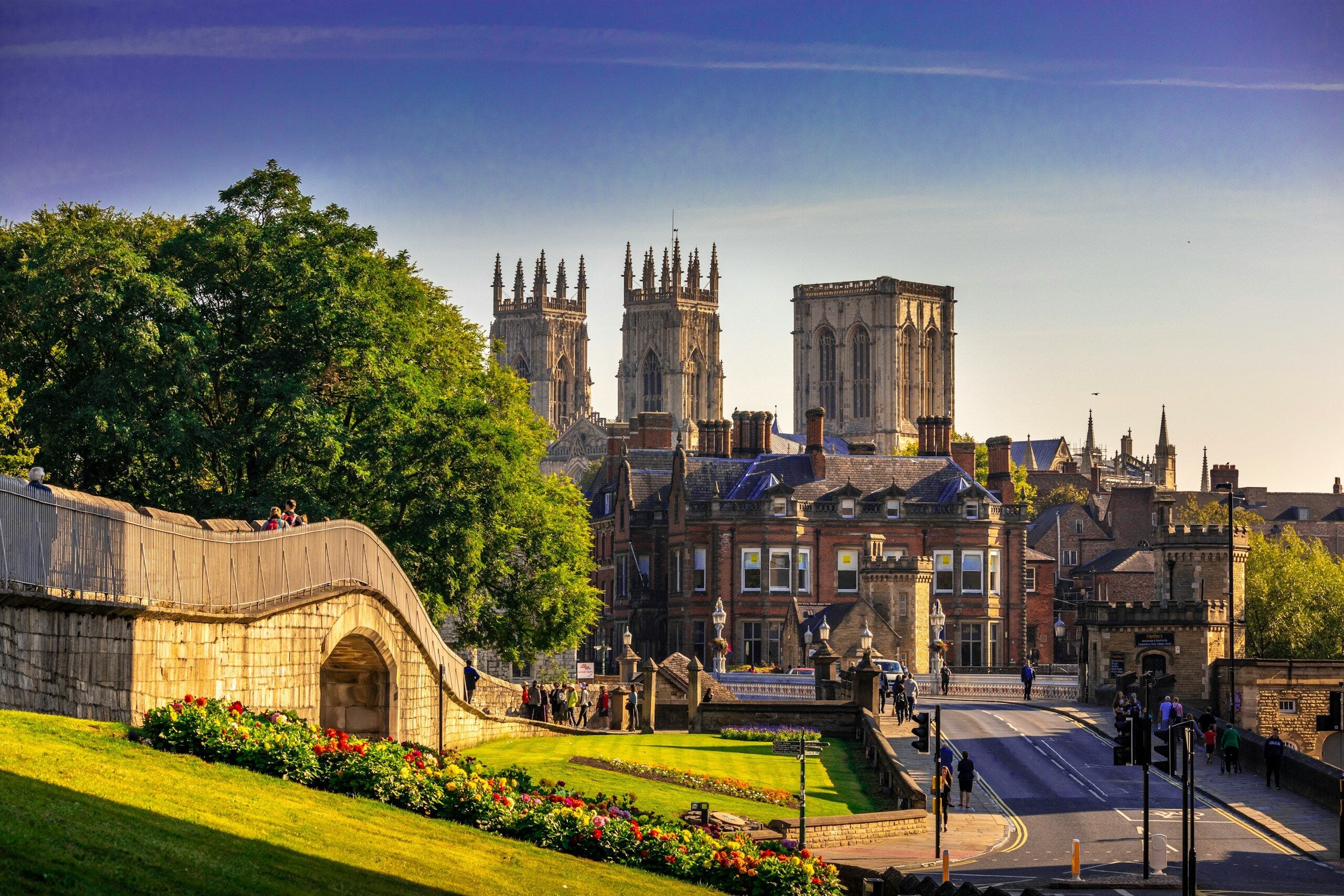
Photo by Karl Moran
How to Plan a Literary Tourism Trip
Before booking, decide which version of the story you want to follow. An author’s home, a fictional setting and a filming location may sit in three different places. Check official visitor information before entering private neighborhoods or fragile natural areas. Museums and local guides can also explain what a photograph cannot.
The strongest itineraries leave room for the destination beyond the book. A literary landmark may introduce the trip, but local history, independent bookstores, food and community voices make it worth taking.
The Odyssey Turns an Ancient Journey Into a New Travel Story
Christopher Nolan’s adaptation of Homer’s ancient epic, The Odyssey, opened in theaters on July 17, 2026. Expedia has already listed Greece’s Peloponnese among its 2026 set-jetting destinations linked to the film.
Viewers may seek out the landscapes used in Nolan’s production. Readers, however, have associated Ithaca with Odysseus and his long journey home for centuries. The modern Greek island embraces that identity, but the epic does not translate into a precise modern itinerary.
In Vathy, the Archaeological Museum of Ithaki displays material connected to Homeric tradition and Odysseus. The Archaeological Collection of Stavros also holds finds that allude to The Odyssey, including a fragment of a Hellenistic mask bearing an inscription translated as a prayer to Odysseus. The new film may spark the trip, but mythology, archaeology and local identity give it depth.
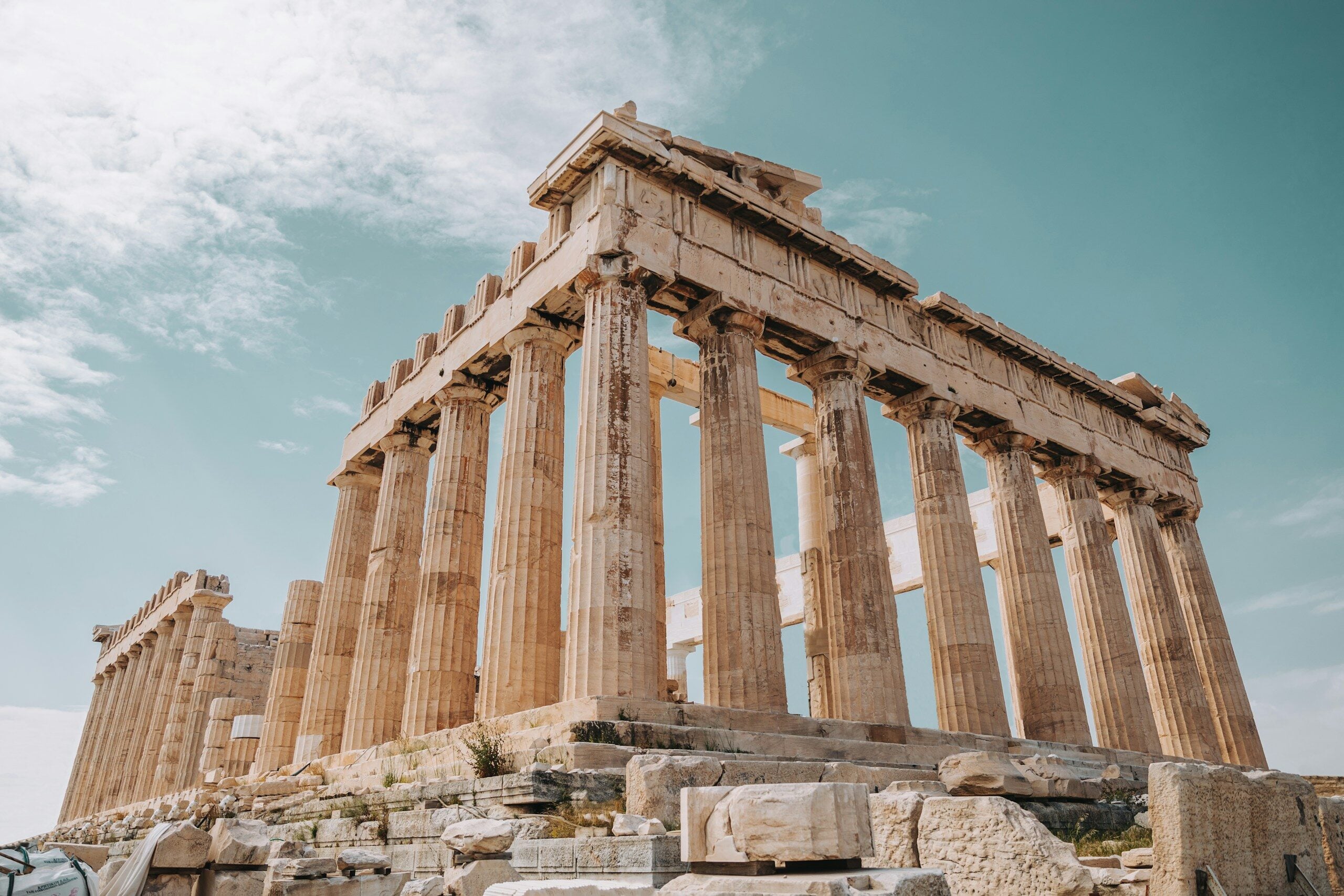
Photo by Spencer Davis
Little House on the Prairie Reopens the American West
Netflix’s new Little House on the Prairie adaptation premiered on July 9, 2026. It is based on Laura Ingalls Wilder’s semi-autobiographical books, not a simple remake of the long-running television series. The production also worked with Osage and other Indigenous contributors and includes Indigenous characters whose presence broadens the familiar frontier story.
The literary trail stretches across the Midwest. The Little House Wayside near Pepin, Wisconsin, marks Wilder’s birthplace with a reproduction cabin. Near Independence, Kansas, the Little House on the Prairie Museum preserves the site associated with the family’s Kansas years. In De Smet, South Dakota, visitors can tour the Surveyor’s House, First School and Ingalls Home.
These places carry powerful nostalgia, but they also provide context. The Ingalls family settled on the Osage Diminished Reserve before the land legally opened to white settlement. A responsible visit makes room for that history rather than treating the prairie as empty land waiting for pioneers.
The Hunger Games Keeps North Carolina in Panem
North Carolina remains one of the clearest places where literary tourism and set-jetting meet. The first Hunger Games movie turned Henry River Mill Village into District 12 and used western North Carolina landscapes to create the arena. The state still maintains an official Hunger Games filming-locations itinerary.
At Henry River Mill Village, fans recognize the Mellark family bakery and the workers’ houses seen on screen. Yet the village has its own history. Founded in 1905, it operated as a textile community until the mill closed in the 1970s.
Interest is likely to rise again. Suzanne Collins’s Sunrise on the Reaping has sold more than 4.4 million World English copies, and Lionsgate plans to release the film adaptation on November 20, 2026. The franchise may open the door, but Henry River’s industrial past gives visitors another story to carry home.
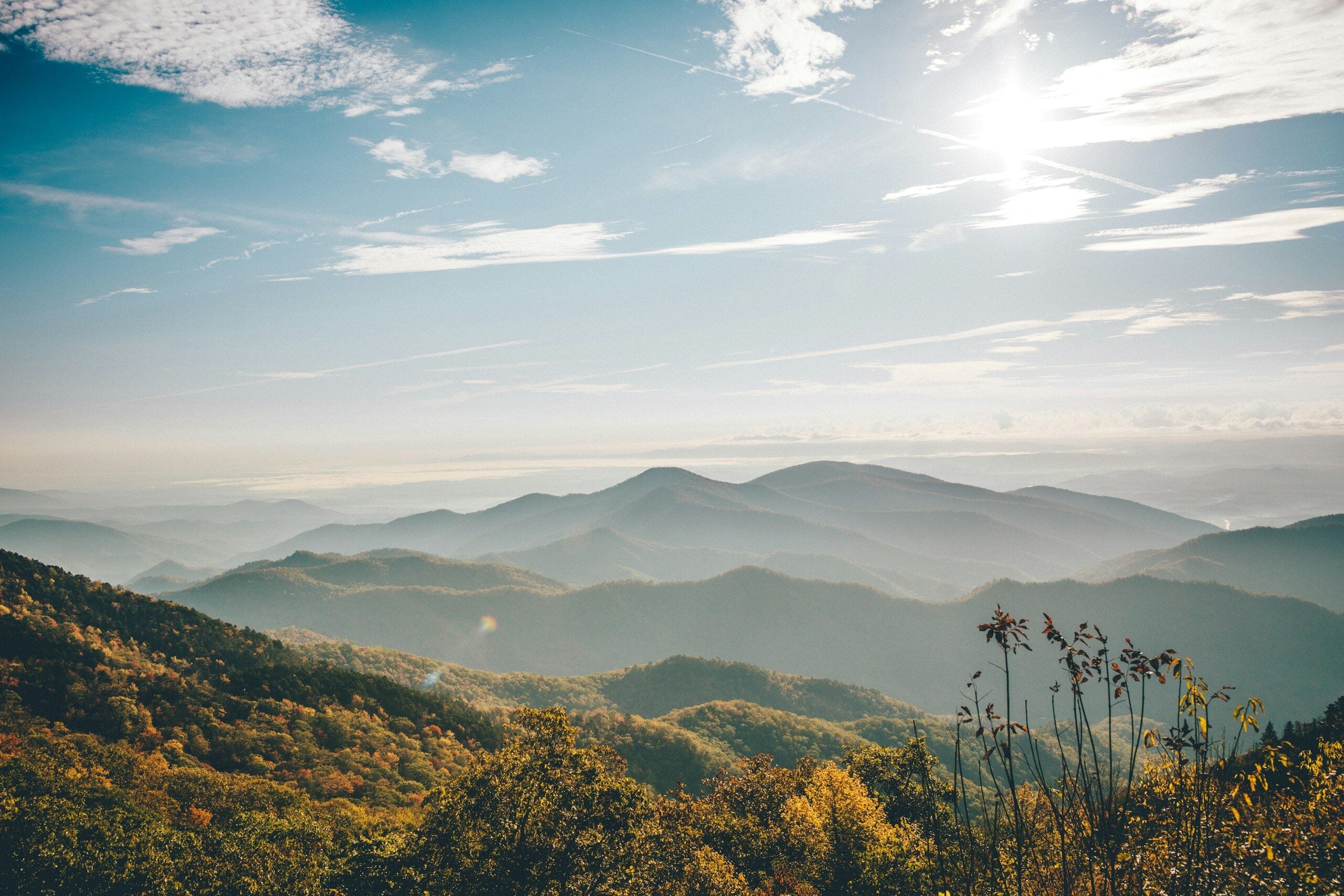
Photo by Wes Hicks
Cousins Beach and Forks Show the Difference
Jenny Han’s The Summer I Turned Pretty created fictional Cousins Beach. Prime Video created its screen version in Wilmington, Carolina Beach, Kure Beach and Wrightsville Beach. The regional tourism office now offers a detailed guide to the filming locations, and a feature film will continue the story.
That is set-jetting shaped by a bestselling book series. Fans travel to North Carolina because they recognize real restaurants, boardwalks and beaches used to create a fictional destination.
Forks, Washington, reverses the pattern. Stephenie Meyer set Twilight in the real Olympic Peninsula town, but filmmakers shot much of the first movie elsewhere. Readers still travel to Forks because the books made its rain, forests and isolation part of the story. The town maintains a year-round Twilight collection and hosts the Forever Twilight in Forks festival each September.
Classic Literary Tourism Still Draws Travelers
Some books do not need a new adaptation to keep people traveling. At Orchard House in Concord, Massachusetts, Louisa May Alcott wrote and set Little Women. Much of the furniture belonged to the Alcott family, and the shelf desk built for Louisa remains in the house.
F. Scott Fitzgerald’s The Great Gatsby leads readers to Long Island’s Gold Coast mansions. The estates helped shape the world behind fictional East Egg and West Egg. Their beauty is part of the appeal, but so is the inequality beneath Fitzgerald’s portrait of wealth and reinvention.
In Oxford, Mississippi, Rowan Oak connects visitors with William Faulkner and the landscape behind Yoknapatawpha County. His handwritten outline for A Fable remains on his office wall. Oxford’s bookstores and literary events keep that tradition alive beyond the historic house.
Monroeville, Alabama, offers an especially useful distinction. The film version of To Kill a Mockingbird was not shot inside the Old Monroe County Courthouse. Hollywood designers measured and photographed the courtroom, then recreated it on a soundstage. Travelers visit because Harper Lee’s hometown helped shape Maycomb and the novel’s moral landscape.
The Help sits closer to conventional film tourism. Kathryn Stockett set the novel in Jackson, Mississippi, while filmmakers used Greenwood to recreate the early 1960s. A self-guided tour still identifies film locations. Yet Greenwood’s civil rights history deserves equal attention, including the 1966 Black Power speech delivered there by Stokely Carmichael during the March Against Fear.
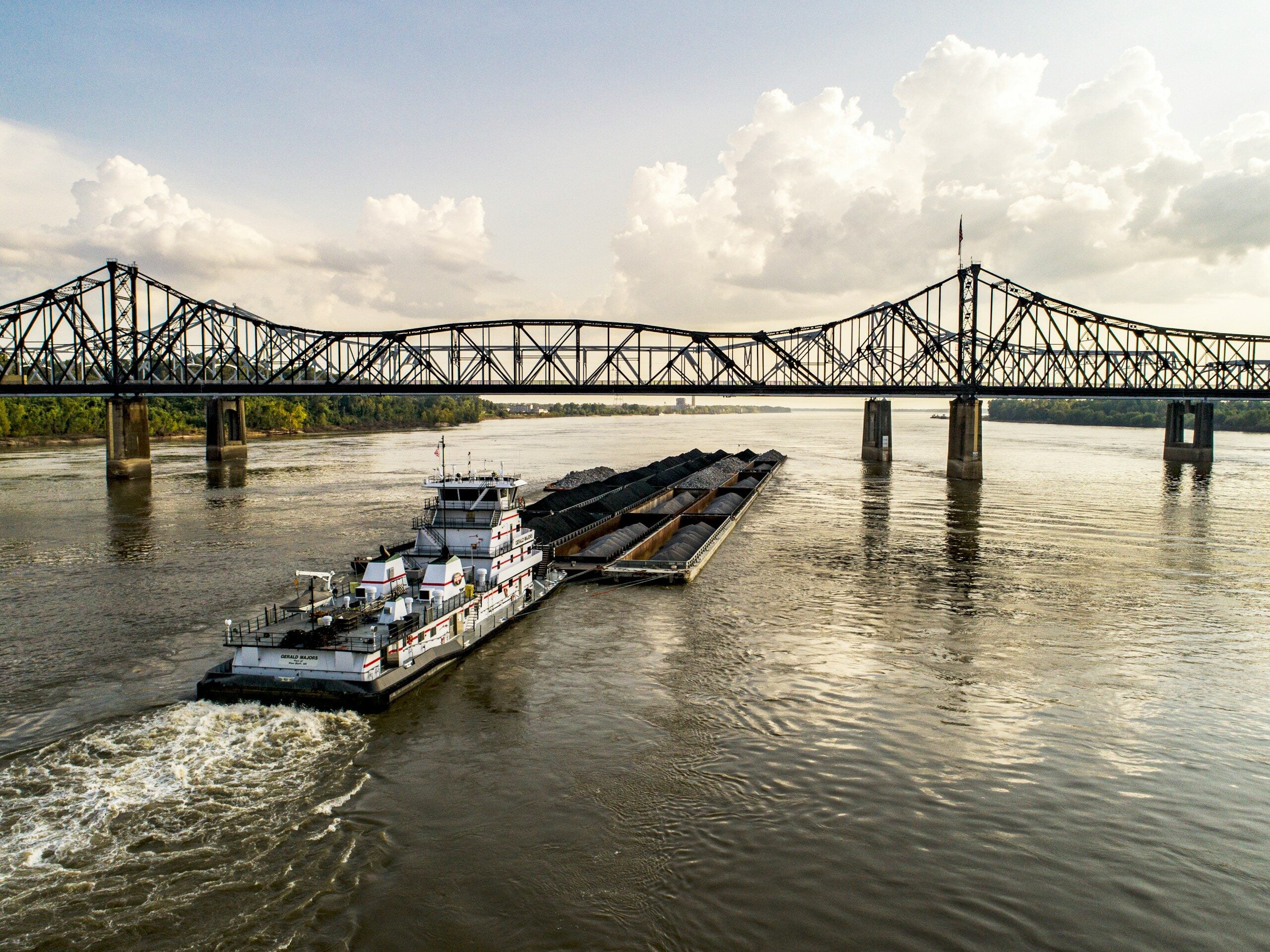
Photo by Justin Wilkens
Let the Real Place Tell the Fuller Story
Books can lead us toward places we might otherwise overlook. Screen adaptations can widen that interest and give familiar stories new audiences. Yet no destination should be reduced to a set, a character or one carefully framed photograph.
The most valuable literary tourism allows the real place to complicate the story. It asks who lived there, what history shaped the landscape and what the book or film left outside the frame. A story may inspire the journey, but the destination should have the final word. That is destination stewardship in practice.
World Footprints also explores the connection between books and place through our guide to crime fiction destinations around the world.
Find hotel deals anywhere in the world
Search the map to compare hotels, locations and prices in any destination, and find the stay that best fits your trip and budget.
Join the community!
Join our community to receive special updates (we keep your private info locked.)