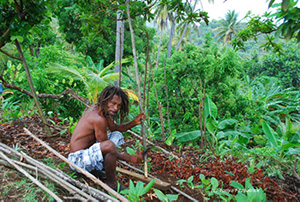

Digital Nomad Life: What to Know Before Working Abroad

Digital nomad life can offer flexibility and freedom, but working while traveling also requires reliable connectivity, planning and a sustainable routine.
By Ali Jennings
Posted October 29, 2026
Editor’s Note: This article combines and substantially updates two earlier World Footprints essays by Ali Jennings about her experience as a digital nomad. It has been expanded to reflect the realities of remote work abroad today, including visas, taxes, connectivity and the responsibilities that come with living and working in another country.
Working from a laptop while traveling the world can look like the ultimate escape from routine. No commute. No fixed office. A new city whenever you feel ready to move on.
I understand the appeal because I have lived it.
I became a digital nomad in 2016, long before remote work became as mainstream as it is today. The lifestyle has given me the freedom to spend more time in places than I could on a typical vacation, choose work that interests me and experience countries in ways I never imagined when I was growing up in Yorkshire.
But the Instagram version of digital nomad life leaves a lot out.
There are deadlines to meet, unreliable internet connections to solve, accommodation to arrange, time zones to manage and days when you have seen more of your laptop screen than the destination outside your window.
And in 2026, there is another reality: working abroad is no longer simply a question of packing a laptop and buying a plane ticket.
Digital Nomad Life Has Changed
Digital nomadism has grown from a relatively niche lifestyle into a recognized form of cross-border work.
Dozens of countries now offer visas or other immigration pathways designed specifically for remote workers. Some are aimed at freelancers and entrepreneurs, while others are designed for people employed by companies based outside the host country.
That makes working abroad easier in some respects, but it also makes it more important to understand what you are actually allowed to do.

Digital nomad life can look flexible and inspiring, but it also depends on finding a workspace, staying productive and managing work on the move. Photo: Roberto Hund / Pexels
A tourist visa and permission to work remotely are not necessarily the same thing. Income requirements, health insurance, length of stay and tax obligations can vary widely from country to country.
The EY Digital Nomad and Remote Work Guide notes that remote-work pathways have expanded significantly but also emphasizes immigration, tax, employment and compliance considerations for people working across borders.
Freedom may be part of the attraction, but paperwork is now part of the lifestyle too.
It Is Not as Glamorous as It Looks
One of the first things I learned was how much organization digital nomad life requires.
When you move regularly, you are not just traveling. You are planning transportation and accommodation while also maintaining a work schedule. You need to know where you will sleep, whether you will have reliable internet and whether the place where you are staying will actually allow you to concentrate.
Sometimes that means a comfortable apartment with excellent Wi-Fi. Other times it means hunting for a café with a stable connection because the internet disappeared just as you needed to send an important file.
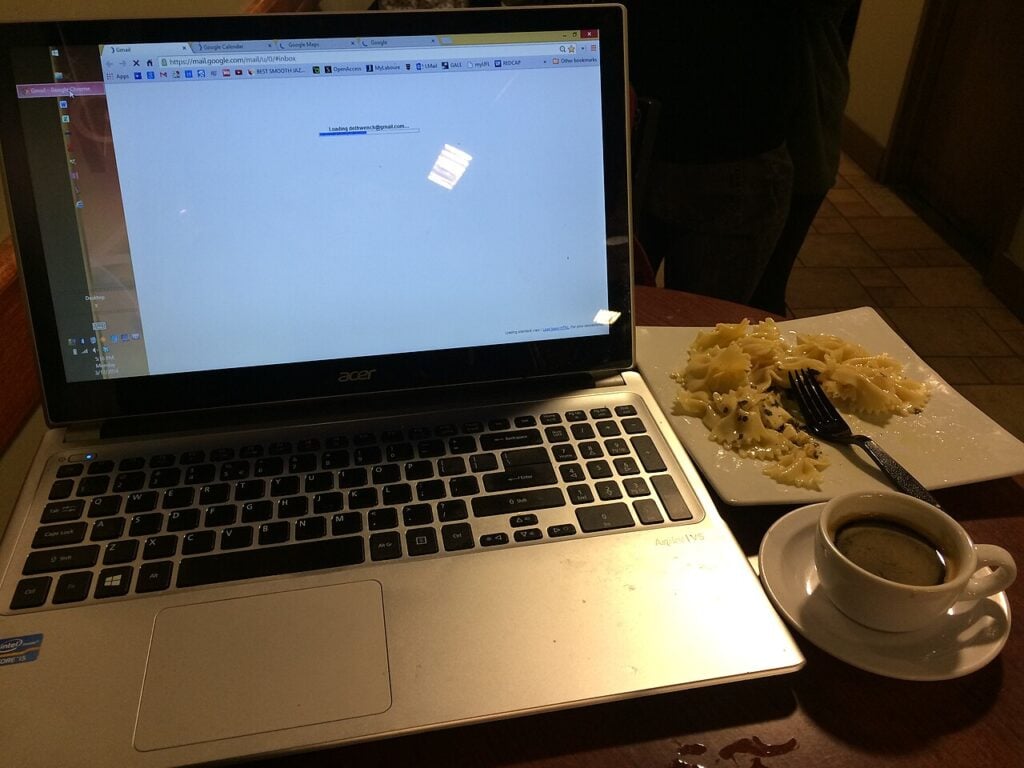
A café can become a temporary office for remote workers, but connectivity and a productive workspace are not always guaranteed. Photo: Monika Wahi/Wikimedia Commons, CC BY-SA 3.0
Constant movement can also make productivity harder. It takes time to settle into a new place, establish a routine and learn how things work. Just as you begin to feel comfortable, it may be time to move again.
The freedom is real. So is the logistical work behind it.
You May Work Harder, Not Less
I originally imagined digital nomadism would give me far more free time.
It did give me flexibility. It did not eliminate work.
That distinction matters, particularly for freelancers. A salaried remote employee may know what income is arriving each month. Freelancers often do not.
When your income depends on finding and retaining clients, there is always the possibility that next month will be quieter than this one. That uncertainty can make it difficult to switch off.
I eventually realized that I often worked harder as a digital nomad than I had in a conventional job.
What changed was not necessarily the amount of work. It was my ability to decide where and, to some extent, when I did it.
Staying Longer Changes How You Experience a Place
This is one of the lessons from my earlier years as a digital nomad that still matters most.
When you visit somewhere for a few days, even an active traveler usually sees only part of it. Staying longer changes the rhythm.
You begin discovering neighborhood restaurants rather than searching constantly for attractions. You learn where people buy groceries, how public transportation actually works and which streets feel different at various times of day.
A destination gradually stops functioning only as somewhere you are visiting.
That does not automatically make a digital nomad a local, nor should travelers pretend that it does. But slower travel can create opportunities to engage with a place beyond its tourism infrastructure.
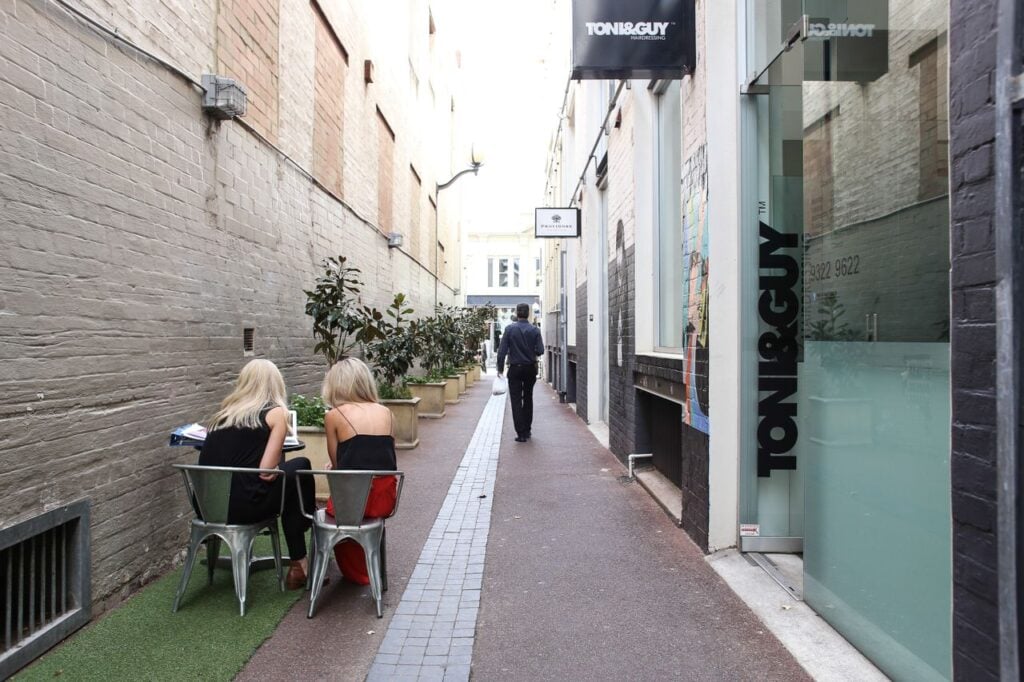
Staying longer can shift travel away from major attractions and toward neighborhood cafés, familiar streets and the rhythms of everyday life. Photo: Rachel Claire / Pexels
That comes with responsibility too.
Choosing somewhere simply because it is inexpensive can ignore what rising rents, short-term housing and concentrations of higher-income foreign workers may mean for residents. Being able to live somewhere temporarily is not the same thing as having no impact on that community.
The best version of digital nomadism should make us more attentive to the places that make our freedom possible.
You Learn to Adapt
Travel has always required adaptability, but living and working across multiple countries makes it part of everyday life.
A delayed flight is no longer simply an inconvenience if you have a meeting several hours later. A lost key, power outage or internet failure can become a work problem as quickly as it becomes a travel problem.
Over time, I became much less rattled when things went wrong.
I also became more confident about arriving somewhere unfamiliar, figuring out transportation, finding accommodation and navigating places where I might not speak the language.
Those skills did not come from working on a laptop.
They came from repeatedly having to make a life, however temporary, somewhere new.
Less Stuff Can Mean More Freedom
When I decided to become a digital nomad, I had to reduce my possessions to what I could reasonably carry.
I expected that to be difficult.
Instead, it was surprisingly freeing.
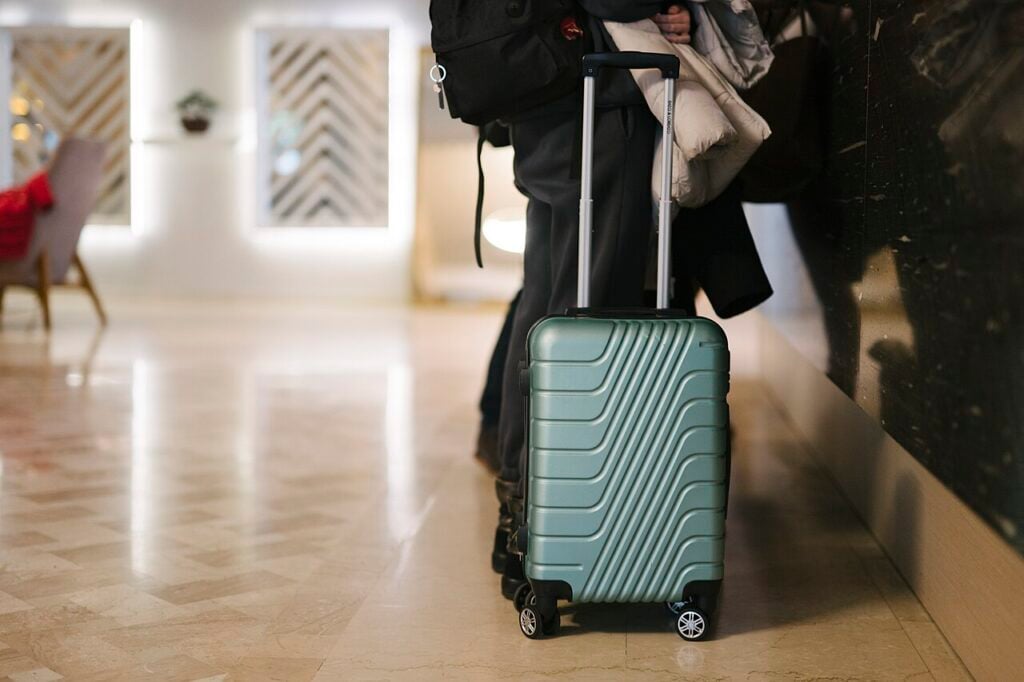
Living and working on the road often means carrying less, moving often and deciding what is truly essential. Photo: Shixart1985, under the Creative Commons Attribution 2.0
Like many people, I had spent years accumulating things I thought I needed. Once I began traveling continuously, I became much more conscious of what was actually useful.
I still buy things, of course, but the question has changed. Do I value this enough to carry it with me?
Living from luggage is not for everyone, but it forced me to reconsider the relationship between possessions and freedom.
Your Laptop Is Only Part of the Infrastructure
The 2019 World Footprints article 5 Tips for Becoming a Successful Digital Nomad got one thing particularly right: digital nomads depend on infrastructure.
A reliable computer matters. So do secure internet access, chargers, adapters, backups and some kind of working routine.
Cybersecurity deserves more attention today than it did when many early digital-nomad articles were written. Public Wi-Fi, shared workspaces and frequent travel create additional opportunities for data and devices to be compromised.
World Footprints explores that issue further in Digital Security in the Age of Remote Work, including secure access, authentication and protecting information outside a traditional office.
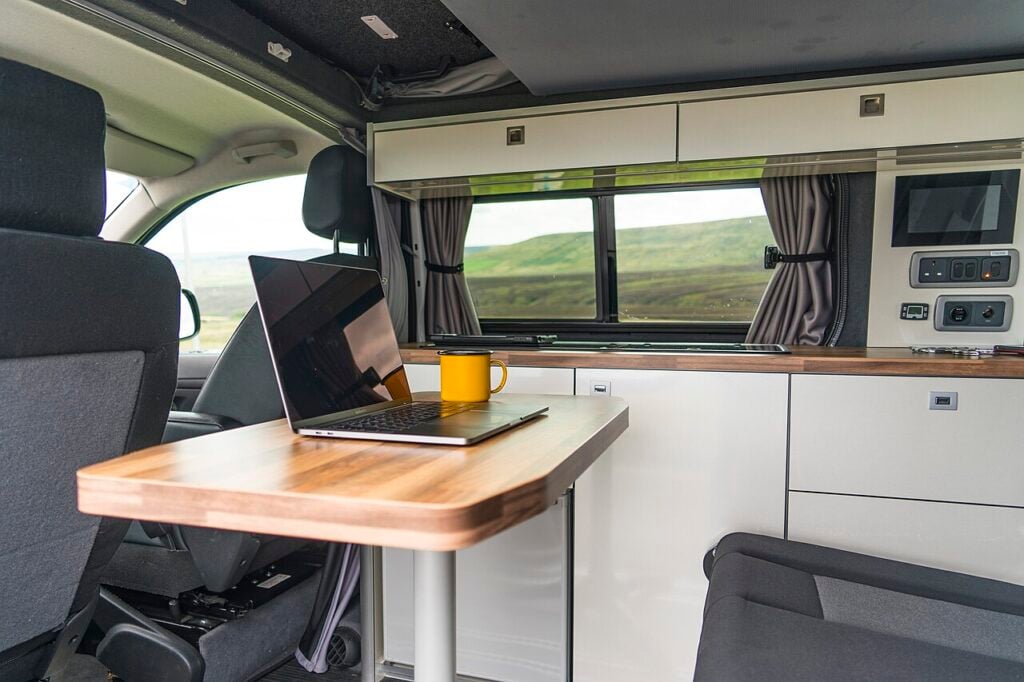
Location-independent work can take many forms, but every mobile office still depends on equipment, power and connectivity. Photo: CruiseAmerica/Wikimedia Commons, CC BY-SA 4.0
The romantic idea is that your office can be anywhere.
The practical reality is that wherever you choose still needs to function as an office.
Do Not Ignore Visas, Taxes and Insurance
This is perhaps the biggest difference between conversations about digital nomadism a decade ago and those happening now.
Countries increasingly recognize digital nomads as a distinct category of visitor or temporary resident. The International Bar Association reported in 2026 that more than 60 digital-nomad visa schemes have emerged internationally, while also pointing to continuing inconsistencies among immigration systems.
A digital-nomad visa also does not automatically settle every other legal question.
Where you owe taxes can depend on residency, income, how long you stay and the laws of more than one jurisdiction. Employees may also need their employer’s permission before working from another country.
Insurance matters too. Some remote-work visa programs require proof of medical insurance, and ordinary domestic health coverage may not follow you abroad.
Before relocating, check current government immigration requirements and get qualified advice when your tax or employment situation requires it.
Make Room for an Actual Life
One lesson took me longer to learn: mobility can make it easy to neglect yourself.
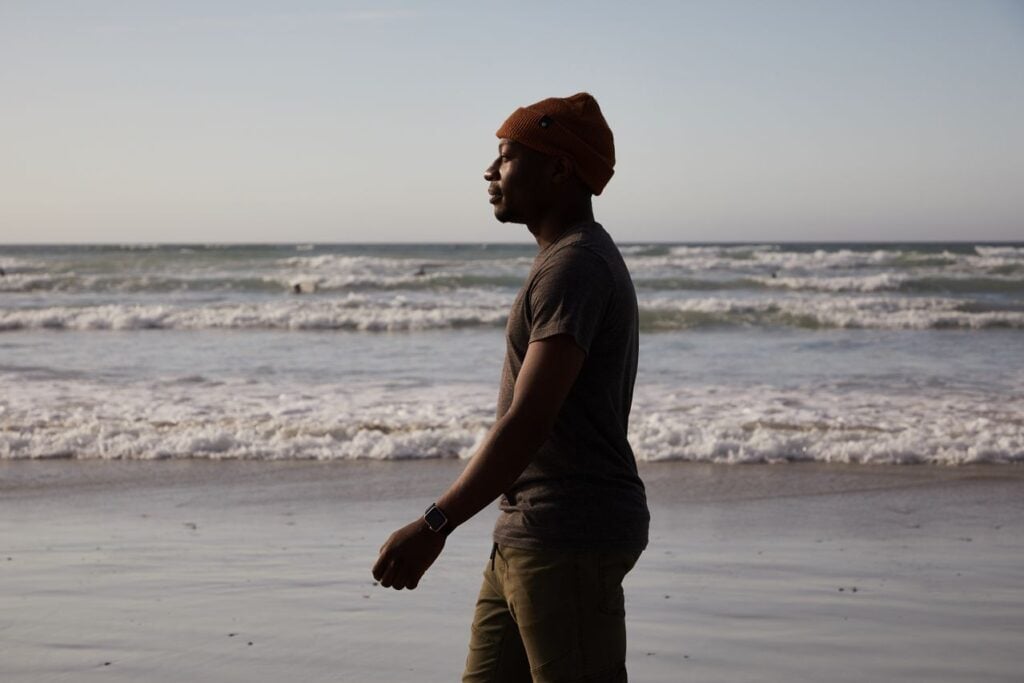
Location independence is not just about where you work. Making time to step away from the screen and experience a destination is part of creating a sustainable digital nomad life. Photo: Laker / Pexels
Travel disrupts routines. Meals change. Sleep patterns change. Exercise disappears. Long journeys are tiring, and sitting in front of a laptop for hours is still sitting in front of a laptop, whether you are in London or Lisbon.
Eventually I became more deliberate about maintaining my health and creating boundaries between work and travel.
That also meant allowing myself to stop moving.
Digital nomadism does not require changing countries every few weeks. Sometimes staying longer makes work easier and travel richer.
Would I Still Choose the Digital Nomad Life?
Yes.
Despite unreliable Wi-Fi, long workdays, travel fatigue and the bureaucracy involved in working across borders, becoming a digital nomad remains one of the best decisions I have made.
It gave me something I had imagined since childhood: the freedom to travel without treating every journey as something that had to end after a week or two.
But freedom is not the same as permanent vacation.
Digital nomad life works best when you understand the tradeoffs: flexibility in exchange for uncertainty, mobility in exchange for planning and independence in exchange for responsibility.
The beaches are real.
So are the deadlines.

For many digital nomads, the appeal is not escaping work but gaining more control over where life and work happen.
Book Your Travel to ANY Destination
Search, compare and book hotels & rentals at the best prices that are sourced from a variety of platforms including Booking.com, Hotels.com, Expedia, and more. Search for ANY destination by clicking in the upper left corner of this map.