

Thanksgiving Travel Tips: TSA Rules, Flight Delays and Apps

Planning ahead can make navigating the Thanksgiving travel rush considerably easier. Photo by JoshuaWoroniecki
Posted October 10, 2026
Editor’s Note: Originally published November 16, 2024, this World Brief has been substantially updated and republished for Thanksgiving 2026, with current TSA requirements, airline passenger protections, travel apps, and practical advice for navigating the holiday rush.
Getting home for Thanksgiving shouldn’t be the hardest part of the holiday. Yet crowded airports, unpredictable weather, flight cancellations, and traffic backups can test even the most seasoned traveler.
And the crowds are no exaggeration. On the Sunday following Thanksgiving in 2025, the Transportation Security Administration (TSA) screened more than 3.1 million passengers, setting a single-day record for U.S. airport security checkpoints.
With Thanksgiving falling on Thursday, travelers should pay particular attention to the days immediately before and after the holiday. The Wednesday before Thanksgiving and the Sunday after have historically been among the busiest days for flying.
Whether you’re traveling across the country or making a shorter trip to visit family, these Thanksgiving travel tips can help you avoid unnecessary headaches, navigate airport security, and understand your options when plans don’t go as expected.
Plan Around the Busiest Thanksgiving Travel Days
If your schedule allows some flexibility, consider traveling before the midweek rush or returning a day or two after the holiday weekend.
For Thanksgiving 2026, Wednesday, November 25, and Sunday, November 29, are worth watching closely based on historical passenger traffic. That doesn’t mean every flight on those dates will be delayed, but crowded terminals and full aircraft can make disruptions harder to manage.
Thanksgiving Day itself has historically been a lighter day for air travel. Flying that morning may be an option if you’re willing to sacrifice part of the holiday.
Another consideration is whether your trip involves a connection. A cheaper itinerary isn’t necessarily a bargain if it includes a tight connection through an airport where winter weather frequently creates problems.
When practical, choose a nonstop flight and leave some breathing room in your schedule. If you’re attending an important family gathering, arriving the day before you need to be there can spare you a great deal of anxiety.
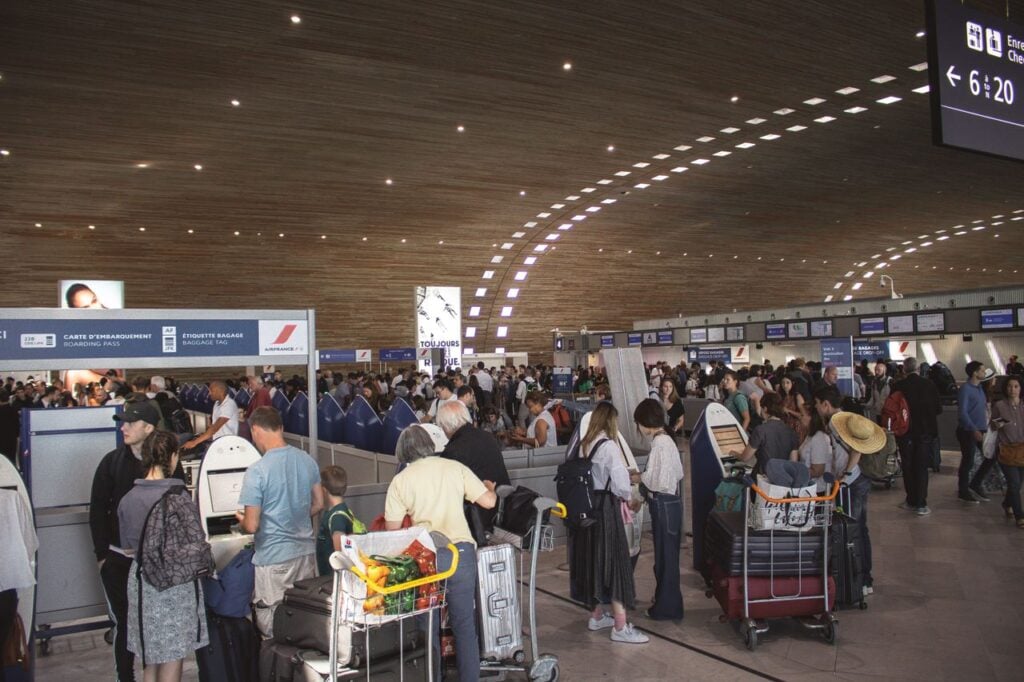
Busy airport terminals are a familiar part of holiday travel, making advance planning especially important. Credit: Connor Danylenko / Pexels
Check Your REAL ID Before Heading to the Airport
One of the most important changes for holiday travelers concerns identification.
Since May 7, 2025, adults flying domestically have been required to present a REAL ID-compliant driver’s license or another TSA-accepted form of identification, such as a valid U.S. passport.
And there’s an added cost for those who arrive without acceptable identification.
As of February 2026, TSA offers an alternative identity verification process called TSA Confirm.ID, which costs $45 and is valid for a 10-day travel period. However, paying the fee does not guarantee that your identity can be verified or that you’ll be permitted through security.
That’s an expensive and potentially frustrating surprise to encounter when you’re trying to catch a flight.
Before leaving home, check your identification and review the TSA’s REAL ID requirements.
Know What’s Changed at TSA Security Checkpoints
There is some good news for travelers.
In July 2025, TSA ended its longstanding requirement that most passengers remove their shoes during airport security screening. While officers may still request shoe removal for additional screening, most travelers can now keep their shoes on.
TSA PreCheck remains useful because participating travelers generally have access to dedicated screening lanes and simplified procedures. Just make sure your Known Traveler Number is attached to your airline reservation and that the TSA PreCheck indicator appears on your boarding pass.
However, some familiar security rules haven’t changed.
The 3-1-1 liquids rule still applies to most carry-on toiletries and other liquids, gels, and aerosols. Containers must generally be no larger than 3.4 ounces (100 milliliters) and fit into one quart-sized bag per passenger. Certain medications and infant feeding supplies qualify for exceptions.
Thanksgiving meals also require some attention when packing.
You can generally bring solid foods, including pies, cookies, and baked goods, through security. But gravy, cranberry sauce, jams, and other spreadable or pourable foods are subject to the liquids rule when packed in carry-on luggage.
Planning to bring gifts? Leave them unwrapped or use gift bags. TSA officers may need to inspect the contents, and you don’t want to spend time wrapping everything twice.
Before packing, consult the TSA’s What Can I Bring? list.

Travelers should check identification requirements and carry-on restrictions before arriving at the airport.
Check In Early and Be Smart About Your Luggage
Most airlines open online check-in approximately 24 hours before departure. Take advantage of it, especially if you have seats to confirm, bags to pay for, or travel documents to review.
Airline baggage policies vary considerably, including what qualifies as a free personal item or carry-on. Don’t assume that the baggage allowance you received on your last flight still applies, even when flying the same airline.
Check the dimensions and weight restrictions for your particular fare before packing.
If you’re checking a suitcase, keep medications, valuables, essential documents, chargers, and a change of clothes with you. A small portable battery charger can be particularly useful when you’re depending on your phone for boarding passes and flight updates. Remember that spare lithium-ion batteries and power banks belong in carry-on baggage, not checked luggage.
I also recommend keeping a copy of your itinerary available offline, whether it’s a screenshot on your phone or a printed confirmation.
As for airport arrival times, two hours before a domestic flight and three hours before an international departure remain useful starting points. But during Thanksgiving week, follow your airline’s and airport’s recommendations, particularly if you’re checking bags or traveling through a busy hub.

Allowing extra time at the airport can make Thanksgiving travel less stressful, particularly when flights are delayed. Photo by JESHOOTS com
Use Travel Apps That Actually Make Your Journey Easier
Your phone can be one of your most valuable travel tools, especially when flights are delayed or gates change unexpectedly. But not every travel app is worth downloading.
Here are several that deserve a place on your phone:
Your airline’s official app: This should be your first stop. Use it to check in, store your boarding pass, receive gate-change notifications, track checked luggage where available, and review rebooking options when flights are disrupted.
Hopper: Uses historical airfare data to predict price changes and alert travelers when fares may be worth booking. It’s useful for comparing Thanksgiving flight prices, but check the final cost against the airline’s website before purchasing. Review optional charges and paid features carefully, especially in light of the FTC’s 2026 action involving Hopper’s fees and Price Freeze service.
FlightAware: Useful for tracking flights, monitoring delays and cancellations, and checking where an incoming aircraft is located. Sometimes you’ll spot a potential delay before your airline sends an alert.
MyTSA: Offers information about airport security procedures, permitted items, historical airport traffic patterns, and crowdsourced security wait times. Treat those wait times as estimates rather than guarantees.
TripIt: Organizes flight, hotel, and other travel confirmations into one itinerary. This can be particularly helpful when you’re coordinating multiple reservations or traveling with family.
Waze: Provides traffic information and alternative routes. It’s useful for road trips and for checking the drive to the airport before you leave.
If you’re returning to the United States from an international Thanksgiving trip, the free U.S. Customs and Border Protection Mobile Passport Control app is another option worth exploring. Eligible travelers can use it at participating entry locations to streamline part of the arrival process.
You don’t need a dozen apps. A few reliable ones, with notifications enabled, can make a noticeable difference.

Smartphones can be valuable travel companions. Keep flight notifications enabled and essential itinerary information within easy reach. Photo by LoboStudioHamburg
Know Your Rights When Flights Are Delayed or Canceled
This is where travelers can save themselves money and considerable frustration.
Under U.S. Department of Transportation rules, passengers are entitled to a refund when an airline cancels a flight or makes a significant schedule change and the passenger chooses not to travel or accept an alternative offered by the airline.
A significant schedule change generally includes a domestic flight departing three or more hours early or arriving three or more hours late. For international itineraries, the corresponding threshold is six hours.
But a refund and a rebooking are not the same thing.
Airlines frequently offer alternative flights when disruptions occur, but federal rules do not universally require an airline to place you on the next available flight.
If you accept a rebooked flight and continue your journey, you’re generally not entitled to a refund of the original ticket price under the cancellation and significant-change rules.
What about meals, hotel accommodations, and transportation when you’re stranded?
That depends on why the disruption occurred and the airline’s customer service commitments. Problems within the airline’s control, such as certain maintenance or staffing issues, may qualify for assistance that isn’t available when a severe storm causes the disruption.
The Department of Transportation maintains two especially useful resources:
If your flight is canceled, open your airline’s app immediately to review alternatives while also contacting the airline if necessary.
Keep receipts for meals, transportation, and lodging if you’re forced to pay out of pocket. Depending on the circumstances, your airline’s policy, travel insurance, or a travel credit card’s benefits may provide reimbursement.
And don’t automatically accept a travel voucher without understanding whether you’re entitled to a cash refund.
Driving for Thanksgiving? Plan for Traffic Before You Leave
Not everyone is flying, of course. Thanksgiving also sends millions of travelers onto the highways.
If you’re driving, check traffic and weather conditions before leaving, and look beyond the fastest route suggested by your navigation app.
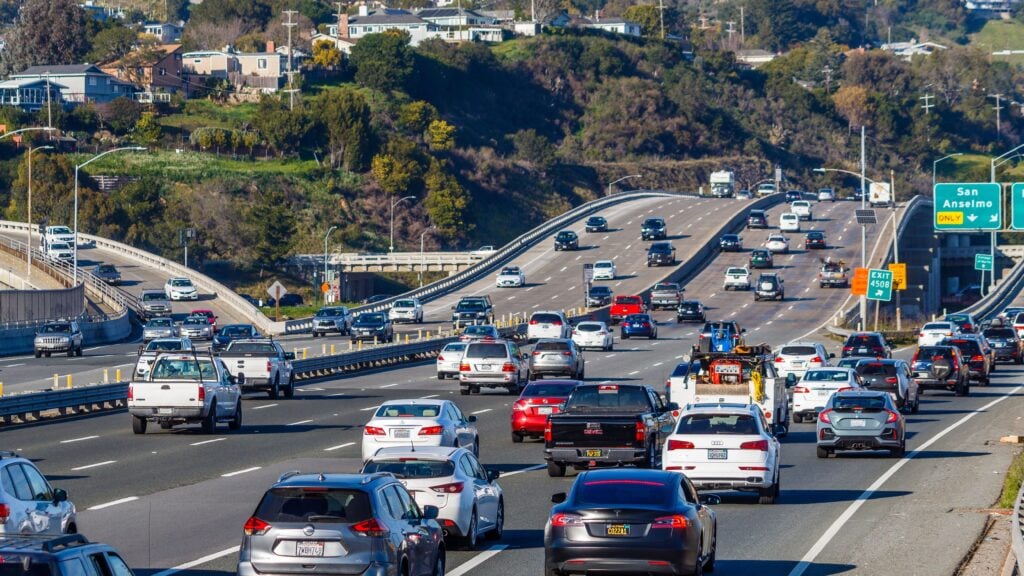
Heavy traffic can add hours to a Thanksgiving road trip. Check road conditions and allow extra travel time. Credit: Robert So / Pexels
An alternate highway may save time, but it could also add tolls or take you through areas where weather conditions are worse.
Allow time for rest stops, particularly on longer journeys. Make sure your vehicle is in good working condition, and check your tires, windshield wipers, and other essentials before departing.
If you’re driving to the airport, don’t overlook parking. Reserve a space in advance when possible, compare on-site and off-site parking options, and check shuttle schedules if you’re using a remote lot.
You may also find that public transit, where available, is a better option than driving into a congested airport.
A Little Preparation Goes a Long Way
One final suggestion: pack some patience along with your luggage.
Airline employees, TSA officers, airport workers, and transportation staff are managing enormous crowds during a time when many would rather be celebrating with their own families.
Courtesy won’t make a canceled flight take off, but it can make a difficult situation easier for everyone involved.
The point of all this planning isn’t to make Thanksgiving travel another complicated assignment. It’s to reduce the avoidable problems so you can spend less time worrying about getting there and more time enjoying the people you’ve traveled to see.
For more advice on staying rested and reducing holiday stress, read our World Footprints feature on staying healthy and less stressed during holiday travel.
Join the community!

Join our community to receive special updates (we keep your private info locked.)
