

Discovering Agritourism: Authentic Experiences for Travelers

A farm-to-table meal inside a greenhouse brings diners close to the place where food is grown. Photo by Andrew Malone.
Posted August 4, 2026
Editor’s Note: This World Brief was originally published in July 2024. It has been substantially rewritten and fact-checked to reflect current agritourism practices, seasonal realities and responsible ways to engage with working farms and rural communities. Activities and harvest dates can change, so travelers should confirm current conditions directly with individual operators.
Food often reaches us with much of its story removed.
By the time olive oil is poured over a meal, tea is steeped in a cup or maple syrup appears on the breakfast table, we rarely see the land, labor and agricultural knowledge behind it.
Agritourism offers travelers a way to recover some of that missing context. Agritourism experiences can include staying on a working farm, picking seasonal produce, touring an agricultural operation or learning how food moves from the field to the table.
The U.S. Department of Agriculture defines agritourism as a commercial enterprise that connects agricultural production or processing with tourism. Visitors come to a farm, ranch or agricultural business for education or recreation, while the activity generates income for the owner.
That additional income can help farms diversify. Agritourism may also educate visitors, preserve agricultural heritage and contribute to rural economies. Those benefits are possible, however, rather than automatic. A rural setting or farm-themed hotel does not necessarily tell us who owns the business, where the food originated or how much of the visitor’s money reaches the farmer.
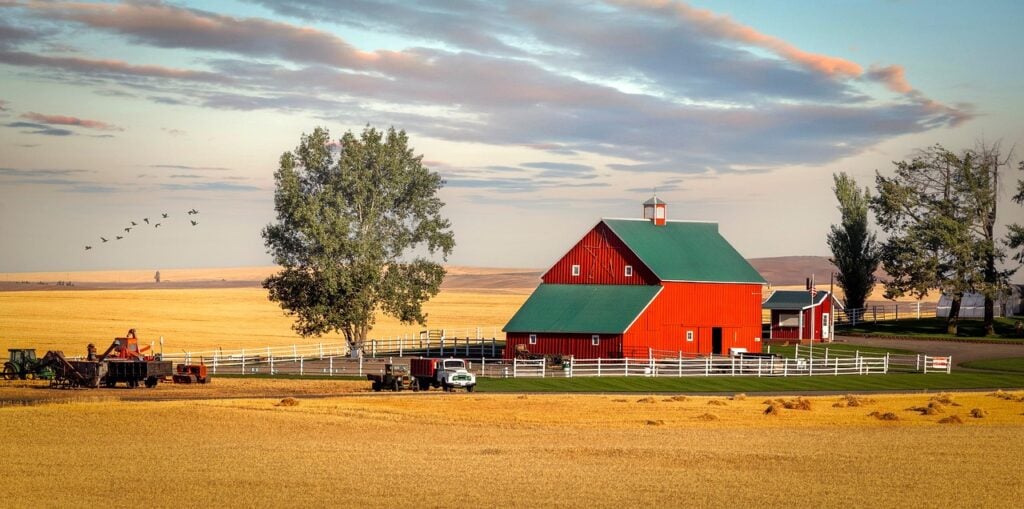
A working agricultural landscape is more than a scenic backdrop. Travelers should understand how tourism fits into the farm’s daily operations.
What Agritourism Can—and Cannot—Promise
Agritourism takes many forms. One property may offer overnight accommodations, while another welcomes visitors only for a tour, tasting or harvest activity.
World Footprints writer Breana Johnson explored the connection between food and place while picking blueberries on a Michigan farm. A farm-to-table journey through Powell, Wyoming showed how farms, ranches, museums, restaurants and other local businesses can become part of a broader regional food story. Both internal links are active.
Working farms are not theme parks with fixed performances. Weather can delay planting, shorten a harvest or change the daily schedule. Animals still require care when visitors arrive. A crop expected during a particular week may not be ready at all.
Travelers should therefore confirm what will actually be happening during their visit rather than assuming every advertised activity is offered throughout the year.
Tuscany, Italy: Understanding Agriturismo
Tuscany’s olive groves, vineyards and farmhouses have made it one of the world’s best-known rural destinations. Yet the Italian word agriturismo means more than a country hotel with rustic furniture.
Italy’s official Agriturismo Italia trademark identifies farms operating in accordance with the country’s agritourism laws and regulations. The symbol depicts a sunflower surrounding a farm. Its purpose is to distinguish recognized agricultural enterprises from businesses that simply borrow the appearance or language of farm life.
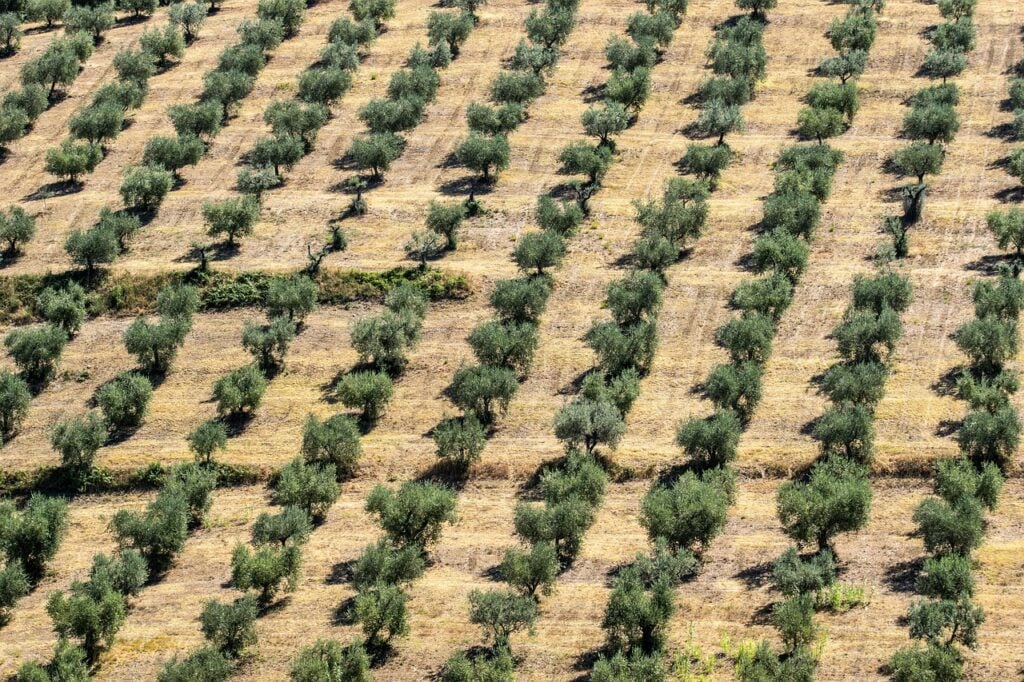
Olive trees form part of Tuscany’s working agricultural landscape, where harvest timing varies among growing areas and producers. Photo by AchiR/Pixabay.
Olive harvesting is one of Tuscany’s most recognizable seasonal activities, but there is no single harvest period for the entire region. Official Visit Tuscany pages show that timing varies among growing areas. Harvesting may begin in October and continue into November or December, while some locations extend into January. Weather, elevation, olive variety and decisions made by the producer all affect the schedule.
Some farms invite guests to help gather olives, visit a local mill and taste newly produced oil. Others offer lodging and meals but do not involve guests in agricultural work. Participation must be confirmed with the individual property.
The original article suggested that Tuscan olive oil is routinely produced in “age-old stone mills.” Some historic equipment survives, but that should not be presented as the standard experience. A credible mill tour should explain the methods that the producer actually uses rather than promise a romanticized version of the process.
Winery visits can also reveal more than a tasting room. The most informative experiences explain how grapes, weather, soil, local rules and production decisions shape the wine. World Footprints has also examined sustainable winegrowing in California, offering a useful comparison with another major wine region. The internal article is active.
New Zealand: Sheep Farming Beyond the Postcard
Sheep have become part of New Zealand’s international image, but their importance is rooted in the country’s economic history.
Sheep farming was New Zealand’s most important agricultural industry from 1856 until 1987. It played a central role in the growth of the country’s export economy before dairy farming became more profitable.

Sheep graze near Pukerau in Southland, a region shaped by New Zealand’s pastoral economy. Photo by Andrea Lightfoot
Agritourism gives travelers an opportunity to see the working landscapes behind that history.
Tourism New Zealand says farm experiences may include watching sheep shearing, seeing working sheep dogs, feeding lambs, milking an animal or touring a farm. Farmstay accommodations also offer opportunities to spend time with hosts and experience rural life. These are examples of what individual properties may provide, not a list of activities offered by every New Zealand farm.
Shearing is skilled and physically demanding agricultural work. It is tied to wool production, animal care and the farmer’s seasonal schedule. Visitors should treat a demonstration as an opportunity to learn rather than expecting a farmer to interrupt the working day for photographs.
The same caution applies to meals. Some farmstay hosts serve meat, vegetables or dairy products raised on the property. Others buy from neighboring farms or conventional suppliers. A rural meal should not automatically be described as farm-to-table unless the host can explain where the ingredients came from.
Guests may also be asked to clean their footwear, remain outside livestock areas or avoid touching equipment. Those instructions protect the animals, the land and the agricultural business.
Japan: Tea Fields, Rice Farming and Countryside Stays
Agritourism offers a different way to experience Japan beyond its major cities and heavily visited cultural landmarks.
Uji is closely associated with Kyoto’s historic tea culture, but not all tea sold under the Uji name is grown within Uji city. Wazuka, in southern Kyoto Prefecture, is one of the important communities producing Uji tea. The region has approximately eight centuries of tea-growing tradition. Its sloping fields are working farms rather than public gardens. Visitors can photograph many fields from public roads, but entering private plantations requires permission or an organized tour.
Shizuoka is another major tea-growing destination. The prefecture’s landscape includes extensive tea plantations, and spring brings fresh green tea to many producing areas. Tours, tastings and harvesting activities depend on the individual farm and season.
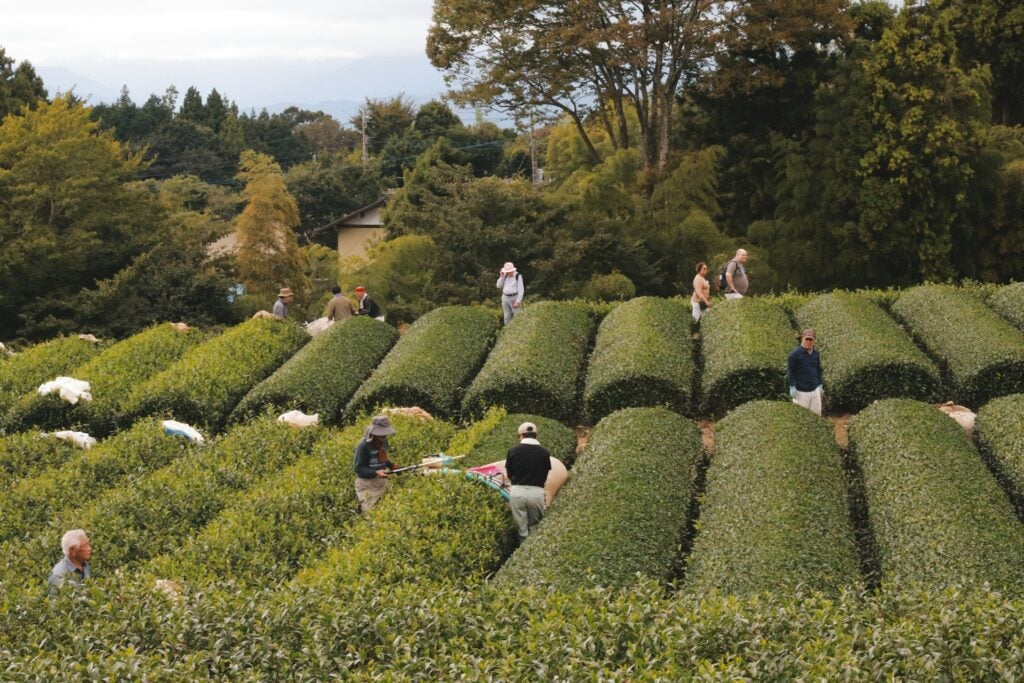
Workers harvest tea at Obuchi Sasaba in Fuji, Shizuoka Prefecture. Photo by Michael Lebedew
Tea cultivation should not be reduced to a generalized story about Zen or mindfulness. Tea has important ceremonial and cultural associations in Japan, but growing it also requires knowledge of soil, rainfall, temperature, labor and processing.
World Footprints’ story about tea trails in the Himalayan foothills provides a different perspective on tea tourism and estate life. The article remains active.
Rice experiences are equally tied to a particular place and season. A JNTO-listed program at the Sakaori rice terraces in Gifu Prefecture, for example, may include rice planting or harvesting at designated times. It should not be treated as a national schedule or proof that every Japanese farm welcomes visitor participation.
Japan also promotes rural hospitality through nouhaku. The term refers to staying in a farming, mountain or fishing village while experiencing local food, traditions and activities connected to rural life. Guests may stay in a farmhouse, family home or restored traditional property.
The value of a countryside stay is not measured by how many tasks a guest completes. Sharing a meal and learning how a household lives can be just as meaningful as helping in a field.
Vermont: Dairy Farms, Cheese and Maple Sugaring
Vermont’s agricultural identity is closely connected to dairy farms, cheesemakers, orchards and maple producers.
The history of maple sugaring began long before Vermont became a state. The Vermont Maple Sugar Makers’ Association credits Indigenous peoples in North America with discovering and developing the practice of collecting and processing maple sap before European settlement.
Production methods have changed over time, but the work remains dependent on weather. A typical sugaring season lasts only four to six weeks. Sap flows when below-freezing nights are followed by warmer days. Once sustained warmth ends that freeze-and-thaw pattern, the active season is over.
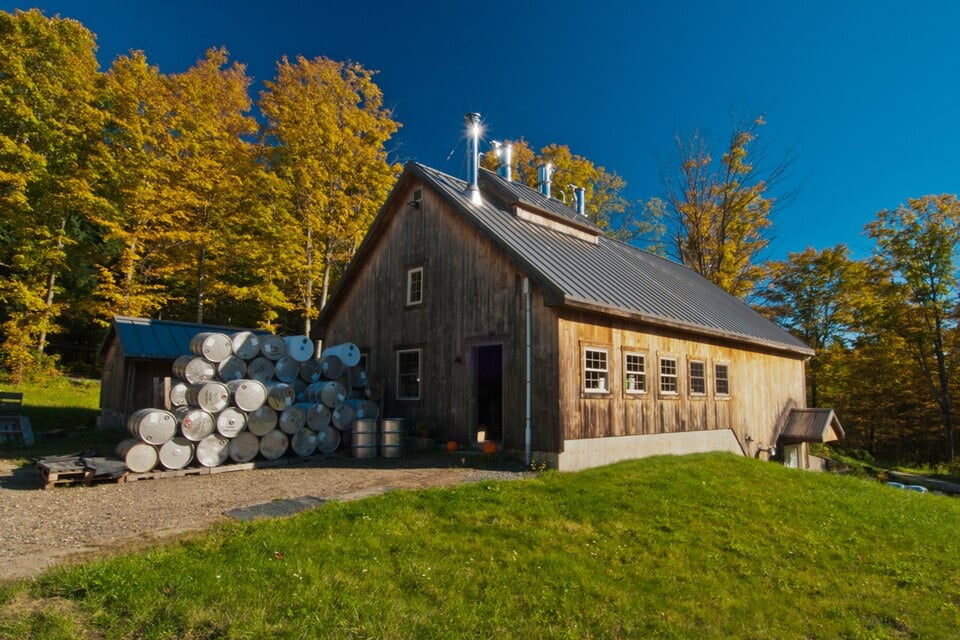
A maple syrup producer works in Vermont. USDA photo by Bob Nichols, via Wikimedia Commons.
Visitors may tour a sugarhouse, watch sap being processed or taste different grades of syrup. Many businesses also operate shops outside the active season, but travelers hoping to see boiling underway should confirm current conditions.
Vermont’s official farm-visit resources include working farms, cheesemakers, maple producers, farmstays and pick-your-own operations. Individual properties offer different activities, ranging from livestock encounters and milking to cheesemaking demonstrations and maple tours.
The finished product is only part of the story. Producing cheese or maple syrup also involves land management, food-safety requirements, equipment, weather and year-round labor.
Peru: Andean Agriculture and the Potato Park
Agriculture in the Peruvian Andes reflects thousands of years of adaptation to steep terrain, water limitations and major differences in temperature and elevation.
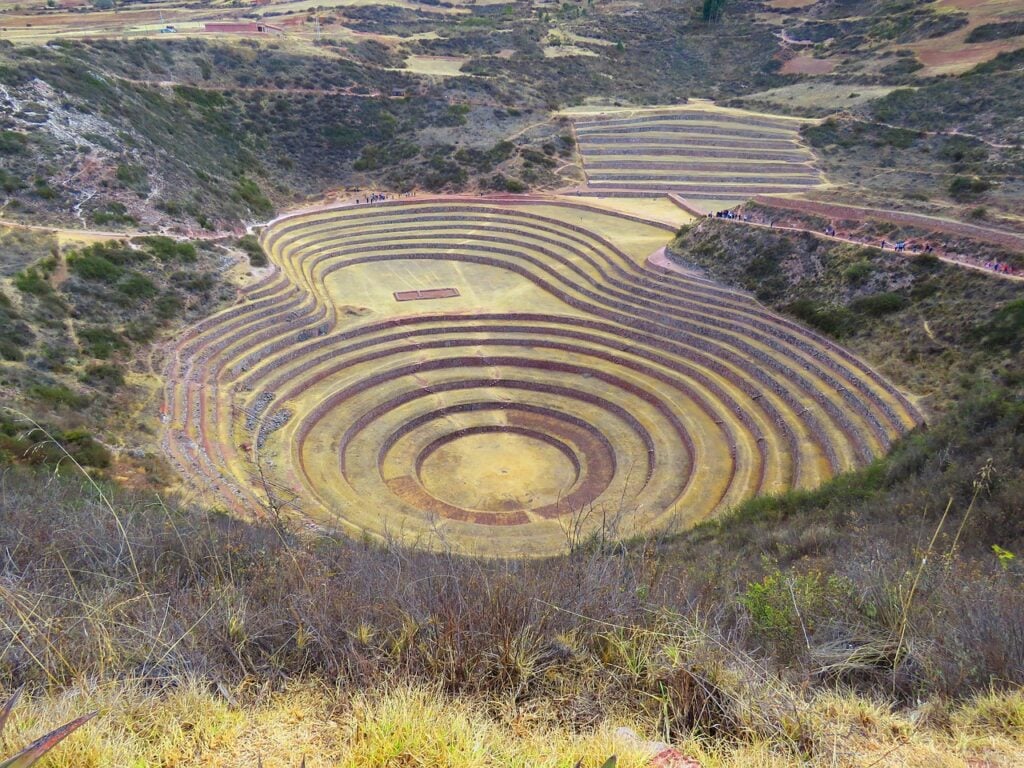
Agricultural terraces in Peru show how cultivation has been adapted to steep terrain. Photo by jdbenthien
The Food and Agriculture Organization of the United Nations recognizes Andean agriculture in Peru as a Globally Important Agricultural Heritage System. FAO describes more than 5,000 years of accumulated knowledge involving terraces, raised fields, local irrigation systems and crops and livestock distributed across different elevations. Potatoes and quinoa are among the species domesticated through that history.
The Potato Park near Pisac provides a specific example of community-led agricultural tourism. Its half-day tours are led by local Quechua guides. Visitors learn about a living agricultural landscape where Indigenous communities protect native potato varieties, biodiversity and farming knowledge through community-led conservation.
That is more informative than making a general promise that travelers can participate in ancient rituals throughout the Andes.
Agricultural life is connected to beliefs involving Pachamama and the apus in some Andean communities. Those traditions vary and should not be presented as activities that every traveler is entitled to witness. Communities must determine what they share, how it is presented and who may participate.
Our conversation with G Adventures founder Bruce Poon Tip explored why community tourism should create meaningful local benefits rather than simply use residents and their homes as scenery. The former World Footprints URL redirects to this active podcast address.
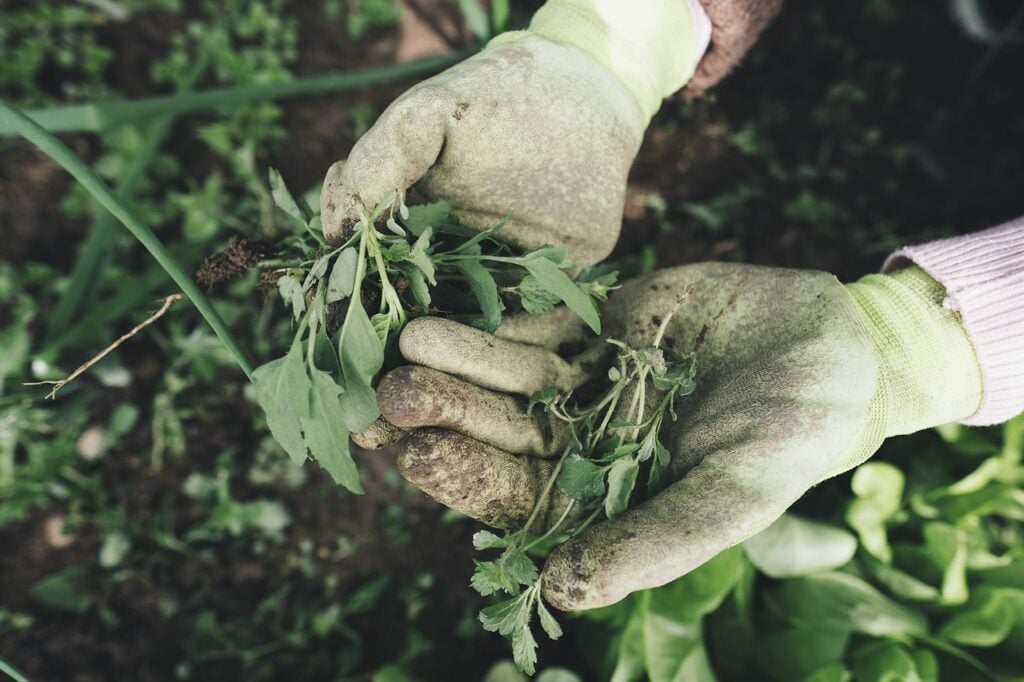
Agricultural work follows the needs of the land rather than a visitor’s schedule.
How to Choose Agritourism Experiences That Benefit Farmers
The word authentic appears so frequently in travel marketing that it often tells us very little. More useful questions can reveal how an agritourism experience actually operates.
Is agriculture central to the business?
Look for information about what the farm grows, raises or produces. The farm should be more than a decorative backdrop for accommodations, weddings or dining.
What will be in season?
Ask what is likely to be happening during your visit. A responsible operator should explain that weather may change planting, harvesting or production schedules.
Who owns and leads the experience?
Book directly with the farm, cooperative or community organization when practical. When an intermediary is involved, look for information about how local hosts are compensated.
Are animal encounters being managed responsibly?
Contact with animals should be supervised and organized around their welfare. Avoid experiences that encourage visitors to chase, restrain or repeatedly handle animals for photographs.
What are the physical conditions?
Working farms may have gravel, mud, uneven ground, machinery, heat, insects and limited restroom facilities. Ask specific questions about mobility access, seating, transportation and the demands of hands-on activities.
What are the photography rules?
Ask before photographing farmers, workers, children, homes, ceremonies or private areas. Paying for a visit does not create an unrestricted right to document someone’s life.
Agritourism can bring additional income to rural businesses while helping preserve agricultural knowledge. It can also change how travelers understand the food in front of them.
The purpose is not to pretend to become a farmer for an afternoon. It is to listen, learn and recognize the labor behind the places and foods we enjoy.
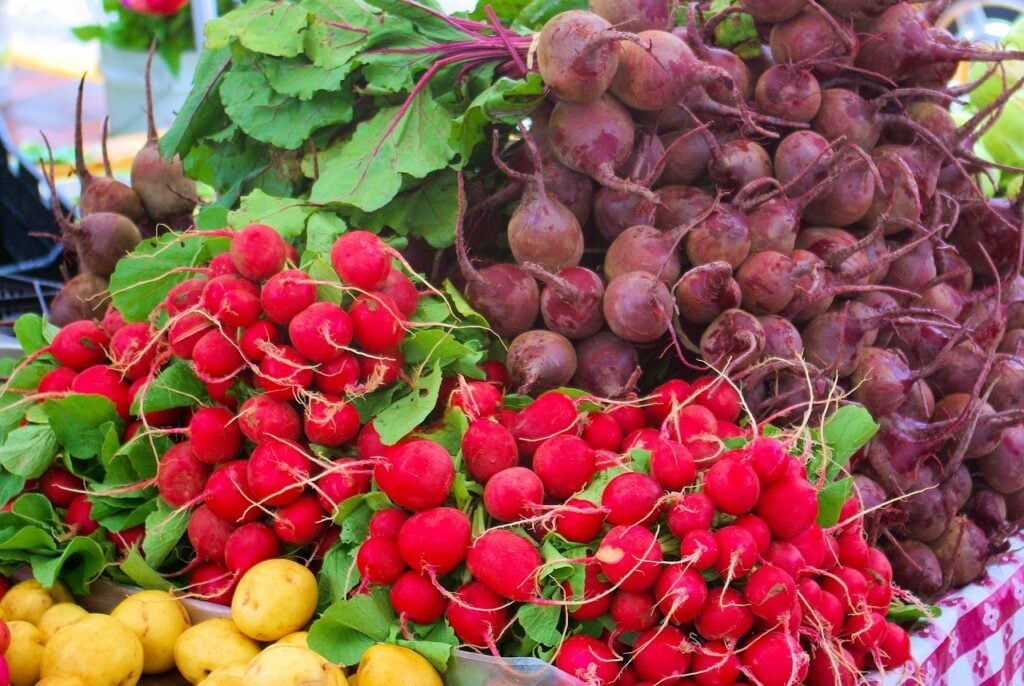
Agritourism can help travelers understand the people, seasons and agricultural work behind the food sold at local markets. Photo by Mike Goad
Frequently Asked Questions About Agritourism
What is agritourism?
Agritourism connects agricultural production or processing with visitor experiences. It can include farmstays, tours, tastings, pick-your-own activities, harvest participation and educational programs.
Are all farmstays working farms?
No. Some accommodations use farm-related language or décor without operating as agricultural businesses. Travelers should check what the property produces and how tourism relates to its farming operation.
When is the best time to book an agritourism experience?
The best period depends on the crop, region and activity. Confirm planting, harvest or production dates with the operator, and remember that weather may change the schedule.
Continue Exploring World Footprints
Explore more World Footprints agritourism stories, including Taste the Local Lifestyle With Agritourism, a farm-to-table journey through Powell, Wyoming and the Forks and Corks Festival.
For related cultural and sustainability stories, read about staying in a traditional Japanese inn, tea trails in the Himalayan foothills, sustainable winegrowing in California and Luxembourg’s approach to sustainability.
All of these internal destinations loaded successfully during the final review.
Find Hotels Anywhere in the World
Use the interactive map below to search and compare hotels and vacation rentals near the destinations featured in this article.
Enter a destination, choose your travel dates and use the available filters to refine your search.
Join the community!
Join our community to receive special updates (we keep your private info locked.)
