
Compass

As we celebrate this Memorial Day holiday we thought we would share some highlights from previous years coverage of the G.I. Film Festival in Washington, D.C. The GI Film Festival is the first film festival in the nation to exclusively celebrate the successes and sacrifices of the service member through the medium of film.

On this day (May 21) in 1881, Clara Barton founded the American Red Cross. Clara Barton and a circle of her acquaintances founded the ARC in Washington, D.C. on May 21, Barton first heard of the Swiss-inspired global Red Cross network while visiting Europe following the Civil War. Returning home, she campaigned for an American Red Cross and for ratification of the Geneva Convention protecting the war-injured, which the United States ratified in 1882

Every year, there are nearly five million people who come to see the Statue of Liberty, but its popularity is causing an issue and leading to a negative experience for many. Therefore, the National Park Service, in response to the negative visitor experience people have had to both the Statue Of Liberty and Ellis Island, is limiting organized tours to certain areas of the sites.

Italy’s Cinque Terre coastline holds a nearly mythic status for travelers, as most have never seen pictures of the pastel-colored homes tucked in the area’s rugged cliffs with the bright blue sea surrounding them.

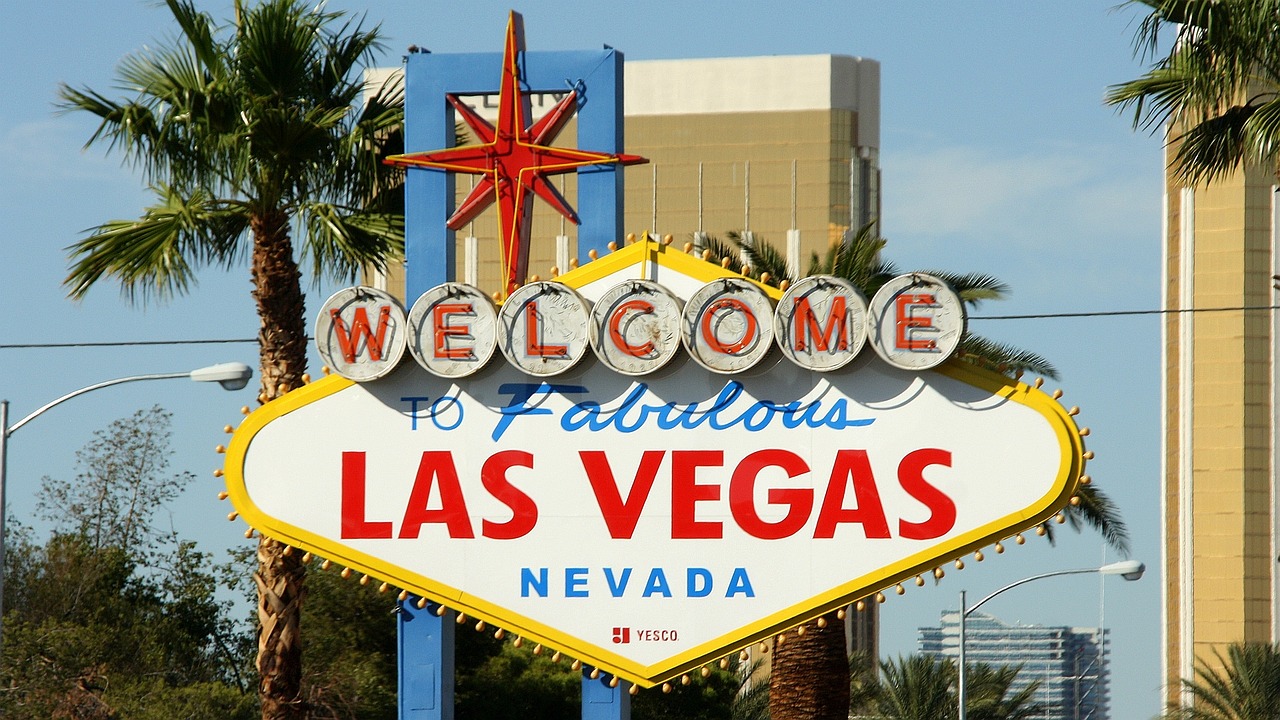
During the 19th century, Mexican explorer Antonio Armijo was forging the way from New Mexico to California . En route to Los Angeles, the group veered from the traditional path in 1829, settling 100 miles (161 kilometers) northeast of present-day Las Vegas. Rafael Rivera, along with his scouting party, rode west to find water; Rivera left the group to venture into the desert on his own, setting his eyes upon the oasis of Las Vegas Springs. The land was named Las Vegas, meaning “the meadows,” after the verdant grasses found growing in the valley.

On May 12, 1820, Florence Nightingale, the pioneer of modern nursing was born into privileged English society. From the beginning of her life, Florence felt a calling for the nursing profession and this posed a scandal with her privileged family because nursing was considered a profession for the poor and ill-educated.

Many people say that if Christopher Columbus were to return to our modern world today, Dominica would be the only island he would recognize.
Thirteen civil rights activists, dubbed "Freedom Riders," began a bus trip through the South. The first Riders left Washington, D.C., on May 4, 1961, and was scheduled to arrive in New Orleans on May 17.

On this date in the year 1611, the King James Version of the Bible was first published. The year 2011 thus represents 400 years of the KJV's influence on the English language. The King's Printer, Robert Barker, began the project in 1604 at the command of King who faced the Puritan faction within the Church of England.

New York City's Empire State Building was dedicated on this day in 1931. President Herbert Hoover dedicated New York City’s Empire State Building, pressing a button in the White House that turned on the building’s lights for the first time, 45 five days ahead of its original projected opening date.

On April 30, 1789, George Washington took the oath of office at Federal Hall in New York City to become the first President of the United States. John Adams was elected as his Vice President.

There were many memorable moments throughout my travels across South America, but the most defining memory had to be Machu Picchu. Seeing one of the Seven Wonders of the New World is an unmissable opportunity; one best done now while the ruins are still in relatively good condition.