
Black Travel

Retirement, remote work and changing priorities are leading more Black Americans to investigate life outside the United States.
Perhaps travel cannot prevent bigotry, but by demonstrating that all peoples cry, laugh, eat, worry, and die, it can introduce the idea that if we try and understand each other, we may even become friends.
— Maya Angelou
This collection of Black Travel stories brings to life the full narrative of Black history and heritage through the lens of travel. Here, we share the journeys, perspectives, and voices of Black travelers who explore the world with curiosity and resilience. Each story captures the unique challenges and joys Black travelers experience, from discovering places of cultural significance to navigating complex racial dynamics across different borders.
Through these narratives, readers will see Black history illuminated as travelers connect with diasporic communities, visit historic sites, and uncover stories often overlooked in traditional travel narratives. World Footprints is proud to amplify these voices, offering insights and inspiration that reflect the richness of the Black traveler’s journey. This category stands as a testament to the power of travel to bring understanding, pride, and a deeper appreciation of Black history across the globe.

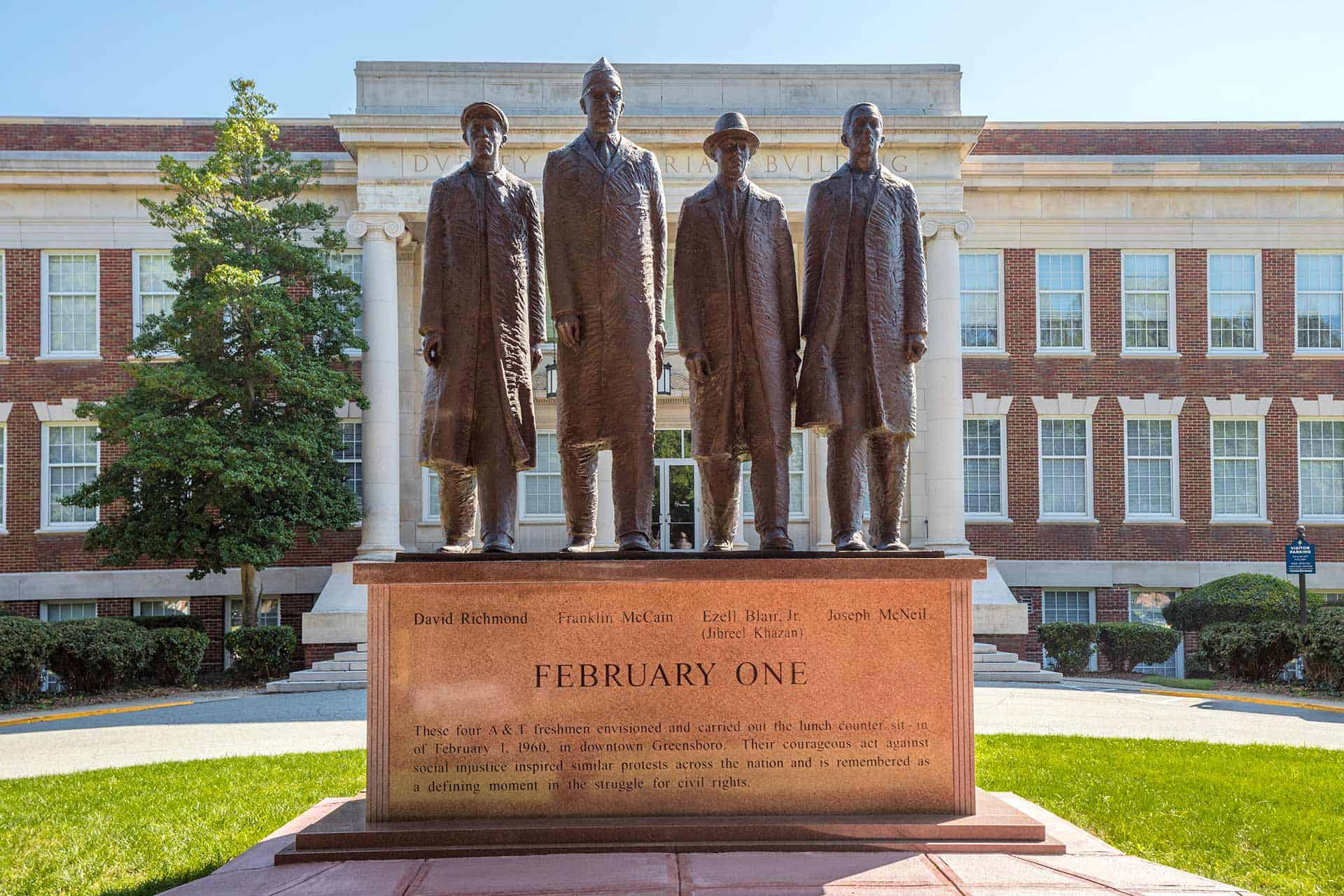
Black History Month has been celebrated annually since the year 1926. First termed “Negro History Week,” Black History Month is honored each February.

As a Southern-born white woman, incorporating Black history sites into my travel plans never crossed my mind… until I married a Black man.

Our Creole cultural exploration takes us just outside New Orleans to the Old Mississippi River Road where we'll share the story of a Creole family and a plantation named Laura--voted "Best history tour in the USA" by Lonely Planet Travel and a top travel attraction in Louisiana.

Most recently, I traveled to Ghana over the holidays with friends and family. I tried many foods like fufu, bofrot, and my personal favorite, Jollof! I sat in the notorious Accra traffic for too many hours to count, and I spent Christmas on the beach. But the most important thing I did was visit two slave castles: Cape Coast and Elmina.

Plus-size travelers face challenges that aren't generally considered—lack of appropriate accommodations, one-sized fits all robes that don’t fit larger bodies, zipline cables that may not support extra weight and other concerns.

On September 23, 1957, Ernest Green and eight other African American high school students, known as the ‘Little Rock Nine’, integrated the all-white Central High School in Little Rock, Arkansas. This event was the first experiment in school integration came three years after the U.S, Supreme Court’s Brown vs. Board of Education landmark ruling that segregation of public schools is unconstitutional.

Many of the places where significant African American history occurred have been neglected and have gone unrecognized for the important role they hold in the fabric of American society.

Traveling is a fun and exciting experience. However, it can also be stressful and uncomfortable; especially for Black travelers because concerns over safety and racism have are considerations in the travel planning process.
With everything taking place in the world from the coronavirus pandemic, global recession, and America’s racial reckoning, even a brief escape from these problems can be an elixir for the body, mind, spirit, and soul.

On this day in 1994, South Africa officially ended apartheid and elected Nelson Mandela in the country's first multiracial election.
A friend invited me to share a house with her and a few other friends in Martha’s Vineyard over the Fourth of July weekend last year. Hearing stories of the Kennedys and the Obamas vacationing there, I assumed it would be a stuffy, pretentious community for the rich and famous. This was not the case.

Americans have recognized black history annually since 1926, first as "Negro History Week" and later as Black History Month and we greatly owe the celebration of this month of Black Heritage, more so, the study of black history to Dr. Carter G. Woodson.