
History
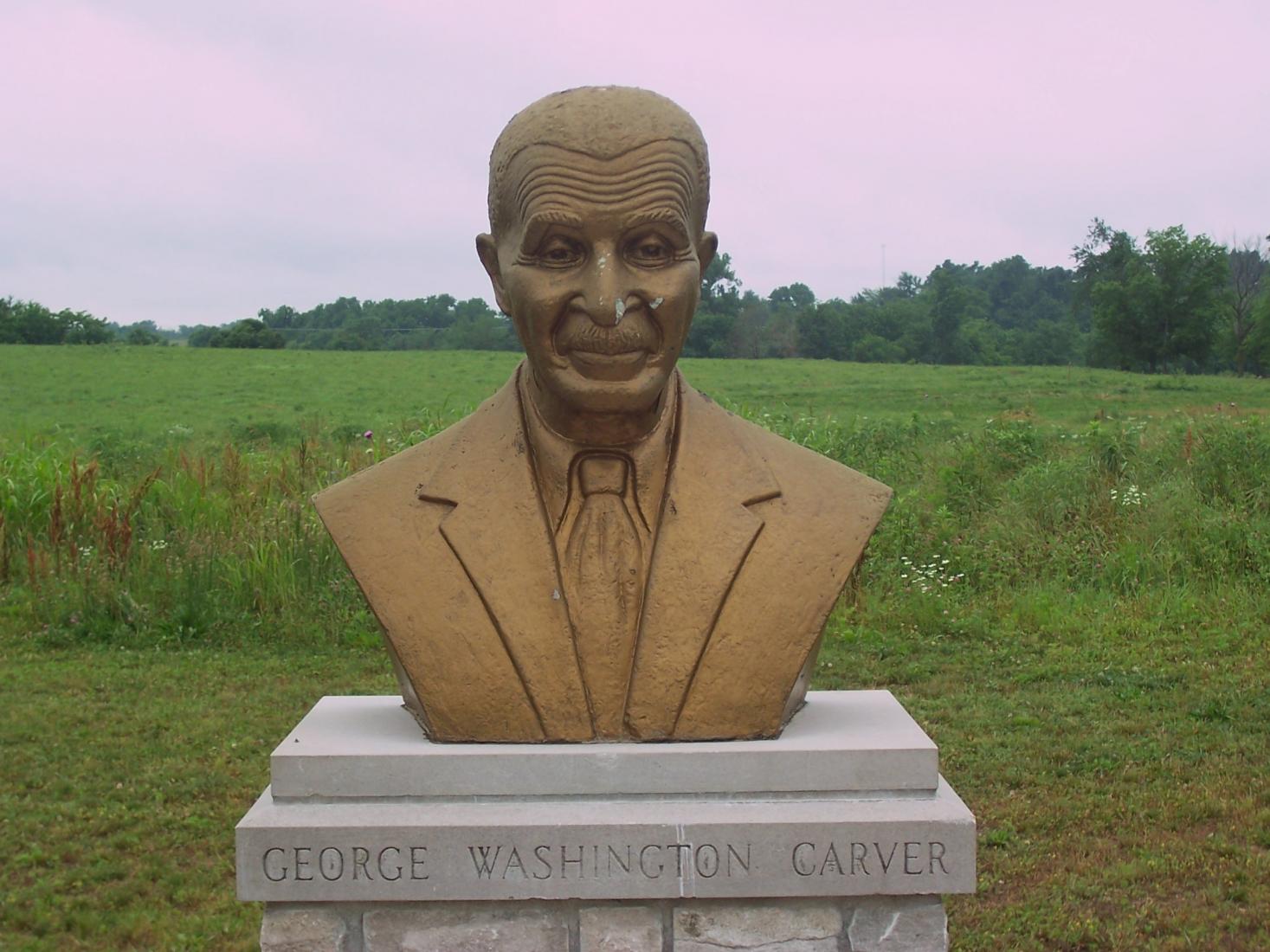
George Washington Carver statute. Photo: Tonya Fitzpatrick
“A traveler without observation is a bird without wings.”
— Moslih Eddin Saadi
No matter where you go, every place has a story and historical travel unpacks those stories.
From great struggles against oppressive forces to human ingenuity, the people and the places who have defined significant eras in human history move many to travel see where history was made. Travel through the historical places, see and observe what was then and how things are now. Every place has evolved over ages and become what it is today , hence you must visit history to understand the struggles and changes that came through with time.
Being able to walk where history was made, seeing the places that shaped legendary figures or experiencing life as our ancestors did, historical travel allows history to come to life in ways that transcend a history book.

China was a place I wound up in much by accident. It’s a place that tends to give most people intense culture shock, but once it wears off, you’re left to marvel at this beautiful place surrounding you.

Though rough around the edges and often overlooked, many travellers have a soft spot for Lisbon’s sister city Porto.

An estimated 30 million visitors per year make London the most visited city in the United Kingdom. Red telephone booths, Tower Bridge, and the allure of a royal family sighting make it the perfect first taste of what England has to offer, but why stop there when there are so many beautiful places to explore just a short ride away?

May is Jewish American Heritage Month and that means it is a great time to learn while exploring. I describe my own background as “Jewish lite” because while both my parents are Jewish and all my ancestors hail from Eastern Europe, growing up my household was more spiritual than religious.

Southeast Asia is filled with cultural diversity, unique cuisine, and the most unbelievable panoramic views, such as tropical rainforests and seas. Located in the Southern region of the Malay Peninsula is the state of Malacca, and the capital is Malacca City which UNESCO named a world heritage site in 2008.

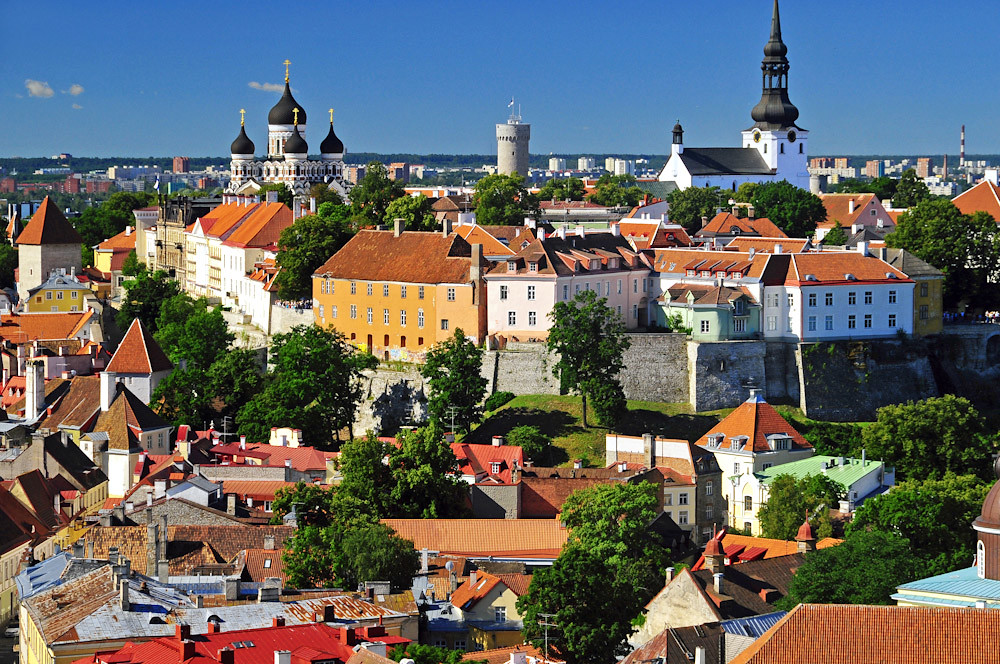
Estonia, the gem of the Baltics, is home to the beautiful and vibrant capital city of Tallinn, where old meets new

Driving along Interstate 81 through southern Virginia you may notice a sign for Wytheville. Exiting the highway, you’ll find an array of ordinary eateries and gas stations. Venture beyond those into the heart of Wytheville and you’ll soon discover that nothing in this charming town is ordinary.

We think of southern ladies of yore as deferring to their gentlemen about anything concerning business. Not so with the ladies of Laura Plantation in Vacherie, Louisiana.

On September 23, 1957, Ernest Green and eight other African American high school students, known as the ‘Little Rock Nine’, integrated the all-white Central High School in Little Rock, Arkansas. This event was the first experiment in school integration came three years after the U.S, Supreme Court’s Brown vs. Board of Education landmark ruling that segregation of public schools is unconstitutional.

Many of the places where significant African American history occurred have been neglected and have gone unrecognized for the important role they hold in the fabric of American society.

In 1608 the first Europeans set foot on North American soil. Samuel de Champlain, considered to be the founding father of New France, built a settlement that would later be called Quebec City.

Nancy Gardella, executive director of the Martha’s Vineyard Chamber of Commerce, says that Martha’s Vineyard is so much more than its pretty beaches and famous residents. Among the stories Nancy reveals is the Vineyard’s troubling story of colonization and the island’s surprising legacy of sign language.