
Cultural Heritage

Used by Indigenous tribes in the Amazon for medicinal purposes for centuries, it’s only in the last 50 years or so that Westerners have come to learn about ayahuasca

Budapest boasts a wonderful array of activities, from bustling nightlife, to delicious cheap eats, and adorable architecture. Savvy travelers should also be aware of it’s darker past and recent struggles against oppression. Monuments and works of art found throughout the city belay this region’s tragic history.

Traveling is a fun and exciting experience. However, it can also be stressful and uncomfortable; especially for Black travelers because concerns over safety and racism have are considerations in the travel planning process.

In most schools in the United States, students are required to learn their country's history. Learning history gets lively when you see the sites related to the country's history. There are several incredible destinations in the United States that will help you learn fascinating facts about the past. Visiting these places will help you understand and grapple with complex questions examining how the past was shaped and the relationships in society. Below are the famous places you should visit to learn U.S. history as a student.

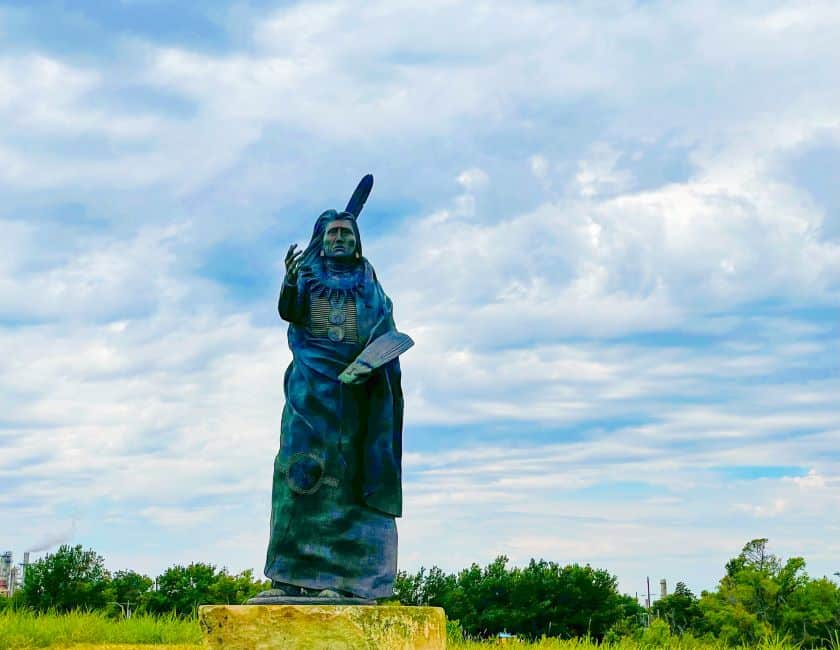
However, there is a lesser-known story. Yet one that exemplifies enormous courage and one which has had an immense impact on our nation. It is a story of forced settlement, death, devotion, and incredible spirit. It is the story of Chief Standing Bear.

With the arguments in schools about Critical Racial Theory and not teaching many facts about history because they might embarrass some people, some books are being banned. Mark Twain’s books have long been on the firing line for opposite reasons, i.e. his use of prejudicial language. Because Huck Finn helped a runaway slave, Jim, and had a strong bond of friendship with someone of another race, they could be re-banned by those supporting Critical Race Theory.

Famed for its artistic traditions in weaving, pottery and painted wooden animal carvings known as alebrijes, the Mexican city of Oaxaca is also brimming with contemporary art.

See New Orleans like you've never seen her before atop a 34th floor observation deck and experience the richness of New Orleans history as cutting-edge technology immerses visitors into the spirit and soul of the city. Experience a love letter to New Orleans inside the new Vue Orleans.

Imitation is the sincerest form of flattery. We've all heard this saying before. Just like seeing replicas of designer handbags and clothes, there are replicas of the world's most famous architectural landmarks.
Looking for family-friendly attractions in Arizona? Support Native economy, experience culture, and have fun by visiting these destinations.
Most people know Windsor Castle as the venue for the royal wedding between Prince Harry and Meghan Markle, swiftly followed by the wedding of Princess Eugenie and Jack Brooksbank, but there’s far more to Windsor Castle than just royal matrimonial events.
With everything taking place in the world from the coronavirus pandemic, global recession, and America’s racial reckoning, even a brief escape from these problems can be an elixir for the body, mind, spirit, and soul.