
Cultural Heritage

A mere 88 years ago, women had no Constitutionally guaranteed right to vote in elections. In January of 1918, President Woodrow Wilson announced that he was supporting a new amendment to the US Constitution that would give women the right to vote. The House of Representatives passed the 19th amendment, but it failed in the Senate after a series of delays. The National Woman's Party began a campaign to oust members of Congress who voted against the 19th Amendment - with great success. The following year, both Houses of Congress were overwhelmingly pro-suffrage. On May 21, 1919 the House of Representatives passed the 19th amendment by a vote of 304 to 89 and in June, the Senate passed it by a margin of 56 to 24. After ratification by the States, the Nineteenth Amendment was certified on August 26, 1920. Beginning in the 1800s, women organized, petitioned, and [...]

Islam is the second-most followed religion after Christianity. Out of the 195 countries on Earth, 56 have a Muslim majority and are governed by Muslims.

Leaving behind the tourist-filled streets of Darjeeling and the lingering whistle of the steam engine of the Heritage Himalayan Railway, our car enters the Lebong Valley. It is a different world altogether.

One of the best parts of traveling is discovering the history of the place you are visiting. I like to consider myself a bit of a history buff, so when I booked a weekend trip to Poland while studying abroad in London, I knew I would spend most of my time learning firsthand about World War II.

Don Vicente Martinez Ybor, a Spaniard, came to Florida from Cuba. He first set up his cigar-making factory in Key West but found his mostly Cuban workers often left to return home.

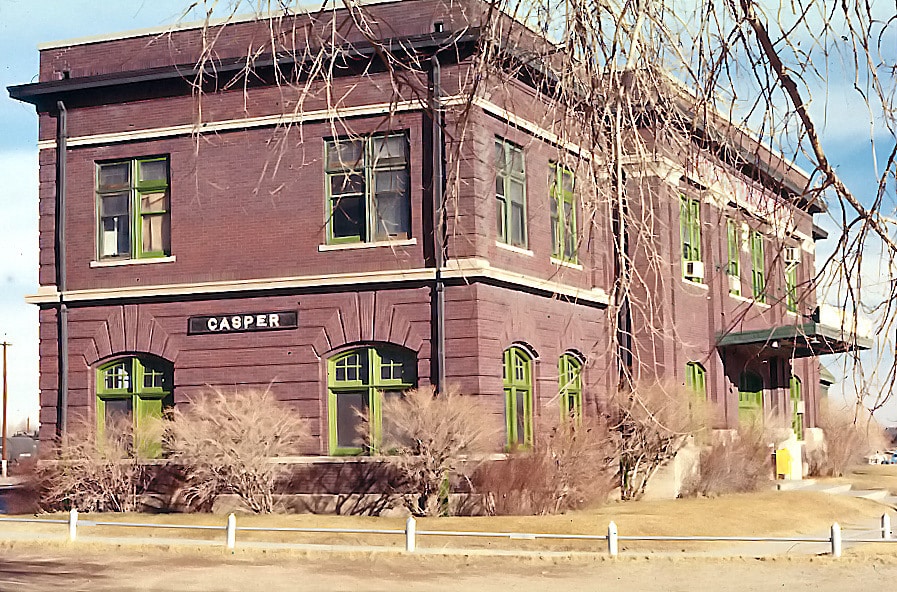
Cowboys. Covered wagons. Campfires. Welcome to Casper, Wyoming’s sweet little secret, centrally located and ideally suited for autumn travel.

Dade Battlefield is a small state park in Bushnell, Florida that tells a big story of one of America’s most forgotten wars. The Second

An ever-evolving city full of history, culture, and a buzzing atmosphere, you can visit Barcelona countless time after time without having the same experience.

World Footprints won recognition as a top travel podcast, receiving a Gold Award in the 2021 Lowell Thomas Travel Journalism Competition.

When we think of cultures on the brink of extinction the mind usually wanders to earth based cultures world wide being infringed upon by modern development. Another common image is that of oppressed peoples being forced to assimilate, flee, or possibly be put to death in a hostile regime takeover. Unfortunately these are familiar headlines in our modern era. All of these are very accurate and very real. But there is another cultural heritage in jeopardy…one a lot closer to home, only about 300 years old, (not very old in terms of culture) and I would argue, dying quickly. It's the American culture. But what exactly IS the American culture and how does one experience or preserve it? From the very beginning, America was a nation made up of over 500 nations, and that was before the first Europeans ever set foot on the continent. The American culture then, has always been [...]

San Antonio invites tourists from around the globe, offering them an immersive experience of Mexican and Texan culture.

What once was old is now new in Florida’s Marion County. One of the “newest” attractions in the city of Ocala, has roots going back nearly 100 years, commemorating an epic FBI shootout with a notorious gang that ended the era of gangsters in the United States.