
Cultural Heritage

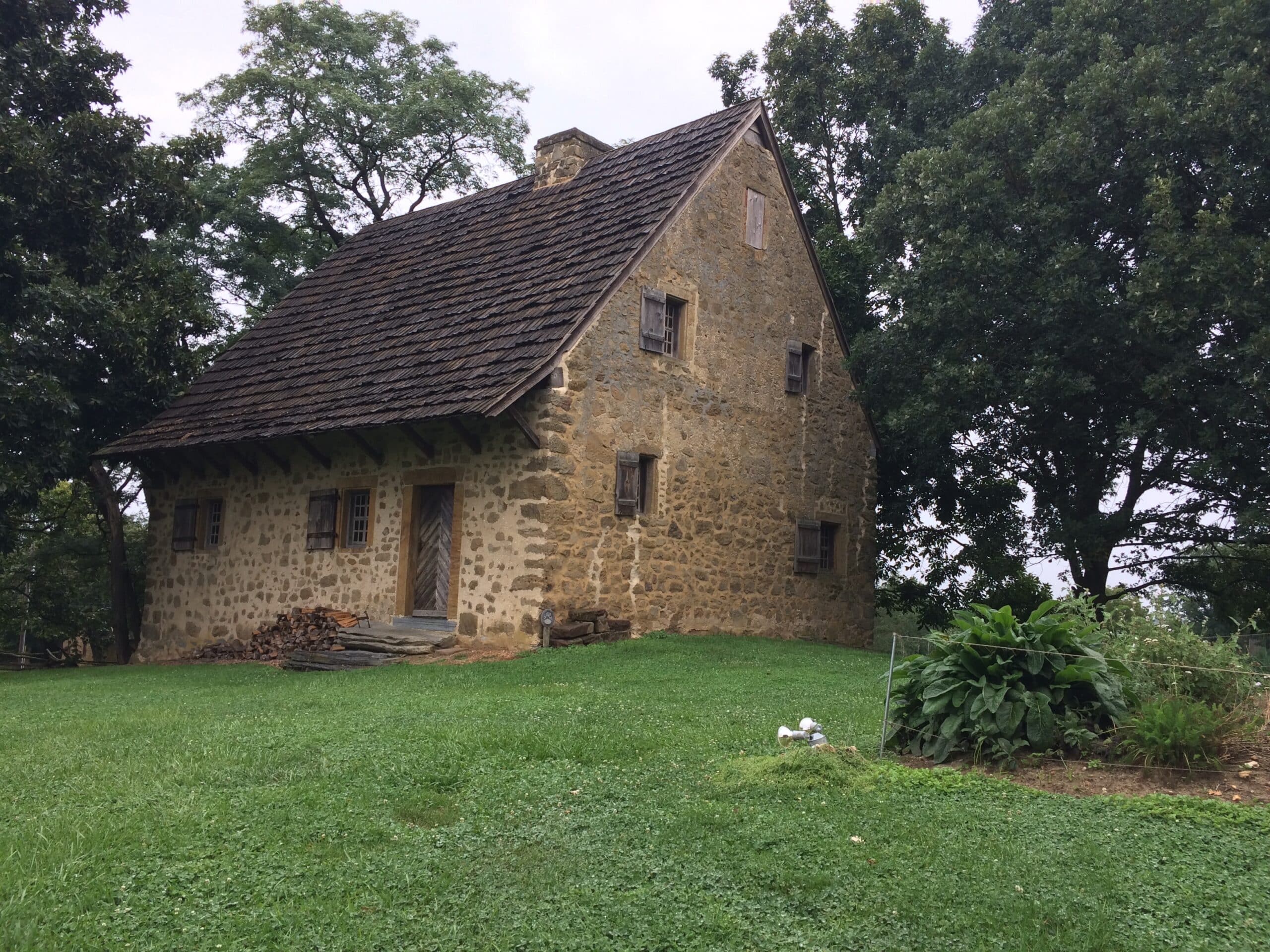
Sandwiched between its Amish countryside and hip food scene, Lancaster Pennsylvania combines the old and new in awe-inspiring ways. Join World Footprints as we explore the area’s rich history, including President James Buchanan’s Wheatland home, and Lancaster’s contemporary offerings.

Scientists from the University of Portsmouth have created a vodka using ingredients from the Chernobyl exclusion zone, insisting that it is completely safe to drink. As most people know, Chernobyl is the location of one of the worst nuclear disasters in world history. In April 1986, the number four reactor at the power plant exploded, resulting in the deaths of thousands of people and the evacuation of a whole region.

Join World Footprints as we explore the vibrant city of Norfolk, Virginia, a place brimming with rich cultural and historical heritage. This coastal gem offers an outstanding culinary scene, including the best She Crab soup you'll ever taste. From world-class museums to beautiful gardens, Norfolk has treasures waiting to be discovered.

In recent years, Venice has introduced a number of laws and regulations in order to crack down on the large number of tourists that flock to the city every year, including a tourist tax of up to €10 for day trippers which caused controversy at the beginning of this year. The Italian government has now gone a step further by announcing plans for large cruise ships to no longer be allowed to dock in the city’s historic center, instead being rerouted to the Fusina and Lombardia terminals outside of the city center.
Since 1972, and under the designation of UNESCO World Heritage sites, the United Nations has been tirelessly working to protect many beautiful spots across the globe. Now, the list gets even bigger with new sites in Canada, India and Japan, in which the UNESCO dubs them as belonging to the people of Earth no matter where they are located.

Amsterdam is a city with many recognizable features like winding canals and famous historic buildings such as the Anne Frank House. It’s also one of the world’s most bikeable places, and it’s renowned for its cafe and coffee house culture. But in December 2018, Amsterdam lost one of its most iconic symbols – the I amsterdam sign.
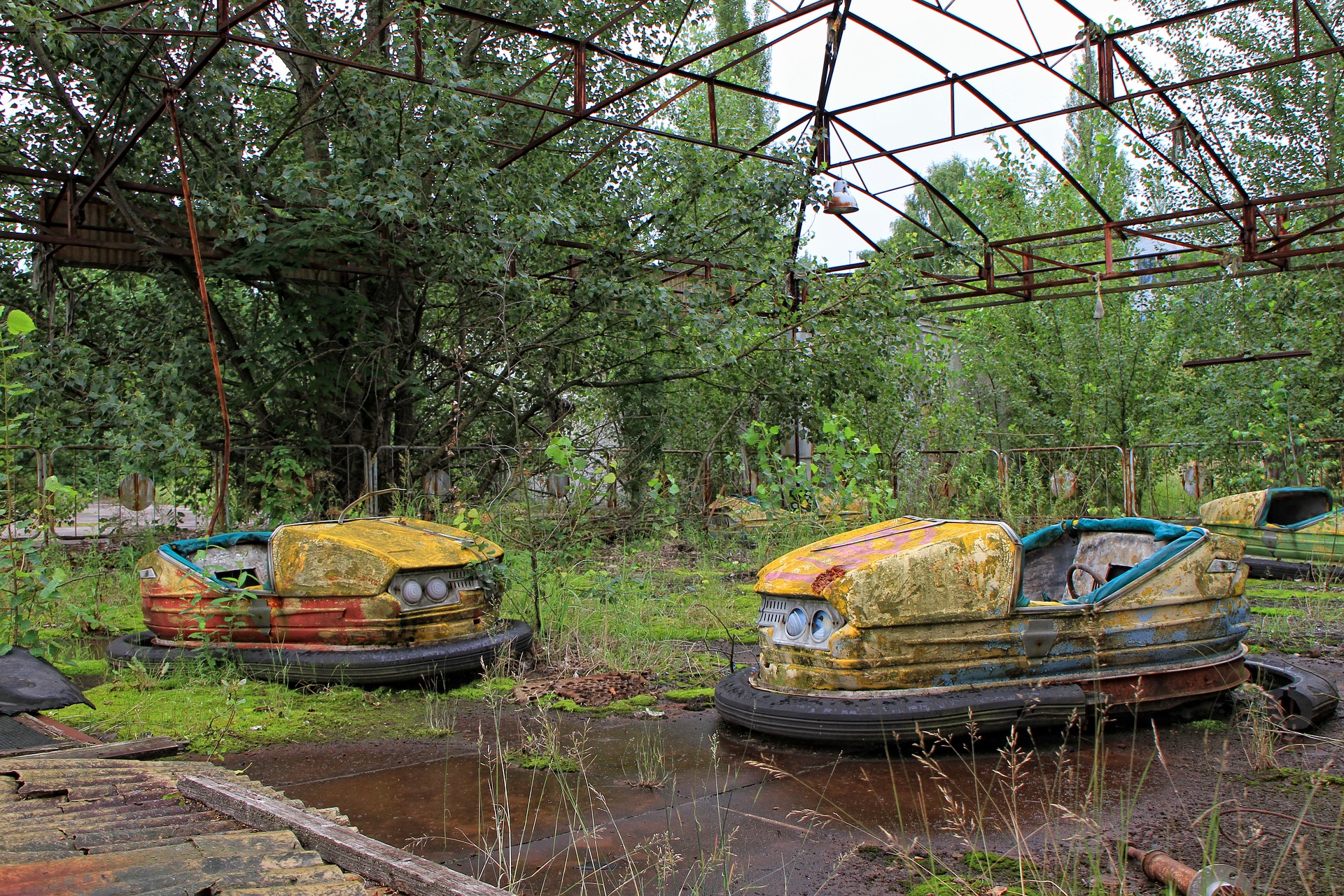
Have you ever wondered what draws people to the morbid places associated with suffering or death? Auschwitz, Ground Zero, and Chernobyl come to mind.

Travel with us to the summit of Monserrate above Bogota, Colombia. The mountain is part of the Andes and is a focal point in center of Colombia's capital city. It rises to 3,152 metres (10,341 ft) above sea level. At the top of Monserrate sits a 17th century church that houses a shrine devoted to "El Señor Caído" (Fallen Lord). Monserrate is a pilgrimage destination as well as a tourist attraction and the top offers spectacular views of Bogota below.

As the birthplace and childhood home of Queen Victoria and the current home of the Duke and Duchess of Cambridge and their children, Kensington Palace is a place of fascinating insight into the British Royal Family.
Experience a slice of American history as two journalists share their perspectives on Martha’s Vineyard and parts of the American south. Author, Bijan Bayne,has been a summer resident of Martha’s Vineyard since childhood. He says that while most people may know about Martha’s Vineyard because of the Obama family and the movie Jaws, the Vineyard has a rich history within the African American community. Bijan tells us that the island is much more than a playground for the rich and famous and his stories will shatter some stereotypical notions many hold about Martha’s Vineyard. Travel writer Kathleen Walls loves sharing the historical stories she discovers during her travels. Her storytelling is truthful and authentic and she isn’t afraid to share stories about dark episodes in American history like the Trail of Tears or slavery. Kathleen says that often times certain parts of American’s history is overlooked because of shame and [...]
Every May, the entire island of Bermuda comes alive to celebrate Bermuda Day, a cherished national holiday that was formerly known as Empire Day. Originally marking the birthday of Queen Victoria across all British colonies, the day has since evolved to celebrate Bermuda’s national identity and heritage as the colonies gained independence.
For many countries, street food is a must, but should a person who buys their food on the street be able to walk the streets while eating it? This is a question officials in Japan are trying to answer, especially for the tourist hot spots such as Kamakura in the Kanagawa prefecture.