
UNESCO World Heritage

UNESCO World Heritage site in Toledo Spain. Roman architecture
“A World Heritage site is a place on Earth that is of outstanding universal value to humanity, and as such, has been inscribed on the World Heritage List to be protected for future generations to appreciate and enjoy.”
– UNESCO
UNESCO, the United Nations Educational, Scientific and Cultural Organization, is committed to identifying, preserving, and protecting sites of exceptional cultural and natural value worldwide. The UNESCO World Heritage Sites, ranging from breathtaking landscapes and ancient ruins to architectural masterpieces and fragile ecosystems, represent humanity’s most treasured places and traditions. These sites are preserved not only for their intrinsic beauty but for the knowledge, history, and cultural significance they hold.
On this page, readers can explore a variety of articles that delve into the stories behind UNESCO World Heritage Sites and heritage trails across the globe. Learn about celebrated destinations like the historic temples of Angkor, the architectural wonders of Italy, and the vast wilderness of Yellowstone National Park. Discover how UNESCO is working to preserve intangible cultural heritage, such as traditional music, dance, and indigenous practices, to keep these vital traditions alive.
Our articles also spotlight World Heritage Sites currently in jeopardy due to climate change, urbanization, or conflict, examining the global efforts to protect these irreplaceable landmarks. Readers will find insightful guides, historical background, and travel tips that inspire responsible and respectful travel to UNESCO sites, fostering a deeper connection with our shared global heritage.

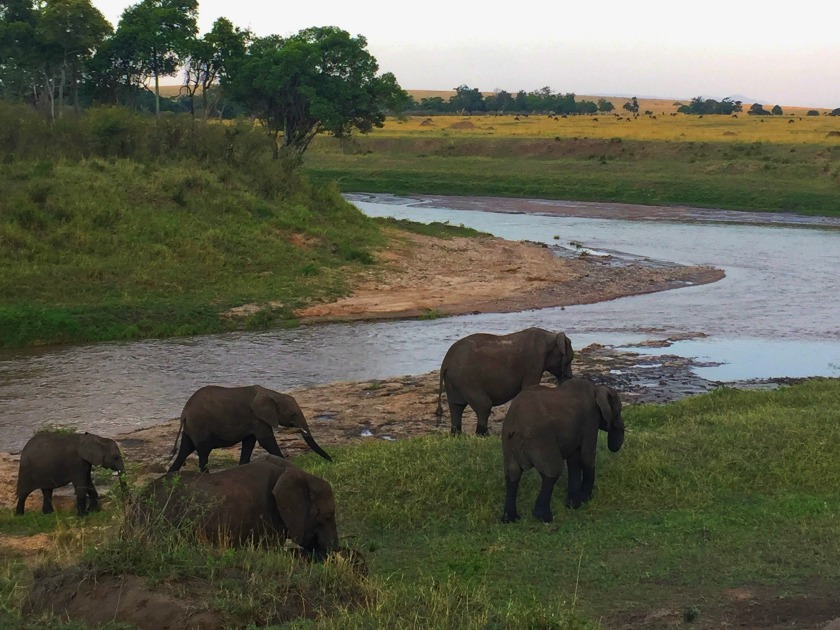
Like most people who have touched down on the continent, Africa has captured my soul in a way that you just can’t understand until you’ve been.

With travel stalled around the world, those of us with acute wanderlust continue to look for ways to keep the rewards of globetrotting in our lives.

Careening through the backstreets of Warsaw in a minibus that bumped and jostled us through a former Communist neighborhood, I immediately regretted that extra pierogi I’d had for lunch that now threatened to expel itself.

Six tourists were arrested for allegedly defecating and damaging a sacred temple at the Machu Picchu sanctuary in Peru. Wilbert Leyva, Cusco regional police chief, said the six tourists, one a French woman, were detained and the public ministry investigating them for the suspected crime against cultural heritage.

Not very many people can say they’ve seen the Fernando de Noronha archipelago and enjoyed its mountain jungles and white-sand beaches. In 1988, about 75 percent of Brazil’s 21 scenic islands had been declared protected – now a national marine park and sanctuary. Today, the area only lets 420 visitors enter each day.

As of Dec. 1, people who want to see the cities of Chongqing, Chengdu, Ningbo and Xi’an can now do so with the 144-hour (six-day) transit visa. The visa, also called the G visa, is available in 20 cities across China.

The iconic white marble mausoleum intricately decorated with motifs and calligraphy may be one of the world’s most recognisable sights, but being such a beautiful building comes with its own set of problems. Overcrowding has long been an issue for the Taj Mahal in Agra, India, but will opening the site to the public at night – as the tourism ministry has announced – help reduce this issue?

A flood of flat-roofed buildings stands in sharp contrast to the blurry outlines of the distant hills. A chaos of dish TV antennas rules the rooftops. Several minarets of mosques stab the horizon. In southeastern Turkey, just 56 kilometres away from the Syrian border, from the window of my accommodation, I watch the city of Sanliurfa thrive.
In recent years, Venice has introduced a number of laws and regulations in order to crack down on the large number of tourists that flock to the city every year, including a tourist tax of up to €10 for day trippers which caused controversy at the beginning of this year. The Italian government has now gone a step further by announcing plans for large cruise ships to no longer be allowed to dock in the city’s historic center, instead being rerouted to the Fusina and Lombardia terminals outside of the city center.
Since 1972, and under the designation of UNESCO World Heritage sites, the United Nations has been tirelessly working to protect many beautiful spots across the globe. Now, the list gets even bigger with new sites in Canada, India and Japan, in which the UNESCO dubs them as belonging to the people of Earth no matter where they are located.

Italy’s Cinque Terre coastline holds a nearly mythic status for travelers, as most have never seen pictures of the pastel-colored homes tucked in the area’s rugged cliffs with the bright blue sea surrounding them.
The reddish-pink ramparts around the Marrakech medina enclose a thousand years of history. The Almoravids, a confederation of Berber tribes, conquered North Africa and Muslim Spain in the 11th and 12th centuries and established Marrakech as their capital. The new city became a thriving political and economic center, as well as a multicultural and multiethnic crossroads.