
Articles

Uluru is not just the geographical heart of Australia; it is considered by Indigenous Australians to be the spiritual heart as well.

Join World Footprints as we explore the vibrant city of Norfolk, Virginia, a place brimming with rich cultural and historical heritage. This coastal gem offers an outstanding culinary scene, including the best She Crab soup you'll ever taste. From world-class museums to beautiful gardens, Norfolk has treasures waiting to be discovered.

Amsterdam is a city with many recognizable features like winding canals and famous historic buildings such as the Anne Frank House. It’s also one of the world’s most bikeable places, and it’s renowned for its cafe and coffee house culture. But in December 2018, Amsterdam lost one of its most iconic symbols – the I amsterdam sign.

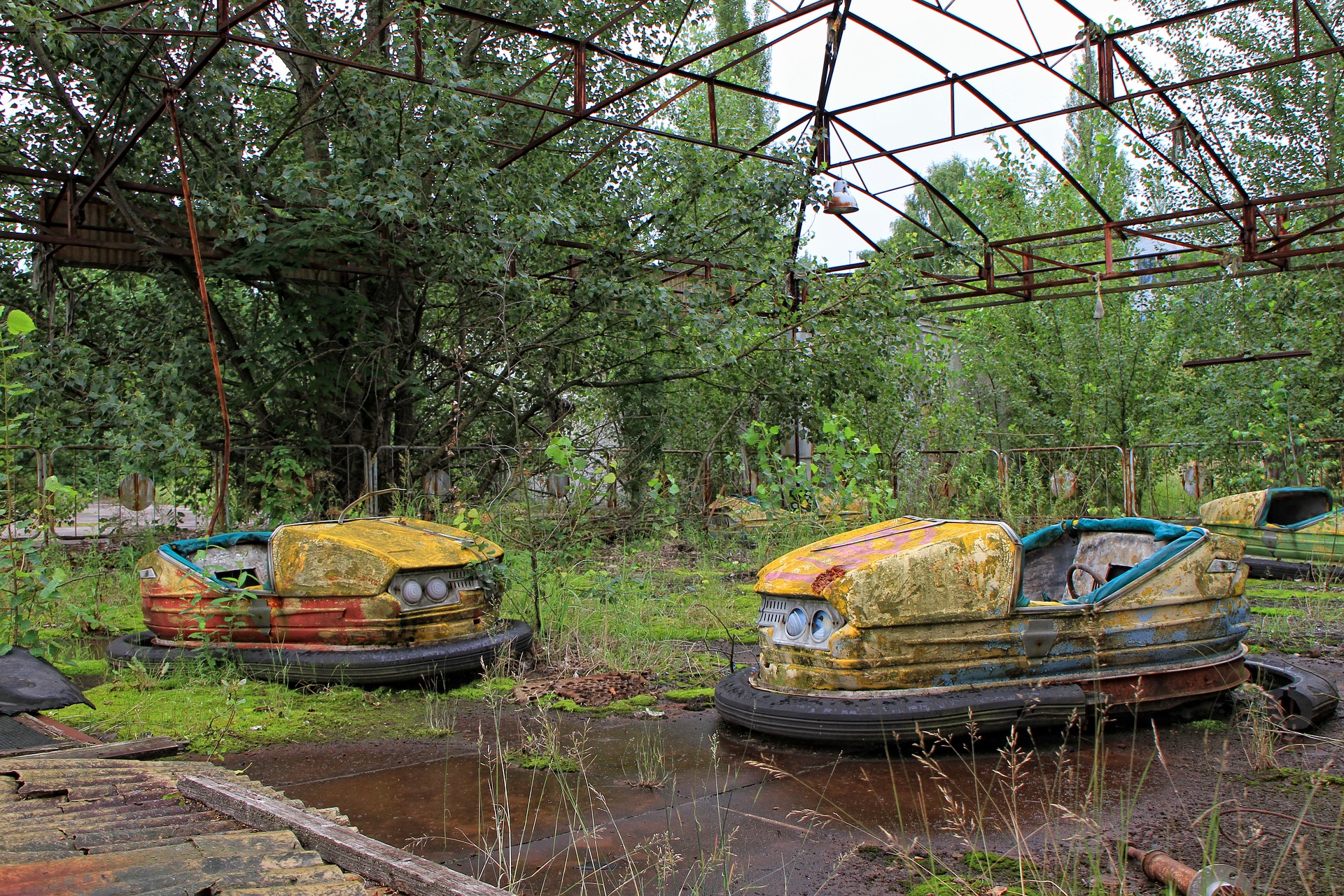
Have you ever wondered what draws people to the morbid places associated with suffering or death? Auschwitz, Ground Zero, and Chernobyl come to mind.

Travel with us to the summit of Monserrate above Bogota, Colombia. The mountain is part of the Andes and is a focal point in center of Colombia's capital city. It rises to 3,152 metres (10,341 ft) above sea level. At the top of Monserrate sits a 17th century church that houses a shrine devoted to "El Señor Caído" (Fallen Lord). Monserrate is a pilgrimage destination as well as a tourist attraction and the top offers spectacular views of Bogota below.

As the birthplace and childhood home of Queen Victoria and the current home of the Duke and Duchess of Cambridge and their children, Kensington Palace is a place of fascinating insight into the British Royal Family.
Every May, the entire island of Bermuda comes alive to celebrate Bermuda Day, a cherished national holiday that was formerly known as Empire Day. Originally marking the birthday of Queen Victoria across all British colonies, the day has since evolved to celebrate Bermuda’s national identity and heritage as the colonies gained independence.

Coventry doesn’t feature much on most people’s travel bucket lists. It’s a city that is known predominantly for being razed to the ground during the Second World War and then rebuilt in questionable design.
Smack in the middle of the booming, luminescent night life of St. Louis' trendy Loop district is a place where you can knock down pins near where President Obama knocks down pies (pizza, that is).

Located within the Shiloh National Military Park, the Corinth Civil War Interpretive Center tells the story of the railroads that crossed in Corinth and led to two Civil War battles for control that were some of the bloodiest ever fought.