
admin-tonya

In this episode of the World Footprint podcast, we have the privilege of interviewing Keith Stokes, advisor to the Rhode Island Black Heritage Society. Keith walks with us through the colonial African burying ground of God's Little Acre in Newport, Rhode Island and he shares many of the unrepresented stories that are etched in the grave markers.

Armenia brings together Yerevan’s museums, medieval monasteries, the Temple of Garni, ancient wine traditions and mountain trails. Explore the history, food and landscapes that make this South Caucasus country worth more than a brief stop.

During February, there is an influx of travel stories for the “Best Places to Celebrate Black History Month”. It’s great and there are so many places I want to visit! However, the same list almost disappears into the ether as soon as March 1st arrives.

World Footprints goes beneath the surface of the Negro Motorist Green Book, uncovering the human stories behind a document that quietly saved lives. During segregation, travel for Black families wasn’t about freedom or leisure—it was about calculation and risk. Driving through America meant navigating Sundown Towns, racial violence, and long stretches of road where no one would come to your aid if something went wrong. The Green Book became a lifeline. It identified safe places to sleep, eat, repair a car, or simply stop without fear. It also revealed a parallel America—one built by Black entrepreneurs, homeowners, and community leaders who created sanctuary in an openly hostile landscape. Overground Railroad: Reframing the Green Book’s Legacy We explore this history with Candacy Taylor, whose book Overground Railroad reframes the Green Book as part of a larger resistance network. Taylor situates Black travel within a lineage of survival and self-determination, showing how [...]

As the world bids farewell to the old year and welcomes the new with the chime of midnight on New Year's Eve, a global tapestry of hope, resolutions, and a collective fondness for age-old culinary traditions unfolds on New Year's Day. These are traditions that both me and Ian have grown up with and ones that continue to this day in the homes of my family members and ours.
Today, while most countries continue to honor New Year's Day on January 1st, each country's traditions couldn't be more different.

'Tis the season with the gift of holiday music. As you enjoy the musical selections from around the world, please accept our gratitude for your support of World Footprints over the years.

Looking for the best gifts for 2025? Our curated list features 25 Amazon gift ideas we’ve personally purchased and used—from travel essentials to everyday favorites that truly deliver.
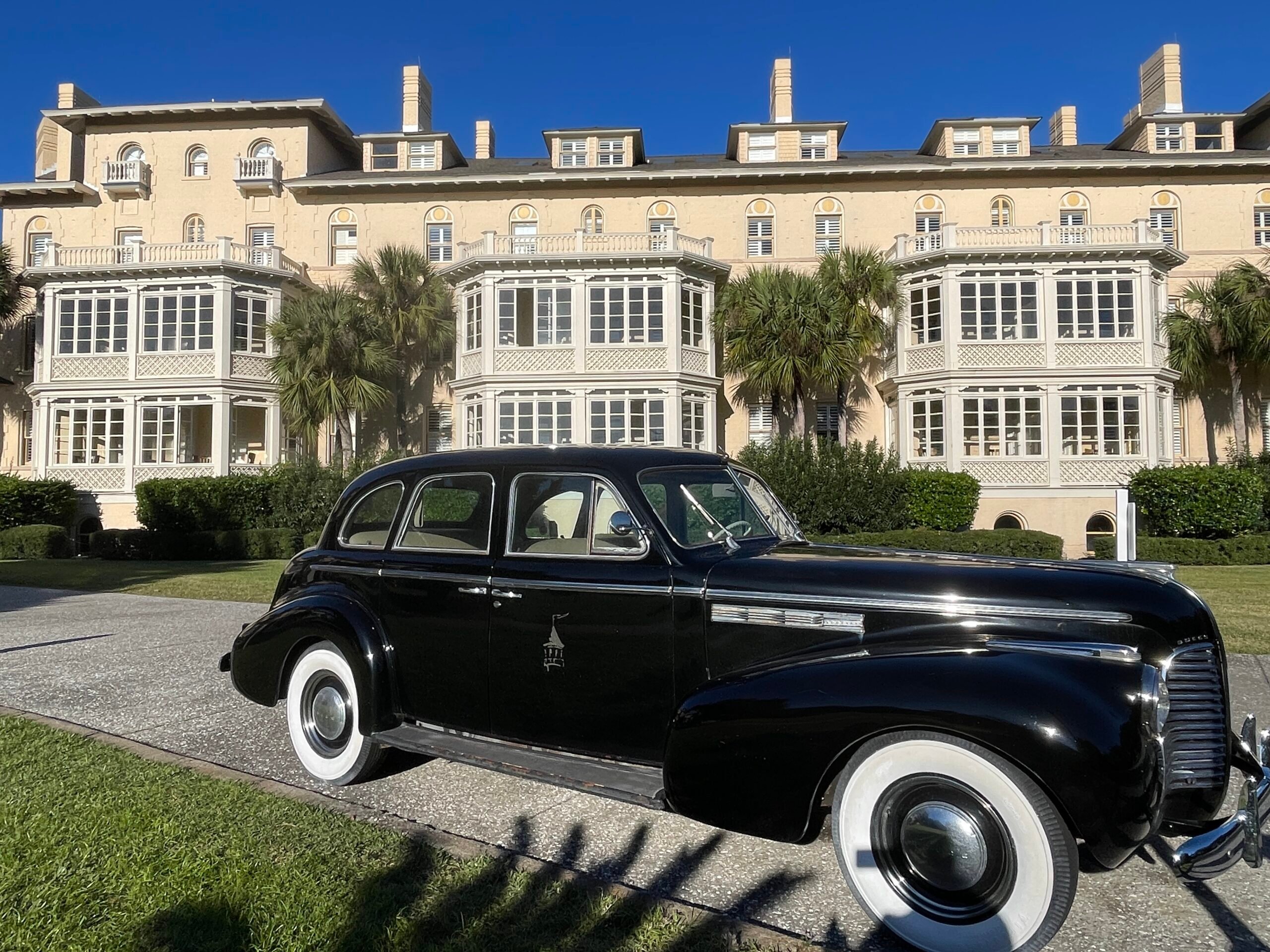
Jekyll Island doesn’t top most lists of holiday destinations, but maybe it should. Every December, the former Gilded Age retreat along Georgia’s coast transforms into a Southern-style winter escape. Live oaks are strung with lights, historic cottages are wrapped in garlands, and the old clubhouse lawn holds a towering Christmas tree. On the surface, it’s festive and charming. But what sets Jekyll Island apart isn’t just the decorations—it’s the weight of history beneath the surface.
Staying in one of Rio’s favelas requires more thought than booking a room with a view. Learn how community-led tourism works, what current safety advisories say and which questions travelers should ask before visiting.

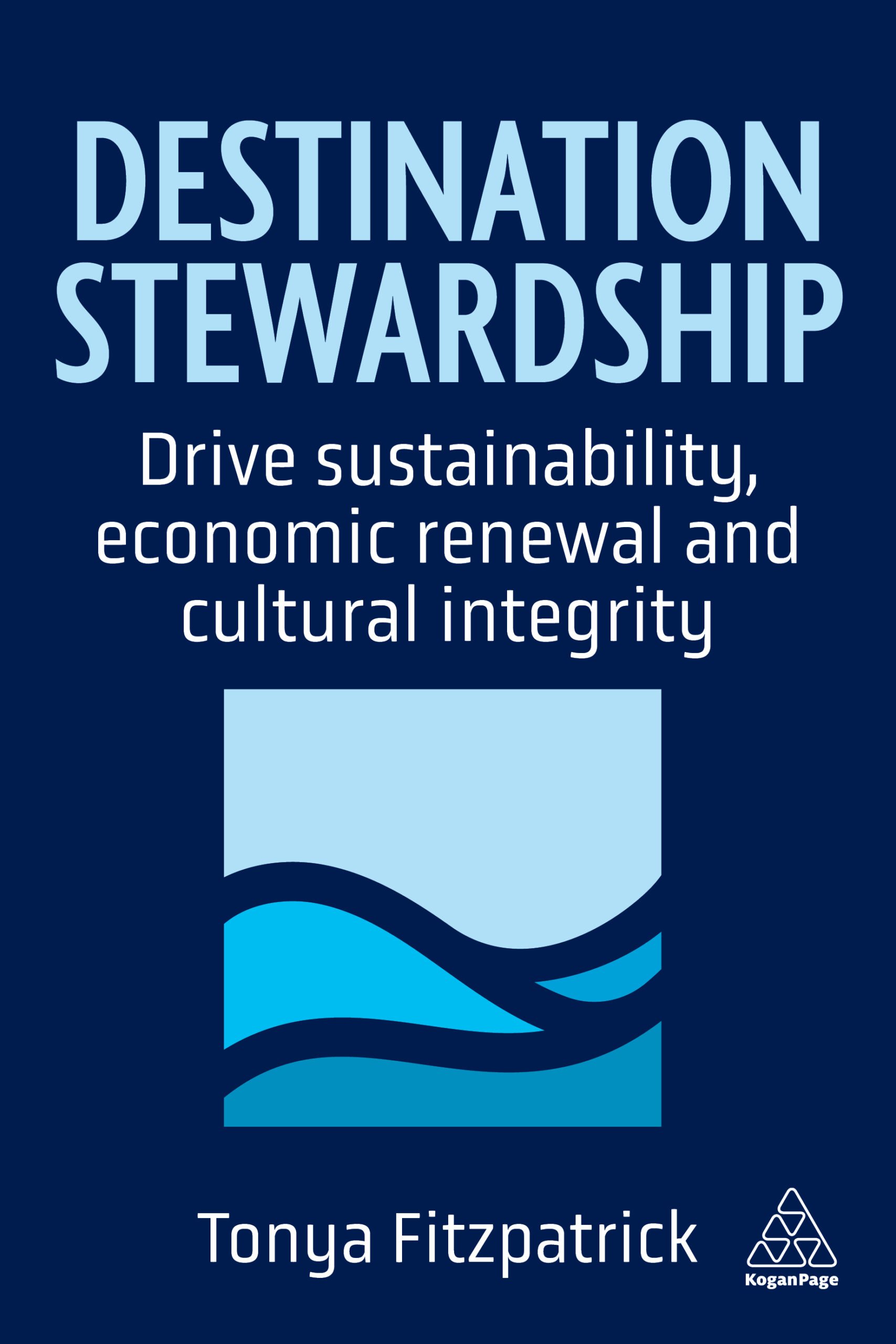
My new book, Destination Stewardship, is now available for presale! Get 25% off with code KOGANPAGE25 and enjoy free shipping in the UK and US. The book features insights from 30 global experts and includes a section for travelers on how to support stewardship wherever we roam.

Every inch of Australia is written in song. Songs track lines along the continent, with every jutting rock or bowing tree being represented by a line or a verse. The cadence, the rhythm, and the musical patterns that define the song are a mimicry of the feet of Australia’s ancestors, of the first feet to walk along the land.