
admin-tonya

Welcome to South Africa, the country with too many names! The list is long, but some of the most notable options include the Republic of South Africa, my absolute favourite country, Mzansi, and the rainbow nation.

Six and a half million acres. That’s the size of Indonesia’s Leuser Ecosystem, one of the most ancient and biodiverse places ever documented and the last place on Earth where Sumatran rhinos, tigers, elephants, orangutans, and sun bears roam freely together.

A new kind of volunteer tourism has entered the travel industry with an innovative approach; Volungearing, conceived by TribesForGOOD, taps an individual’s skills to pair him or her successfully in the social impact sector.

Many years have passed since the infamous war that divided Vietnam, but the scars are still evident: for the variety of food, busy cities, and rolling landscapes are a distinct contrast to dark times in Vietnam such as the Chu Chi tunnels or the War Remnant Museum in Ho Chi Minh City.

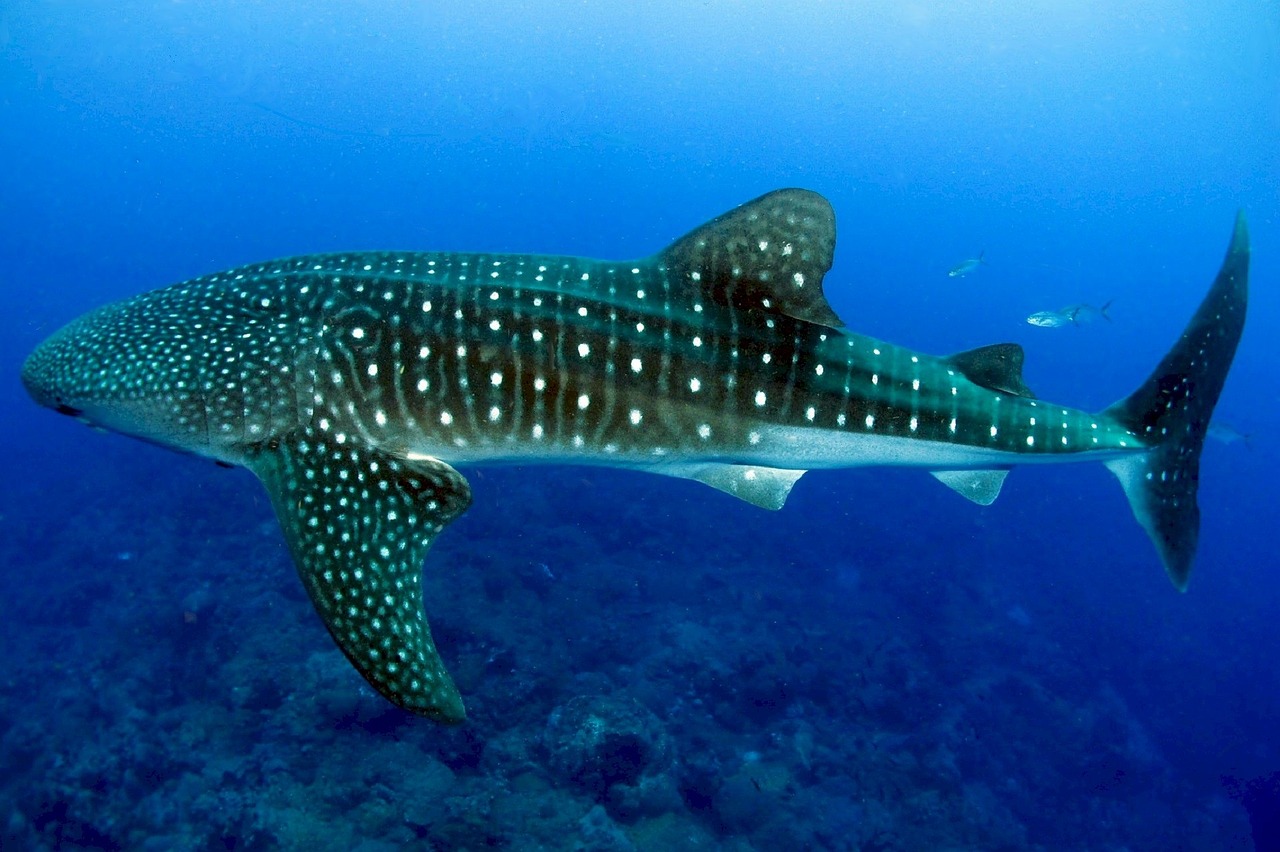
Madagascar’s Nosy Be was recently identified as a hotspot for whale sharks, which could boost the island’s ecotourism to rival the likes of global whale shark hotspots in Tanzania and Mozambique. One woman – the lead author of the study that identified Nosy Be as a feeding hotspot-- has now introduced a code of conduct to protect the sharks, enhance tourists’ experience and ensure any income to the island generated as a result is sustainable.

U.S. State Department travel advisories use four levels and nine risk indicators. Learn how advisories differ from embassy alerts and how STEP can help travelers stay informed abroad.

The Lone Star State contains some unique Halloween traditions. Filled with ghost towns, haunted hotels, and spooky lore, Texas has summoned attention for its intense connection to the paranormal.
During the early years of the 20th century, the small town of Kolmanskop, which originally was just a train station, became the richest town in Namibia during a diamond boom. However, after mining over 1 ton of diamonds during World War I alone, the resources soon became depleted, and the mining stopped. What is left of this significant historical landmark today is a ghost town of incredible beauty.

The Golden Triangle region of Northern Thailand sits at the intersection of three Southeast Asian countries along the Mekong and Ruak Rivers: Thailand, Laos, and Myanmar. A visit to this area is an incredible way to learn about the culture, history, and traditional arts of the region, which have been created over centuries by talented artisans and craftsmen.

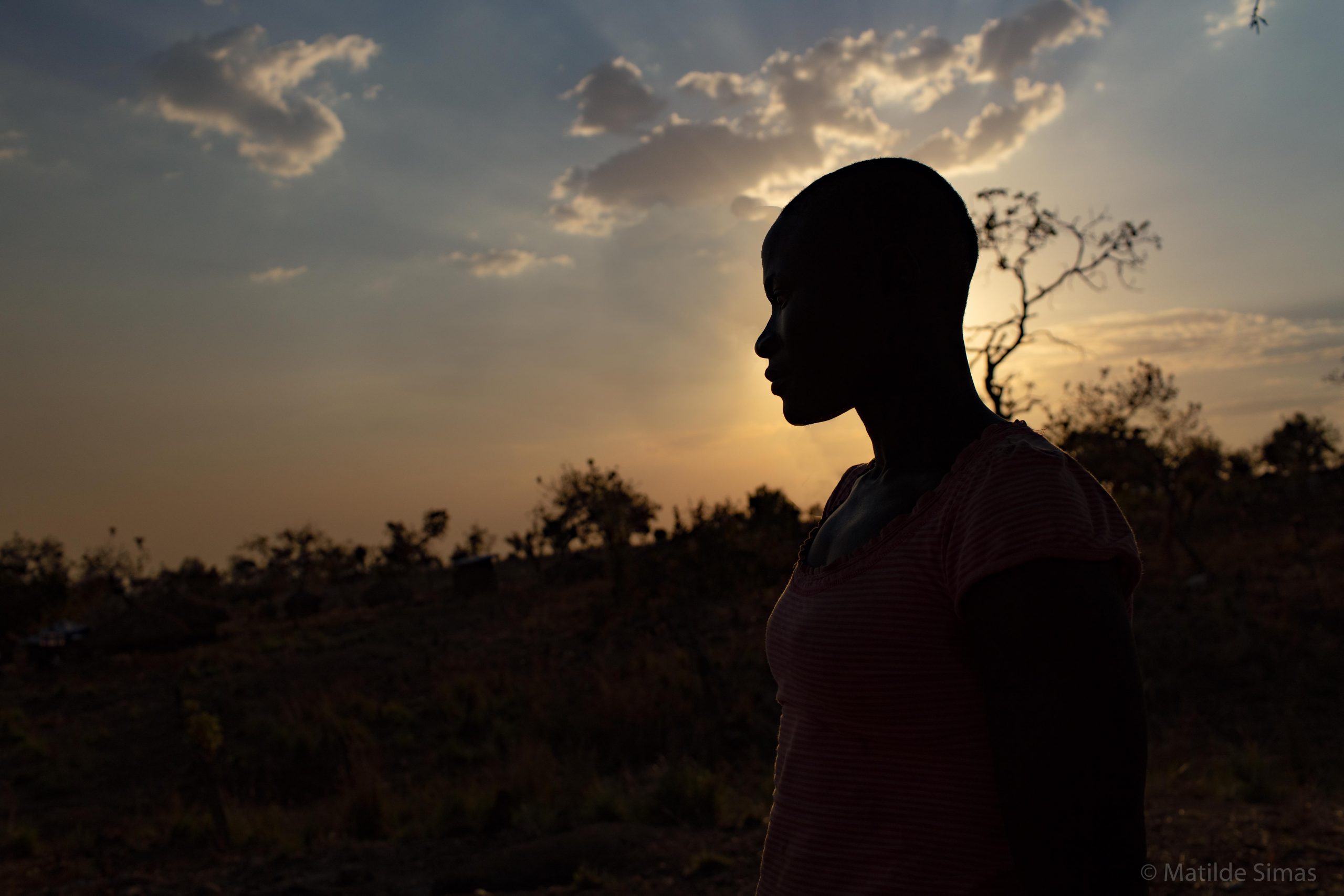
From long, uncomfortable trips to challenging accommodations, humanitarian travel isn’t typically glamorous. Massachusetts-based social documentary photographer and Capture Humanity founder Matilde Simas recently traveled to Imvepi Refugee Settlement in Uganda to explore the ways that children are exploited due to war.
Black American travelers and digital nomads discuss race, safety and belonging abroad—and why meaningful representation in the travel industry matters.

Paris is polarizing. You either love it or you hate it. It’s either cliché or it’s charming. For every romantic who says it’s their favourite city, there is a critic who turns their nose up at its grittier areas, high prices, or crowded tourist attractions. Even Parisians love to complain about Paris (but isn’t that so delightfully Parisian?).