

Staying in Rio’s Favelas: What Travelers Should Know Before Booking

Rio’s favelas are residential communities, not tourist backdrops. Any visit should be considered through the lenses of community benefit, respect and current safety conditions.
By Jackie Jones
Posted December 6, 2025
Editor’s note: This article was revised and updated by Tonya Fitzpatrick in August 2026.
A favela is not a hotel category, a scenic shortcut to the “real Rio” or a backdrop for dramatic photographs. It is a neighborhood.
That distinction matters because older travel coverage often treated staying in Rio’s favelas as the city’s next adventurous lodging trend. In the years before the 2014 World Cup and 2016 Olympics, stories emphasized low prices, sweeping views and promises of improved security.
That framing has not aged well.
Rio’s favelas are diverse residential communities. They are home to families, businesses, cultural organizations, artists and local tourism entrepreneurs. They also face deep inequality and security conditions that can change quickly. A cheap room with a view tells travelers very little about the community they are entering.
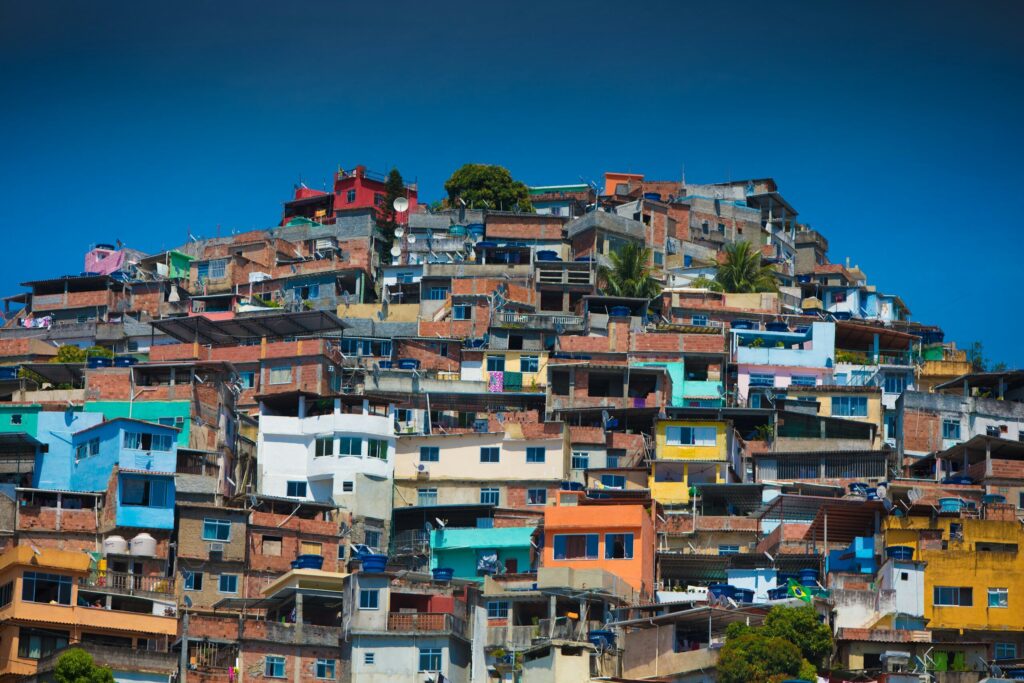
Rio’s favelas are living communities shaped by residents, local businesses and cultural organizations. Tourism should respect daily life and direct benefits back to the community. Photo by Wolf Schram
Favela Tourism Did Not End with the Olympics
Tourism in Rio’s favelas continues, but the strongest current projects place residents closer to the center of the story.
In March 2026, Rio’s Municipal Tourism Secretariat began a new phase of its Inovatur project focused on favela tourism. The work started in Morro da Providência. It brought together residents’ associations, guides, entrepreneurs, universities, social organizations and public agencies to identify challenges and develop tourism ideas.
The Museu de Favela offers another model. Residents and cultural leaders from Pavão, Pavãozinho and Cantagalo created the community museum in 2008. Its open-air Casas-Tela routes use murals, residents’ memories and local guides to tell stories that rarely appear in Rio’s postcard image.
These efforts are not built around outsiders “discovering” a neighborhood. They are built around residents interpreting their own home.
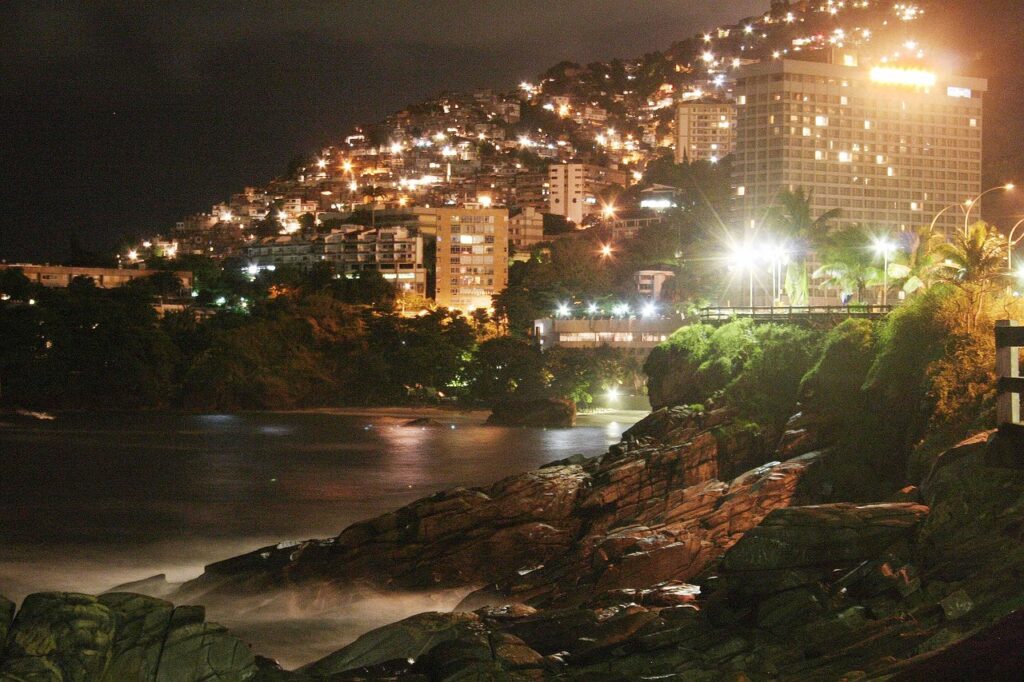
Vidigal’s hillside location has attracted travelers seeking views and local experiences. Community ownership and current safety guidance should matter more than the novelty of the setting.
Staying Is Different from Taking a Tour
A resident-led project may be thoughtful and locally beneficial. That does not remove the need to consider safety.
The current U.S. travel advisory places Brazil’s informal housing developments, including favelas, under Level 4: Do Not Travel. It advises travelers not to enter them, even on guided tours. Current British guidance also says to avoid favela tours and any accommodations, restaurants or bars advertised as being inside a favela.
Travel advisories are not a judgment on the people who live in these communities. They address risks linked to armed crime, police operations and conditions that may shift without warning.
Before booking a stay, check the latest advice issued by your own government. Confirm whether your travel insurance covers the location. Also verify the property’s exact address, transportation options and cancellation terms. A listing that says it is “near Ipanema” or “above Copacabana” may not clearly explain the surrounding area.
Ask Who Benefits from the Experience
The ethics matter as much as the itinerary.
The principles of destination stewardship apply here: residents should help shape the story, control the experience and receive a fair share of the tourism revenue. A responsible operator should be able to explain who owns the business, who leads the experience and where visitor spending goes.
Photography also requires restraint. Ask before taking pictures of people, homes or children. Do not treat poverty as scenery. Avoid drone videos that turn an entire community into an exotic contrast with nearby beaches and luxury towers.
Spending at resident-owned restaurants, shops, cultural projects and guide services can support the local economy. But travelers should not assume that every business using the word “favela” is community-led.
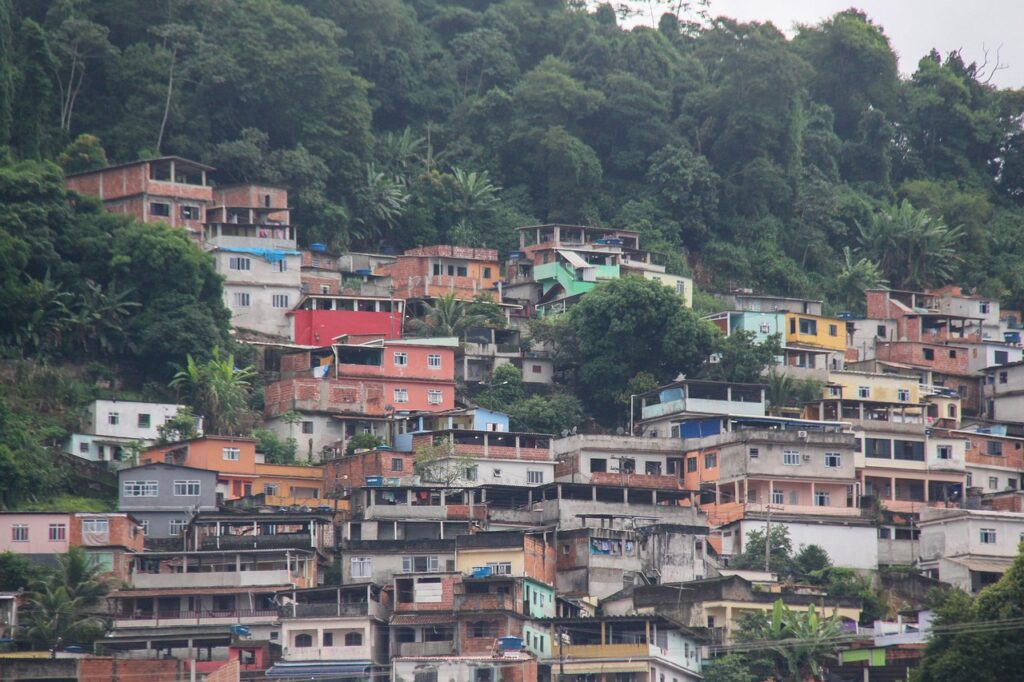
Rio’s favelas are living communities with homes, businesses and cultural organizations. Tourism should not reduce them to scenery, poverty or danger.
You Do Not Have to Stay Overnight to Learn
Travelers can engage with favela history and culture without booking a room inside one.
The Museu de Favela’s headquarters can be reached from Ipanema without passing through favela territory. Visitors can see exhibitions created around local memory, art and community life. The museum also offers resident-mediated outdoor routes, although travelers should weigh those options against current safety guidance.
This creates a more honest starting point. Rio’s favelas should not be reduced to crime, but they should not be sold as danger-free authenticity either.
The better question is not whether staying in a favela sounds adventurous. It is whether the visit respects residents, directs benefits into the community and makes sense after reviewing current conditions.
Book Your Stay in Rio de Janeiro, Brazil
Use the interactive map below to compare hotels and rentals across Rio de Janeiro. Check the precise location before booking, then compare transportation, cancellation policies and recent guest reviews.
Join the community!
Join our community to receive special updates (we keep your private info locked.)

