

History
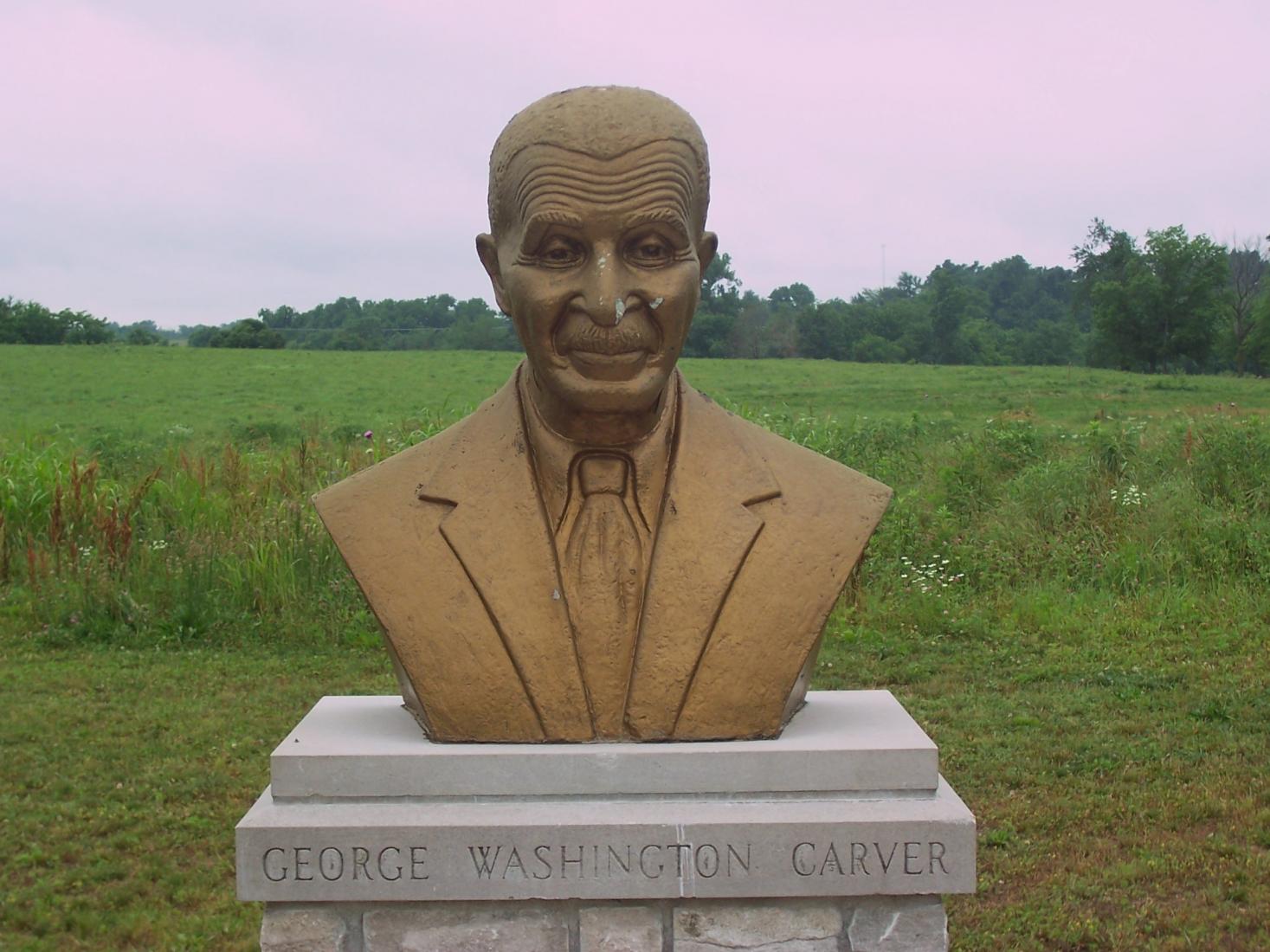
George Washington Carver statute. Photo: Tonya Fitzpatrick
“A traveler without observation is a bird without wings.”
— Moslih Eddin Saadi
No matter where you go, every place has a story and historical travel unpacks those stories.
From great struggles against oppressive forces to human ingenuity, the people and the places who have defined significant eras in human history move many to travel see where history was made. Travel through the historical places, see and observe what was then and how things are now. Every place has evolved over ages and become what it is today , hence you must visit history to understand the struggles and changes that came through with time.
Being able to walk where history was made, seeing the places that shaped legendary figures or experiencing life as our ancestors did, historical travel allows history to come to life in ways that transcend a history book.

In 1864, the Swiss government, driven by a humanitarian vision, extended an invitation to the governments of Europe and the United States to participate in a diplomatic conference in Geneva. This historic gathering was convened against the backdrop of increasing concern over the horrors and brutalities of war, particularly the suffering of wounded soldiers who were often left unattended on battlefields. On August 22, 1864, this assembly of nations reached a groundbreaking agreement that would forever change the conduct of warfare: the adoption of the first Geneva Convention, officially titled "Convention for the Amelioration of the Condition of the Wounded in Armies in the Field."

On this day, the world welcomed Mary Wollstonecraft (Godwin) Shelley, born in London, England. Better known as Mary Shelley, she was an English novelist, short story writer, and dramatist. She is most famous for her novel "Frankenstein; or, The Modern Prometheus," which she wrote when she was just 18 years old. The novel, published in 1818, is considered one of the earliest examples of science fiction and remains a classic of Gothic literature.

On August 15, 1483, the first mass was held in the newly constructed Sistine Chapel, marking a significant moment in the history of the Vatican and the broader Catholic Church. This inaugural ceremony was held to celebrate the Feast of the Assumption, a key feast day that honors the Virgin Mary’s ascent into heaven. The mass also served as the chapel's consecration, officially dedicating this sacred space to the Virgin Mary.


