
Cultural Heritage

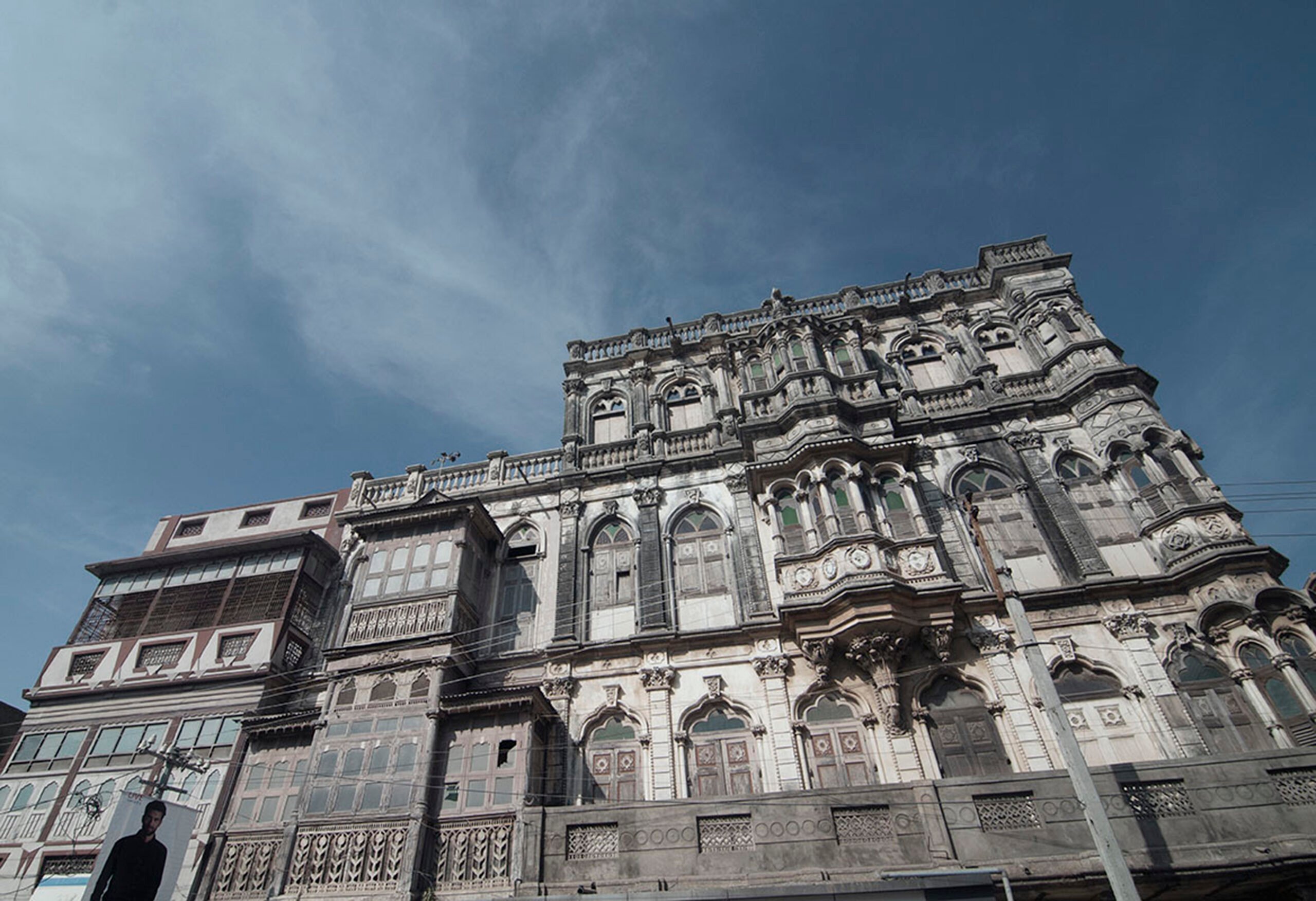
Sidhpur is deeply rooted in both history and Hindu mythology. Since ancient times, the sleepy little town in North Gujarat, India, has been a sacred pilgrimage site among Hindu devotees who honor their maternal ancestors. The town rose to prominence during the rule of the Solanki Dynasty when it became the capital of the state and was named after the famous king Siddhraj Jaisingh.

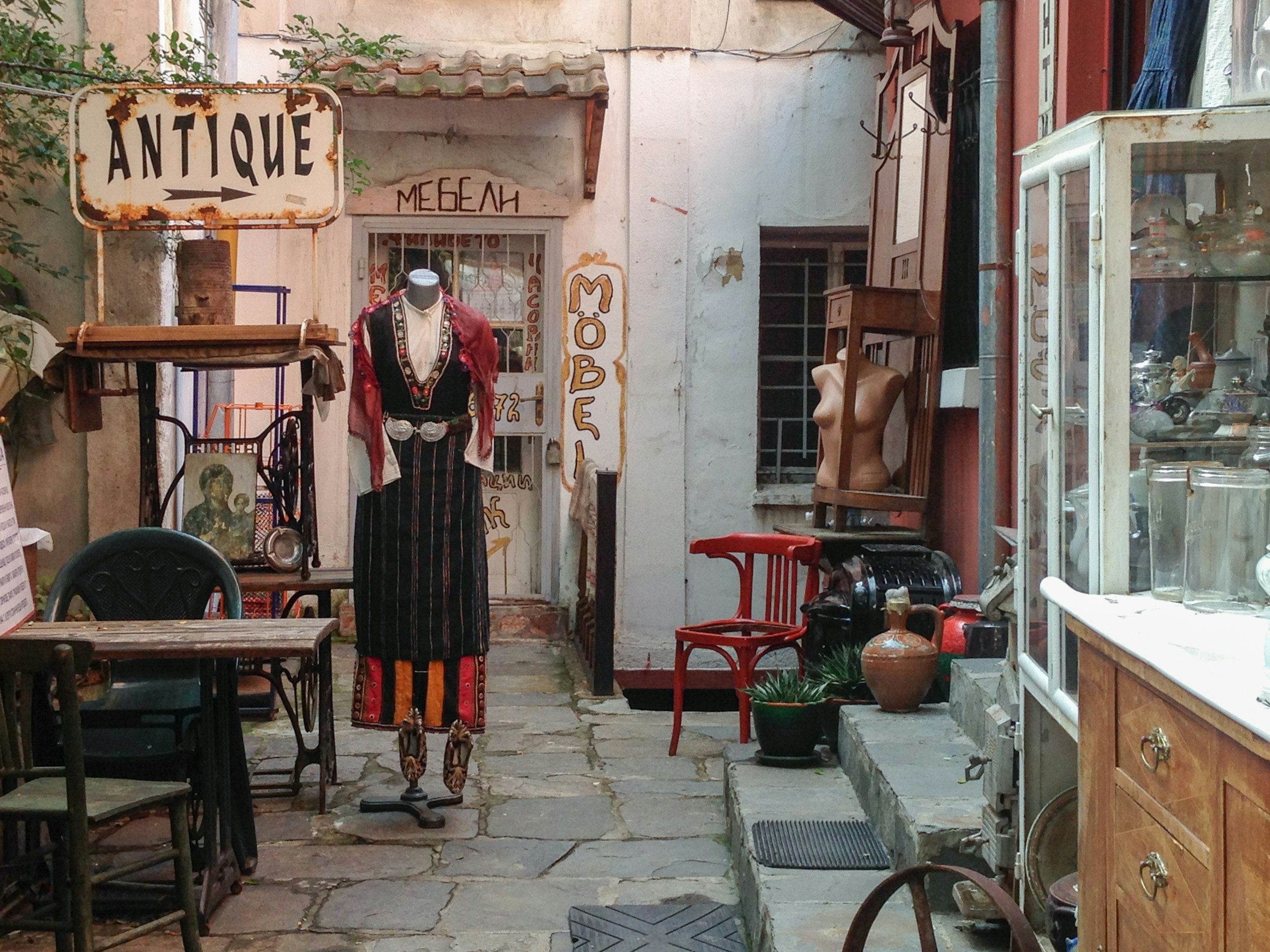
When I was a kid, I thought everyone popped into quirky little antique shops when they traveled. After all, my family did. We built entire day trips around it. We’d spend hours drifting from shop to shop in Cadiz and Paducah, Kentucky, or Watertown, Pigeon Forge, and Lebanon, Tennessee. Those shops can be as informative as museum visits, especially with a knowledgeable companion. They can help you get to know the area in a distinct way. I still make it a habit to visit antique shops when I travel, and I think you should, too. Here’s why.

Explore the untold story of the largest slave revolt in U.S. history, discover how Polaris Project is fighting modern slavery, and hear from yacht chef Victoria Allman about life aboard a luxury superyacht.

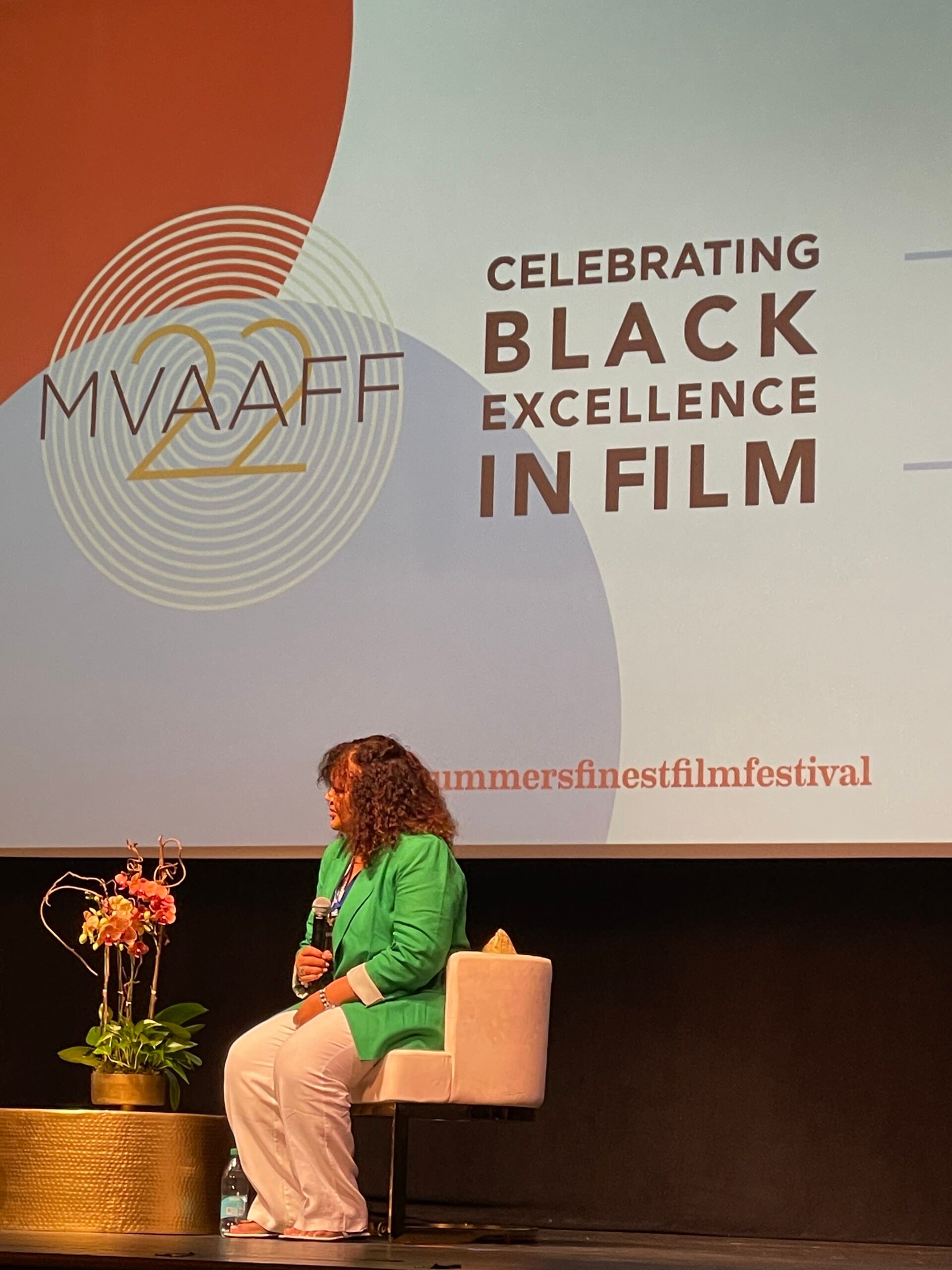
If you’ve never been to the Martha’s Vineyard African American Film Festival (MVAAFF), here’s your invitation to something truly special. This isn’t just a film festival. It’s a celebration of Black creativity, legacy, and community — all set against the stunning backdrop of Martha’s Vineyard. Every August, Oak Bluffs transforms into a vibrant hub of storytelling and connection. It’s where filmmakers, activists, artists, and audiences gather to experience a week of screenings, panels, parties, celebrity sightings and cultural exchange. If you’re joining for the first time, here’s everything you need to know to make the most of it.

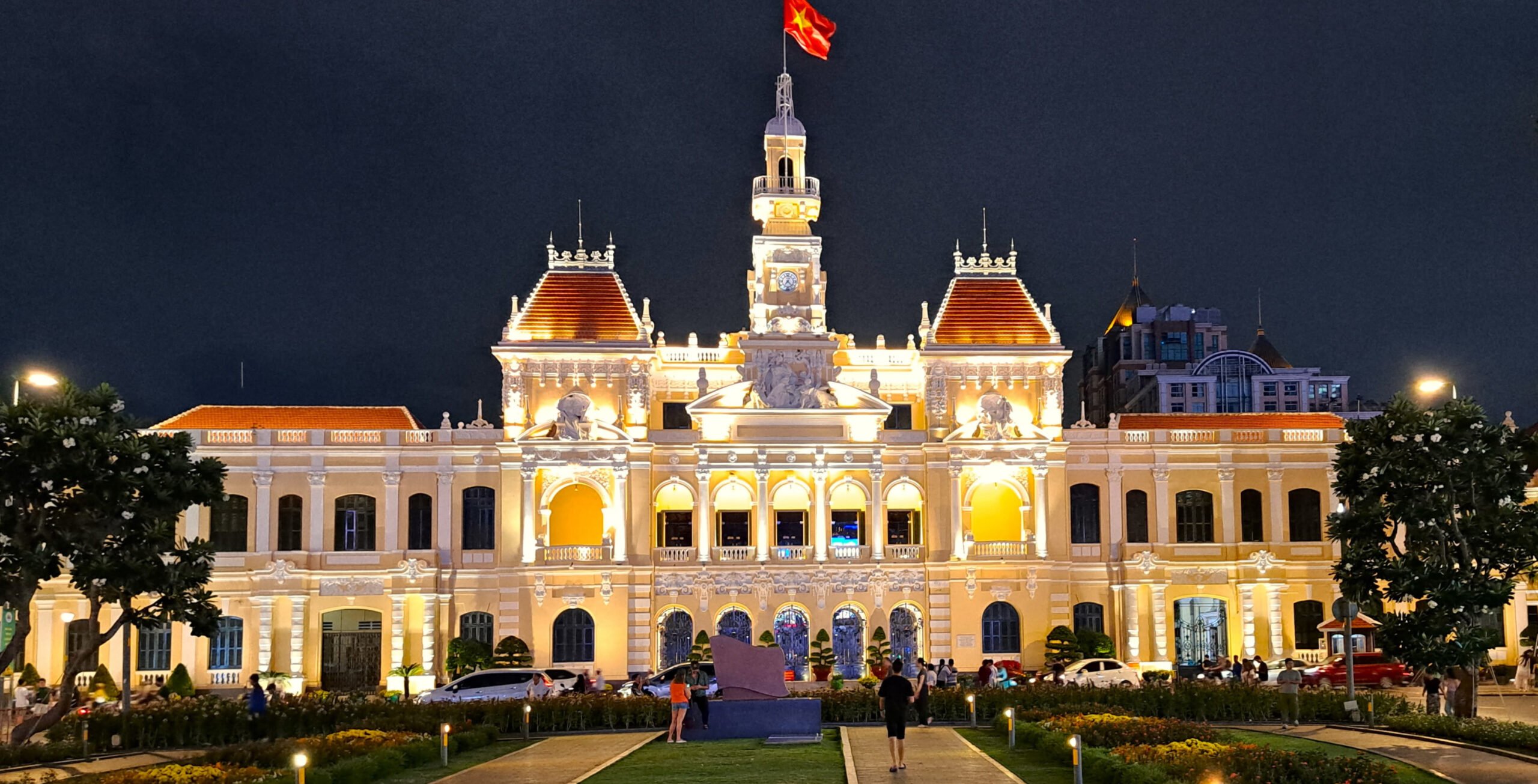
The ubiquitous street art, depicting portraits of Ho Chi Minh, flying pigeons, and people waving the national flag, reminded me that this year marks the 50th anniversary of Vietnam’s reunification in 1975.

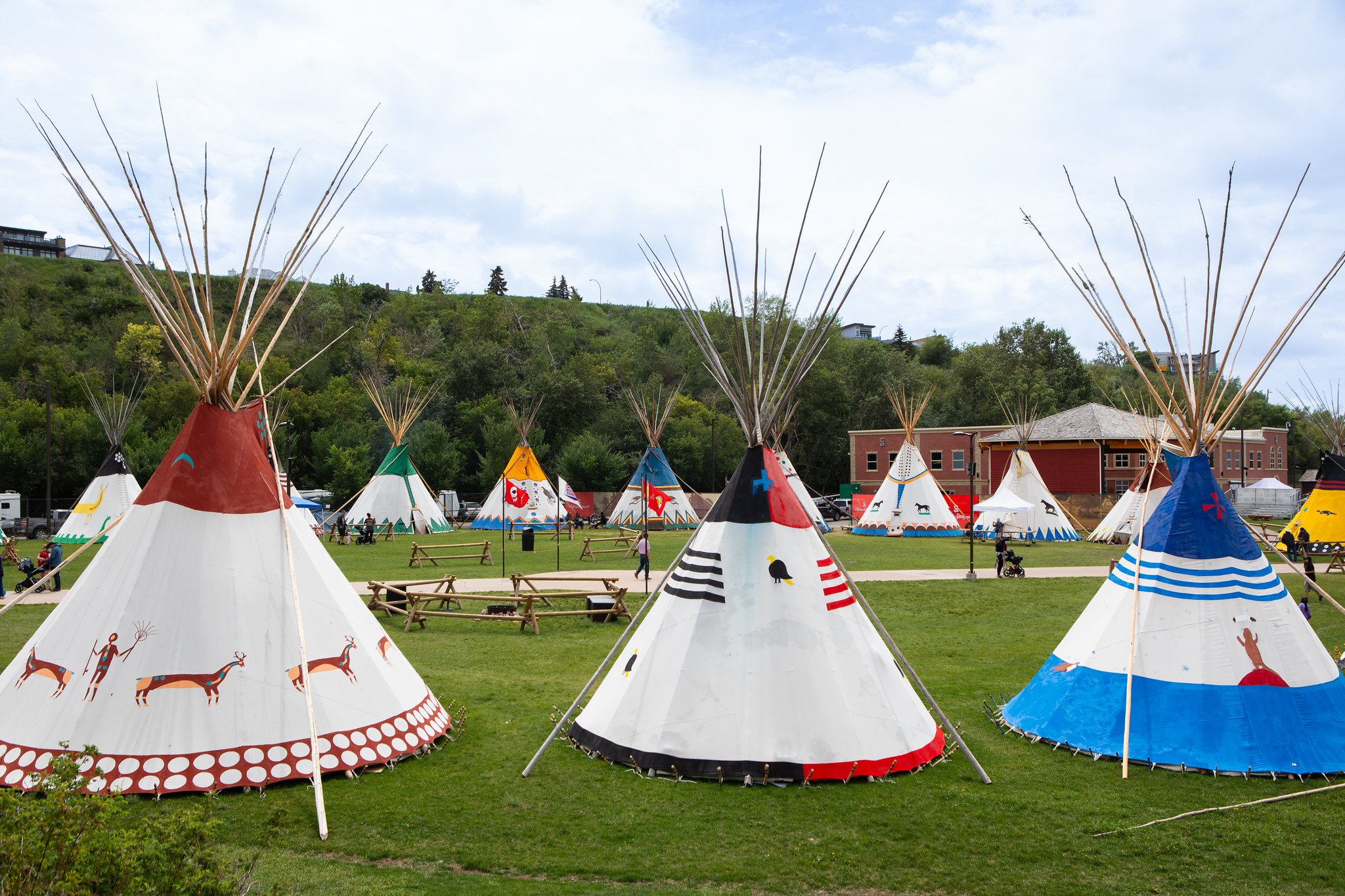
This week, “The Greatest Outdoor Show on Earth” returns to Calgary in the Canadian province of Alberta. Better known as the Calgary Stampede, this annual 10-day event features an opening parade, a rodeo, a festival filled with rides and indulgent treats, as well as pancake breakfasts throughout the community. But, perhaps one of the Calgary Stampede’s most intriguing events is the Elbow River Camp, formerly known as Indian Village.

Explore South Africa’s art revolution with Soweto Fine Art, uncover the hidden creative spirit of Eritrea, and dive into a powerful conversation on African art, identity, and preservation with Galerie Myrtis in Baltimore.
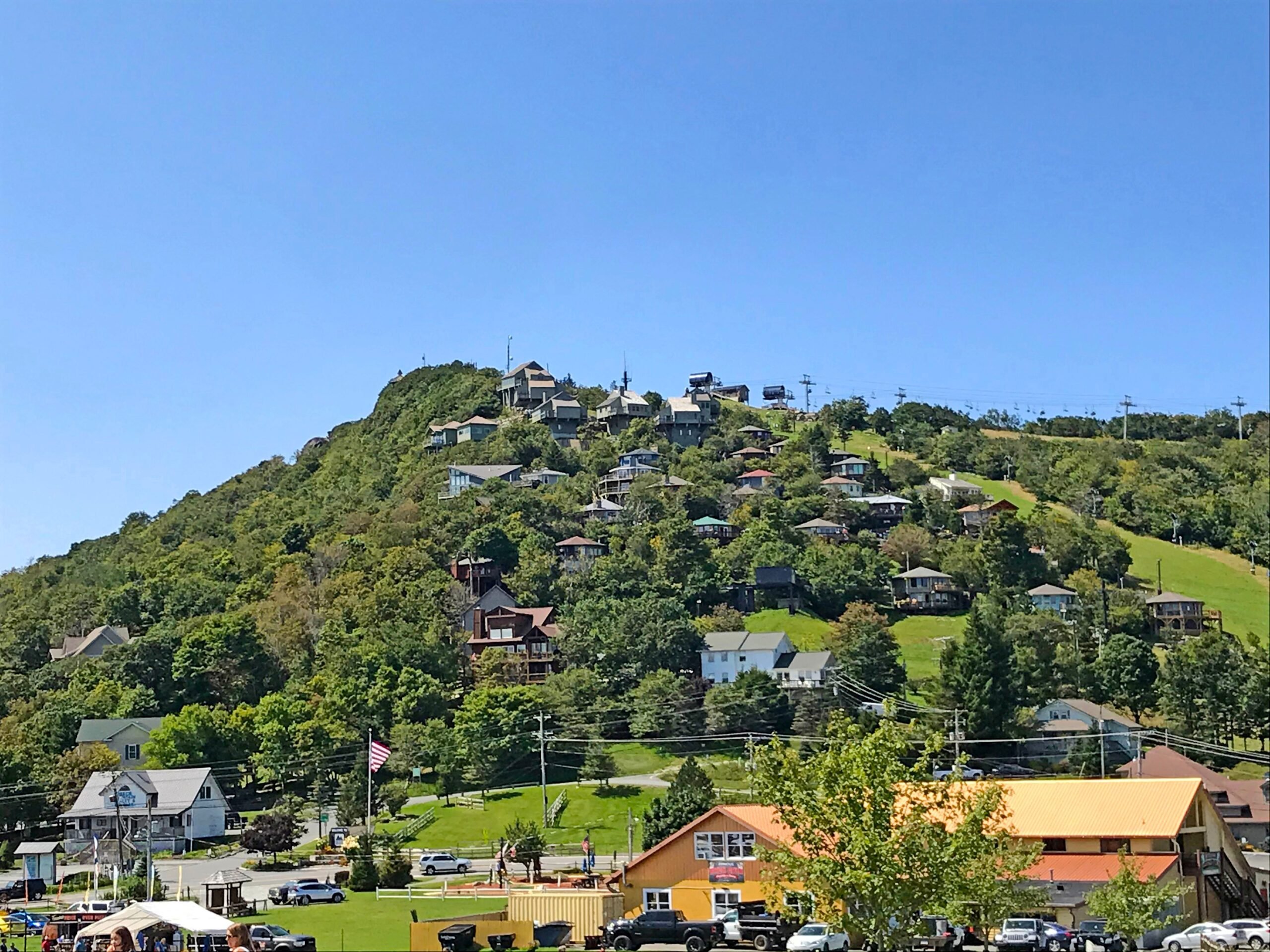
The natural beauty of the mountains of North Carolina has beckoned travelers for decades. When autumn arrives and vibrant shades of gold, orange, yellow, and red paint the landscape, even more visitors arrive. Residents and business owners eagerly anticipate the fall season and welcome travelers with a smile. But in September 2024, in the midst of the colorful season an unwelcome guest arrived…Hurricane Helene. The horrific storm caused significant damage to many mountain towns in the North Carolina mountains, and some have still not recovered. Lives, businesses, and property were lost to the storm.

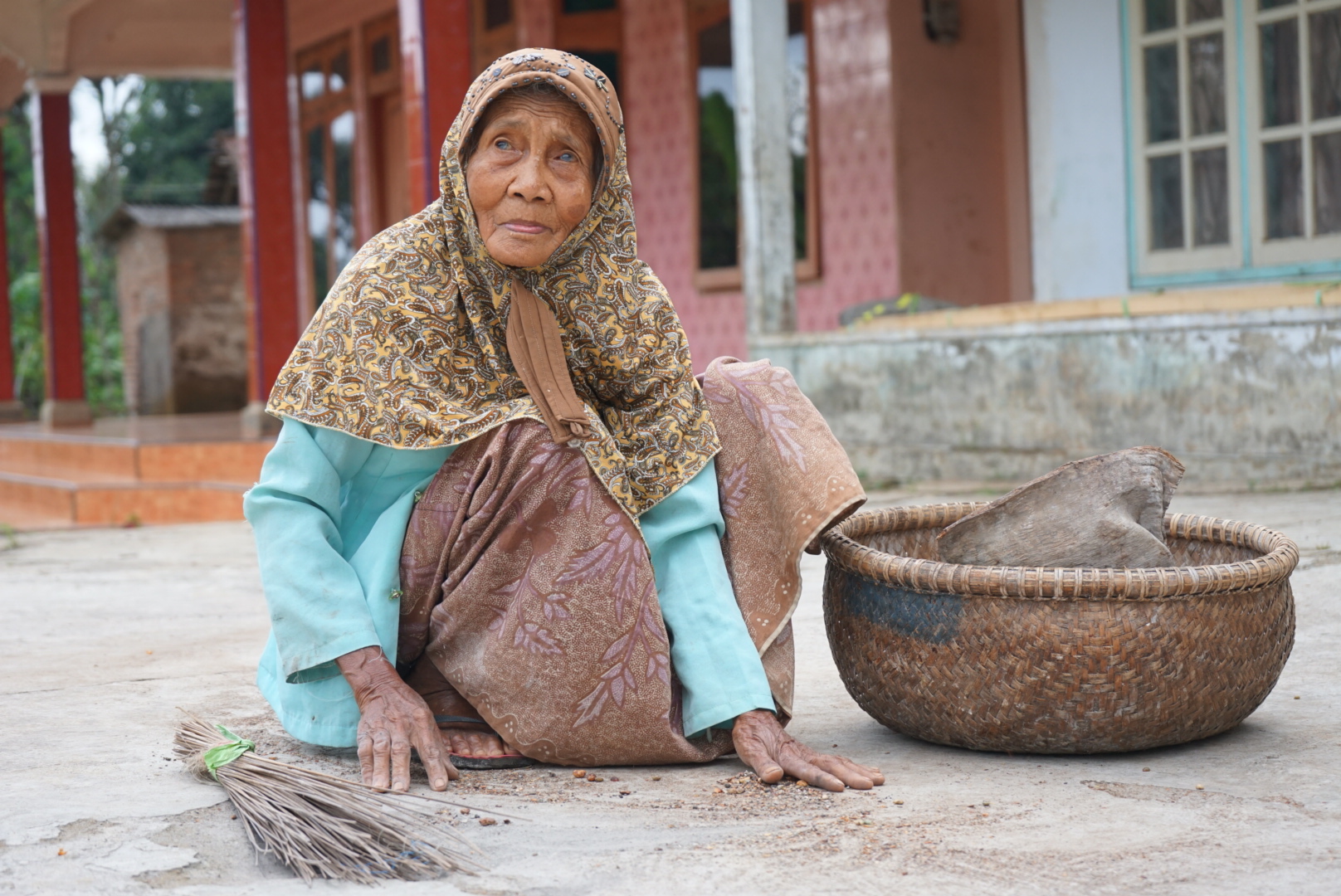
The sleepy village of Licin is situated in the Banyuwangi regency of East Java, Indonesia. It’s a 30-minute drive from the town of Banyuwangi – Java’s easternmost tip – and an hour from the slopes of Kawah Ijen, the legendary volcano famous for its electric blue flames. It’s often used as a base for hiking the world’s most fascinating crater, and foreigners usually pass through it. But during my travels in Indonesia last November, I was instantly drawn to Licin’s wild beauty and tranquility, making it my home for the remaining two weeks of my stay in the country.
Award-winning artist and sculptor Tyree Guyton started The Heidelberg Project in 1986 as a political protest after he returned to his old Detroit neighborhood, the Heidelberg area in the McDougall-Hunt Neighborhood, and found dereliction and debris. Drugs and crime made the neighborhood unsafe to walk even in the daytime. He began cleaning up vacant lots with the help of his grandfather, Sam Mackey. Then he took the first step in what became known as the Heidelberg Project; he painted his mother's house with brightly colored polka dots as a statement that we are all different but should all be treated equally. It became known as the Dotty Wotty House, sometimes called the People's House.
In my broken Thai, I pointed toward the water and looked at the boatman. “Bua?” I asked. "Bua" means lotus in Thai. I tried to mimic the local accent and used a hand gesture, hoping he would understand and take me to see the flowers. He nodded and smiled, mumbled a string of words that I could not understand, and steered the boat into the open water, still shrouded in morning fog. The boat slowly pierced through the dissipating mist, eerily silent, like something out of a sci-fi movie. Before us, a sea of pink lotuses started to unfold, bit by bit, like a watercolor painting coming to life with each brushstroke. It was surreal, almost like a dream, yet it was real. My jaw dropped in awe when the scene finally unfolded in its entirety.

Join us for this immersive audio journey through Kansas City’s African American heritage. Whether you're a cultural traveler, a history lover, or someone seeking deeper truth, this episode offers a window into the resilience, brilliance, and legacy of Black Kansas City. 🎧 Available wherever you get your podcasts: [Apple Podcasts] • [Spotify] • [iHeartRadio] • [WorldFootprints.com]