
Cultural Heritage

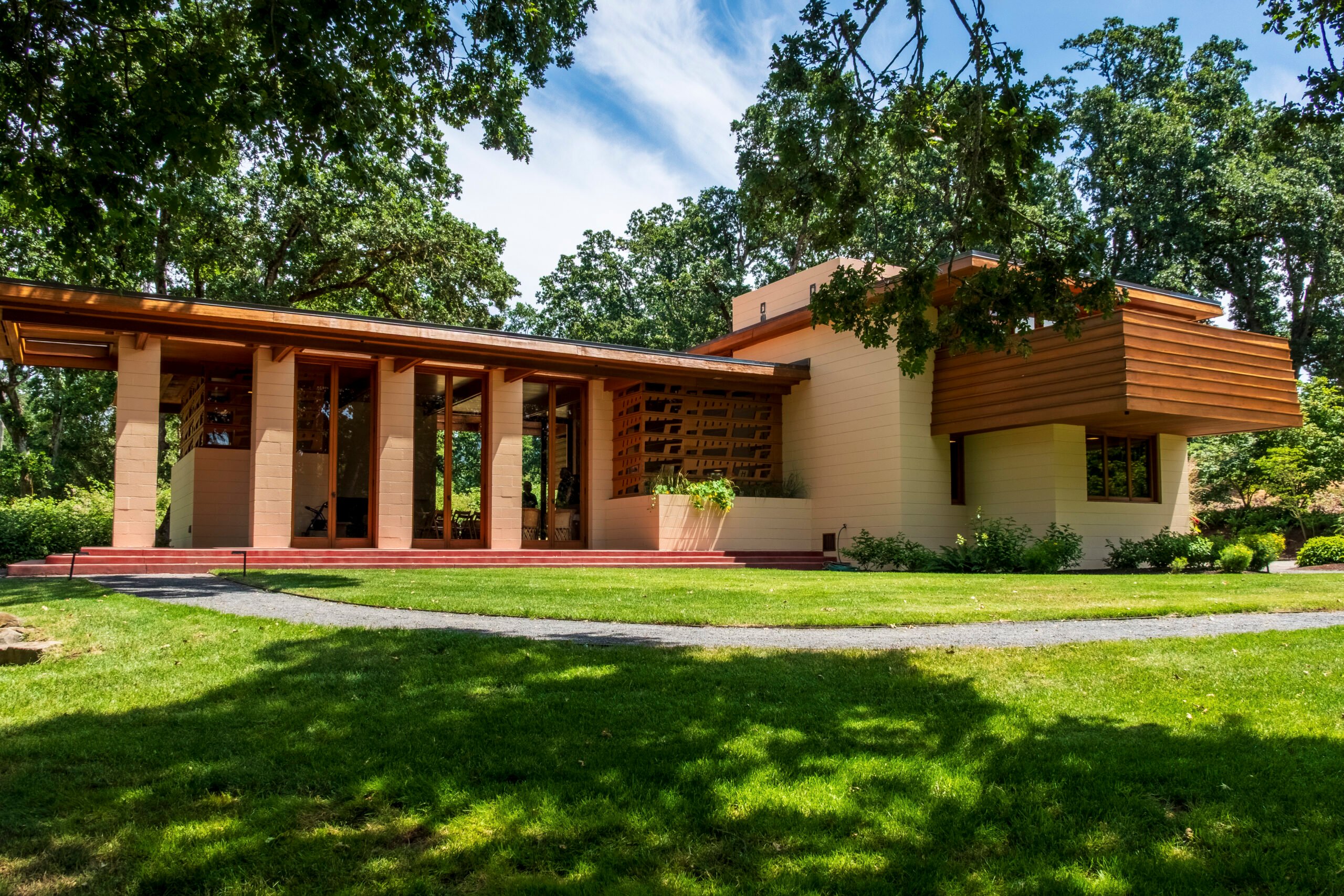
Like all fretwork by Frank Lloyd Wright, the stylized cedar cutouts over the upper windows of the Gordon House are unique. Some people think the pattern looks like upside-down saw blades in a nod to Oregon's lumber industry. Others believe it resembles fallen trees or branches, tour guide and assistant manager Mairee MacInnes remarked.

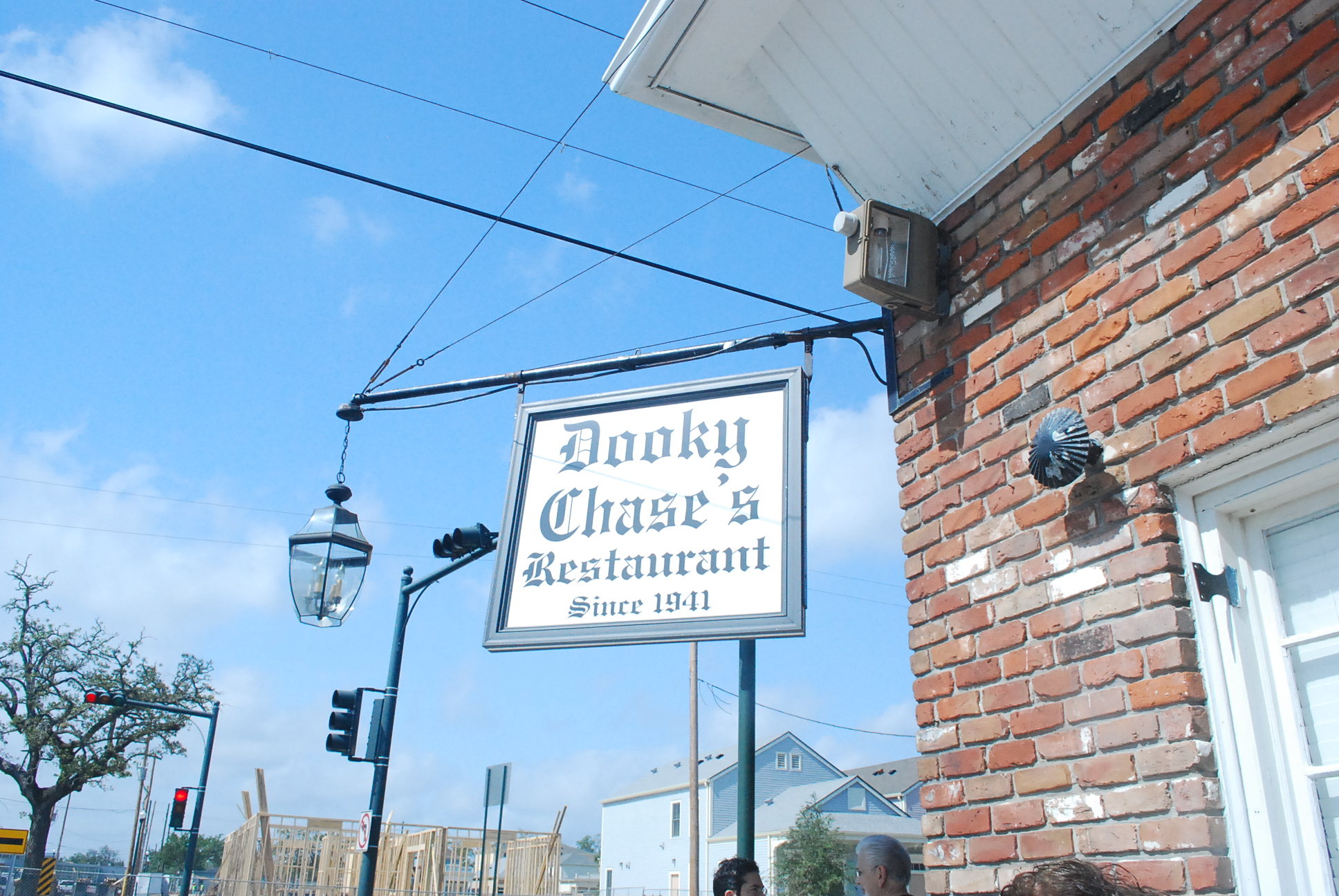
Discover New Orleans beyond the French Quarter with World Footprints. Explore Leah Chase’s legacy, Tremé’s rich history, hidden museums, and the famous Carousel Bar.

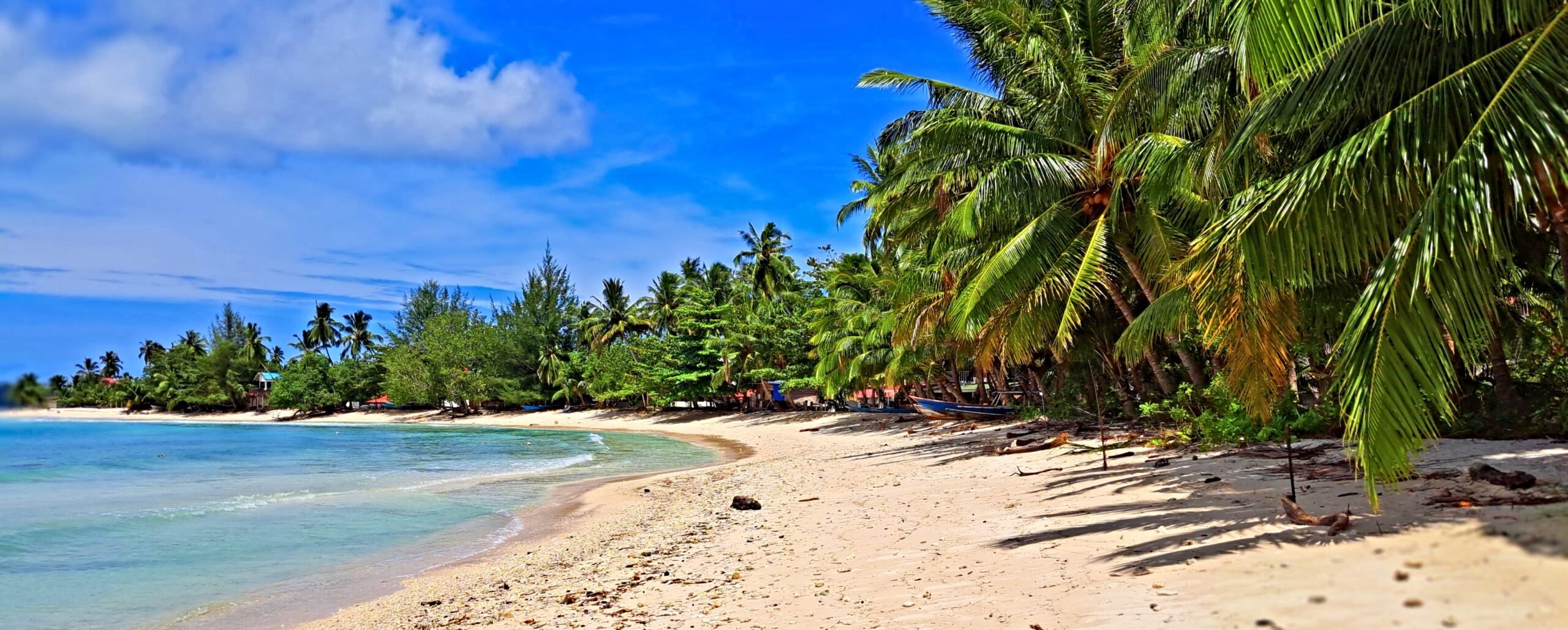
Talk about a getaway. Indonesia’s 17,000 islands include Sumatra, the world’s sixth largest. Making up an incredible slice of its west coast, West Sumatra hugs the Indian Ocean, where 100 miles offshore lie the fabled and exotic Mentawai Islands. Engaging locals include a mix of colorful Indo, tribal, and missionary characters who—mixed with stunning visitor affordability—make these islands a true jungle-meets-ocean nirvana.
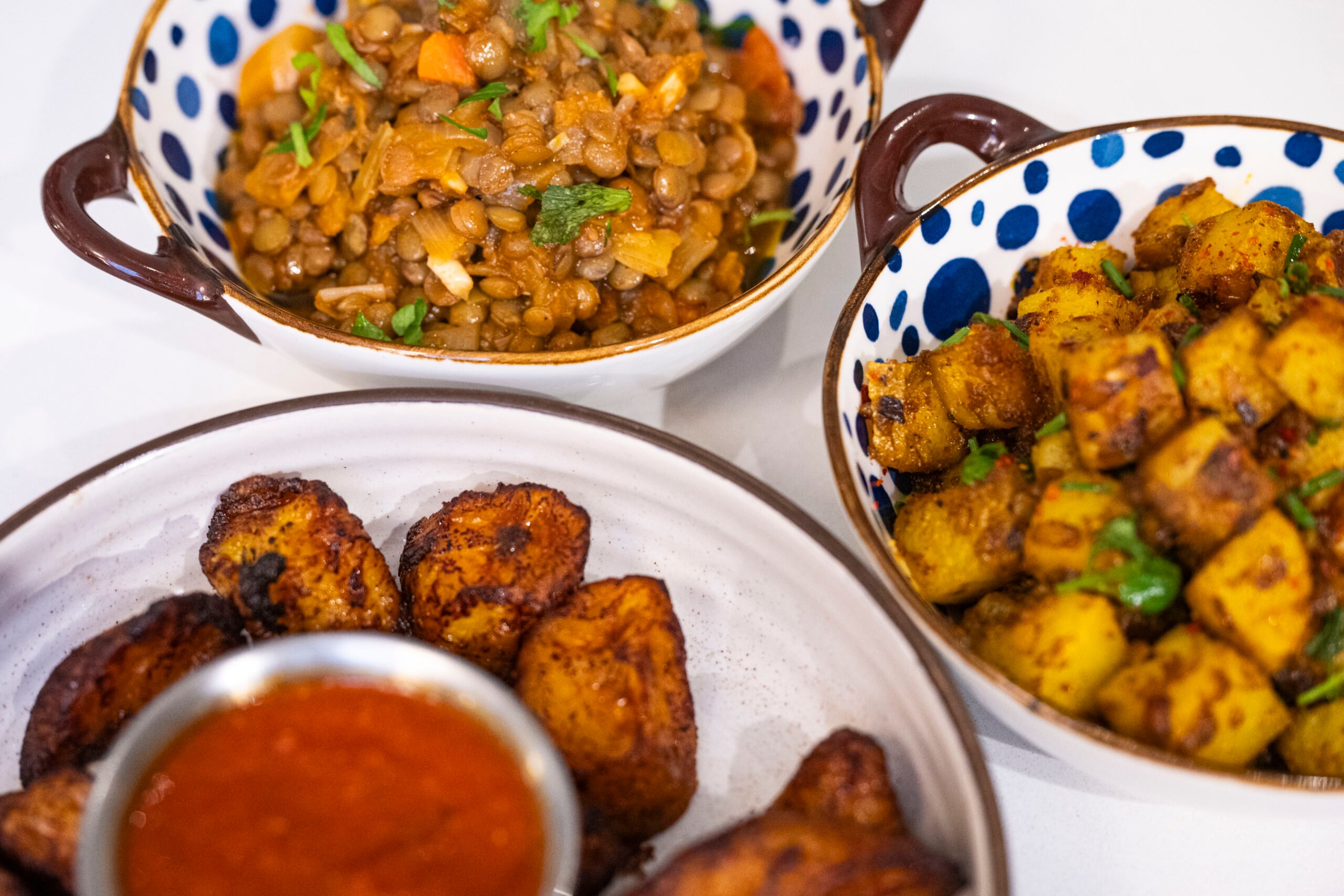
Hidden away in Aspen’s industrial outskirts near the airport, Mawa’s Kitchen appears out of nowhere. At first glance, the quiet, warehouse-filled street seems an unlikely setting for a culinary hotspot. But step inside, and that illusion quickly falls away. Here in this light, airy space, with its French-inspired wallpaper and forest-green bar, Mawa McQueen’s world comes alive.

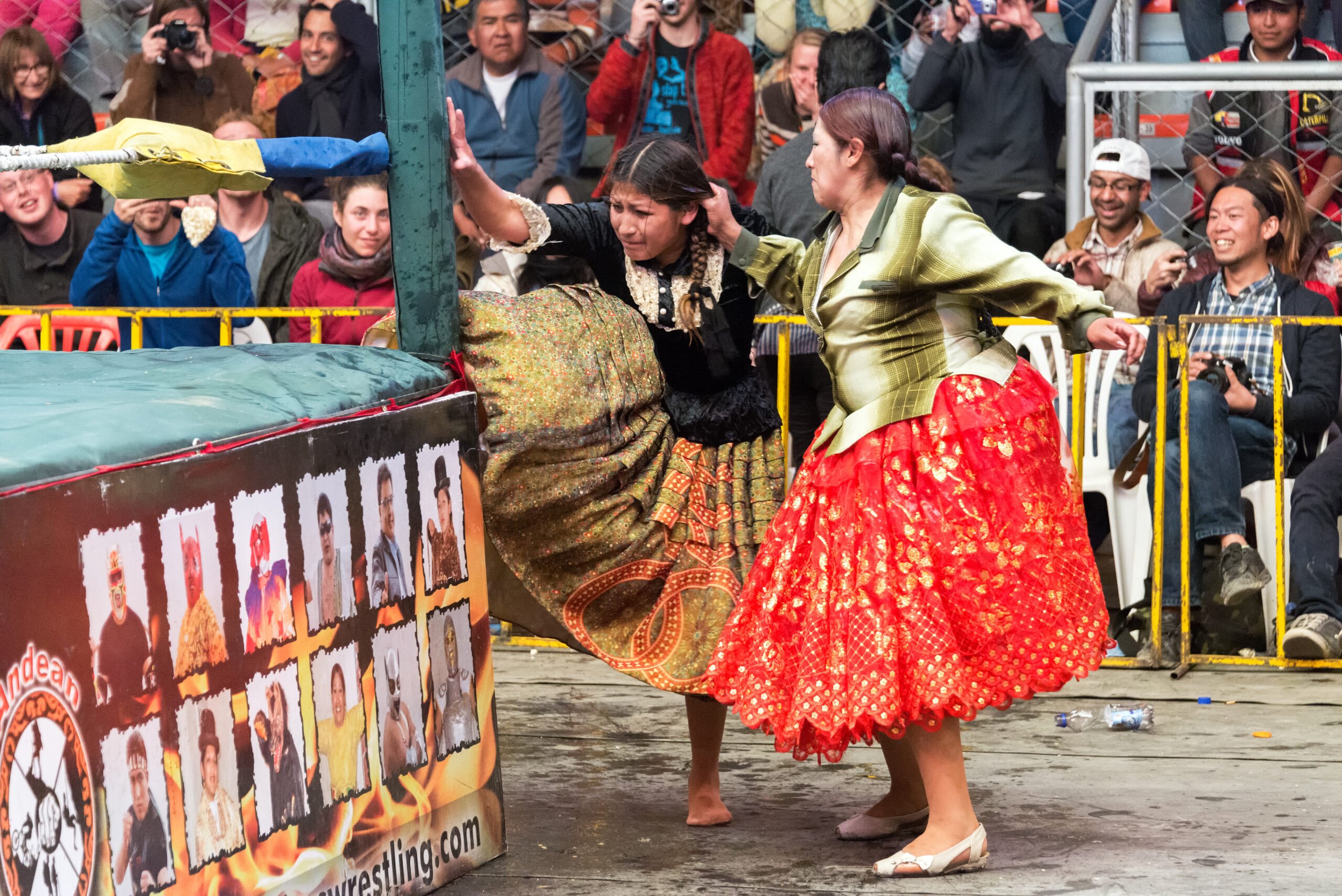
Just 40 years ago, the Indigenous Aymara women of Bolivia held a specific place in society. Often barred from certain restaurants, cafes, even many forms of public transportation, they mostly worked for the middle and higher class as domestic workers. This meant that had little chance at continuing education or any real form of integration into Bolivian life.

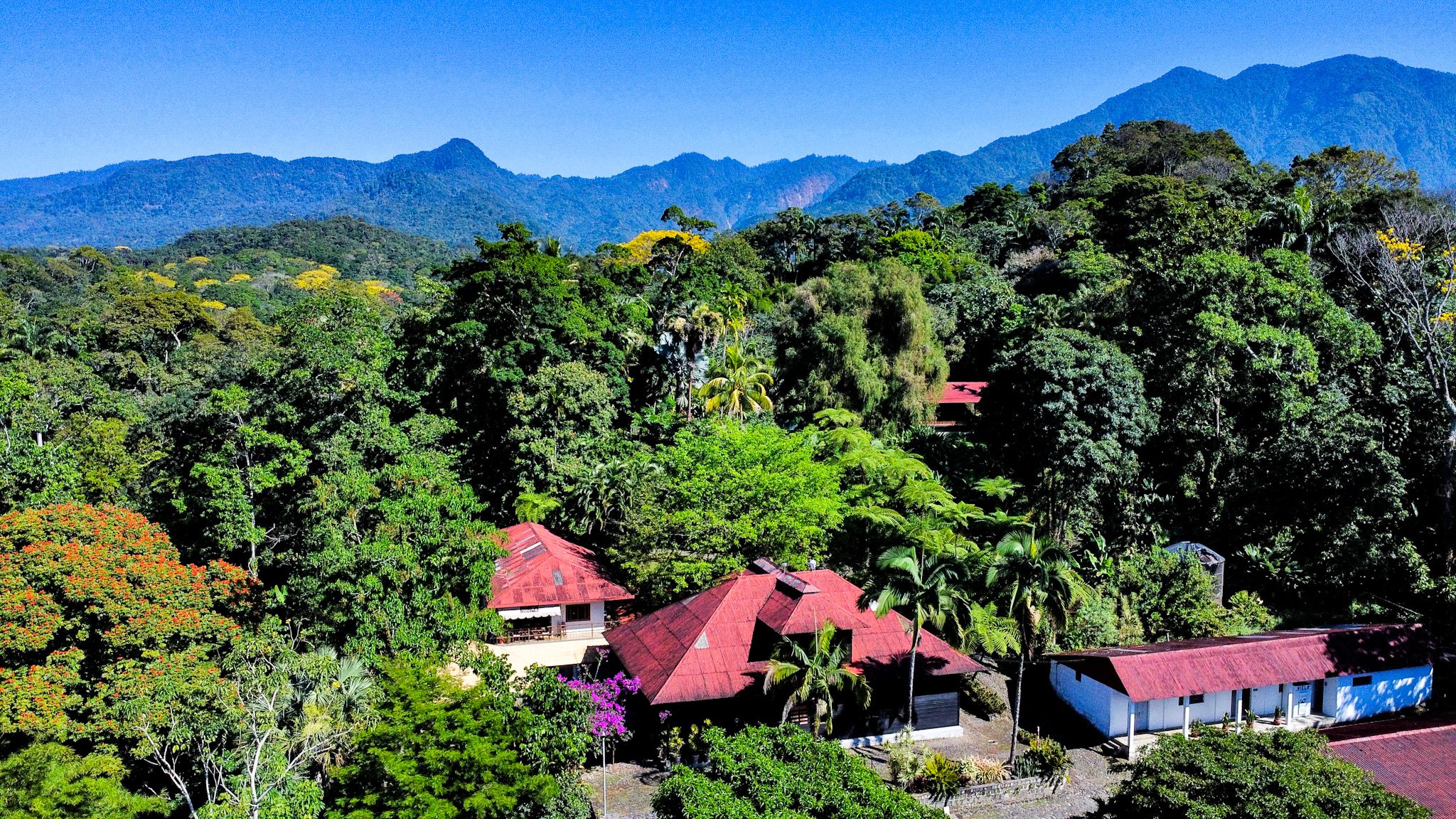
Mexico’s southernmost state of Chiapas boasts steamy tropical rainforest jungles, fertile and pine-forested mountains, and standout colonial cities and towns. Known for its cobblestone streets, baroque buildings, and elegant plazas, San Cristóbal de las Casas is on many a traveler’s radar. The ruins of Palenque and Yaxchilán are two of the most spectacular archeological sites in the Mayan world. The surrounding jungle remains unscathed, home to cacophonous howler monkeys, brightly colored toucans, and various cats, including jaguars and ocelots.
One of my favorite parts of traveling is trying new foods and discovering unique places. Sometimes, the restaurant becomes the destination. Have I taken long detours just to dine somewhere unforgettable? Absolutely. And honestly, I think you should, too.

Black American travelers and digital nomads discuss race, safety and belonging abroad—and why meaningful representation in the travel industry matters.

India cradles an ancient and spiritual culture that draws visitors from around the globe. Spiritual experiences in the country range from temple visits and yoga retreats to 10-day silent Vipassana meditations. While India is best known by tourists for wonders like the Taj Mahal, our six-month sojourn brought us to many lesser-known religious sights including the source of the sacred Ganges River in Uttarakhand.

Our winter welcome to Bolivia wasn't exactly warm. For Americans, the visa requirements are extensive. In addition to paying $160 each in unblemished, unfolded US currency, we were required to provide passport-style photos, evidence of yellow fever vaccinations, financial documents proving access to $10,000, confirmed reservations for our entire stay, and tickets out of the country.
There’s something about Martha’s Vineyard in August that feels like a reunion — not just of families, but of ideas, artistry, and culture. Tucked inside this summer tradition is one of the most important cultural gatherings happening anywhere: the Martha’s Vineyard African American Film Festival (MVAAFF).

Some of my earliest memories are of trips to Indiana. Fields of corn bedecked the seven-hour drive. When we arrived in the small town of Portland, we camped and spent our days exploring rows upon rows of antique steam engines and flea market stalls or eating sausage burgers while watching racehorses and their handlers during early-morning training sessions.