
Cultural Heritage

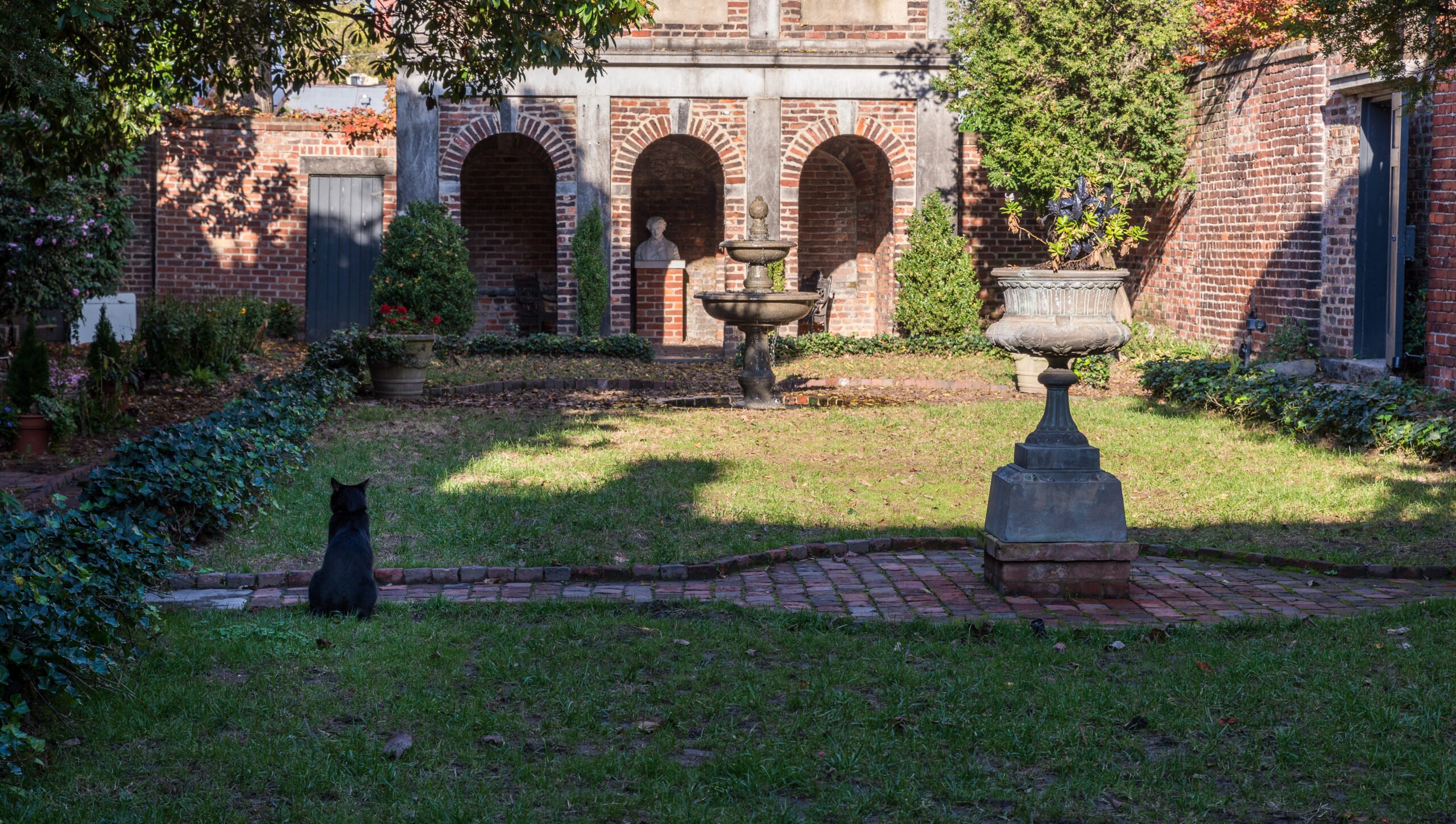
Wondering who is the Godfather of horror stories? Edgar Allan Poe leads the pack. Poe revolutionized the genre in the 1840s with his first-person narrative stories like “The Black Cat,” “The Pit and the Pendulum,” and “The Tell Tale Heart." He was one of the first to use psychological horror. Visiting the Poe Museum in Richmond, Virginia provides a good understanding of who Poe was and how he wrote such masterpieces.

Have you ever dreamed of bringing a personal chef on vacation with you? Someone who could prepare elegant, flavorful meals for you to enjoy without ever leaving your beach house? I had that experience while vacationing with a family friend who is a retired personal chef. Not only did I enjoy an array of delicacies and pick up a lot of cooking tips. I also learned a great deal about slow travel and the importance of being willing to try new things.

We’re not crossing the Atlantic—this time “Glasgow” sits on Montana’s sweeping Hi-Line, a ribbon of highway and rail towns running just south of the Canadian border. In this episode, World Footprints journeys along U.S. Highway 2 from Havre to Malta and Glasgow, tracing the stories carved into Montana’s vast prairie. This is Big Sky country at its most authentic: where dinosaur bones emerge from badlands, ancient buffalo jumps overlook the Milk River, and locals still wave at passing Amtrak trains. Along the way, we venture south to Fort Peck—home to one of the most ambitious New Deal engineering feats in America—and Fort Benton, a steamboat-era trading post often called the “Birthplace of Montana.” These stops reveal how geology, Indigenous heritage, railroads, and Roosevelt-era infrastructure together shaped a frontier that’s still evolving. Through conversations, on-the-ground exploration, and a few surprises in between, this episode peels back the layers of Montana’s cultural [...]

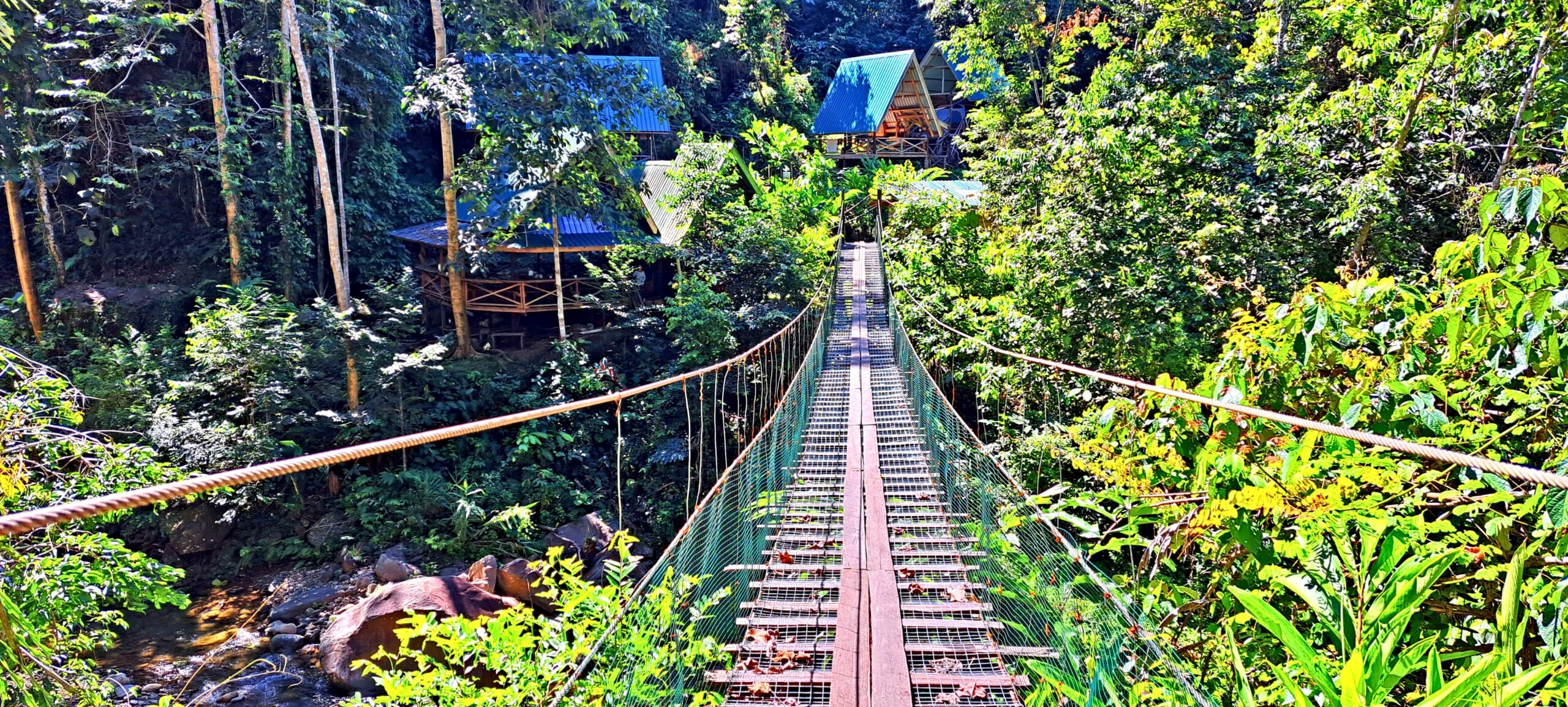
Known for its incredibly biodiverse rainforests, Borneo, the world's third-largest island, offers a walk on the wild side. Borneo also boasts the distinction of being the only island in the world controlled by three countries: Malaysia, Brunei, and Indonesia. I took a deep dive into Malaysian Borneo's jungle by experiencing three wildly different and rustic lodgings. An exceptional family runs the lodges. The inspiring family also makes a difference by protecting this part of Malaysia’s most precious resource: nature.

Discover the inspiring lives of CBS daytime stars in this exclusive podcast. Don Diamont, Heather Tom, and Eric Braeden share career highlights, humanitarian missions, and life-changing travel experiences that shaped their passion and purpose.

Did you know we once had a state named Franklin? I learned the fascinating story in Washington County, Tennessee. Beyond the lost state, the site has a fascinating history from before the Revolution to the Civil War.

The smell of incense and coffee filled the air, mingling with steam and smoke as the clay pot brewed over charcoal. Rain fell softly at the open-air restaurant, and I moved closer to the fire. After 24 hours of travel from Atlanta to Addis Ababa, that strong cup of coffee revived me and welcomed me to Ethiopia.
I'll always have a soft spot for slightly tacky Lake George Village because my dad took the family there every July 4th for fireworks. He'd yell, over and over, "Thank you, Thomas Jefferson! Thank you, Benjamin Franklin!" However, far greener and atmospheric, Lake Placid feels genuine and provides a real sense of community.
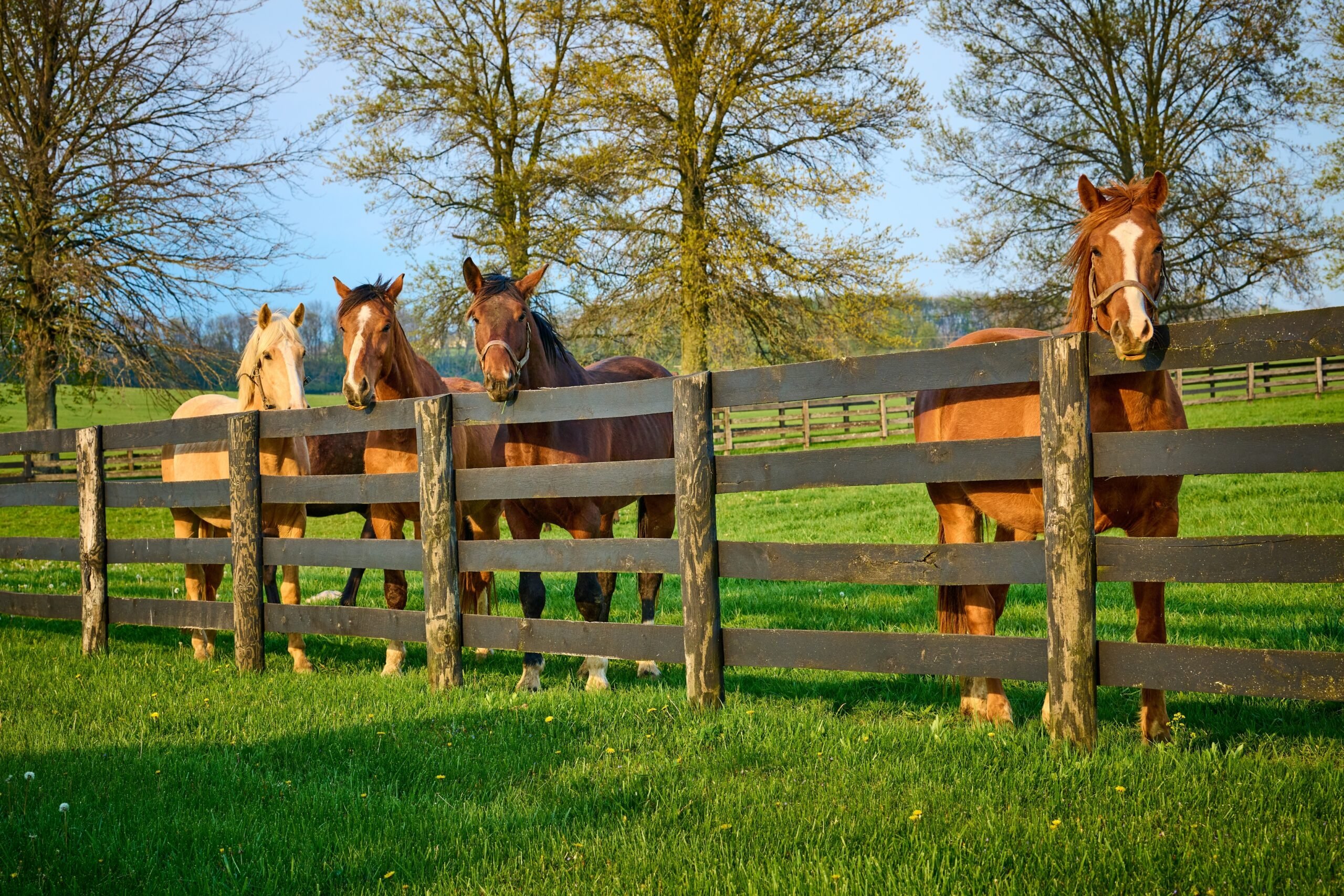
Bourbon and Baptist rarely mix. However, in Georgetown and neighboring Shelbyville, Kentucky, they blended and created a distinct bourbon culture. Elijah Craig, a Baptist minister, began distilling bourbon in Georgetown and is often credited as the father of bourbon.

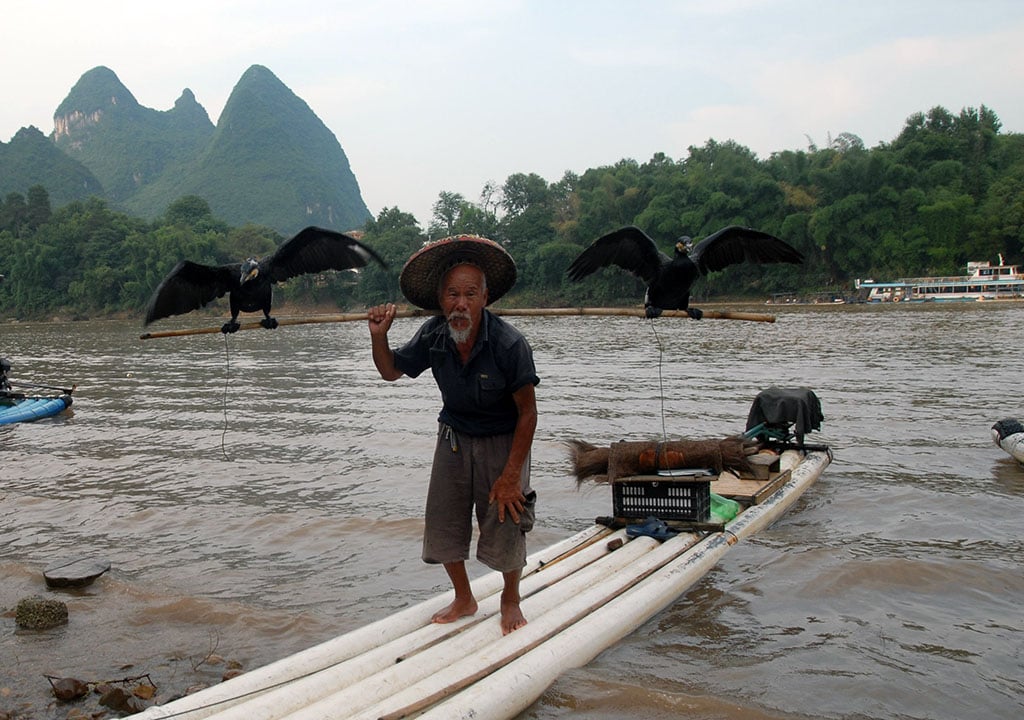
The muddy waters of the Li River churn in the erratic wind that blows in. The weather is unusually inclement for a summer evening. Dark clouds hover above the pointed ridges of the Karst mountains to our north. Hwang stops rowing and points downstream towards a bend of the river. A couple of bamboo rafts have suddenly popped into view, bobbing in the water, slowly moving towards us.

The small Thiokol Memorial Museum in Kingsland, Georgia, tells a big story about one of the worst industrial tragedies in US history. The tragedy struck Camden County on February 3, 1971, when a plant explosion killed 29 and injured another 50 people. Thiokol Chemical was a complex of 36 buildings between Kingsland and Woodbine, another small town about 12 miles to the north, which manufactured trip flares for the Vietnam War. The victims were primarily women of color who did not know the dangerous nature of the material they were using.

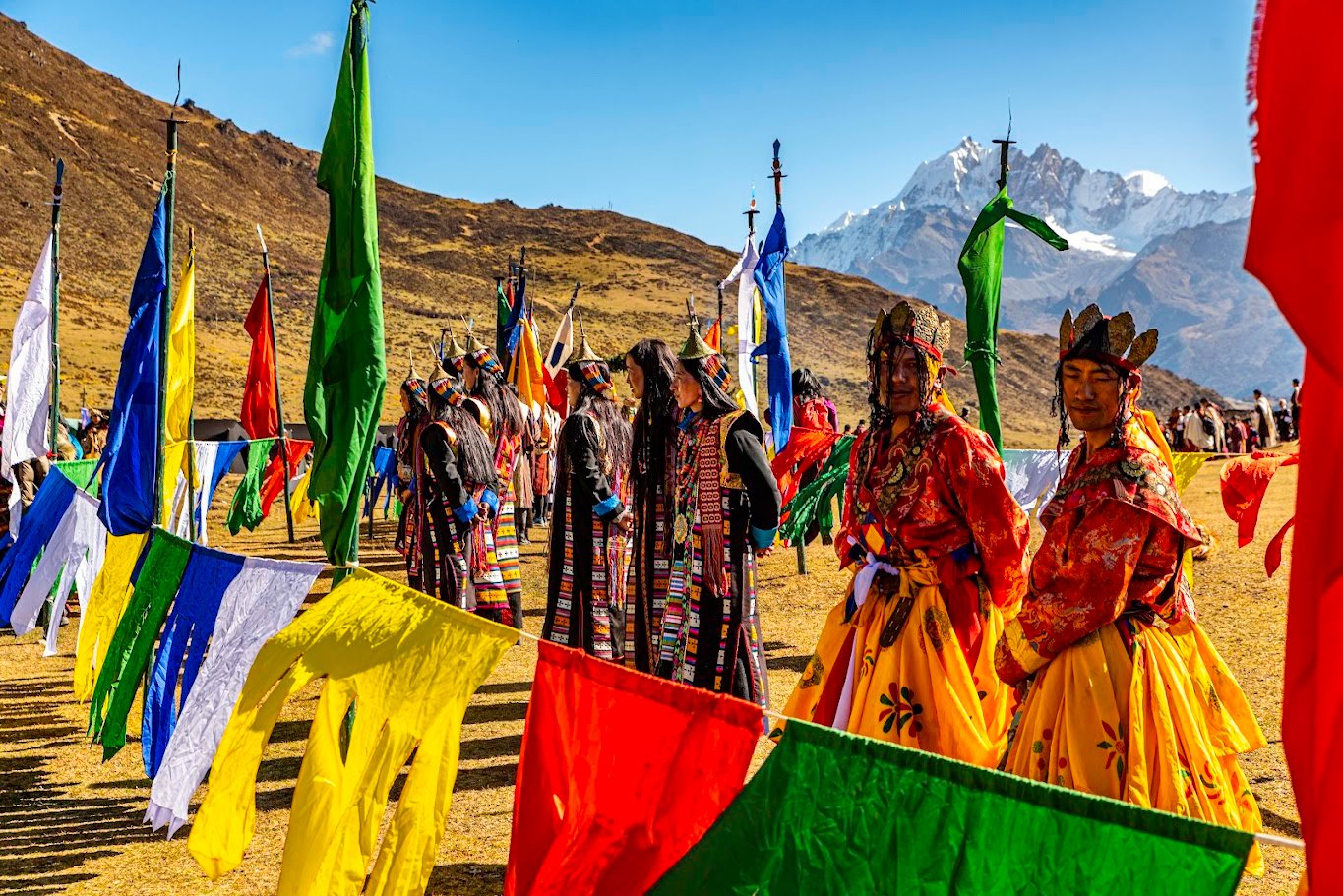
Unlike in most parts of Europe, the alpine frontier in Bhutan begins at around 4,000 meters above sea level. These windswept plateaus, made up of vast rugged terrain, are not only home to the highlanders but also a treasure trove of biodiversity — stunted firs and dwarf rhododendrons, blue sheep, marmots, takins, snow leopards, and, most notably, yaks and the highly sought-after golden fungus (Cordyceps sinensis), which are the pulse and lifeblood of the highland economy.