
Thiokol Memorial Museum – The Story of the Explosion that Shook the World
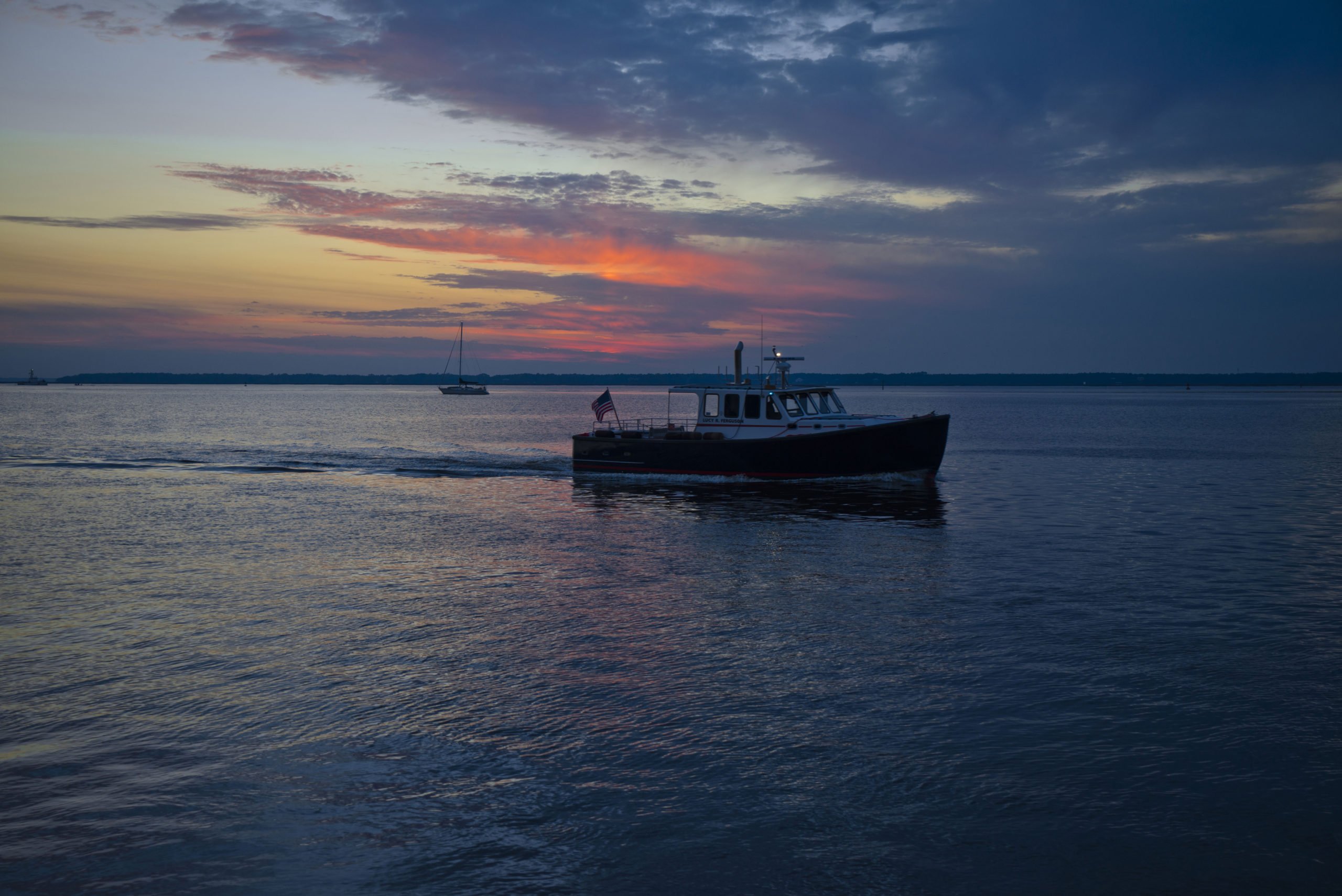
Waterways in Kingsland, GA Photo Credit: Kingsland Convention & Visitors Bureau
Posted August 31, 2025
The small Thiokol Memorial Museum in Kingsland, Georgia, tells a big story about one of the worst industrial tragedies in US history. The tragedy struck Camden County on February 3, 1971, when a plant explosion killed 29 and injured another 50 people. Thiokol Chemical was a complex of 36 buildings between Kingsland and Woodbine, another small town about 12 miles to the north, which manufactured trip flares for the Vietnam War. The victims were primarily women of color who did not know the dangerous nature of the material they were using.

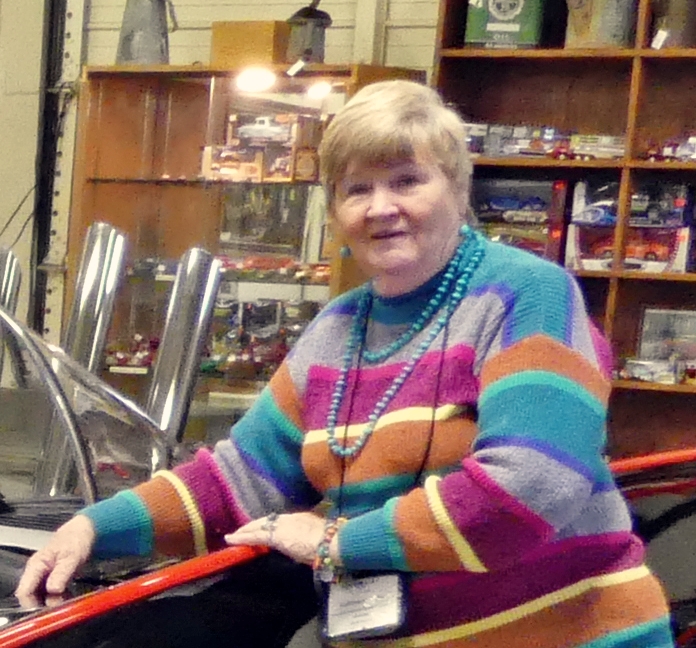
Remembering the Victims at Thiokol Memorial Museum Photo: Kathleen Walls
An Explosion that Shook the World
The fire originated at the workstation. But, since small fires had occurred in the past and were always been quickly extinguished, no one panicked. Workers left the building and stood outside because they were unaware of the explosive material inside.
The fire spread to the “cure” room and a storage room, where nearly five tons of processed material, pellets, and 56,322 of the already assembled flares were stored. A fireball exploded and rolled forward, throwing burned bodies 400 feet. Debris flew as far as 4,200 feet from the building, which was leveled. Three other nearby buildings were severely damaged. And, the fire spread to nearby pine trees, igniting a forest fire that burned 200 acres. Buildings 11 miles away had their windows shadowed, and people 50 miles away heard the explosion.
Camden County’s only emergency capability was a 25-man volunteer fire department in Kingsland, 12 miles southwest of the plant. The local hospital was still somewhat segregated, and there were only six beds for African Americans. Also, OSHA regulations were not yet in force. They came into being just a few months after the explosion. Fortunately, Jacksonville, Savannah, and other larger cities helped. Altogether there were 14 hospitals, 16 cities, the army, the navy, and the coast guard support.
Twenty-nine people died because of the explosion, and 50 were injured. The victims were predominantly Black women. Many victims and families were not compensated, and those who were compensated received minimums because of Georgia’s workers’ compensation law that capped payments. It took six years before a US district court ruled the government at fault because the plant was not told they were using explosives. The explosives were classified as Class 2 (not explosive) when in reality they were Class 7 (explosive).

Thiokol Memorial Museum Photo: Kathleen Walls
Shedding New Light on the Bravery and Sacrifice of that Tragic Day
Over 50 years later, survivors and first responders shed new light on the bravery and sacrifice of that day. Currently, a grassroots campaign seeks to award the victims with the Congressional Gold Medal. Jannie Everette, founder of the Thiokol Memorial Project and a daughter of one of the survivors, was not at the museum when I visited, but we spoke with her by phone. We felt her passion as she told the tragic story. These people died producing a material for the armed forces and should be recognized just as soldiers who died in the line of duty.
The museum contains over 350 artifacts telling the story of the explosion. There is a “Patriot Wall” that displays 30 pictures. The 29 workers killed in the Thiokol Chemical plant explosion and a 30th picture that was added after another death occurred in the plant after it was rebuilt and producing different munitions.
A documentary about the explosion, “The Day That Shook Georgia,” that has been nominated for three Emmy Awards by the NATAS Southeast Chapter. This is hidden history that needs to be told.
Explore the Fun Side of Kingsland
The Thiokol Memorial Museum tells a story all visitors to Kingsland should hear. But, there are many other things to see and do in the area that are not tragic, just fun. A stop at the Kingsland Welcome Center provides an overview of some of the area’s best attractions. Here are a few examples.
Visit St. George Lavender Farm and learn how lavender can be incorporated into so many products and foods. If it’s strawberry season or any of the other crops Farmer Bob grows, experience a U-Pick at Merck Farm. I picked a big bag of luscious strawberries and made some strawberry preserves. Yum!
If you have youngsters with you, you may want to take the Coastal Georgia Experience Train Ride from Kingsland Station. It’s a combination train ride and play aimed at the younger riders about finding a missing pirate, Captain Jack.
For lunch be sure to visit Steffens Restaurant, a staple in Kingsland since 1948. Steffans began as a “Fight House” with a small concession stand specializing in donuts. If you are there on Friday, try the chicken and dumplings. I loved it. For an unusual dining experience, Captain Stan’s Smokehouse serves fantastic BBQ in a gorgeous outdoor setting with an ancient oak tree to keep you shaded and a lively band to keep you moving.

Kayaking in Camden County Photo: Kathleen Walls
More Attractions Nearby in St. Mary’s
Nearby, historic St. Mary’s attractions include the Submarine Museum, and the Cumberland Island Museum & War of 1812 Exhibit. Browse the historic homes, and dine at the Southern River Walk Bar & Grill or Locals Dockside. The Café at Cottle & Gunn combines one-of-a-kind vintage items with food. For some watery fun, take a guided kayak paddle with Adventures up the Creek. If you have an extra day, take the ferry over to Cumberland Island and relive the era of the Carnegie’s. Watch feral horses play. Then take the Land and Legacy Tour to the North end of Cumberland and visit the old African American settlement and the church where JFK was married.
Just a few miles to the west, take a boat tour at Okefenokee Adventures and visit the historic Chesser Island Homestead in the midst of Okefenokee National Wildlife Refuge. On the swamp boat tour, I saw more alligators than I could count, lots of water birds, some turtles, and I think I may have seen an elusive fox squirrel in the bushes.
For some nighttime fun, visit the Woodbine Opry where on Friday and Saturday night, talented local musicians play some old-time music in the historic Old Woodbine School. I heard some songs I had not heard in many years, “Lucille,” “Your Cheating Heart,” “Seminole Wind,” and the old Ralph Stanley classic “One Drop of Water.”
These are experiences you won’t find anywhere else.
Click Here for Discounted Accommodations in Kingsland, Georgia
Join the community!
Join our community to receive special updates (we keep your private info locked.)