
Cultural Heritage

Italy’s Cinque Terre coastline holds a nearly mythic status for travelers, as most have never seen pictures of the pastel-colored homes tucked in the area’s rugged cliffs with the bright blue sea surrounding them.

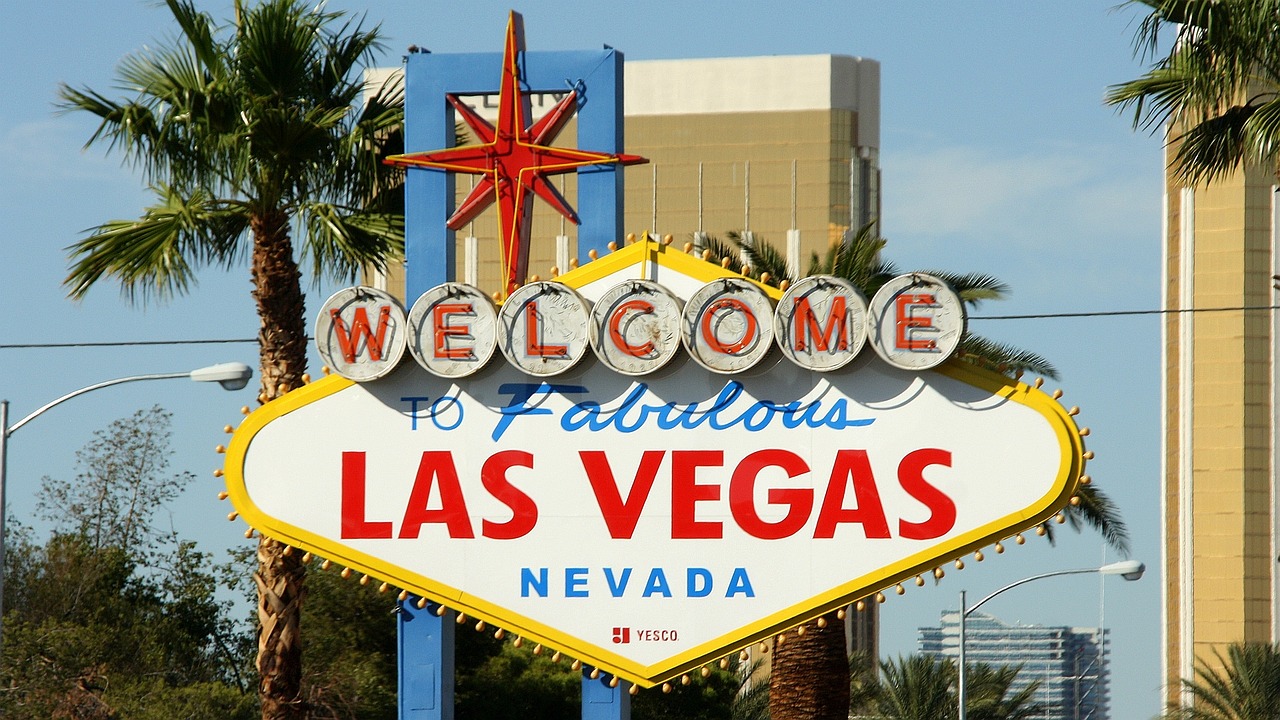
During the 19th century, Mexican explorer Antonio Armijo was forging the way from New Mexico to California . En route to Los Angeles, the group veered from the traditional path in 1829, settling 100 miles (161 kilometers) northeast of present-day Las Vegas. Rafael Rivera, along with his scouting party, rode west to find water; Rivera left the group to venture into the desert on his own, setting his eyes upon the oasis of Las Vegas Springs. The land was named Las Vegas, meaning “the meadows,” after the verdant grasses found growing in the valley.

On May 12, 1820, Florence Nightingale, the pioneer of modern nursing was born into privileged English society. From the beginning of her life, Florence felt a calling for the nursing profession and this posed a scandal with her privileged family because nursing was considered a profession for the poor and ill-educated.

Thirteen civil rights activists, dubbed "Freedom Riders," began a bus trip through the South. The first Riders left Washington, D.C., on May 4, 1961, and was scheduled to arrive in New Orleans on May 17.

On this date in the year 1611, the King James Version of the Bible was first published. The year 2011 thus represents 400 years of the KJV's influence on the English language. The King's Printer, Robert Barker, began the project in 1604 at the command of King who faced the Puritan faction within the Church of England.

New York City's Empire State Building was dedicated on this day in 1931. President Herbert Hoover dedicated New York City’s Empire State Building, pressing a button in the White House that turned on the building’s lights for the first time, 45 five days ahead of its original projected opening date.

President John Adams signed into law an act establishing the Library of Congress on April 24, 1800. The same act transferred of the seat of government of the United States from Philadelphia to the District of Columbia.

Entrance wall to the City of David in Jerusalem, Israel. Photo: Tonya Fitzpatrick World Footprints will explore Biblical history at the City of David, Namibia's political, economic and natural landscape and small town treasures that offer a taste of Sicily and more. According to Hebrew tradition, the area outside of the Old City Walls of Jerusalem is considered to be the center of the world. World Footprints will explore that theory and Biblical history with Zev Orenstein at the City of David. We'll also examine new archaeology discoveries that support the existence of King David. Namibian desert. Photo: Ian Fitzpatrick Namibia is a country is great diversity. The country is home to wildlife that can't be found anywhere else in Africa and it vast desert landscapes. While at the Mount Etjo Safari Lodge, we break bread with Eric Reindhart of Nambia Tracks and Trails to learn more about [...]
On April 22th of each year, millions of people around the world celebrate Earth Day. This day is regarded by many to mark the birth of the modern environmental movement.

In 1922, the nation known as the Irish Free State came into existence when 26 counties on the island of Ireland seceded from the United Kingdom. The remaining six counties, having a larger Protestant, pro-British or Loyalist population, remained within the United Kingdom as Northern Ireland. During the following 27 years, the King George VI of the United Kingdom continued to exercise formal diplomatic relations on behalf of Ireland.

On April 11, 1968, President Lyndon B. Johnson made history by signing the 1968 Civil Rights Act into law.
On April 10, 1912 the RMS Titanic set sail on its maiden voyage. The ship departed Southampton, England, bound for New York City, New York, with Captain Edward J. Smith in command and 2,223 people aboard. The Titanic stopped in France and Ireland to pick up additional passengers. Among the passengers were many famous names: John Jacob Astor and his wife; Denver millionairess Margaret "Molly" Brown; Benjamin Guggenheim; Macy's owner Isidor Straus along with the White Star Line's director J. Bruce Ismay and the ship's builder Thomas Andrews. In the Titanic, there were three classes of passengers; many in third class were Irish and British immigrants looking to a new life in America. On Sunday, April 14, the ship altered course slightly south in response to iceberg warnings. A number of subsequent warnings from other ships were received, but not acted upon. At 11:40 pm, lookouts spotted an iceberg directly [...]