
Cultural Heritage

Fredericksburg, Virginia’s new Civil Rights Trail titled “Freedom, A Work in Progress,” offers unique insights into the area’s Black History. This free self-guided journey includes 21 stops around Fredericksburg and the University of Mary Washington. It traces African Americans’ fight for equality from the Civil War to the Black Lives Matter movement.

During February, there is an influx of travel stories for the “Best Places to Celebrate Black History Month”. It’s great and there are so many places I want to visit! However, the same list almost disappears into the ether as soon as March 1st arrives.

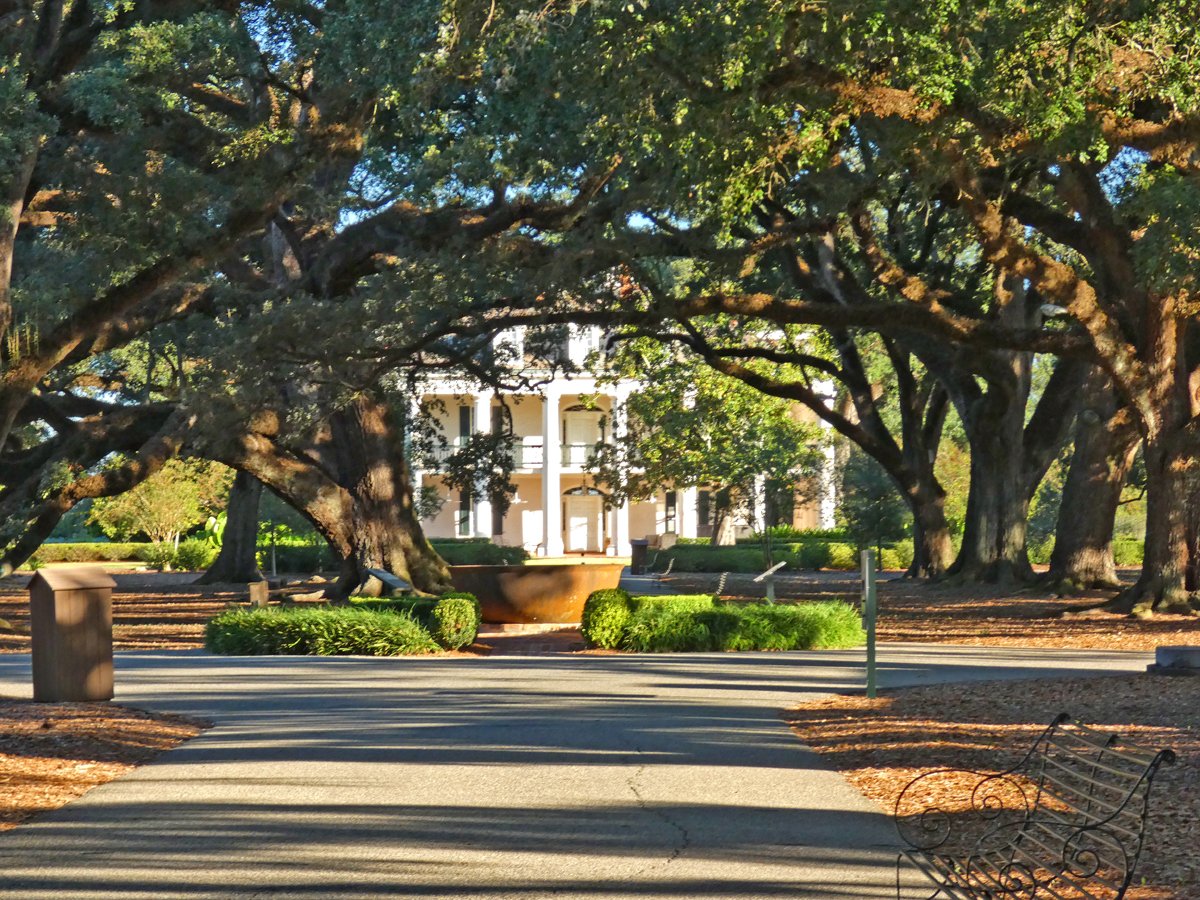
Named for the 150 to 200-year-old Virginia live oak trees lining the path from the Mississippi River to the entrance of the plantation home, Oak Alley is a national landmark. Here you’ll hear the stories of some of the enslaved people who lived here, as well as the many owners over the years.

The legendary Rougarou roams the wetlands of Louisiana. A normal-looking person by day but by moonlight he becomes a terrifying werewolf. The ancient legend was brought to Louisiana by the French settlers and added to by the Acadian Canadians, today known as Cajuns, who were exiled from Canada in the 1750s.

World Footprints goes beneath the surface of the Negro Motorist Green Book, uncovering the human stories behind a document that quietly saved lives. During segregation, travel for Black families wasn’t about freedom or leisure—it was about calculation and risk. Driving through America meant navigating Sundown Towns, racial violence, and long stretches of road where no one would come to your aid if something went wrong. The Green Book became a lifeline. It identified safe places to sleep, eat, repair a car, or simply stop without fear. It also revealed a parallel America—one built by Black entrepreneurs, homeowners, and community leaders who created sanctuary in an openly hostile landscape. Overground Railroad: Reframing the Green Book’s Legacy We explore this history with Candacy Taylor, whose book Overground Railroad reframes the Green Book as part of a larger resistance network. Taylor situates Black travel within a lineage of survival and self-determination, showing how [...]

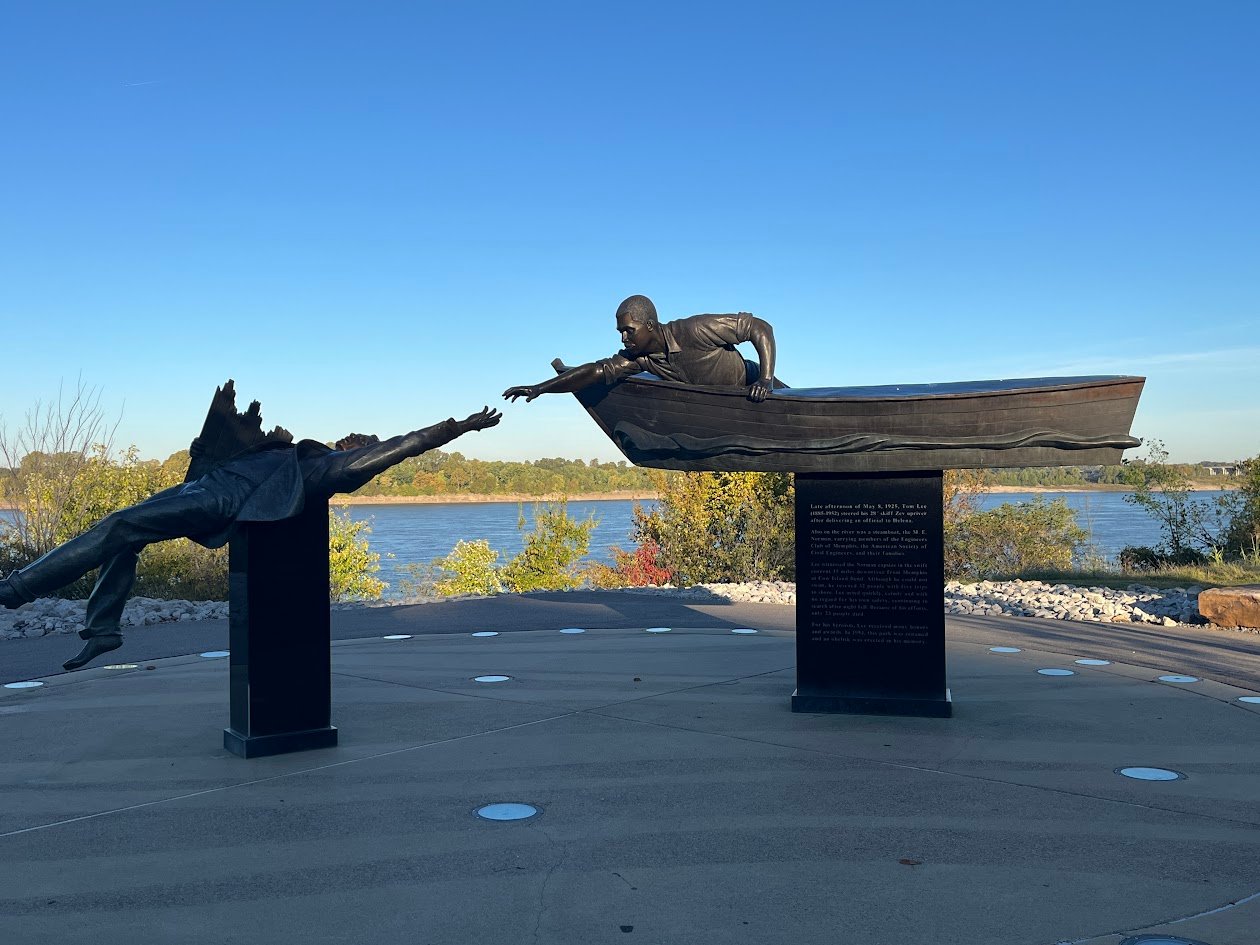
So many places in Tom Lee Park beckon me to linger. Adirondack chairs overlook the river, hammocks are nestled in the trees, and native plants are arranged in inviting gardens. Reopened in 2023 after a $61 million redesign, this large urban park in Memphis pays tribute to local Black hero Tom Lee, who rescued 32 white passengers from the Mississippi River in 1925 when their steamship capsized.

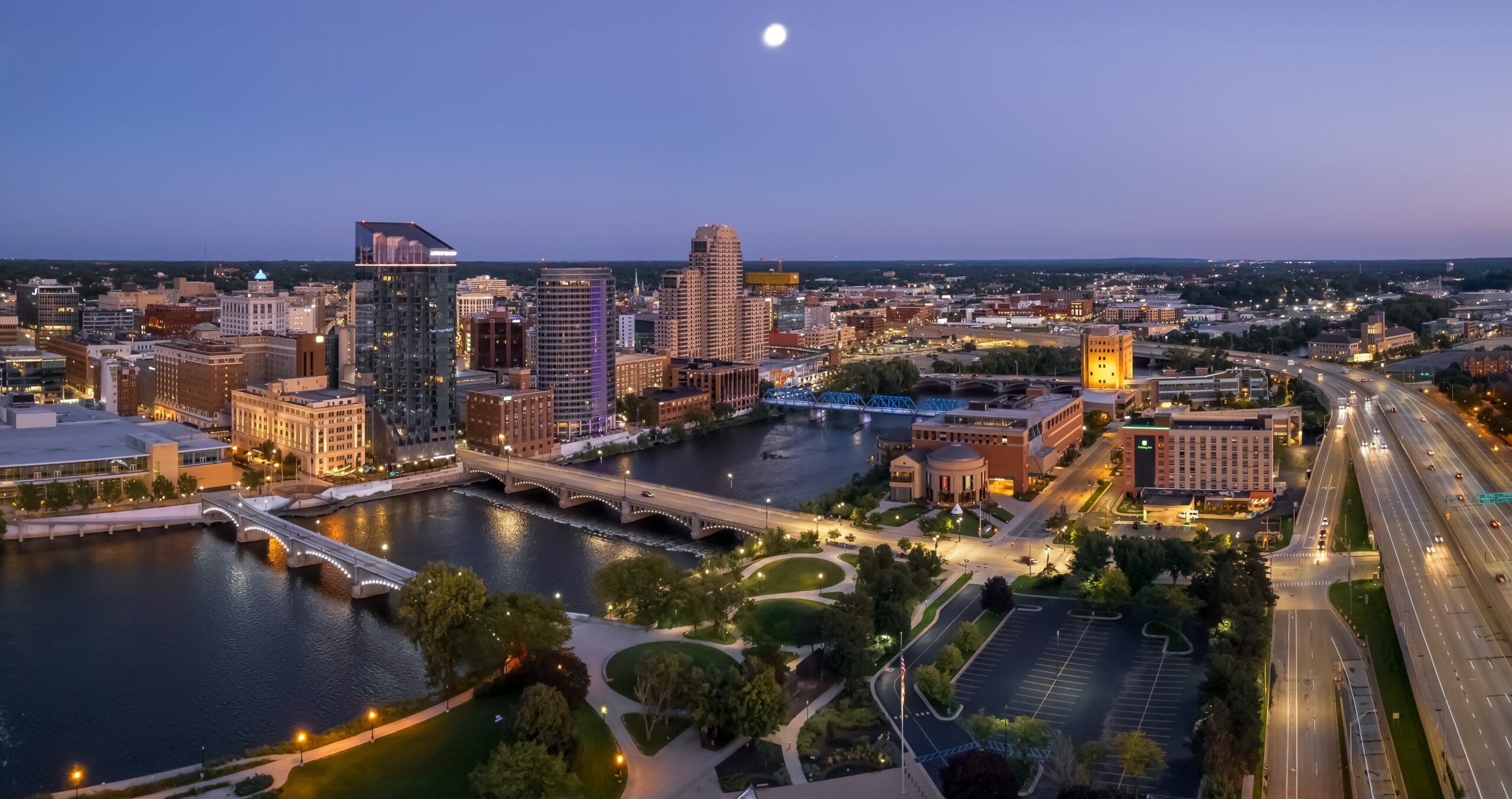
In my life as a globetrotter, I have missed large swaths of my own country, including much of the upper Midwest. Grand Rapids, Michigan, gave me an opportunity to discover something new. And it was a pure delight.

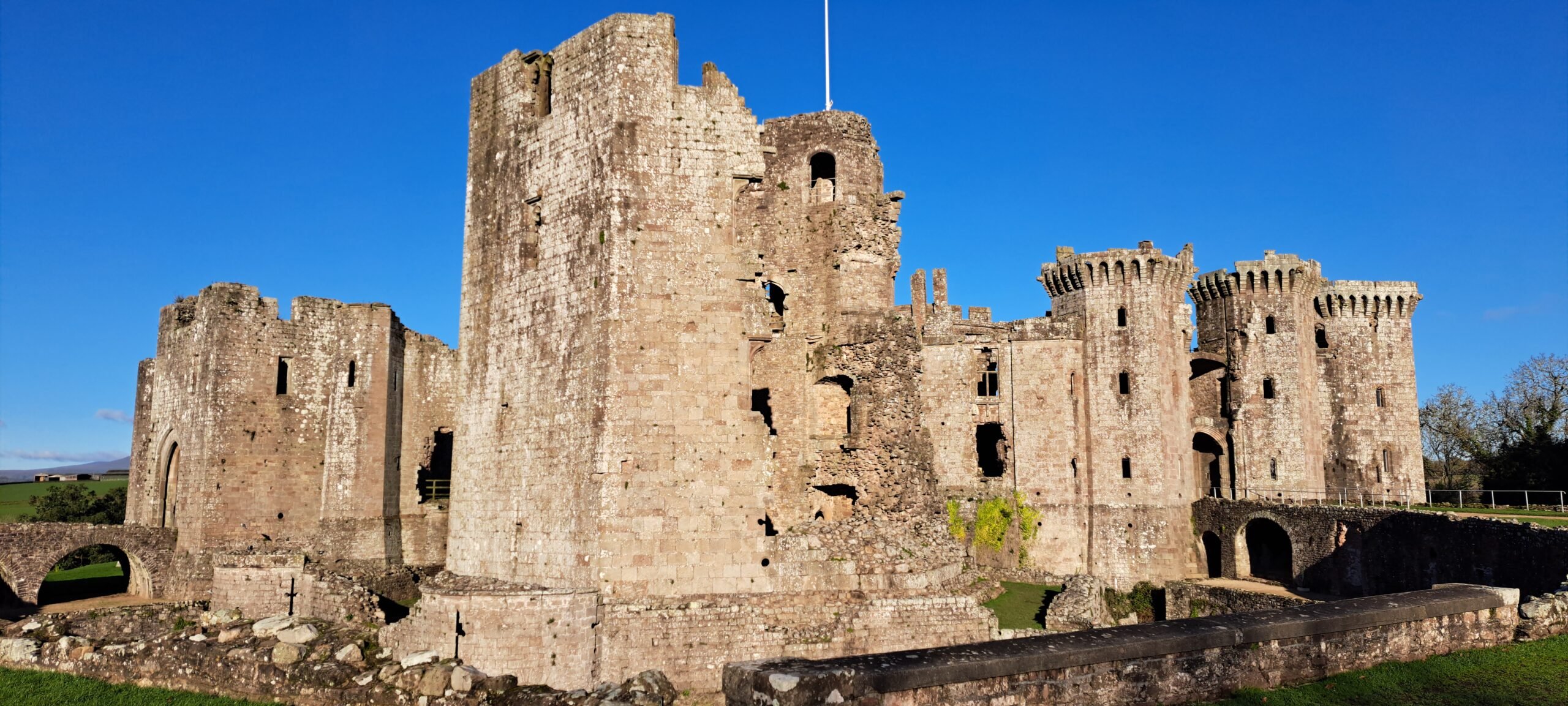
Wales reminds you to unfold your days–and life–like a map, understanding we can’t always refold them the same way. In this corner of the UK, the ever-present ancient structures and modern culinary delights are a vacation in themselves. Bilingual Wales (Welsh and English) has the most castles per square mile in the world, excluding the ubiquitous castle-like churches. Its population of three million people thrives in a vastly diverse landscape the size of New Jersey. Nearly everything fun you can do here is accessible by public footpaths that explore spectacular stretches of coastline, forests, intimate villages, and the world-class city of Cardiff. This place isn’t just a feast for the eyes; it’s a land of feasts.

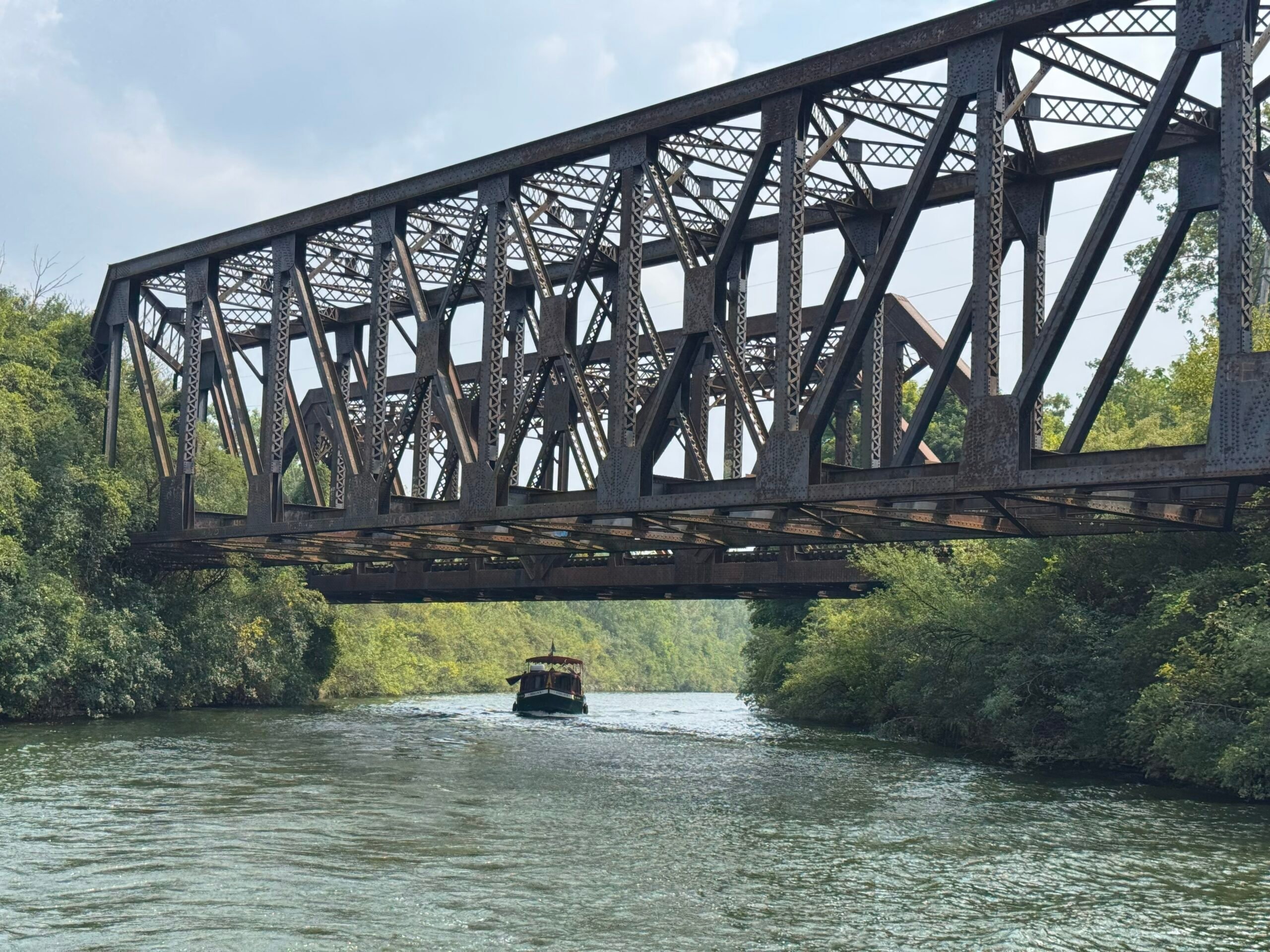
When my friend, Erik, first floated the idea of a self-piloted voyage along the Erie Canal, I did the math. From my apartment in Rochester, New York, I can drive west to the town of Spencerport in 21 minutes, 17 should the traffic lights cooperate. If heading east, I can make it to Pittsford in ten, though I usually stop at Wegmans en route, which tacks on another 30. The village of Fairport, meanwhile, requires 25 minutes behind the wheel—practically a road trip by Western New York standards.

As the world bids farewell to the old year and welcomes the new with the chime of midnight on New Year's Eve, a global tapestry of hope, resolutions, and a collective fondness for age-old culinary traditions unfolds on New Year's Day. These are traditions that both me and Ian have grown up with and ones that continue to this day in the homes of my family members and ours.

Montana dinosaur fossils, Missouri River Country Montana, Great Plains Dinosaur Museum, Montana paleontology, Zortman Montana, Montana gold rush towns, Little Rocky Mountains history, fossil hunting Montana, gold panning Montana, Montana travel podcast

Today, while most countries continue to honor New Year's Day on January 1st, each country's traditions couldn't be more different.