

What I Learned from Traveling With a Personal Chef

Elevate your beach cuisine with a private chef! Photo: Shutterstock
By Cara Siera
Posted October 12, 2025
Have you ever dreamed of bringing a personal chef on vacation with you? Someone who could prepare elegant, flavorful meals for you to enjoy without ever leaving your beach house? I had that experience while vacationing with a family friend who is a retired personal chef.
Not only did I enjoy an array of delicacies and pick up a lot of cooking tips. I also learned a great deal about slow travel and the importance of being willing to try new things.
Come Prepared
Before I ever left home, I received a request. Could I bring my stand mixer, tabletop griddle, and a wok? Chef Tony was flying, but I would be driving. Since we didn’t know what kitchen amenities the beach house would provide, we had to come prepared.
Packing for the trip felt more like prepping for a culinary workshop than a beach vacation. It was the first lesson in traveling like a chef: assume nothing and be ready for everything. Chef Tony emphasized that being well-equipped opened the door to more creative cooking—and fewer compromises. As it turned out, the beach house kitchen had only the bare basics, but thanks to our foresight, we were able to whip up everything from handmade empanadas to homemade whipped cream without missing a beat.
One thing we didn’t have was a good food processor, but we made do with a small one.
The Lesson: Think through things and prepare well, but be flexible when challenges arise.
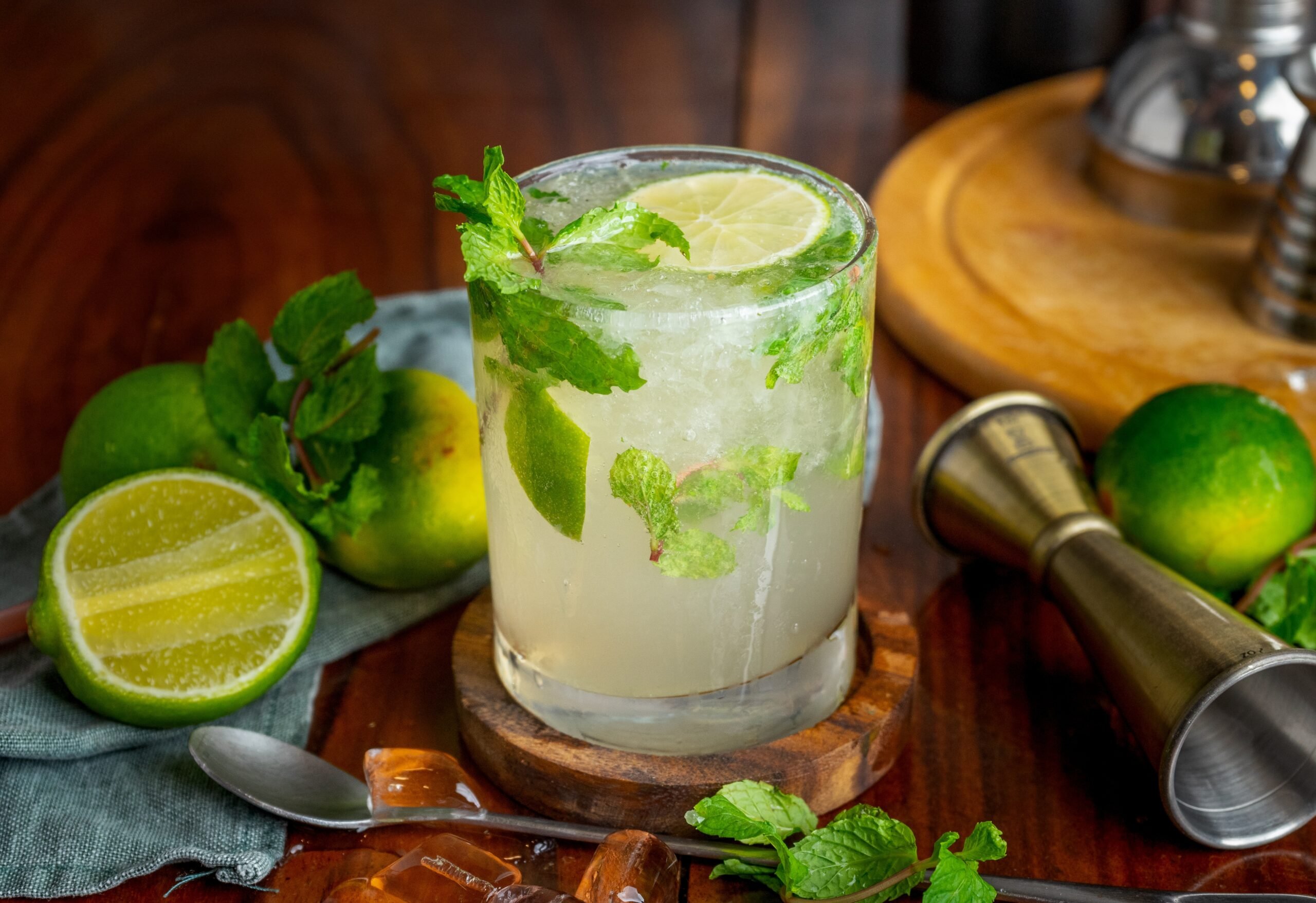
A Private Chef means Classy Mojitos! Photo: Shutterstock
Every Chef Needs a Sous Chef
When Tony discovered my love for cooking, he took me under his wing. He’d come into the kitchen and call out, “Where’s my sous chef?” He’d task me with mundane chores like stirring pots or chopping vegetables—after he’d shown me exactly how he wanted it done.
But he also wanted me to learn and improve my skills. If I really liked a dish, he’d make sure I had the recipe for later. And when it came to things we made repeatedly throughout the week—like mojitos—he’d ask, “How’d you make it?” and smile when I told him I’d used the tricks he’d taught me. He even called me up weeks later and asked if I’d cooked anything I’d learned—which I had.
The Lesson: We all need a sidekick at times, but we shouldn’t expect them to remain just a helper. Instead, we should give our all to help them grow.
It’s Okay to Take Things Slow
I usually pack my vacations to the brim. How many activities, experiences, and eats can I fit in a day? On this trip, however, we collectively decided to take things slow. Our meals were the only activities we planned.
They, too, took time. For example, to make Chinese-style fried rice, you need cold, cooked rice. Warm rice will become sticky rather than attaining the right texture. This means you have to cook the rice and freeze or refrigerate it a day in advance.
At other times, we made a trip to the local grocery store to pick up ingredients, only to find we’d forgotten something. Tony didn’t fret, or someone in the group would simply make another trip.
This slow pace allowed us to get to know one another better, whether we were meeting for the first time or reconnecting with old friends.
The Lesson: It’s okay to take things slow. In fact, it’s often better that way.
Details Make All the Difference
On the second afternoon of our trip, Chef Tony said, “I’m going to make you a rum and Coke like you’ve never had before.” I wondered what this might entail: top-shelf rum? A different brand of cola?
Tony took a lemon and sliced it. He wafted it over the top of the glass like a culinary wizard with a wand but didn’t squeeze out the juice or drop the slice into the glass. He then mixed the cocktail and handed it to me.
“What do you think?” he said. “Different, no?” My eyes lit up. It was, indeed, different from an ordinary rum and Coke in some intangible way. He then made another, showing me what he’d done. He squeezed the lemon in the opposite of the normal direction, forcing an almost imperceptible mist of lemon oils from the peel onto the rim of the glass. This tiny detail, nearly invisible to the eye, completely changed the flavor of the drink.
The Lesson: Don’t overlook or skip the details. The difference between an ordinary experience and an extraordinary one lies in the details.

Chef Tony’s tuna sandwich. Photo by Cara Siera
Effort Is an Expression of Love
One day, we returned from walking on the beach hungry. Chef Tony had made tuna salad for all to share; we grabbed plates and slices of bread, digging in.
Shortly thereafter, Tony returned from a grocery run. “No, no, no!” he cried. “Let me show you.” He placed the brioche buns on the grill long enough to emblazon the tops with grill marks. Before closing the sandwich, he arranged a leaf of arugula sticking out of the side. “For garnish,” he said. Then, he tossed a salad and topped it with fruit and cheese.
Passing out the plates, he said, “The presentation is an expression of how I feel about you.”
The Lesson: It’s important to put forth effort to show your loved ones you care.
Embrace What’s Different
Tony grew up in the Dominican Republic and now lives in New York. One evening, he treated us to a traditional Dominican dish of beans and rice. But he didn’t limit his creations to a single culture. During our week-long stay, we enjoyed a variety of meals, including Asian, Hispanic, Italian, American, and fusion cuisine.
Chef Tony encouraged his guests to try new things. My uncle, for instance, declared, “I love pancakes, but I’m very picky about them.” Tony decided to make cornmeal pancakes, a base ingredient that seemed strange. Topped with homemade whipped cream, cherry sauce, and a mint garnish, he challenged my uncle to try it—and he loved them.
I found myself in a similar situation. Helping Tony prepare homemade tortilla chips, I admitted, “I don’t like avocados. I’ve wanted to like them, and I’ve tried them over and over again, but I just don’t like them.”
“Try my guacamole,” he replied. I did, and for the first time in my life, I liked it. I still didn’t love it, but I was glad to have expanded my palate in this small way.
Tony also set an example in embracing differences. One evening, we ate out at Lambert’s, a restaurant famous for its “throwed rolls.” Tony was delighted at the concept of waiters throwing fresh bread for you to catch. Many in our group, however, were dismayed when they learned that the fried okra appetizer was served on paper towels rather than plates or bowls. Tony, however, just went with it, tearing a towel from the roll. He said, “I’m going to go back to New York and tell them how we ate in Alabama!

Chef Tony’s cornmeal pancakes. Photo by Cara Siera
All I Needed to Know
When I was in junior high, my desk faced a poster entitled “All I really needed to know I learned in kindergarten.” Over the years, I’ve seen variations on this theme, like “All I Need to Know About Life I Learned from Star Wars” or other pop culture fixtures.
Countless life lessons can be found while traveling. On this trip, I found that many of the most important things about life I could learn from traveling with my friend, the chef.
Click Here for Discounted Accommodations in South Alabama
Join the community!
Join our community to receive special updates (we keep your private info locked.)