
United States

Flags of the United States line both side of a road.
“The diversity of America is a strength of the country, and I don’t think that we use that. We don’t talk about our strengths. I mean, having so many diverse people in this country from all aspects of all over the world, and we don’t use that. I think we should talk about who we are – that melting pot that we’ve become.”
–Steve Stoute
The lyrics in the anthem America the Beautiful expresses it best–the United States of America really is beautiful.
O beautiful for spacious skies…For amber waves of grain…For purple mountain majesties…Above the fruited plain!…America! America!…God shed His grace on thee…And crown thy good with brotherhood…From sea to shining sea!
The United States really is a beautiful and wonderfully diverse country. When you travel to each of the 50 States and even within each State you will feel as if you’re traveling to another country.
The United States is a country built by immigrants and each corner of this country is influenced by a variety of cultural diasporas including former enslaved people from Africa and the West Indies. Even traces of Native American culture can be found despite earlier efforts to erase them from the narratives of American history.
The United States has not always been the land of the free but it has always been the home of the brave.
As Paul Tsongas said, “America is hope. It is compassion. It is excellence. It is valor.”

Some of my earliest memories are of trips to Indiana. Fields of corn bedecked the seven-hour drive. When we arrived in the small town of Portland, we camped and spent our days exploring rows upon rows of antique steam engines and flea market stalls or eating sausage burgers while watching racehorses and their handlers during early-morning training sessions.

Explore the untold story of the largest slave revolt in U.S. history, discover how Polaris Project is fighting modern slavery, and hear from yacht chef Victoria Allman about life aboard a luxury superyacht.

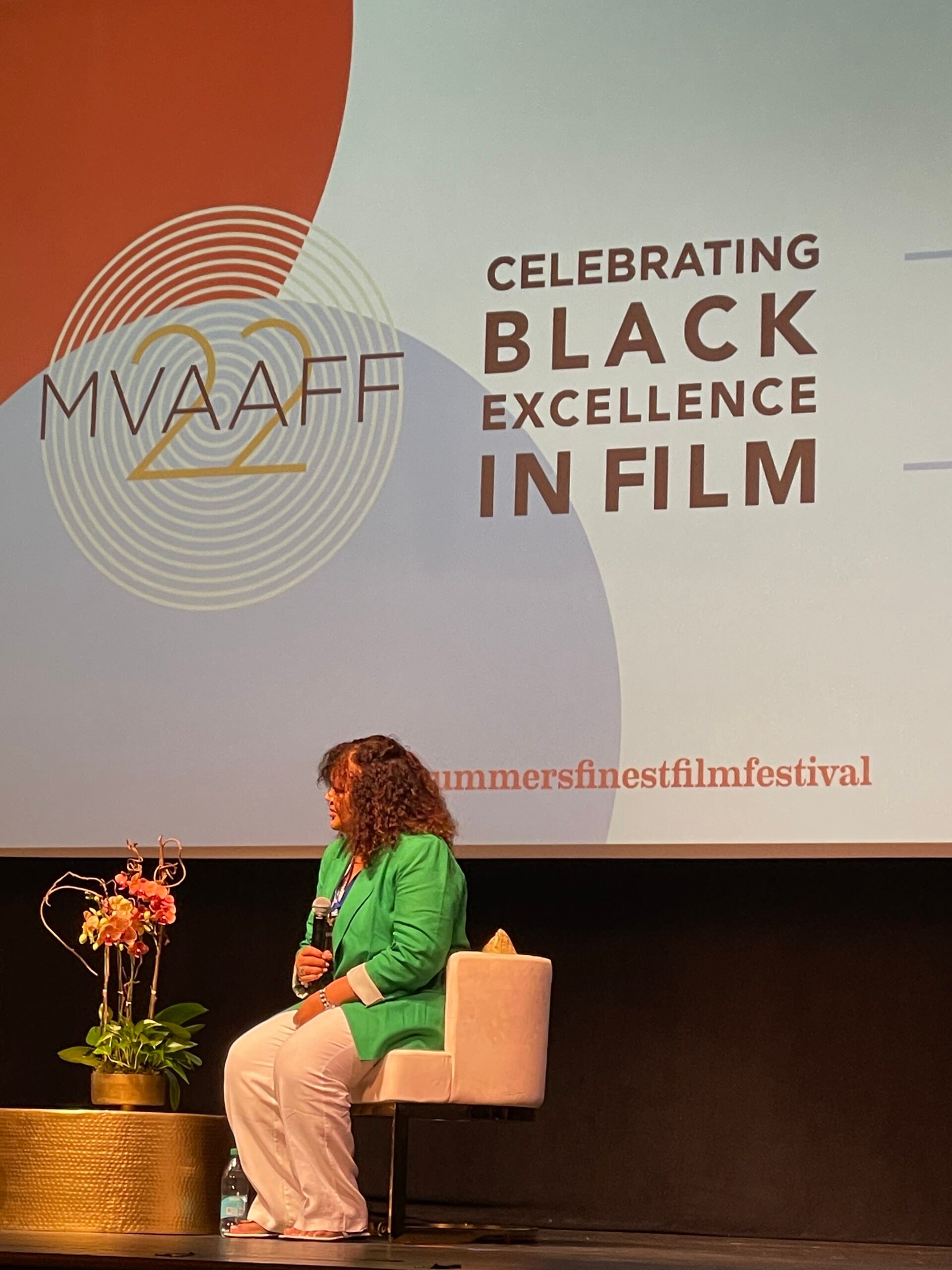
If you’ve never been to the Martha’s Vineyard African American Film Festival (MVAAFF), here’s your invitation to something truly special. This isn’t just a film festival. It’s a celebration of Black creativity, legacy, and community — all set against the stunning backdrop of Martha’s Vineyard. Every August, Oak Bluffs transforms into a vibrant hub of storytelling and connection. It’s where filmmakers, activists, artists, and audiences gather to experience a week of screenings, panels, parties, celebrity sightings and cultural exchange. If you’re joining for the first time, here’s everything you need to know to make the most of it.

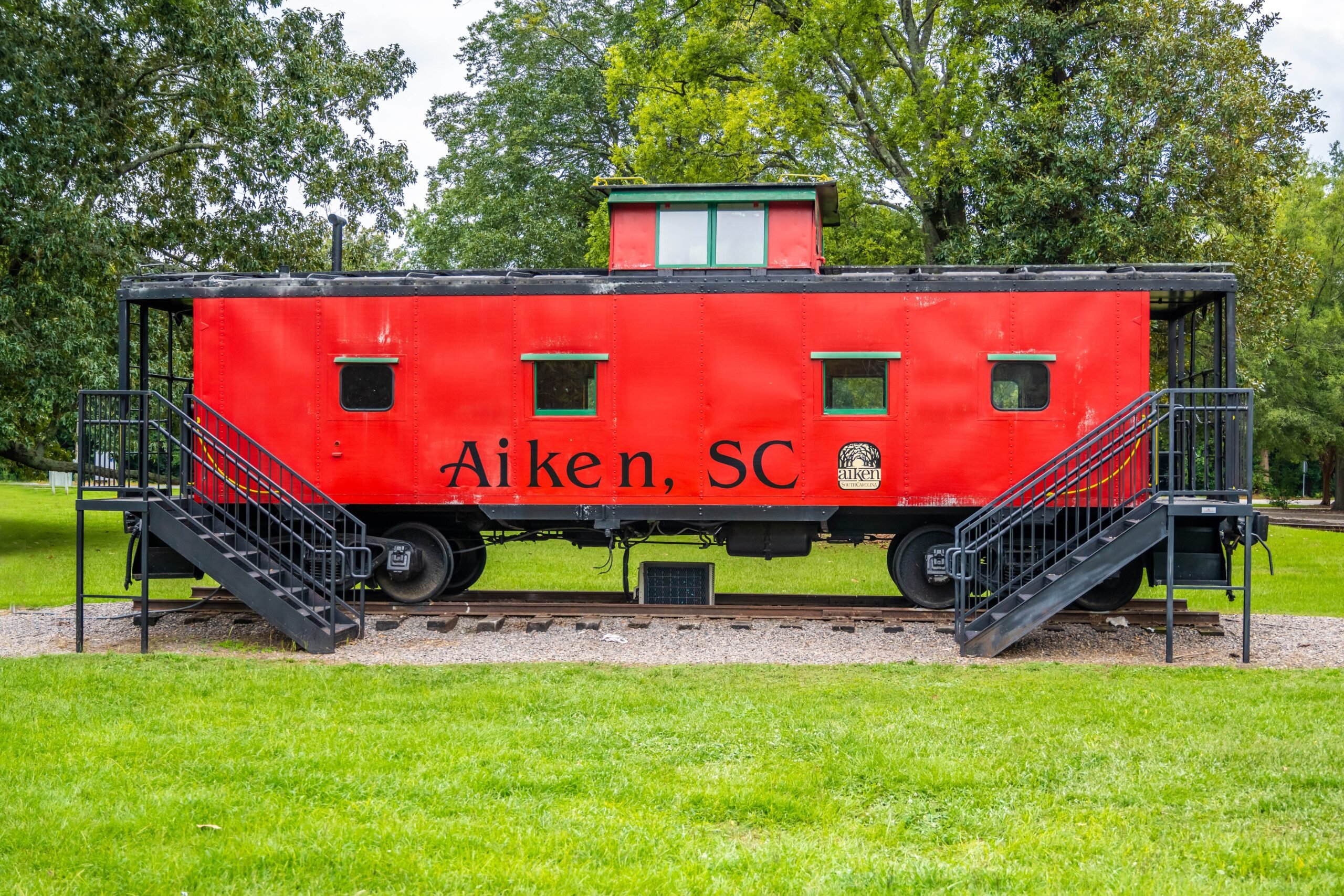
During the Gilded Age, wealthy Northerners came to Aiken, South Carolina for the warm weather, spring water, and pine-scented air. The railroad arrived here in 1830, and the Northerners followed. They established what became known as their Winter Colony. Stories of these well-heeled guests add to the charm of this Southern gem.

The natural beauty of the mountains of North Carolina has beckoned travelers for decades. When autumn arrives and vibrant shades of gold, orange, yellow, and red paint the landscape, even more visitors arrive. Residents and business owners eagerly anticipate the fall season and welcome travelers with a smile. But in September 2024, in the midst of the colorful season an unwelcome guest arrived…Hurricane Helene. The horrific storm caused significant damage to many mountain towns in the North Carolina mountains, and some have still not recovered. Lives, businesses, and property were lost to the storm.

Hear about RV travel, the joys of multi-generational family travel. and traveling across the country as people of color.
Award-winning artist and sculptor Tyree Guyton started The Heidelberg Project in 1986 as a political protest after he returned to his old Detroit neighborhood, the Heidelberg area in the McDougall-Hunt Neighborhood, and found dereliction and debris. Drugs and crime made the neighborhood unsafe to walk even in the daytime. He began cleaning up vacant lots with the help of his grandfather, Sam Mackey. Then he took the first step in what became known as the Heidelberg Project; he painted his mother's house with brightly colored polka dots as a statement that we are all different but should all be treated equally. It became known as the Dotty Wotty House, sometimes called the People's House.

Join us for this immersive audio journey through Kansas City’s African American heritage. Whether you're a cultural traveler, a history lover, or someone seeking deeper truth, this episode offers a window into the resilience, brilliance, and legacy of Black Kansas City. 🎧 Available wherever you get your podcasts: [Apple Podcasts] • [Spotify] • [iHeartRadio] • [WorldFootprints.com]

Plan a culturally rich Southern road trip through Georgia, North Carolina, and South Carolina with this guide to 24 must-see museums showcasing Southern heritage, art, science, and architecture. Discover iconic landmarks and cultural treasures perfect for itineraries through the Carolinas and Georgia or family outings in the Southeast.

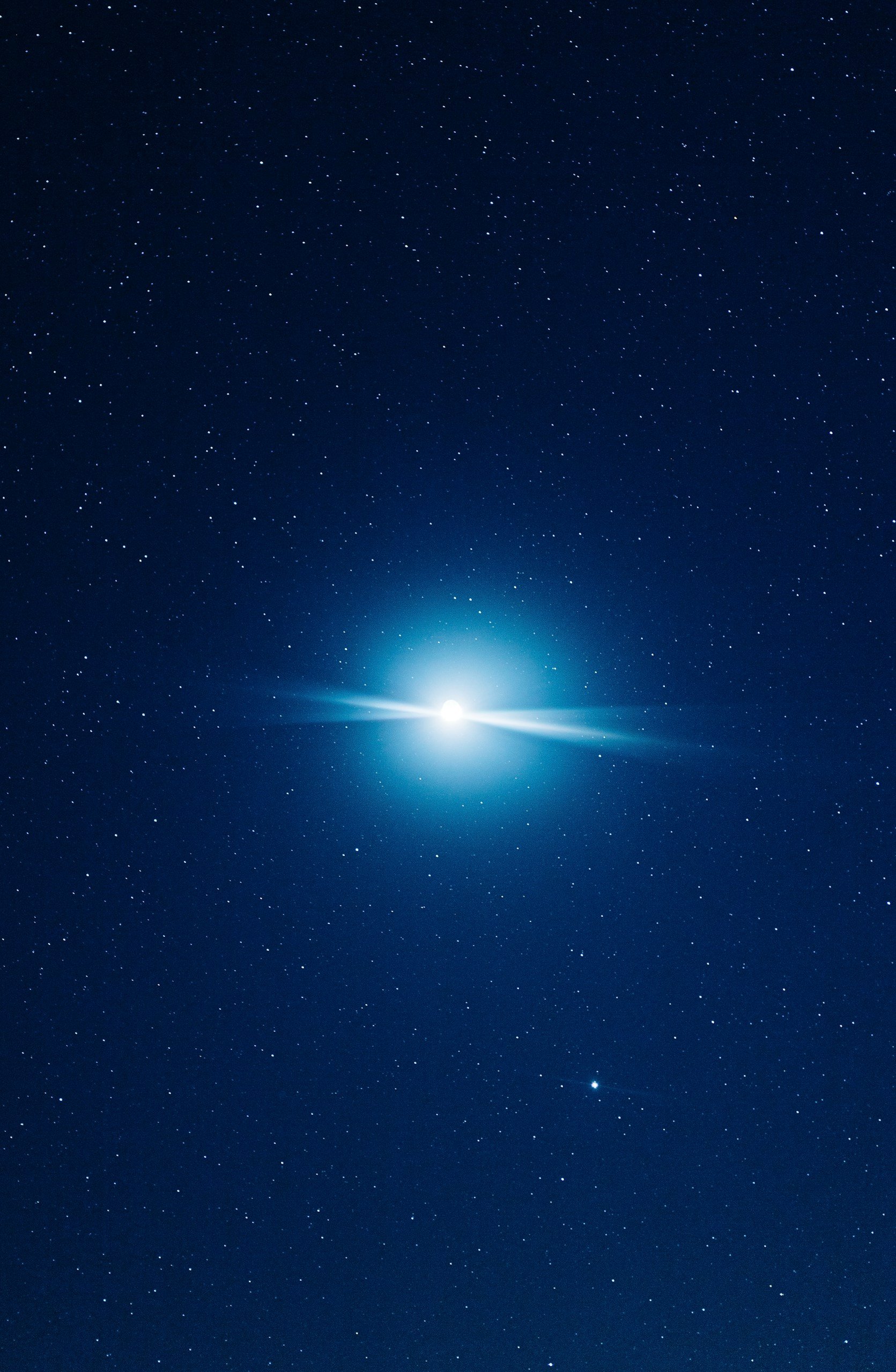
When you hear the term astrotourism, you might think about famous figures like William Shatner taking a Blue Origin New Shepard rocket to the edge of space. But astrotourism isn't about going to outer space; it’s about enjoying outer space from good old planet Earth. It's a type of ecotourism centered around dark skies and celestial events such as eclipses, meteor showers, comets, and auroras.

In this special commemorative episode of World Footprints, we reflect on the courage, grief, and resilience that define the American spirit—from the families of fallen soldiers to the enduring legacy of President John F. Kennedy, and the heroism of World War II veterans.

Over the years, many people helped create the Florida Keys we know today. Some lived there, others only visited. Today, Mallory Square Sculpture Garden displays busts of people who impacted Key West. From Bogart to Hemingway to President Harry Truman, the Florida Keys has always been a magnet for famous characters.