
History
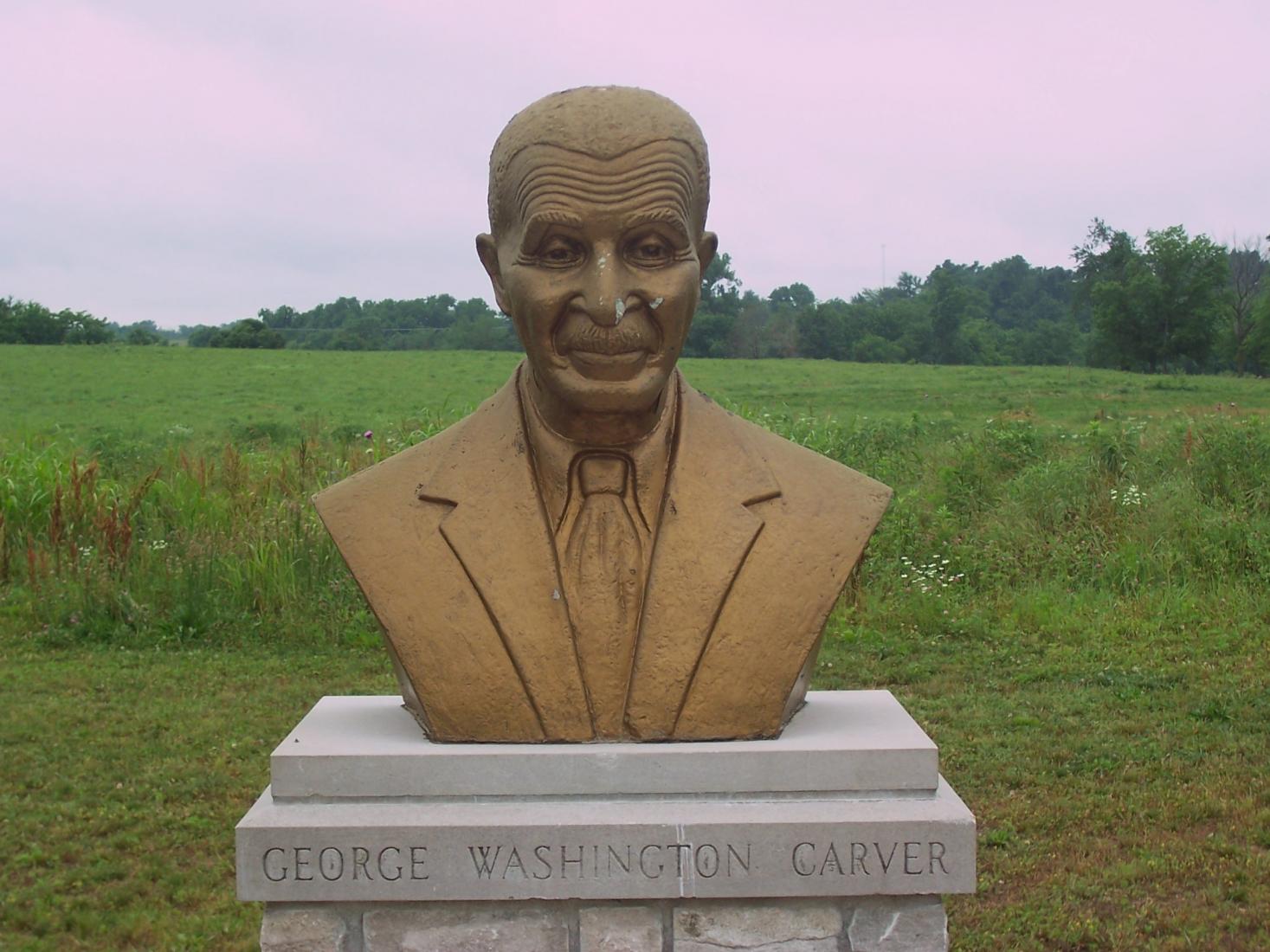
George Washington Carver statute. Photo: Tonya Fitzpatrick
“A traveler without observation is a bird without wings.”
— Moslih Eddin Saadi
No matter where you go, every place has a story and historical travel unpacks those stories.
From great struggles against oppressive forces to human ingenuity, the people and the places who have defined significant eras in human history move many to travel see where history was made. Travel through the historical places, see and observe what was then and how things are now. Every place has evolved over ages and become what it is today , hence you must visit history to understand the struggles and changes that came through with time.
Being able to walk where history was made, seeing the places that shaped legendary figures or experiencing life as our ancestors did, historical travel allows history to come to life in ways that transcend a history book.

Explore the story of Black Americans’ fight for freedom and equality with U.S. Civil Rights Trail author Deborah Douglas.

In honor of America’s 46th President, World Footprints will share a cultural slice of President Joe Biden’s home state of Delaware.

From the summer of 2018 to 2019, I called the charming Slovenian capital of Ljubljana my home. For those of you who have yet to experience Slovenia, it is a feast for the eyes.

To the discerning traveler, Mehrangarh fort of Jodhpur is an intricate tapestry of half a millennium of history, intertwined with bravery and artistry. And a few dark secrets.
One hundred miles off the coast of the Southern coast of Morocco lies The Canary Islands. These eight one-of-a-kind islands will charm you so much that you might start searching for early retirement options on your flight back.

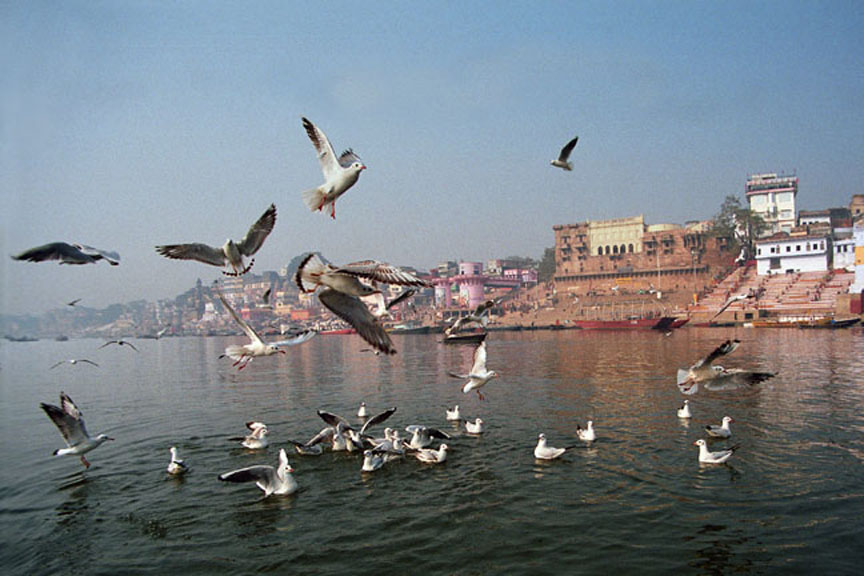
It was my first trip to Varanasi and I was a little disappointed. The squalor, the impossible traffic jams, and the pollution added up to dispel my romantic notions about the city that Mark Twain had famously said to be ‘older than history, older than tradition, and even older than legend’.

It’s hard to imagine that the capital city of a country as welcoming and vibrant as Spain was under dictator rule until as recently as 1975. A nation that was torn apart by civil war has slowly been brought back together to what it is now — a place full of so much beauty that is the second most internationally visited country in the world.

Janet Cheatham Bell is an author, scholar, budding playwright and mother to CNN host, W. Kamau Bell, of United Shades of America. Having lived through America’s Civil Rights Movement, Janet joins World Footprints to reflect on her life journey from a segregated Indiana to her interracial marriage that defied the laws of the era.
If you’ve set off on a euro trip anytime in your life, you’ve probably visited some of the most-frequented countries on the continent: France, Spain, Italy, or the United Kingdom, just to name a few. However, many travelers tend to skip over the locations that elicit some of the most unique experiences.

Kashmir — at least the part that India controls — meant lush valleys with freshwater lakes, grass and pine-covered hills, and the towering but protective circle of the Himalayan mountain range.

Do you wonder who will tell your story and how you’ll be portrayed? Author and Publisher Ardre Orie joins World Footprints to discuss the power of storytelling, narratives on race and, of course, travel.
Imagine a bi-partisan dinner with U.S. Senators and Representatives at the Library of Congress with leading contemporary historians and a billionaire patriotic philanthropist. Then image an evening of enlightened discussions about American history without the presence of media or political jockeying.