
History
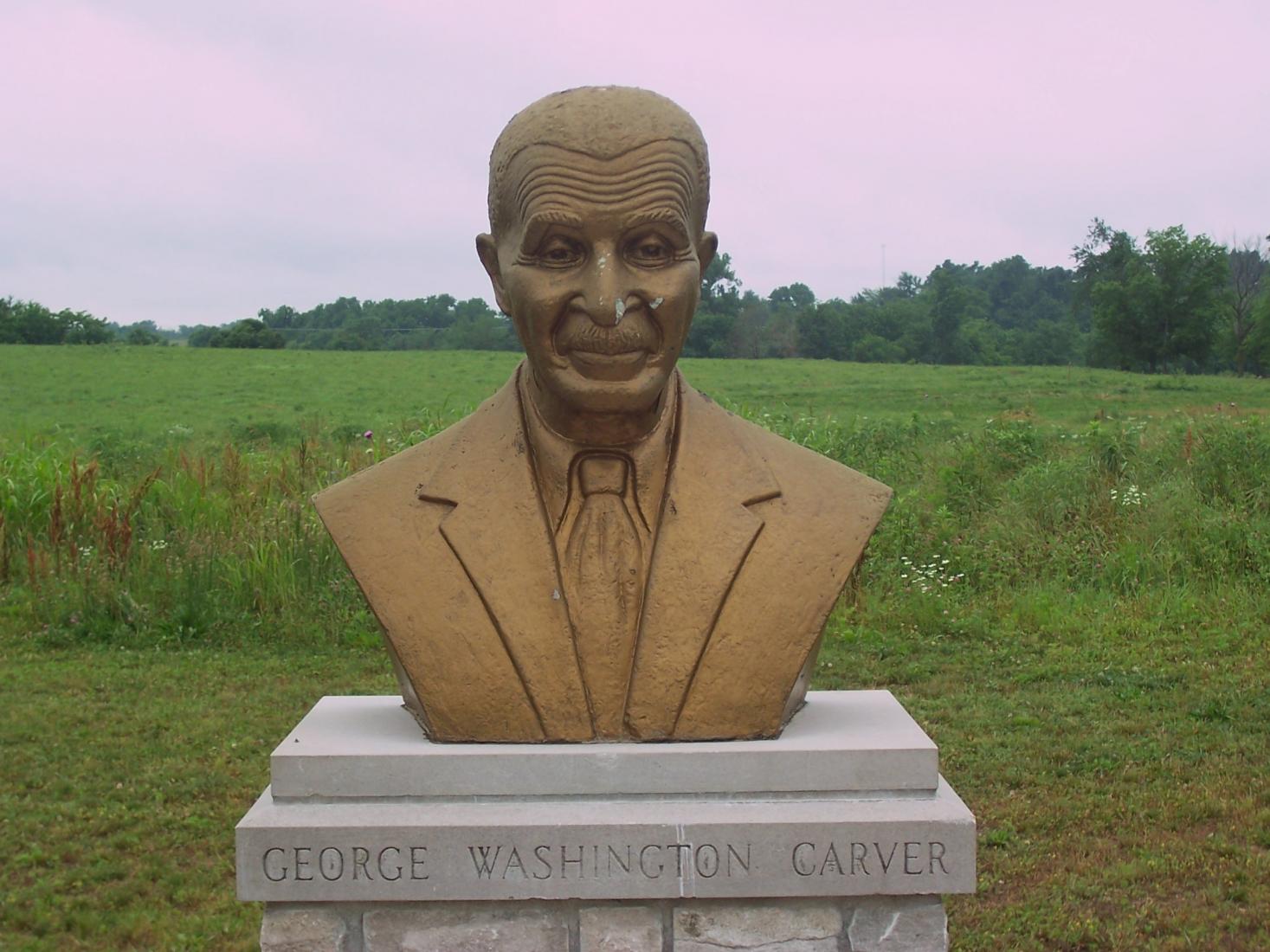
George Washington Carver statute. Photo: Tonya Fitzpatrick
“A traveler without observation is a bird without wings.”
— Moslih Eddin Saadi
No matter where you go, every place has a story and historical travel unpacks those stories.
From great struggles against oppressive forces to human ingenuity, the people and the places who have defined significant eras in human history move many to travel see where history was made. Travel through the historical places, see and observe what was then and how things are now. Every place has evolved over ages and become what it is today , hence you must visit history to understand the struggles and changes that came through with time.
Being able to walk where history was made, seeing the places that shaped legendary figures or experiencing life as our ancestors did, historical travel allows history to come to life in ways that transcend a history book.

Young men once rode horses to carry mail from Missouri to California in the unprecedented time of only 10 days! This relay system along the Pony Express National Historic Trail crossing eight states was the most direct and practical means of east-west communications in 1860. From Missouri to California the Pony Express riders could deliver a letter faster than ever before.

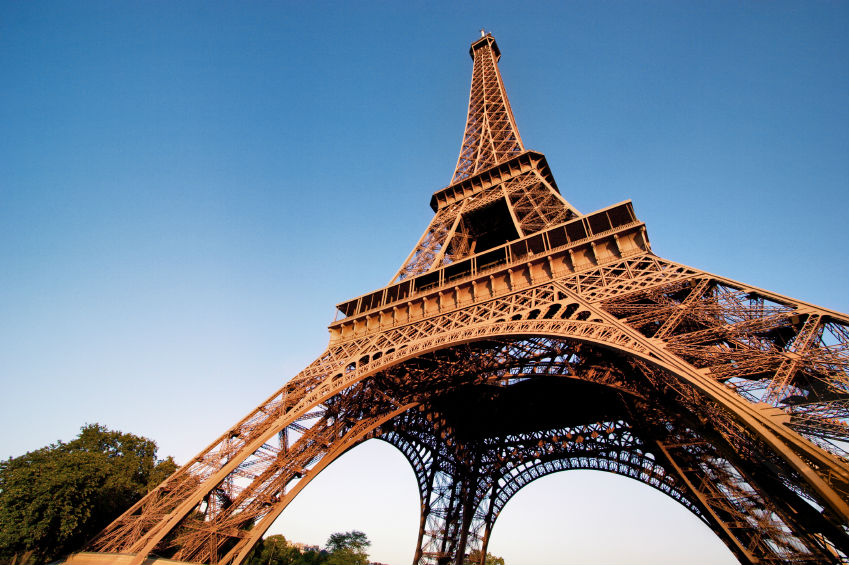
Along with the Sphinx and the Great Pyramid, there may be no more instantly recognizable man-made structure than the Eiffel Tower, inaugurated on this date in 1889. The grand tower was built for the Universal Exhibition held that year in celebration of the French Revolution.

Today on World Footprints we celebrate Canada’s Francophone roots in the Quebec region as we walk in the footsteps of history at the New France Festival in Quebec City. Plus, we’ll visit an Augustinian Monastery turned holistic spa and we’ll talk to an Old World wine merchant.

When The Slave Trade Act passed in Parliament on March 25, 1807, the United Kingdom effectively abolished the slave trade throughout the British Empire, but slavery continued.

When Buenos Aires became the capital of Argentina in 1880, the mayor, Torcuato de Alvear, decided to modernize the city in order to leave its Spanish colonial past behind. People of his generation and social class – the upper crust— venerated European powerhouses like England and France and looked down on the local criollo culture, the mix of Spanish and indigenous cultures.

On this day in history, the 23rd and last official Grand Master of the Knights Templar, Jacques de Molay and a few other Templars, were sent to their death after enduring years of torture and other humiliations. The Knights Templars were Crusades warrior monks. The Roman Church granted the Knights Templar with near autonomous power, answering to no one other than the Pope. But it was the Order's enormous power that eventually led their downfall. Over the years, the Order became extremely wealthy and at times acted as a bank throughout Europe. King Phillip IV of France became financially indebted to the Templars. On Friday, October 13, 1307 (the origin of the "Friday the 13th" bad luck date), Phillip, who because of his indebtedness to the Order, demanded the arrest of all Templars. They were tortured into false confessions of heresy and eventually forced to disband. However, Jacques de Molay [...]

We explore points around the globe from London and the Jewish contributions to British society to America as we explore it’s history on the back of a Harley Davidson. We’ll stop at places in between and spend time remembering Anthony Bourdain.

Following the 1908 legislation President Theodore Roosevelt signed giving the Grand Canyon status as a National Monument, the United States Congress signed an act on February 26th, 1919, making Grand Canyon National Monument a National Park. The Grand Canyon National Park hosts over 4 million visitors each year who explore sections of its 1.2 million acres. Today, the National Park is also recognized as a UNESCO World Heritage site. The size of the National Park is vast and equals the land mass of the state of Delaware. Its depth and width are inspiring--going over a mile deep and spreading from a quarter mile to 18 miles wide in certain places. At Point Imperial the Grand Canyon's elevation stretches 9,000 feet exposing rock layers that display over two billion years of geologic history. The different elevations offer a variety of temperatures. During the summer months the North Rim is generally 30 [...]

On this day in 1809, the sixteenth President of the United States, Abraham Lincoln was born in a one-room log cabin on Sinking Spring Farm in Hardin County, Kentucky. His education consisted of little more than 18 months of formal schooling, but he was an avid reader and focused on the law as a course of study.

Step into the words and paintings of award-winning writers and artists as we celebrate black history in literary color. Award-winning artist Michele Wood’s work reflects a deep sense of history and place.

On this day, the Beatles take the airwaves in the U.S. with their first appearance on The Ed Sullivan Show.

When I first visited Zimbabwe ten years ago, hyperinflation had sent the entire country into a controlled state of panic. While there was no specific ‘danger’ of which to speak, tourists were still frightened by the actions of President Robert Mugabe and the prospect of visiting a country in the midst of so much turmoil.