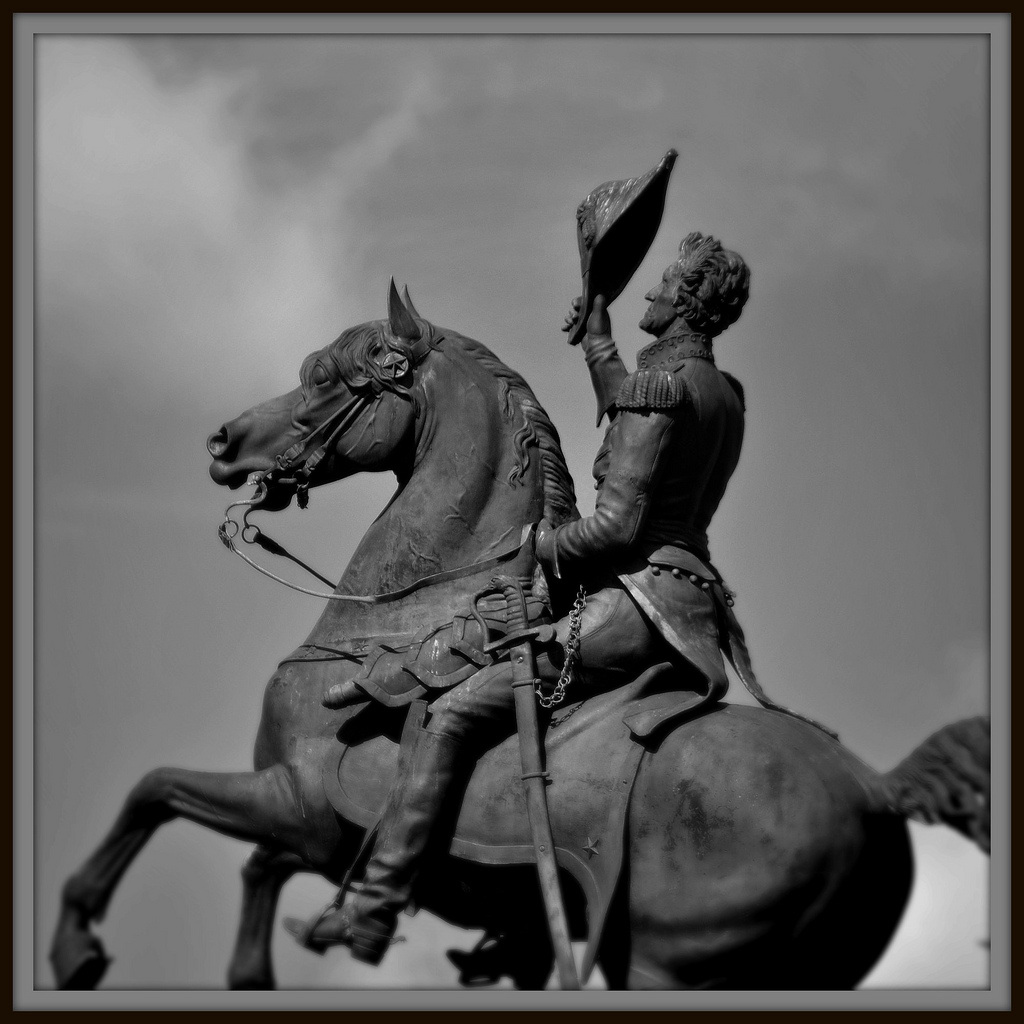

History
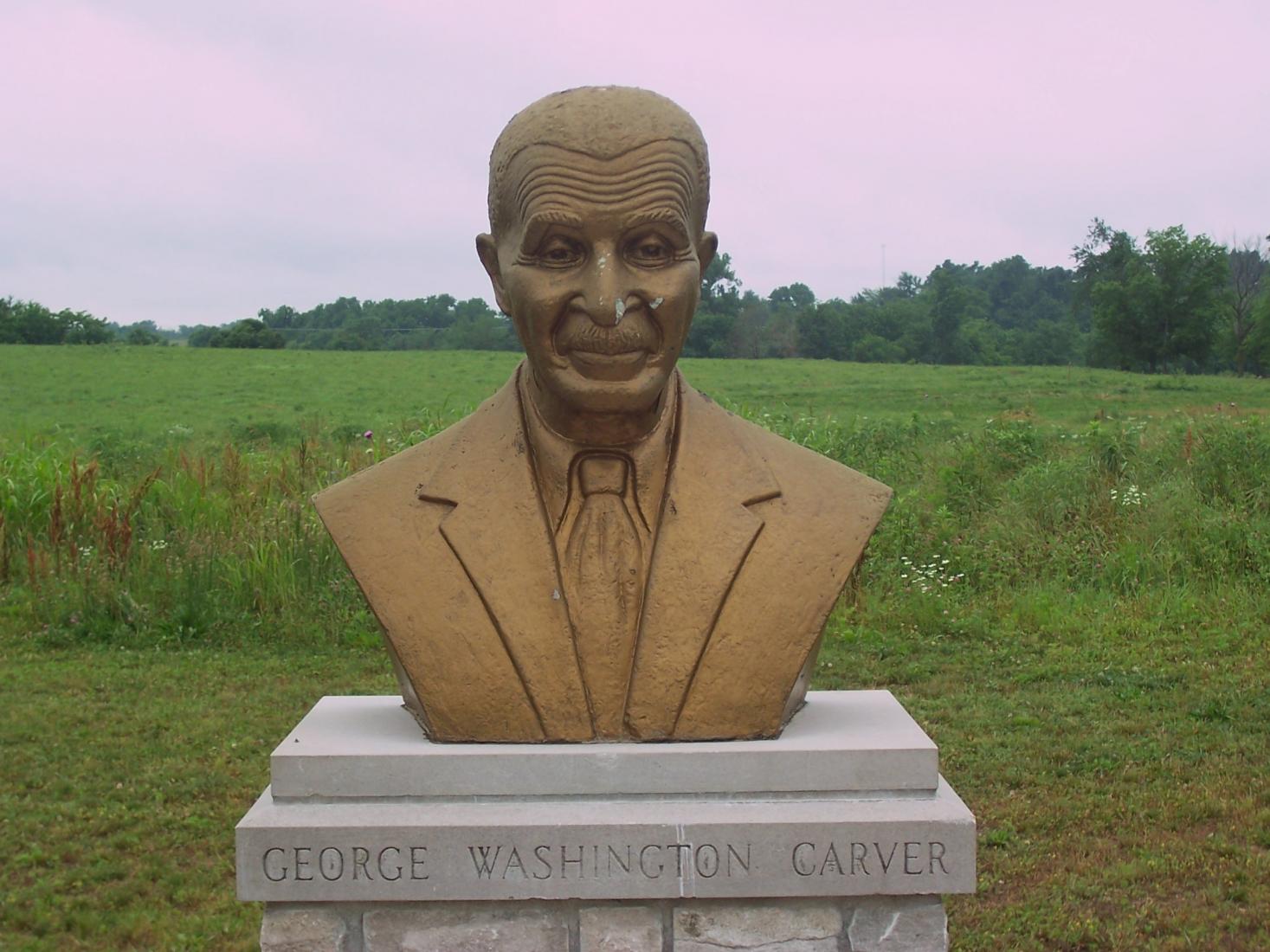
George Washington Carver statute. Photo: Tonya Fitzpatrick
“A traveler without observation is a bird without wings.”
— Moslih Eddin Saadi
No matter where you go, every place has a story and historical travel unpacks those stories.
From great struggles against oppressive forces to human ingenuity, the people and the places who have defined significant eras in human history move many to travel see where history was made. Travel through the historical places, see and observe what was then and how things are now. Every place has evolved over ages and become what it is today , hence you must visit history to understand the struggles and changes that came through with time.
Being able to walk where history was made, seeing the places that shaped legendary figures or experiencing life as our ancestors did, historical travel allows history to come to life in ways that transcend a history book.

I first learned of Guy Fawkes when I moved to London and was invited to a Guy Fawkes celebration that was full of fun, fireworks and libation. Only later did I learn more about the man that the British recognize today with fanfare.

Sir Hans Sloane was a naturalist who had managed to amass an enormous collection of books, manuscripts, dried plants and antiquities from his travels. As he neared his death, he did not wish to see his collection broken up or, worse yet, forgotten. Sloane bequeathed his collection to King George II who, in turn, gave his royal assent to an Act of Parliament to establish the British Museum using Sloane's collection as a foundation. Two large libraries of books, one of which included the only surviving copy of Beowulf, were added to the Sloane materials. The concept for the British Museum was unique - it was owned by the government, but not by the king, and was freely open to the public. First situated in the Montagu House, the exhibition galleries and a reading room opened on January 15, 1759. The gallery was first situated in Montagu House in Bloomsbury. [...]

Join World Footprints as we embark on an exciting journey in Big Sky Country, Montana, where we uncovered new dinosaur fossils and other incredible treasures. Our recent trip offered a hands-on experience in paleontology, making it an adventure of a lifetime.

The Cunard Line, then known as the Cunard White Star Line launched the RMS Queen Elizabeth in 1938. Named for Queen Elizabeth (not the current Queen but her mother) the RMS Queen Elizabeth was the largest passenger liner ever built, a record she held for 56 years.

The War of 1812 was over. On December 12, 1814, the United States and Britain signed the Treaty of Ghent ending the war. Unfortunately, American forces under the command of General Andrew Jackson and British forces encamped near New Orleans were unaware of that fact. The two armies had faced each other off south of New Orleans since mid-December and news traveled slowly.

The cathedral in Pisa has a free-standing bell tower on which construction began August 9, 1173 and took 117 years to complete. The development of the Tower started in 1173. Initially intended to be a bell tower, it stood upright for more than 5 years, yet when the third floor was finished in 1178 it started to lean.

Although the Times Square Ball made it’s debut on the roof of One Times Square in New York on December 31, 1906 to ring in 1907, Dick Clark began a new holiday tradition to televise the international event and surrounding celebrations as his first New Year’s Rockin’ Eve broadcast rang in 1973.
Just after midnight on Christmas morning, Allied and German troops engaged in World War I put down their weapons to sing Christmas carols. Soldiers exchanged presents of cigarettes, plum puddings, and even played friendly games of soccer. The so-called "Christmas Truce of 1914" was one of the last examples of the outdated notion of chivalry between enemies in warfare.

On this day in 2014, President Obama signed a proclamation regarding Wright Brothers Day in which he wrote in part: ...On December 17, 1903, two brothers from Dayton, Ohio, would write their own chapter in America’s long history of discovery and achievement.

On this day in history, December 6, 1773, the Boston Tea Party took place. Patriot leader Samuel Adams organized the "tea party" with about 60 members of the Sons of Liberty, his underground resistance group.

ON THIS DAY IN HISTORY, in 1901, The first Nobel Prizes were awarded in Stockholm, Sweden, in the fields of physics, chemistry, medicine, literature, and peace. The ceremony came on the fifth anniversary of the death of Alfred Nobel, the Swedish inventor of dynamite and other high explosives.
Pinckney Benton Stewart Pinchback on this day in 1872 became the first person of African-American descent to serve as the governor of a U.S. State. Pinchback served as the Governor of Louisiana, rising to the office after serving as the acting lieutenant governor. When the governor of Louisiana was impeached and removed from office, Pinchback became governor for the last few weeks of the term.