

History
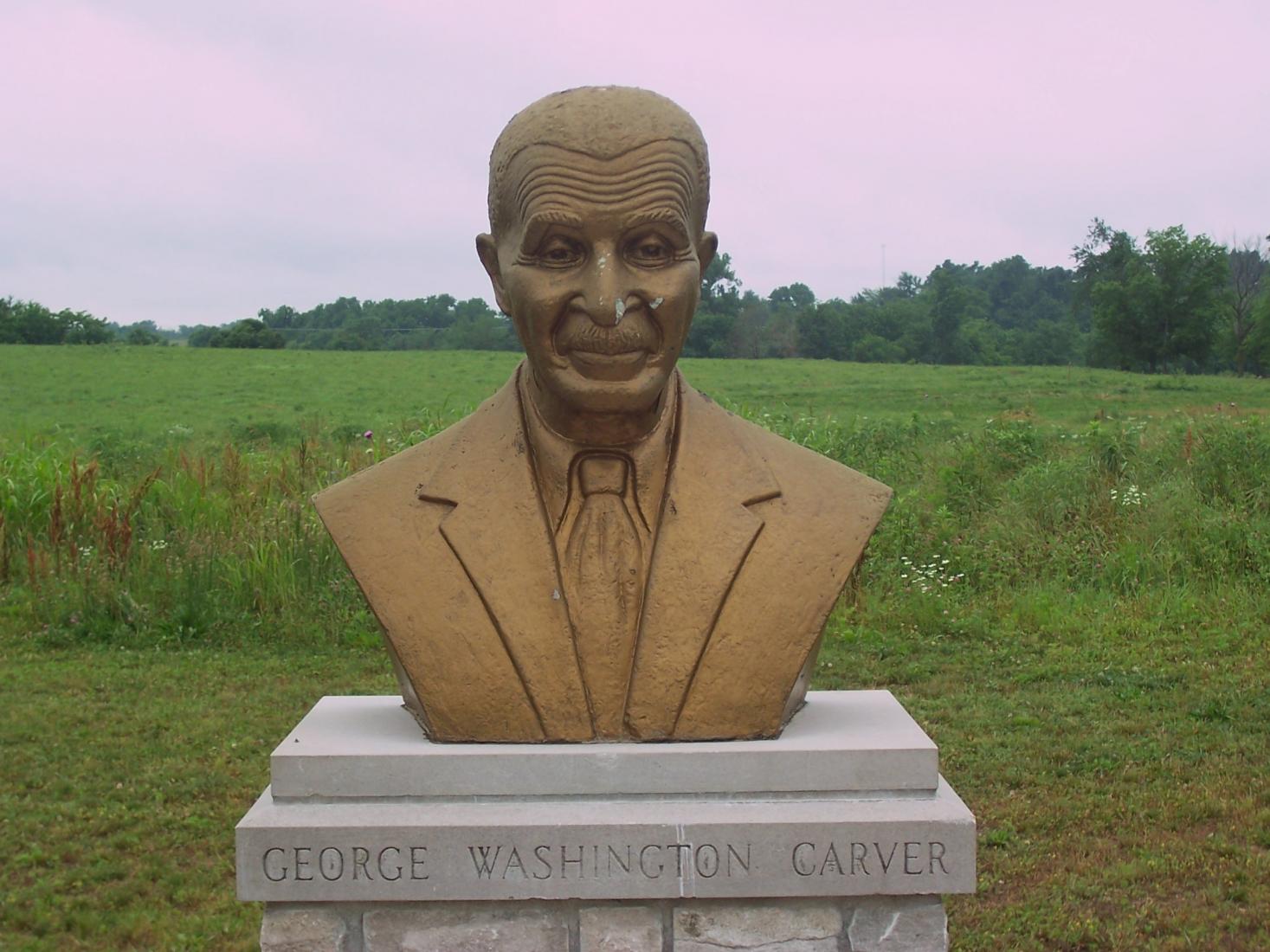
George Washington Carver statute. Photo: Tonya Fitzpatrick
“A traveler without observation is a bird without wings.”
— Moslih Eddin Saadi
No matter where you go, every place has a story and historical travel unpacks those stories.
From great struggles against oppressive forces to human ingenuity, the people and the places who have defined significant eras in human history move many to travel see where history was made. Travel through the historical places, see and observe what was then and how things are now. Every place has evolved over ages and become what it is today , hence you must visit history to understand the struggles and changes that came through with time.
Being able to walk where history was made, seeing the places that shaped legendary figures or experiencing life as our ancestors did, historical travel allows history to come to life in ways that transcend a history book.

On December 4, 1872, the captain of the commercial sailing vessel Dei Gratia, spotted the American ship Mary Celeste sailing toward the Straights of Gibraltar. Captain David Reed Morehouse of the Dei Gratia knew the Mary Celeste had sailed out of New York only a few weeks before.

On this day in 1835, Samuel Langhorne Clemens was welcomed into the world as the sixth child of John Marshall and Jane Lampton Clemens in the small town of Florida, Missouri. Mark Twain was the sixth of seven children born to John Clemens, a lawyer, and his wife Jane, although three of Samuel’s siblings died in childhood.

On November 29, 1781, the crew of a British slave ship called The Zong, murdered over one hundred African slaves that were bound for Jamaica. The crew threw the 133 slaves overboard so that they could claim insurance for the “lost cargo”.

World Footprints will cross the border into the country of Jordan, uncover Dr. Suess's social and artistic legacies and share one of our "Best Of" features with filmmaker Ken Burns.

Fifty years ago today on November 22, 1963, President John F. Kennedy, the 35th president of the United States, was assassinated while traveling through Dallas, Texas, in an open-top convertible. He was struck by two bullets to the neck and the skull. Less than an hour and ½ after the President’s death, 24-year-old Lee Harvey Oswald was captured and charged with the murder and the nation was left to mourn. JFK Assassination was a dark day in American History.

Just off the coast of the land border with Albania, Corfu lies on the far northwest corner of Greece. Considered as the second largest Ionian islands along with its small surrounding islands. Many tours to Greece highlight Corfu as a must-visit destination because of its rich history and breathtaking landscapes. In Corfu’s history, this island was where a shipwrecked Odysseus sought refuge from the storms and where other travelers have rested. Its stunning bays, great hills, and lush coastline have drawn visitors since the 8th century BC. Corfu holds a historic location of strategic importance and has been fought over for centuries.

The Gettysburg Address on Nov 19, 1863 - "…we here highly resolve that these dead shall not have died in vain—that this nation, under God, shall have a new birth of freedom—and that government of the people, by the people, for the people, shall not perish from the earth." Abraham Lincoln, Gettysburg Address, November 19, 1863. On November 19, 1863, President Abraham Lincoln delivered a short speech at the close of ceremonies dedicating the battlefield cemetery at Gettysburg, Pennsylvania. Honoring a request to offer a few remarks, Lincoln memorialized the Union dead and highlighted the redemptive power of their sacrifice. Placing the common soldier at the center of the struggle for equality, Lincoln reminded his listeners of the higher purpose for which blood was shed. In composing the Gettysburg Address, Lincoln must have been reminded of the words of David Wills, a prominent citizen of Gettysburg charged with cleaning up after the grisly battle of July [...]

According to a study published in the journal Nature Communications, if you want to plan your next overseas adventure travel or luxury travel excursion to the sunny regions of the Mediterranean or simply set out to see some of the historical wonders of the world , you better do it now before the World Heritage Sites are either damaged or no longer exist due to climate change.

Tutankhamun was an Egyptian Pharaoh ruling from approximately 1341 BC to 1323 BC. The boy-king was only eight years old when he became Pharaoh. Howard Carter, a British Egyptologist had found clues to the existence of the Pharaoh, but the location of his tomb was unknown and there were very few records of any type on Tutankhamun.

World Footprints will criss-cross the United States from Las Vegas, and Jacksonville, Florida to Wisconsin and we will put a spotlight on the rich history throughout the Czech Republic. We will also stroll through North Little Rock, Arkansas and journey to Martinique. Veteran travel journalist David Yeskel has seen the evolution of Las Vegas over the decades. From its humble beginnings as "sin city" to the entertainment capital of the world, Las Vegas has survived the odds of a failing economy and multiple attempts to reinvent itself to become a burgeoning metropolis with 2 million residents. But the city has also maintained a small-town feel for its residents amidst the bright lights and glamour. David will offer a different perspective on Las Vegas as well as offer some essential travel tips that can maximize a visit to the city. View of the Las Vegas strip with the New York casino [...]

On this day in the year 1800, President John Adams became the first United States President to move into and take up residence in the Executive Mansion, later to be called "The White House." Adams penned a prayer the next day that read: "I pray Heaven to bestow the best of blessings on this House, and all that shall hereafter inhabit it.

Martin Luther, a Catholic scholar and priest, was unhappy with the practice of selling indulgences. Incensed, he wrote a long argument against the practice called Ninety-Five Theses on the Power and Efficacy of Indulgences.


