
History
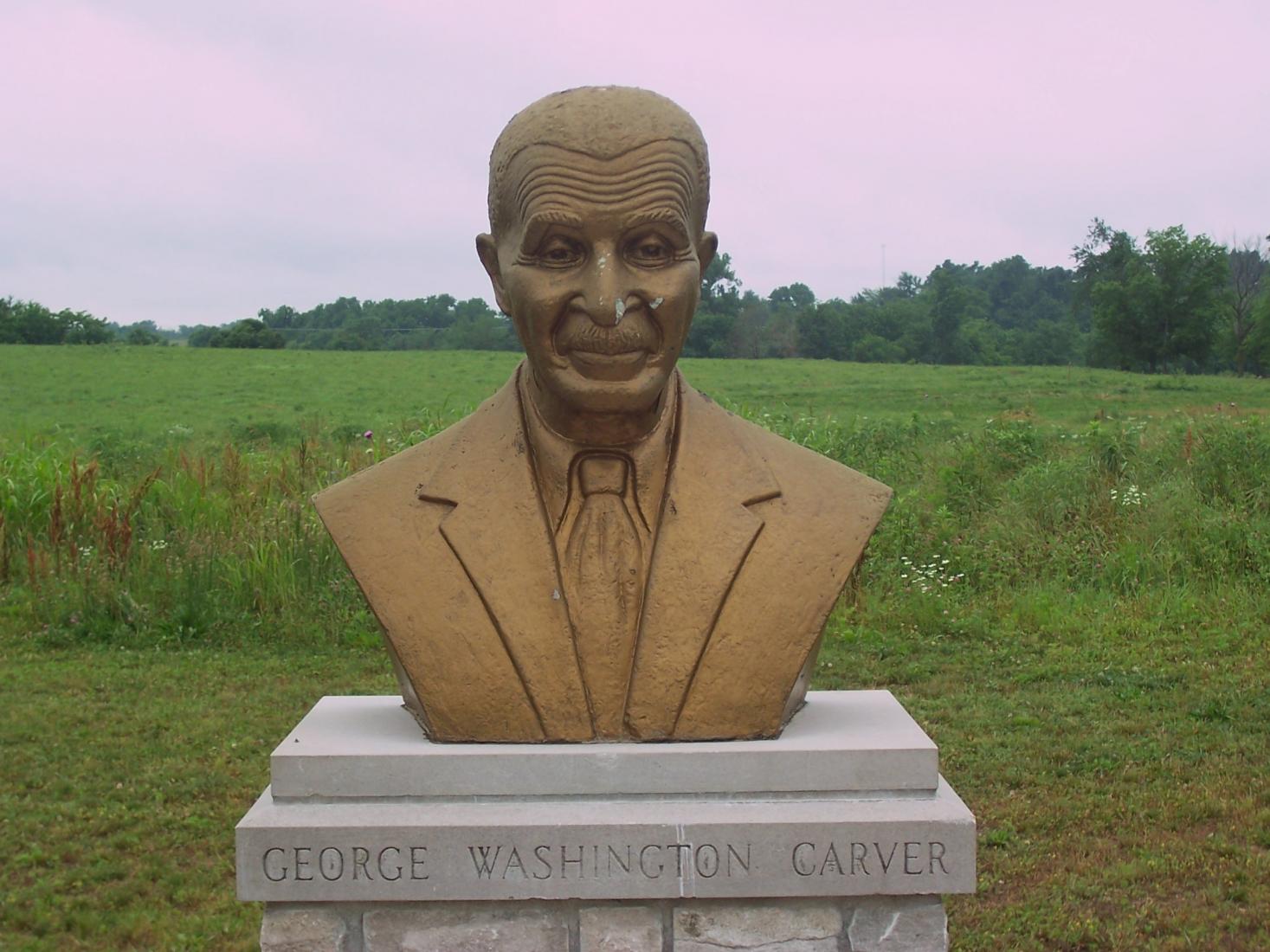
George Washington Carver statute. Photo: Tonya Fitzpatrick
“A traveler without observation is a bird without wings.”
— Moslih Eddin Saadi
No matter where you go, every place has a story and historical travel unpacks those stories.
From great struggles against oppressive forces to human ingenuity, the people and the places who have defined significant eras in human history move many to travel see where history was made. Travel through the historical places, see and observe what was then and how things are now. Every place has evolved over ages and become what it is today , hence you must visit history to understand the struggles and changes that came through with time.
Being able to walk where history was made, seeing the places that shaped legendary figures or experiencing life as our ancestors did, historical travel allows history to come to life in ways that transcend a history book.

In this episode of the World Footprint podcast, we have the privilege of interviewing Keith Stokes, advisor to the Rhode Island Black Heritage Society. Keith walks with us through the colonial African burying ground of God's Little Acre in Newport, Rhode Island and he shares many of the unrepresented stories that are etched in the grave markers.

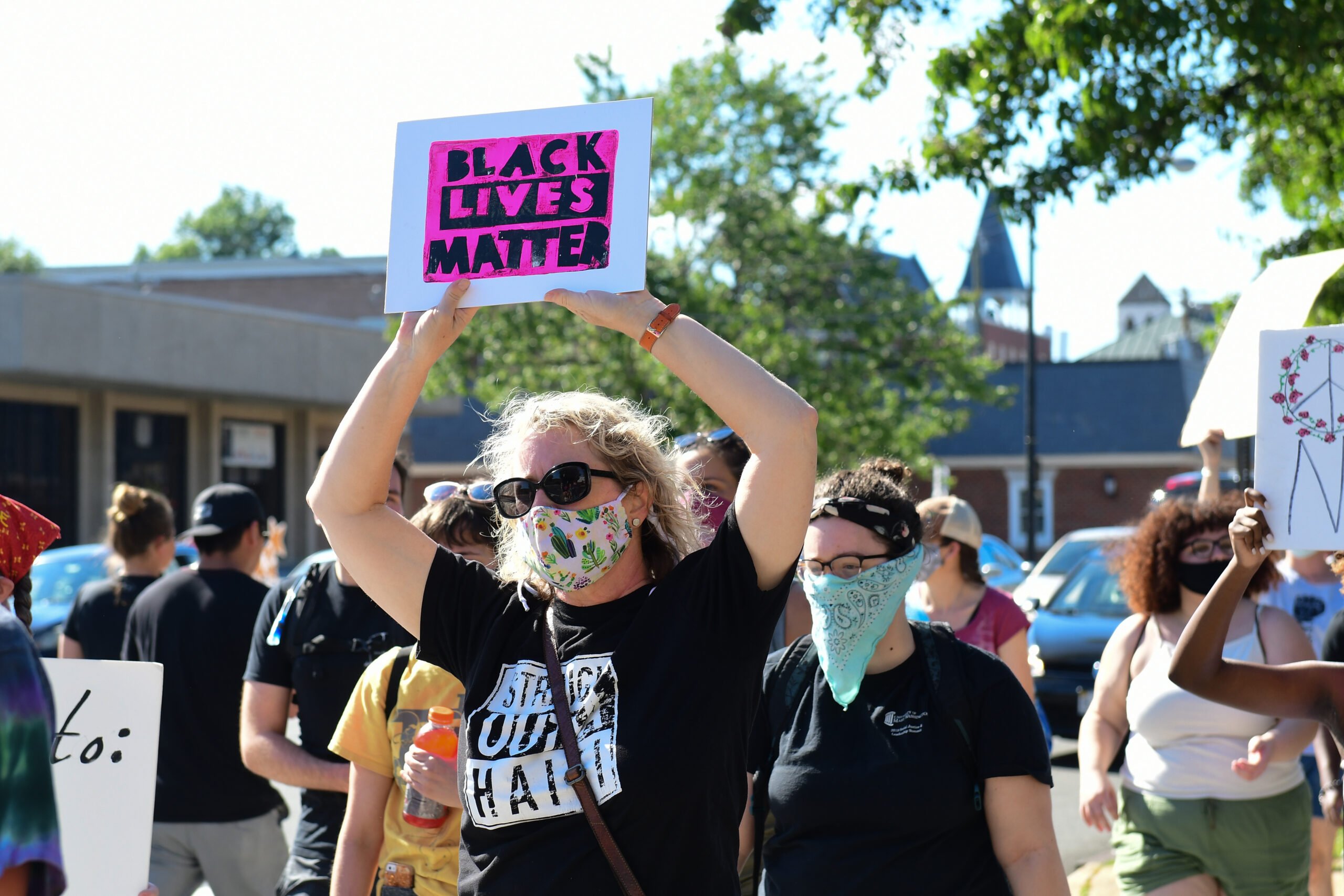
Fredericksburg, Virginia’s new Civil Rights Trail titled “Freedom, A Work in Progress,” offers unique insights into the area’s Black History. This free self-guided journey includes 21 stops around Fredericksburg and the University of Mary Washington. It traces African Americans’ fight for equality from the Civil War to the Black Lives Matter movement.

During February, there is an influx of travel stories for the “Best Places to Celebrate Black History Month”. It’s great and there are so many places I want to visit! However, the same list almost disappears into the ether as soon as March 1st arrives.

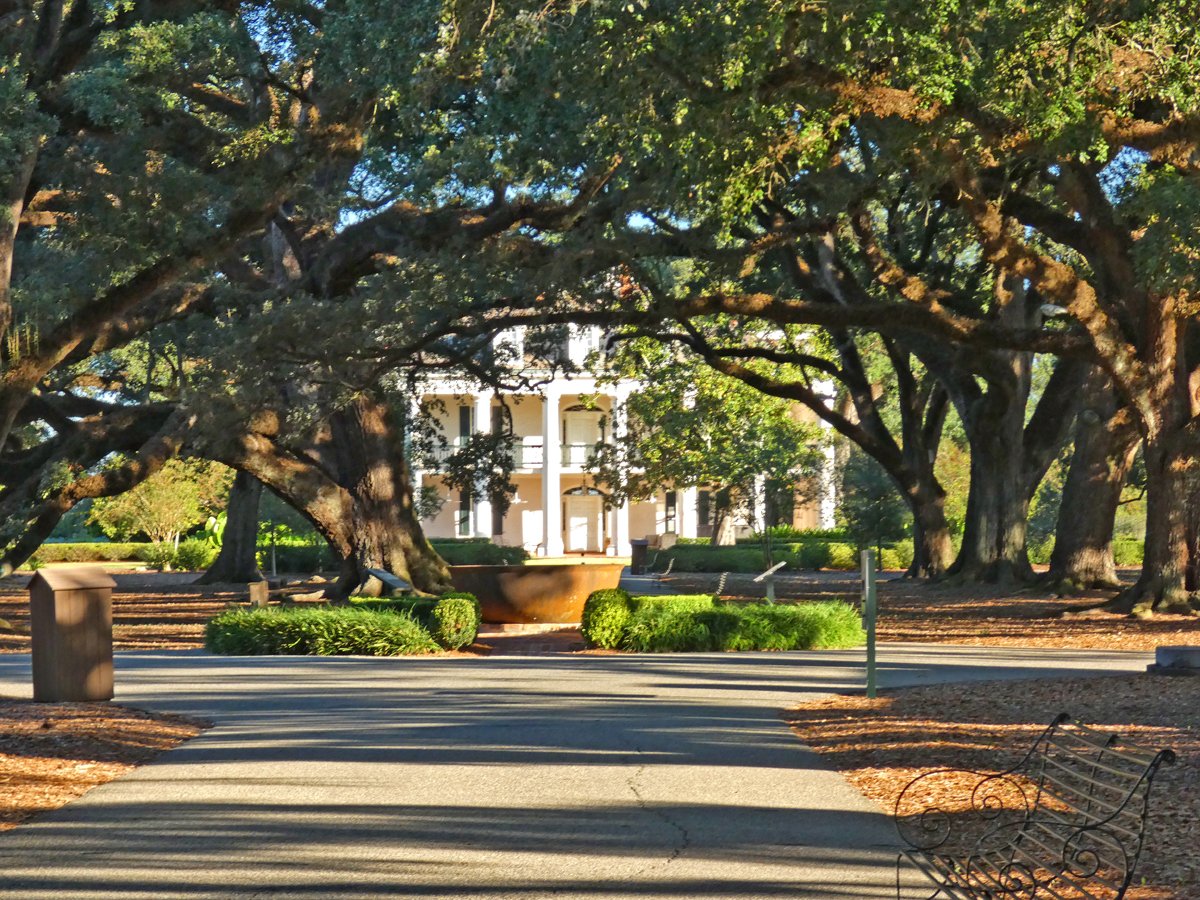
Named for the 150 to 200-year-old Virginia live oak trees lining the path from the Mississippi River to the entrance of the plantation home, Oak Alley is a national landmark. Here you’ll hear the stories of some of the enslaved people who lived here, as well as the many owners over the years.

World Footprints goes beneath the surface of the Negro Motorist Green Book, uncovering the human stories behind a document that quietly saved lives. During segregation, travel for Black families wasn’t about freedom or leisure—it was about calculation and risk. Driving through America meant navigating Sundown Towns, racial violence, and long stretches of road where no one would come to your aid if something went wrong. The Green Book became a lifeline. It identified safe places to sleep, eat, repair a car, or simply stop without fear. It also revealed a parallel America—one built by Black entrepreneurs, homeowners, and community leaders who created sanctuary in an openly hostile landscape. Overground Railroad: Reframing the Green Book’s Legacy We explore this history with Candacy Taylor, whose book Overground Railroad reframes the Green Book as part of a larger resistance network. Taylor situates Black travel within a lineage of survival and self-determination, showing how [...]

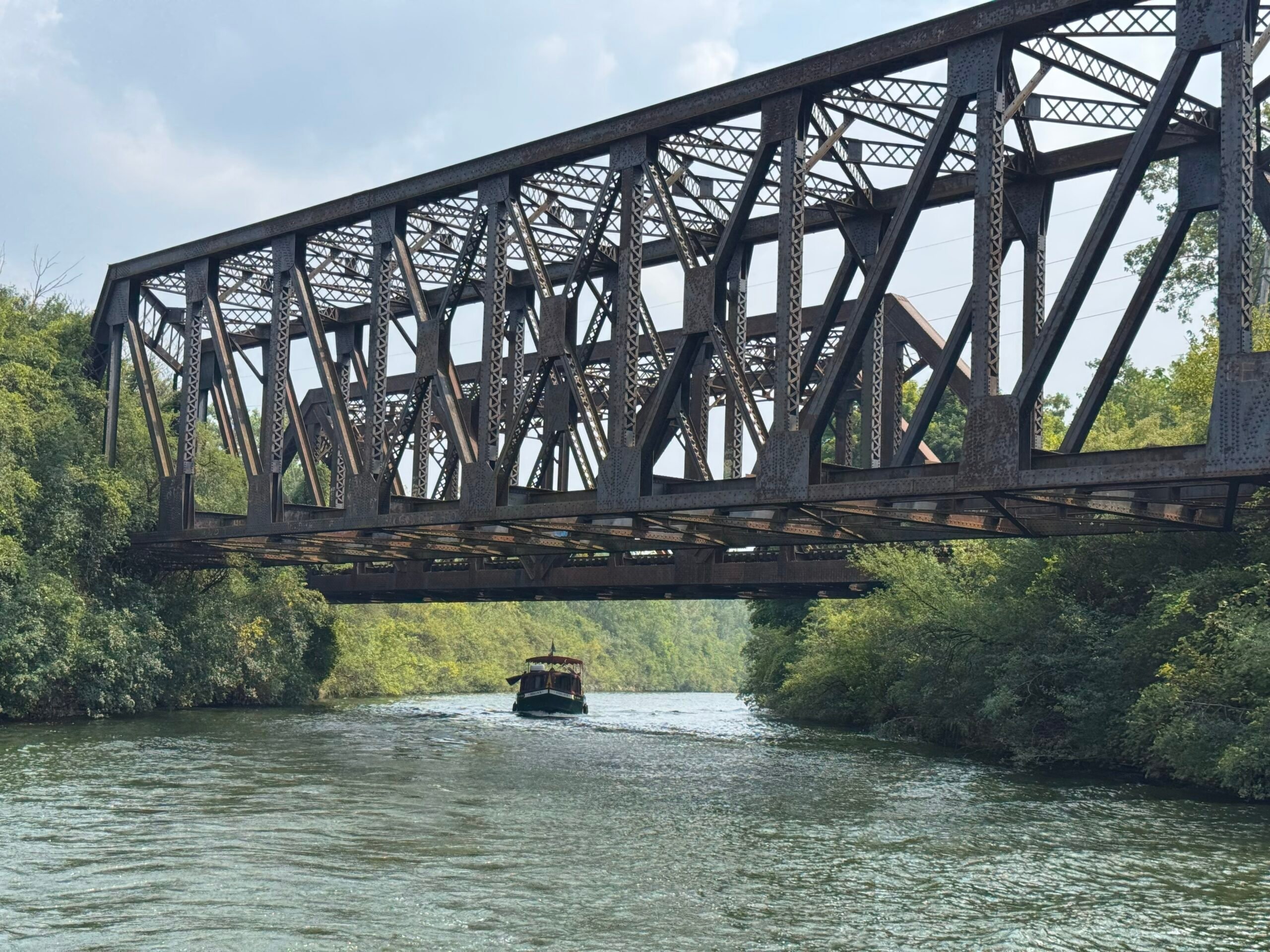
When my friend, Erik, first floated the idea of a self-piloted voyage along the Erie Canal, I did the math. From my apartment in Rochester, New York, I can drive west to the town of Spencerport in 21 minutes, 17 should the traffic lights cooperate. If heading east, I can make it to Pittsford in ten, though I usually stop at Wegmans en route, which tacks on another 30. The village of Fairport, meanwhile, requires 25 minutes behind the wheel—practically a road trip by Western New York standards.

Montana dinosaur fossils, Missouri River Country Montana, Great Plains Dinosaur Museum, Montana paleontology, Zortman Montana, Montana gold rush towns, Little Rocky Mountains history, fossil hunting Montana, gold panning Montana, Montana travel podcast
When we hear mention of Harpers Ferry, John Brown’s raid to create a slave rebellion typically comes to mind. But Harpers Ferry's history is much deeper and full of surprises. The Union troops who captured Brown, leading to his hanging and eventually the Civil War, were led by US Army Colonel Robert E. Lee, who brought 86 marines and a young West Point lieutenant, James Ewell Brown Stuart, nicknamed “Jeb.”

This episode of World Footprints explores how culture is experienced, preserved, and challenged through movement and art. From walking the length of Israel’s coastline to preserving Eritrean identity through visual expression, and revisiting the humanitarian themes embedded in Dr. Seuss’s illustrations, this conversation highlights how storytelling shapes our understanding of place, history, and humanity.
Explore Pittsburgh beyond its steel legacy as World Footprints visits the Heinz History Center, the historic Hill District, and the iconic Carrie Furnaces. This episode uncovers the cultural, industrial, and community stories that shaped Western Pennsylvania.
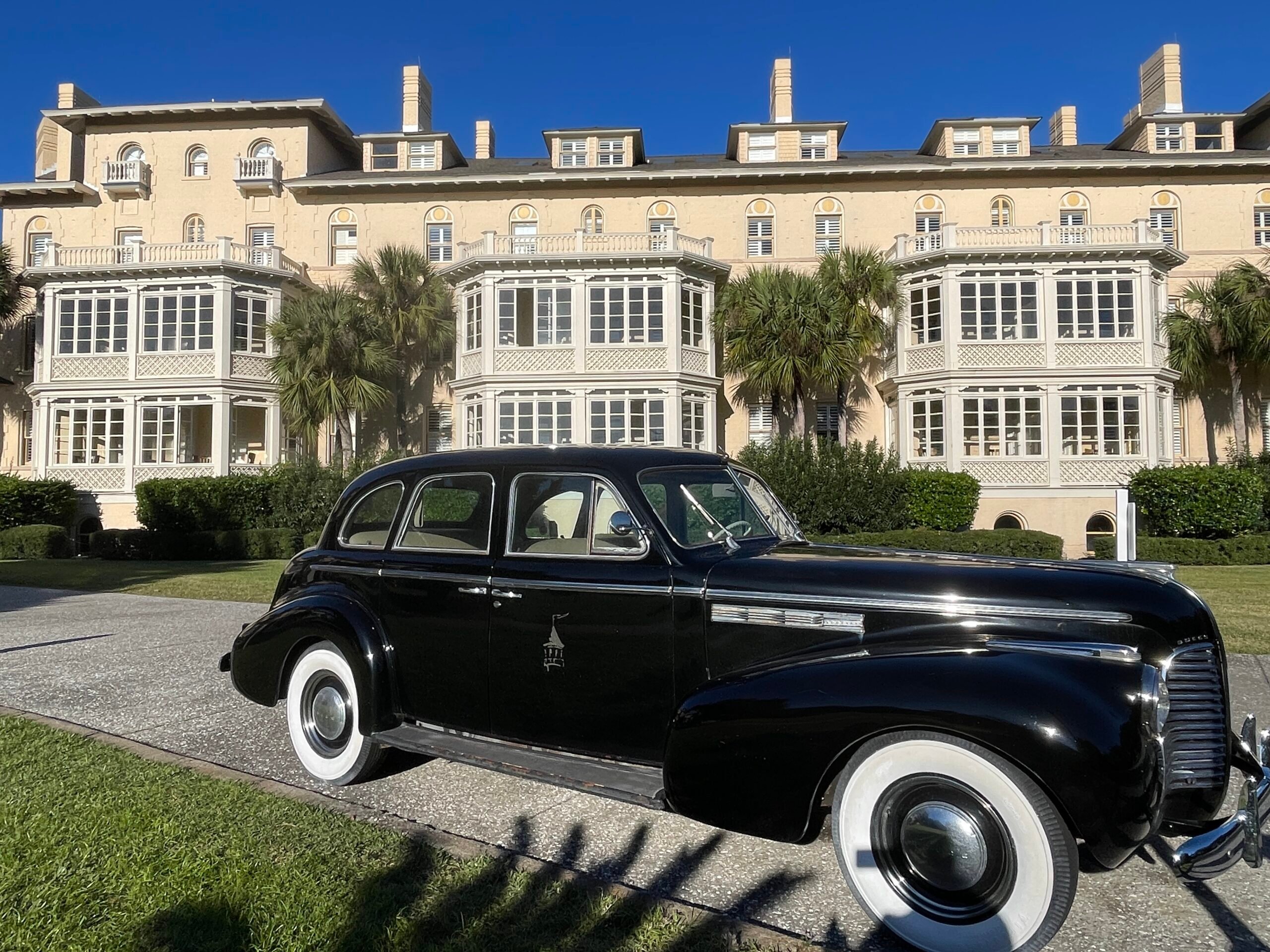
Jekyll Island doesn’t top most lists of holiday destinations, but maybe it should. Every December, the former Gilded Age retreat along Georgia’s coast transforms into a Southern-style winter escape. Live oaks are strung with lights, historic cottages are wrapped in garlands, and the old clubhouse lawn holds a towering Christmas tree. On the surface, it’s festive and charming. But what sets Jekyll Island apart isn’t just the decorations—it’s the weight of history beneath the surface.

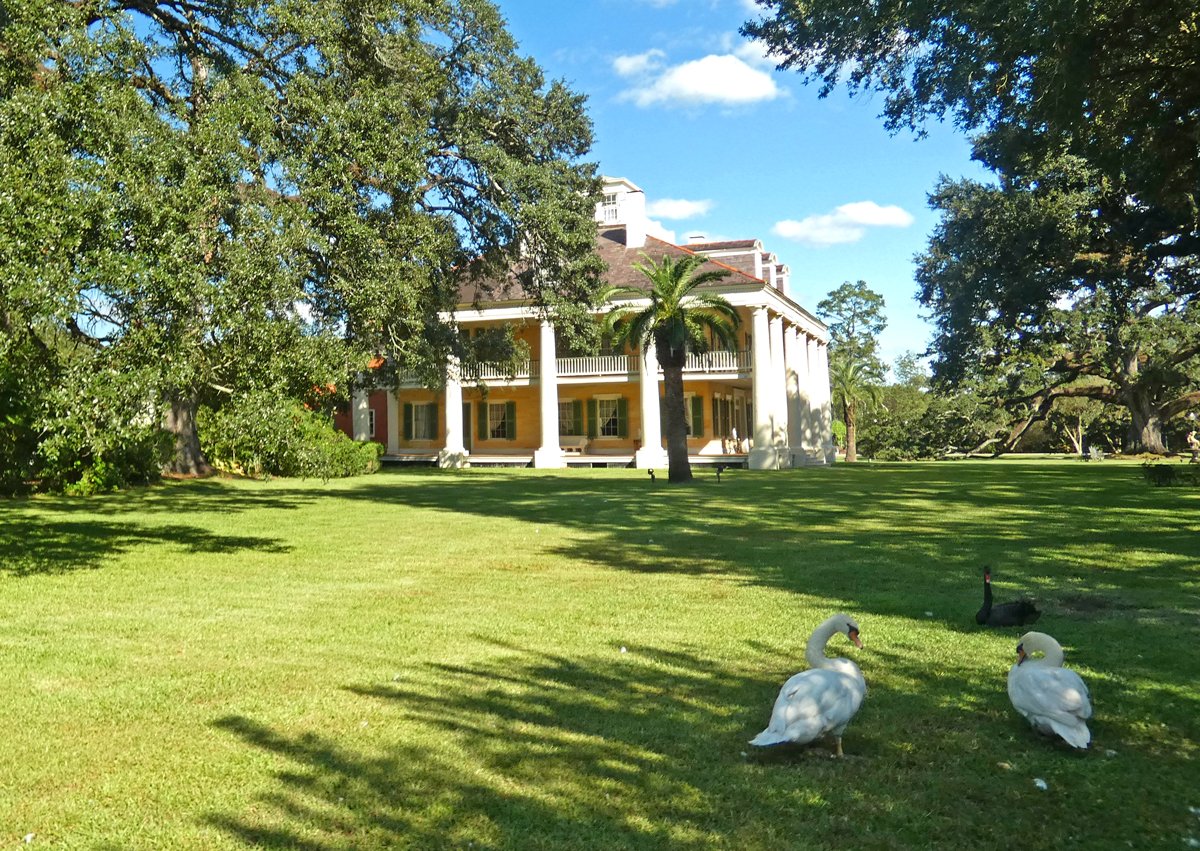
Houmas House sits gracefully along a bend of the Mississippi River, on land once inhabited by the Houmas Indians. Over thousands of years, the river shaped this area with fertile soil, transforming it into one of the South’s most productive agricultural regions. By the late 1700s, European settlers recognized the land’s potential. They began transforming it into a thriving plantation, launching an era of sugarcane farming that would become central to the property’s history.