
History
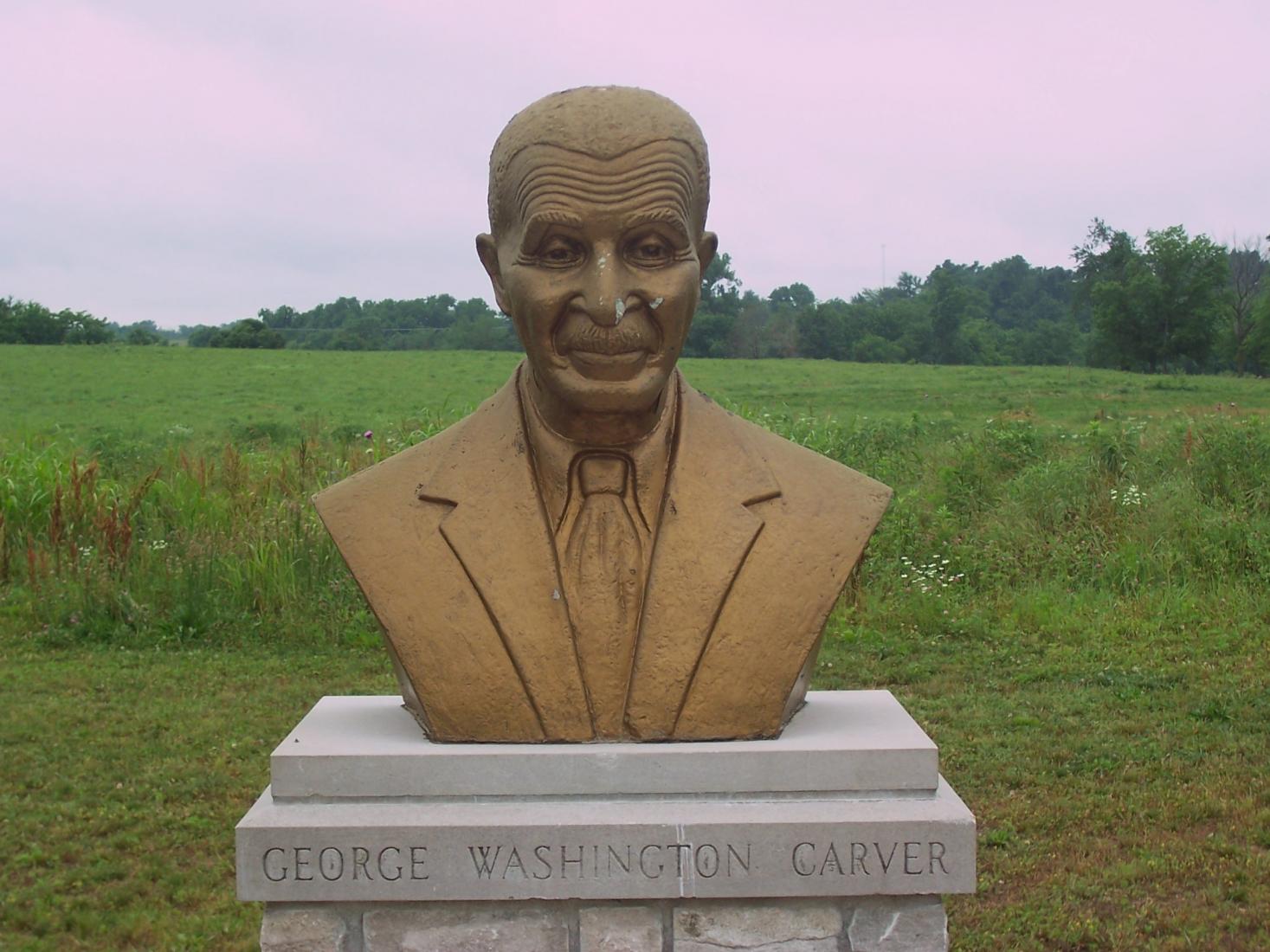
George Washington Carver statute. Photo: Tonya Fitzpatrick
“A traveler without observation is a bird without wings.”
— Moslih Eddin Saadi
No matter where you go, every place has a story and historical travel unpacks those stories.
From great struggles against oppressive forces to human ingenuity, the people and the places who have defined significant eras in human history move many to travel see where history was made. Travel through the historical places, see and observe what was then and how things are now. Every place has evolved over ages and become what it is today , hence you must visit history to understand the struggles and changes that came through with time.
Being able to walk where history was made, seeing the places that shaped legendary figures or experiencing life as our ancestors did, historical travel allows history to come to life in ways that transcend a history book.

Hear about the initiative Franklin has launched to preserve and share a fuller and accurate truth about its place in American history.

Strolling through the southern Spanish city of Sevilla on a sunny early spring day, the sweet smells of orange blossoms surround you as they waft through the air. These fragrant fruit trees flourish in the cobble-stoned streets and bring color to the beautiful Royal Alcázar of Seville.

One of Florida’s most unusual and misunderstood places, Cassadaga, isn’t a city or a town but a 57‑acre Spiritualist camp. Many of the 55 homes in the camp remain occupied by mediums who offer readings from their living rooms. In Cassadaga, mediums are the norm, and communicating with your loved ones who have passed on is an everyday event.

Author Nancy Brown Diggs joins World Footprints to explore the real history, culture, music, and identity of Appalachia while challenging the stereotypes surrounding one of America’s most misunderstood regions.

Patrick Henry delivered his iconic “Give me liberty or give me death” speech at the Second Virginia Revolutionary Convention at St. John’s Church in Richmond on March 23, 1775, igniting a spark that fueled the American Revolution. While living in Scotchtown, his only surviving original residence, Henry composed this famous address. The home offers insight into both the historical figure and Patrick Henry's daily life, while a tour of the St. John’s Church in Richmond takes you back to the day the famed speech was delivered.

Explore the history of New Orleans Second Line parades, Social Aid and Pleasure Clubs, and jazz funeral traditions. Discover the cultural roots behind the music with World Footprints podcast.

The Scottish Highlands are a place of ancient history, stunning natural beauty, and magic. Among the older generations, some claim that high in its earthy hills you’ll find the homes of creatures only heard about in legend.

In 1917, a group of women was forcibly shoved into freezing prison “punishment” cells, brutally injured by male guards, and left to survive the night without medical treatment—simply because they wanted to vote. While many people take this privilege for granted today, the battle for women to represent themselves at the ballot box was hard-fought and hard-won—yet can still easily be taken away.

Phyllis Wilson, a retired Army veteran of 37 years and President of the Military Women’s Memorial Foundation, joins us to talk about the Memorial and two important campaigns to preserve history and honor a group of female veterans.

This is not your average hotel lobby. This is where presidents have plotted, where the Beatles hid from screaming teenagers, and where Dwight D. Eisenhower maintained his Western White House. And on this particular trip, it's where I found myself standing in the same suite where Ike once practiced his golf swing.

Built in 1782, Destrehan Plantation is the oldest documented plantation still surviving in the Mississippi River Valley. I visited this living history museum and loved that they recognized, not only the story of the owners, but also stories of the over 200 enslaved men, women, and children of West African descent who worked on the plantation.

In this second episode of our interview with Keith Stokes, advisor to the Rhode Island Black Heritage Society, we continue learning about Newport's underrepresented history during our walk through God’s Little Acre.