
History
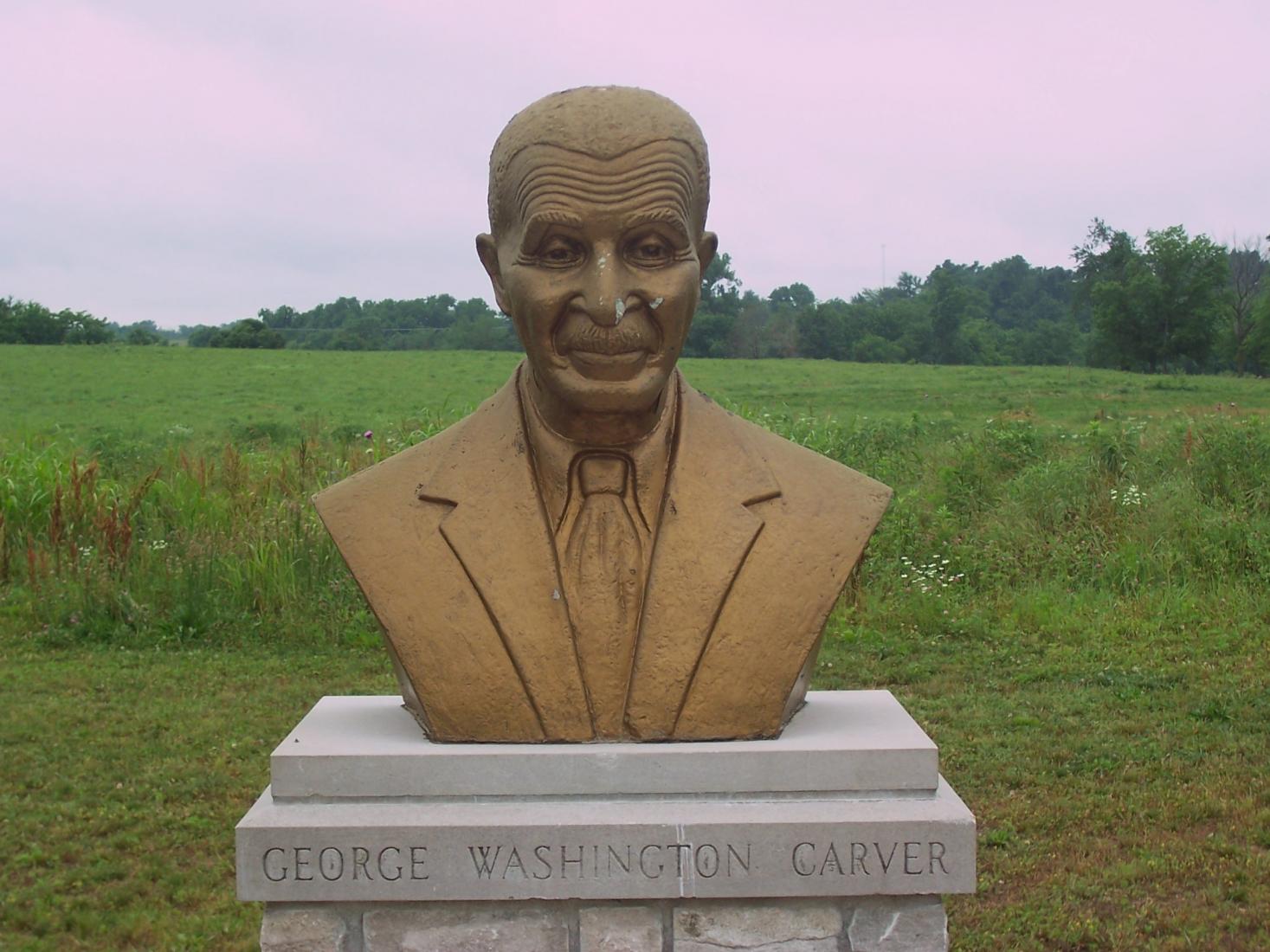
George Washington Carver statute. Photo: Tonya Fitzpatrick
“A traveler without observation is a bird without wings.”
— Moslih Eddin Saadi
No matter where you go, every place has a story and historical travel unpacks those stories.
From great struggles against oppressive forces to human ingenuity, the people and the places who have defined significant eras in human history move many to travel see where history was made. Travel through the historical places, see and observe what was then and how things are now. Every place has evolved over ages and become what it is today , hence you must visit history to understand the struggles and changes that came through with time.
Being able to walk where history was made, seeing the places that shaped legendary figures or experiencing life as our ancestors did, historical travel allows history to come to life in ways that transcend a history book.

North Carolina’s Outer Banks offers everything from open-sea beaches, theatre, wildlife preserves and popular shipwreck diving sites to down home cooking and history. On today’s show we explore these barrier islands and put a spotlight on Thailand and Indonesia. The Outer Bank’s Roanoke Island was the site of the first English settlement in the New World. A local popular theatrical production called “The Lost Colony” celebrates the birth of Virginia Dare, the first English child born in America. The Lost Colony is America’s longest running outdoor symphonic drama. We’re given a behind the scenes look at this epic drama that has drawn theatre goers every year since 1937. Before the farm-to-table and locally-source movement in food there was Owens Restaurant leading the way. An Outer Banks institution, Owens is North Carolina’s oldest family-owned restaurant having been owned and operated by the same family since 1946. During a visit, we met [...]

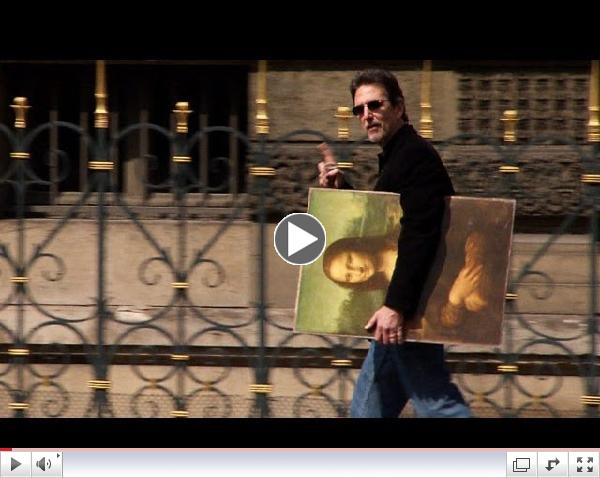
On August 21, 1911 a patron of the Louvre Museum in Paris walked into the Salon Carré where Leonardo Da Vinci's Mona Lisa was on display for all to see. On this day, however, the famous painting was not on the wall where it had hung for the past five years. A search of the museum turned over no clues - the painting had been stolen. The French poet Guillaume Apollinaire came under suspicion; he in turn, tried to implicate Pablo Picasso. Both were exonerated. Two years later, a man approached the directors of the Uffizi Gallery in Florence and tried to sell the Mona Lisa to them. The police were notified and immediately arrested former Louvre employee Vincenzo Peruggia who had stolen the painting by hiding in a broom closet and walking out with it hidden under his coat. Peruggia claimed the painting belonged in Italy and that he had stolen it for [...]

On August 19, 1692, five people were hung in Salem, Massachusetts for the crime of witchcraft. The five, one woman and four men, were Martha Carrier, George Burroughs, John Willard, George Jacobes and John Proctor.

Darwin, the capital of Australian Northern Territory, is one of those places where people come for a visit and often decide to stay. Its diversity is fascinating and local atmosphere seems to always cheer up.

A tweet from Eritrea’s Information Minister, Yemane Meskel, confirmed that the war between Eritrea and Ethiopia has ended.

On August 7, 1782, General George Washington issued an order to create the Badge of Military Merit, a groundbreaking military decoration that he personally designed. This badge, known today as the Purple Heart, was intended to honor soldiers wounded in battle, representing a notable shift in military recognition.

Between July 6, 1942, and August 4, 1944, a teenage Jewish girl named Anne Frank chronicled her life in hiding during one of the darkest periods of history.
On July 31, 1498, during his third voyage, explorer Christopher Columbus made his first recorded European sighting of the island of Trinidad.

The City of Miami was officially incorporated on July 28, 1896, marking a pivotal moment in the development of southern Florida.
On July 25, 1909, French pilot Louis Blériot made history by becoming the first person to fly a heavier-than-air craft across the English Channel.

On July 24, 1911, American explorer and historian Hiram Bingham made one of the most significant archaeological discoveries of the 20th century when he uncovered the ancient Incan city of Machu Picchu.
On July 15, 1933, aviator Wiley Post set out to make history by flying solo around the world, a feat he had previously accomplished with a co-pilot in a record-breaking time of eight days, 15 hours, and 51 minutes.