
History
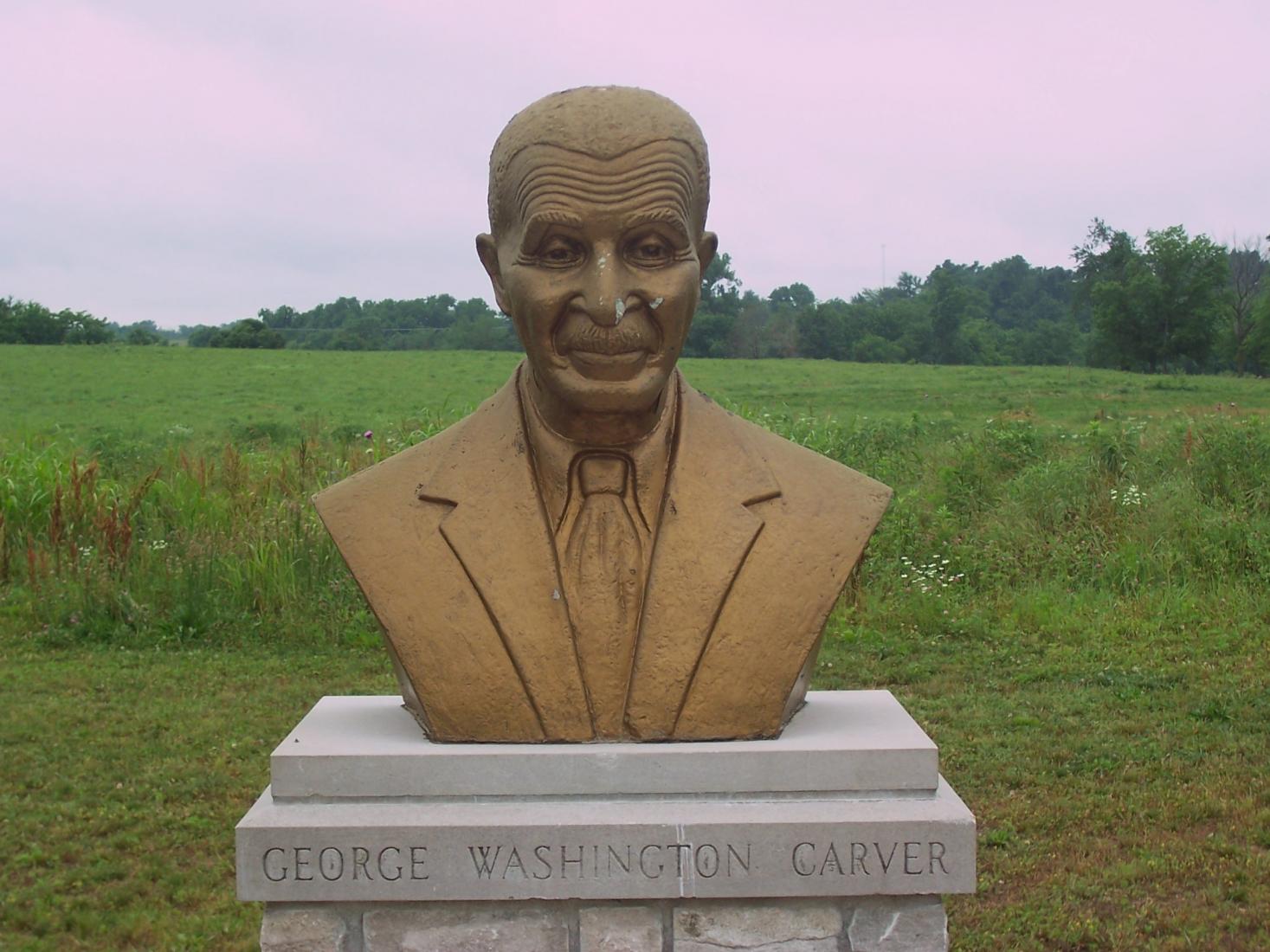
George Washington Carver statute. Photo: Tonya Fitzpatrick
“A traveler without observation is a bird without wings.”
— Moslih Eddin Saadi
No matter where you go, every place has a story and historical travel unpacks those stories.
From great struggles against oppressive forces to human ingenuity, the people and the places who have defined significant eras in human history move many to travel see where history was made. Travel through the historical places, see and observe what was then and how things are now. Every place has evolved over ages and become what it is today , hence you must visit history to understand the struggles and changes that came through with time.
Being able to walk where history was made, seeing the places that shaped legendary figures or experiencing life as our ancestors did, historical travel allows history to come to life in ways that transcend a history book.

On July 18, 64 AD, a devastating fire broke out in the shops and residences surrounding the Circus Maximus in ancient Rome.

In the summer of 1799, during Napoleon Bonaparte's Egyptian campaign, soldiers were demolishing a wall to expand a fort in the Nile Delta when one of them noticed an unusual stone embedded in the debris. This slab, now known as the Rosetta Stone, bore an inscription that intrigued scholars.

On July 14, 1789, an iconic event of the French Revolution took place when revolutionaries stormed the Bastille, a medieval fortress in Paris. At the time, the Bastille was not only a prison but a symbol of the French monarchy's absolute power. Though it held only seven prisoners at the time, its significance lay far beyond the walls—this fortress had come to represent the tyranny and oppression of King Louis XVI's reign.

On July 9, 1868, a pivotal moment in American history unfolded as the Fourteenth Amendment to the U.S. Constitution was ratified. This amendment reshaped the legal landscape of the nation by mandating that no state could deny any person "life, liberty, or property, without due process of law," nor could it refuse "equal protection of the laws" to anyone within its jurisdiction. These deceptively simple words laid the foundation for some of the most transformative Supreme Court rulings of the past century.
On July 4, 1776, a defining moment in world history occurred as the thirteen American colonies officially broke ties with Great Britain. On this day, the Continental Congress adopted the Declaration of Independence, asserting the colonies' right to self-governance and marking the birth of a new nation—the United States of America.

The Fourth of July is widely known for its patriotic celebrations—fireworks, parades, and cookouts marking America's independence. But did you know that July 4th is also Sidewalk Egg-Frying Day? It’s a quirky nod to the summer heat, when temperatures soar high enough to make people wonder if they can actually fry an egg on the sidewalk.

On July 1, 1867, with passage of the British North America Act and merging of Canada's three provinces-- Nova Scotia, New Brunswick and the Canada province (now Ontario and Quebec), the Dominion of Canada was officially established as a self-governing entity within the British Empire. Canadians celebrate this day with tradition fanfare--parades, barbecues, concerts and fireworks. The day also holds welcome ceremonies for new Canadian citizens. The British monarchy has been known to join in the celebrations. In 2010, Queen Elizabeth II and Prince Philip attended the celebration in Canada's capital city, Ottawa. Prince William and his wife, Duchess of Cambridge Kate Middleton, attended in 2011. O Canada!Our home and native land!True patriot love in all of us command.With glowing hearts we see thee rise,The True North strong and free!.... Parliament Building in the Canadian capital city of Ottawa.

On June 28, 1919, the Treaty of Versailles was signed in Paris, officially bringing World War I to a close. This landmark agreement was signed by representatives from the Allied powers—Belgium, Britain, France, Italy, the United States—and Germany, with Austria-Hungary already dismantled. The treaty formally ended a devastating conflict that had raged for nearly five years, claiming millions of lives and reshaping the global landscape.

On June 25, 1876, one of the most significant battles in American history unfolded during the Great Sioux War—the Battle of the Little Bighorn. This fierce clash, also known as "Custer's Last Stand," pitted the 7th Cavalry of the United States Army, led by General George Armstrong Custer, against a coalition of Lakota Sioux, Northern Cheyenne, and Arapaho tribes.

On June 24, 1374, a bizarre and mysterious phenomenon swept through the town of Aix-la-Chapelle, Germany—a sudden outbreak of "dancing mania." Also known as "St. John's Dance," this strange affliction saw people compulsively break into wild, frenzied dancing that could last for hours, even days, until they collapsed from sheer exhaustion. The cause of this unusual epidemic remains a mystery, but the mania quickly spread across Europe, affecting towns in Italy, Luxembourg, and France.

On June 3, 1982, Memphis, Tennessee earned its place as the unofficial "Royal Capital" of the United States when Elvis Presley's iconic Graceland mansion opened its doors to the public. The estate, once the private home of the King of Rock 'n' Roll, became a pilgrimage site for fans and history buffs alike. Visitors to Graceland now have the chance to explore the rooms and memorabilia of one of music's greatest legends. For those curious about the history and significance of Graceland, the video below provides an in-depth look at the mansion and the life of Elvis Presley.

With summer looming, Andalucía should be on top of your potential holiday destinations. Located on the south of Spain, the Andalucía region is renowned for having the hottest average temperatures in Europe. It has a diverse landscape, with a mountainous region on one side and the Mediterranean coast on the other. It is easy to tour the entire region because most of the attractions are 2 to 4-hour-drive apart. Here are the top 6 cities in the south of Spain that should be on the top of your list. Malaga Malaga is the hometown of the world's renowned artist, Pablo Picasso. It’s no surprise that the city has several fascinating galleries and generates an artsy vibe. Historical sites are also in abundance, including the Moorish fortress of Alcazaba, the 11th-century Gibralfaro Castle, and the Roman theatre. The cuisine is just as good as the history and tradition in Malaga. Locals [...]