
History
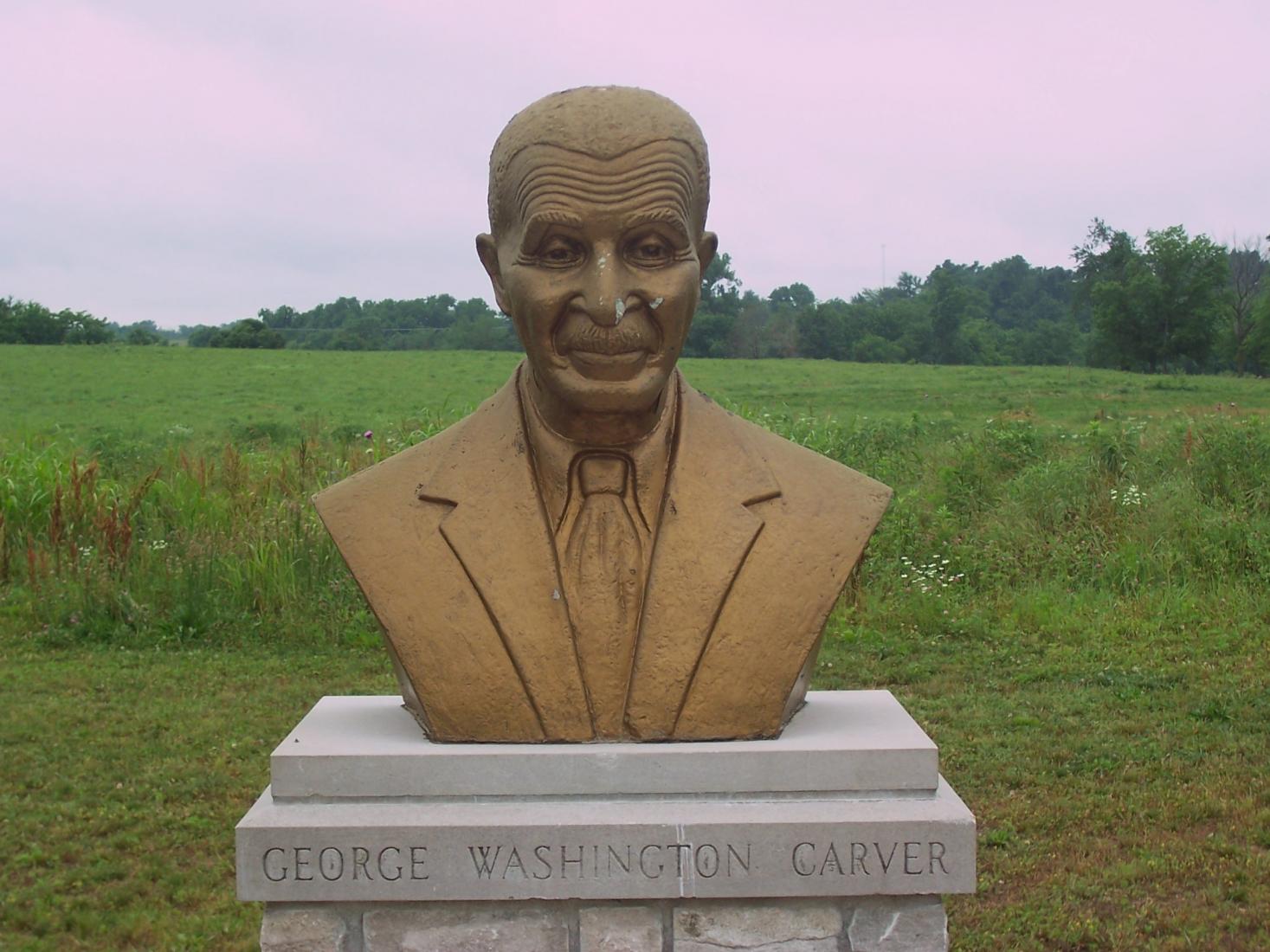
George Washington Carver statute. Photo: Tonya Fitzpatrick
“A traveler without observation is a bird without wings.”
— Moslih Eddin Saadi
No matter where you go, every place has a story and historical travel unpacks those stories.
From great struggles against oppressive forces to human ingenuity, the people and the places who have defined significant eras in human history move many to travel see where history was made. Travel through the historical places, see and observe what was then and how things are now. Every place has evolved over ages and become what it is today , hence you must visit history to understand the struggles and changes that came through with time.
Being able to walk where history was made, seeing the places that shaped legendary figures or experiencing life as our ancestors did, historical travel allows history to come to life in ways that transcend a history book.

Actress Stefanie Powers, best known for her role as Jennifer Hart in the television series "Hart to Hart", leads a double life, one in front of the camera or on stage and the other as a champion for animal preservation and protection.

It’s hard to imagine a more versatile and exuberant land that is filled with all kinds of experiences than Northern Africa. With piles of treasures, dozens of snake charmers, and endless glasses of flavorful mint tea, there’s no better place to immerse yourself into the vibrant mix of African and Arab worlds than in Morocco.

Located in the north-central region of the United States, the Great Plains state of South Dakota offers a mix of natural beauty, American history, iconic landmarks and Native American culture.

Hidden between France and Spain, the gorgeous little country of Andorra is often overlooked by most guidebooks. Andorra is well-known in Europe for its outstanding skiing resorts, spectacular mountain views and picturesque hiking trails.

Melnik, in southwestern Bulgaria, is home to just four hundred people who exist in a historically riveting location that is a huge hit with wine tourism enthusiasts.

A mere two hours from Boston, Cuttyhunk island is one of Cape Cod’s Elizabeth Islands, and the one out of the sixteen that is not owned by the Forbes family.

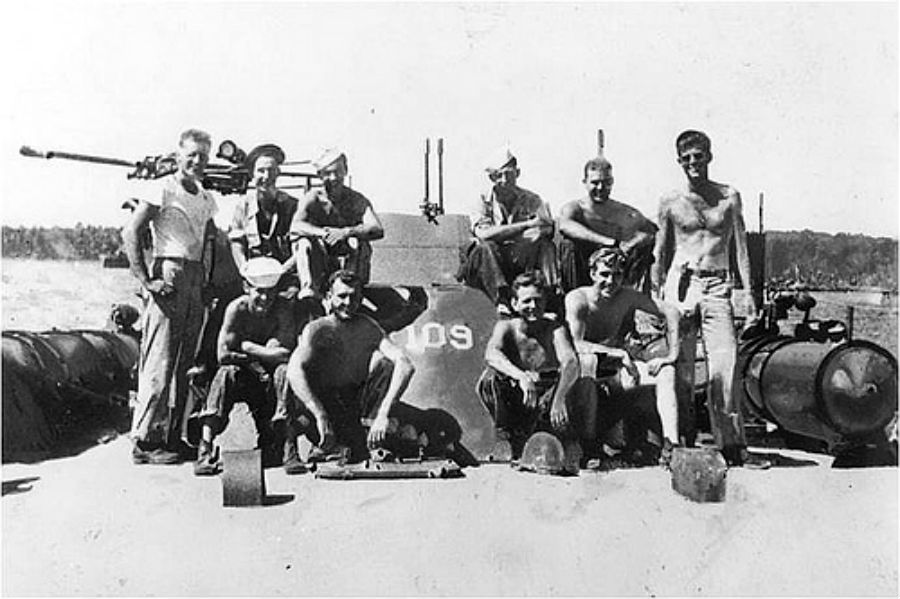
On August 2, 1943, during World War II, the United States Navy boat PT-109, commanded by 26-year-old Lieutenant John F. Kennedy, was struck by a Japanese destroyer in the Pacific Theater. The collision occurred on a moonless night, killing several crew members and leaving the survivors stranded in the water.

On May 7, 1718, one of America's most vibrant and culturally rich cities, New Orleans, was founded by the French. Originally known as La Nouvelle-Orléans, the city was named in honor of Philippe II, Duke of Orléans, Regent of France.

Mardi Gras Indian costume in the New Orleans African-American Museum. Photo: Tonya Fitzpatrick World Footprints returns to New Orleans for our signature broadcast from Jackson Square for French Quarter Festival! During this hour we will share more "must see" museums, including the New Orleans African-American Museum. We'll also speak to a local historian, Errol Laborde, editor at the New Orleans Magazine and we'll introduce "Mr. New Orleans" aka Stephen Perry, President/CEO of the New Orleans CVB. Errol Laborde has won more than twenty-five New Orleans Press Club awards for outstanding journalism and the National City and Regional Magazine Association Award for his magazine Streetcar column. Finally, you'll hear from two "NOLA ambassadors" and fans of World Footprints who will share why they come back to the city every year. Spoiler alert: These special guests have been nicknamed "The Moms" by New Orleans Conventions and Visitors Bureau staff. They are [...]

On March 7, 1969, Golda Meir made history by becoming Israel’s first female Prime Minister, at a time when women in leadership positions were still a rarity worldwide.

On March 6, 1836, the pivotal Battle of the Alamo came to a deadly conclusion, marking a crucial moment in Texas' struggle for independence from Mexico. At the time, Texas was part of Coahuila y Tejas, a northern region of Mexico, caught in a fierce tug-of-war. Rebel forces in Texas sought freedom, while the Mexican government, led by General Santa Anna, was determined to hold on to the territory and prevent further U.S. expansion.

On March 1, 1872, President Ulysses S. Grant made history by signing the act that established Yellowstone as the world’s first national park. Primarily located in Wyoming, the park’s expansive territory also stretches into Montana and Idaho, covering over 2 million acres of diverse landscapes.