
Social Responsibility

Colombian Basket Weaver. Photo: Tonya Fitzpatrick
“Learn to do common things uncommonly well; we must always keep in mind that anything that helps full the dinner pail is valuable.”
– George Washington Carver
What defines a responsible travel extends far beyond the act of simply minimizing luggage, recycling plastic, or conserving hotel amenities like bath towels. While these practices are commendable initial steps, responsible travel fundamentally emerges from the heart.

Celebrate International Women’s Day by supporting women around the globe through unique tourism experiences that benefit women’s empowerment and travel with female-led groups. International Women’s Day is honored annually on March 8th to celebrate the social, economic, cultural, and political achievements of women and serves as a call to action for accelerating gender parity.

If you’re heading to the Orlando area, I’m sure you’ve given a lot of thought to your itinerary. You’ve probably booked a hotel, made theme park reservations, and maybe even though about which restaurants to visits. But did you know there are coffee shops and bistros in Central Florida where your visit could literally save lives?

Used by Indigenous tribes in the Amazon for medicinal purposes for centuries, it’s only in the last 50 years or so that Westerners have come to learn about ayahuasca

The Crystal River National Wildlife Refuge shelters solitary manatees year-round, but their numbers increase to around 600 individuals from mid-November through March, when they retreat to the Three Sisters and other natural hot springs as ocean temperatures drop.
With everything taking place in the world from the coronavirus pandemic, global recession, and America’s racial reckoning, even a brief escape from these problems can be an elixir for the body, mind, spirit, and soul.

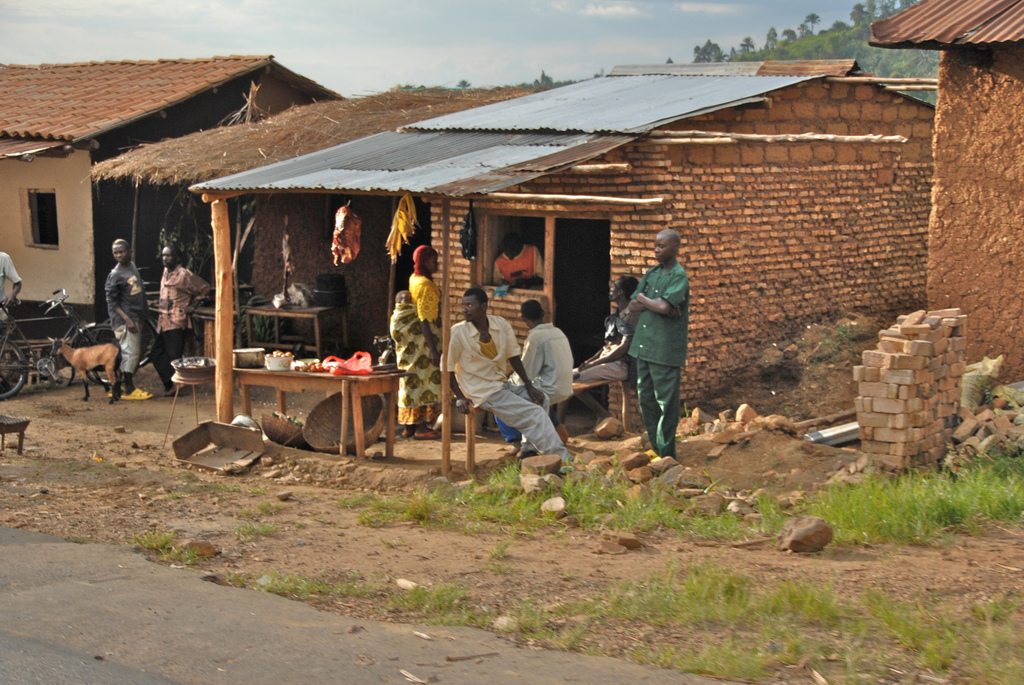
It’s evening in the small African nation of Burundi, and the waning sun throws shadows over the city of Bujumbura.

On January 13, 1888, a small group of explorers and scientists, 33 in all, gathered at the Cosmos Club in Washington, DC. (A place where DC members of the famed Explorers Club, including World Footprints, meet today.) They proposed to organize a society "to increase and diffuse geographic knowledge while promoting the conservation of the world's cultural, historical, and natural resources." Two weeks later, they incorporated the National Geographic Society . Alexander Graham Bell, the Society's second president, proposed a magazine, sales of which would help fund the Society's activities. In 1899, Bell's son-in-law Gilbert Hovey Grosvenor was named the first full-time editor of National Geographic magazine. He served the organization for fifty-five years (until 1954), and members of the Grosvenor family have played important roles in the organization since. Bell and Gilbert Hovey Grosvenor devised the successful marketing notion of Society membership and the first major use of [...]

In a small town in the southwestern region of Nepal, Eva the rescue elephant and her new companion Lhamo are sprouting a charming kinship.

For many people, including myself, while travelling the world is a passion, it is important to simultaneously make a positive change in communities and the environment in which we are exploring. This is known as social impact travel.

As if Bali hasn’t been suffering enough with the economic blow of COVID-19, locals are also battling a catastrophic environmental disaster as an abnormal amount of plastic washes up along popular tourist beaches Kuta & Seminyak.
My last trip was in February 2020, just a month before the coronavirus pandemic shut much of the world down for months on end.
Looking back at the previous year is seriously lacking in travel nostalgia. Looking forward is shrouded in uncertainty.