
India

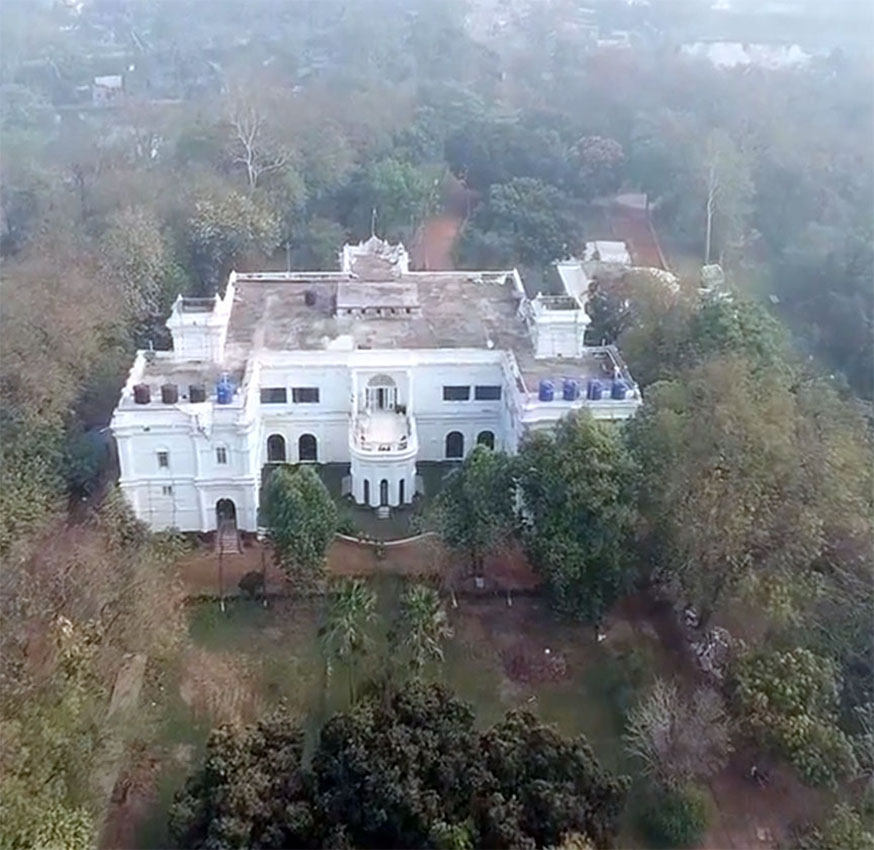
The sprawling mansion looked like a medieval European castle with its arched bay windows and turrets in each corners, the dark red laterite façade gleaming in the morning sun. We got down from our car, and were immediately greeted by Debjit Singh Deo, who owns and runs this heritage building amid the bucolic settings of rural Odisha in eastern part of India. Debjit’s great grandfather King Jyoti Prasad Singh Deo of Panchkote had built this two-storeyed mansion in 1933 as a royal hunting lodge.

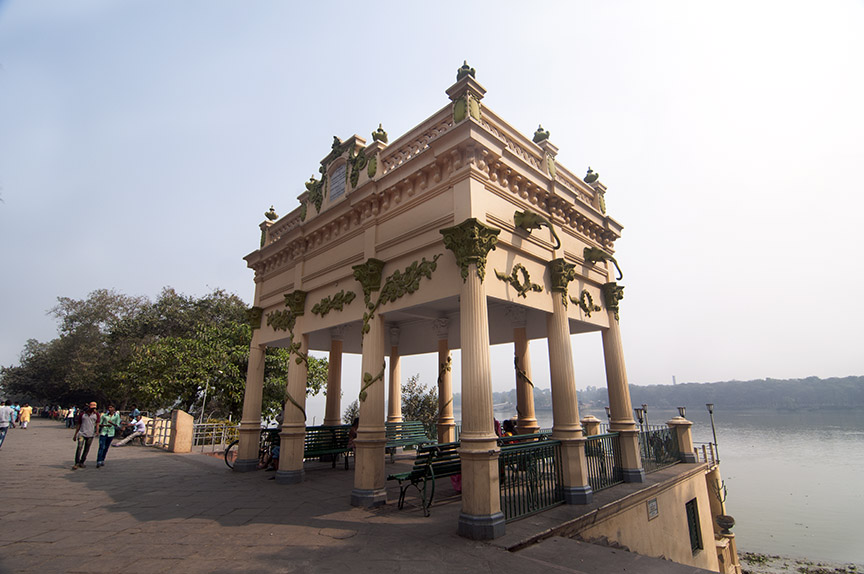
The British colonized India for over 200 years, and cities such as Mumbai, New Delhi and Chennai are home to notable Victorian-era buildings. But Kolkata, formerly Calcutta, was the capital of India for 39 years during the British rule, and it remains the top spot to see colonial architecture, a must-see city for architecture lovers to include on their India itineraries.

The expanse of the Bhopal sky slowly turns scarlet as we settle into the serene world of Jehan Numa Retreat. A short 30 minute drive from the Bhopal airport has us approaching the 12.5 acres boutique property of the erstwhile Nawabs of Bhopal in the Malwa plateau of Central India.

The stately manor that dates back to 1804 is the residence of the Bhanj Deo royal family that had ruled the princely state of Mayurbhanj in eastern India

A mountainous land in the Northwestern part of India, the state of Himachal Pradesh has long been a paradise for travelers. Colonial-era hill stations, idyllic rural settlements and verdant valleys dot the expanse of this North Indian state that was once a part of undivided Punjab. However, Kangra Valley, in the south-eastern fringes of Himachal, has always remained a bit off the tourist radar.

‘Be careful. He is watching us’. Omkar whispers. He is one of the four naturalists of Reni Pani Jungle Lodge, just twenty minutes away from the buffer zone of the Satpura National Park, where we have put up for a couple of nights. This morning we started early from Bhopal, the capital city and after a smooth drive of three and half hours we arrived at the jungle lodge.

Located by the Gomti river, a major tributary of River Ganga, Lucknow is a paradise for explorers with its time-honored architecture, lip-smacking dishes, lyrical zubaan (style of conversation), and world-famous garments.

Upstream along the quiet banks of the Ganga, not far from the bustle of Calcutta, lies a string of towns, where a slice of Europe came to roost long before the British did.

Blessed with rich biodiversity and dramatic terrains, this North-Eastern state of India with Assam to its north and Bangladesh to its south is a paradise for nature lovers. The matrilineal state has decked herself up wonderfully for adventure seekers and laid back travelers across the globe.

Mehman nawazi (hospitality) is etched in the ethos of Kashmir and her people, a centuries-old legacy of this Northwestern Indian state. Every time I land myself in Srinagar, my friend Mushtaq would pick me up late in the evening, and a half-an-hour bumpy ride through the Srinagar-Ganderbal highway would take us to his humble two-storeyed house. A four-course dinner of goshtaba, yakhni, rogan josh and rishta follows. Not necessarily in that order, but always hearty portions of meat, rustled up in authentic Kashmiri style.

Leaving behind the tourist-filled streets of Darjeeling and the lingering whistle of the steam engine of the Heritage Himalayan Railway, our car enters the Lebong Valley. It is a different world altogether.

I have come to College Street Coffee House, an iconic café in Kolkata, India, after many years. The small but cavernous entrance of this 19th-century building and its dank staircase has remained just the same.